
Why Choose Genuine Cummins Parts Over Aftermarket?

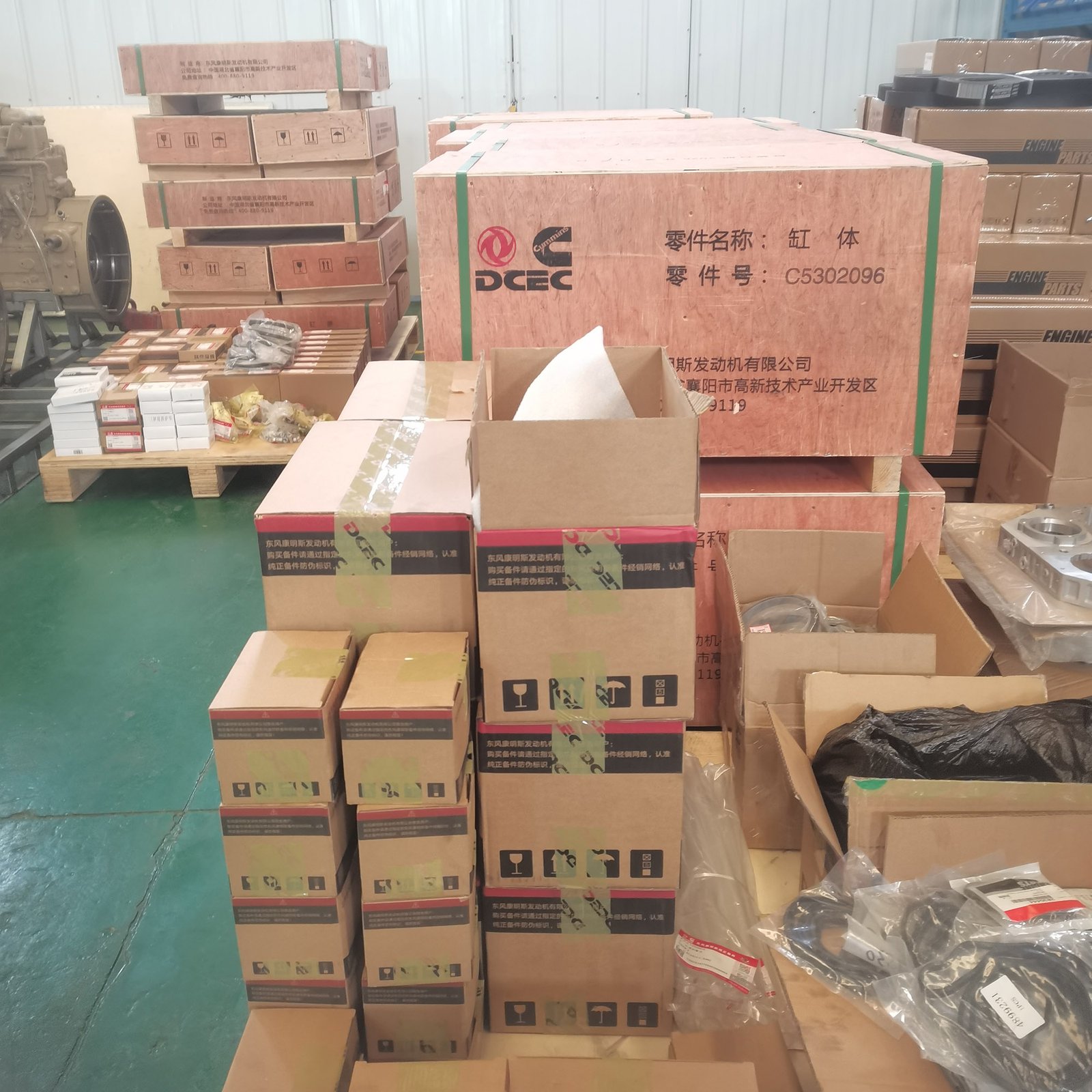
Maintaining a high-performance diesel engine requires precision and high-quality components. Fleet managers and owner-operators in 2026 face difficult decisions regarding maintenance budgets. The debate surrounding genuine Cummins parts vs aftermarket options centers on balancing immediate costs with long-term reliability.
Engine components must withstand extreme thermal stress and mechanical pressure. Genuine Cummins parts are engineered to exact factory specifications to ensure seamless integration. Choosing the wrong component can lead to catastrophic engine failure and expensive repairs.
Research in 2026 shows that original equipment manufacturer (OEM) parts provide superior durability. Data indicates that genuine parts can extend engine life by up to 25% compared to non-validated alternatives. Understanding the technical differences is essential for protecting your machinery investment.
Why Are Genuine Cummins Parts Superior to Aftermarket Alternatives?
The primary difference between these components lies in the manufacturing process and material science. Cummins invests billions in research and development to perfect their metallurgy and design. Genuine Cummins parts utilize proprietary alloys that handle heat more effectively than generic substitutes.
Aftermarket manufacturers often use reverse engineering to create their products. This process frequently misses internal complexities and precise tolerances required for modern engines. A tolerance deviation of just a few microns can disrupt fuel injection or piston timing.
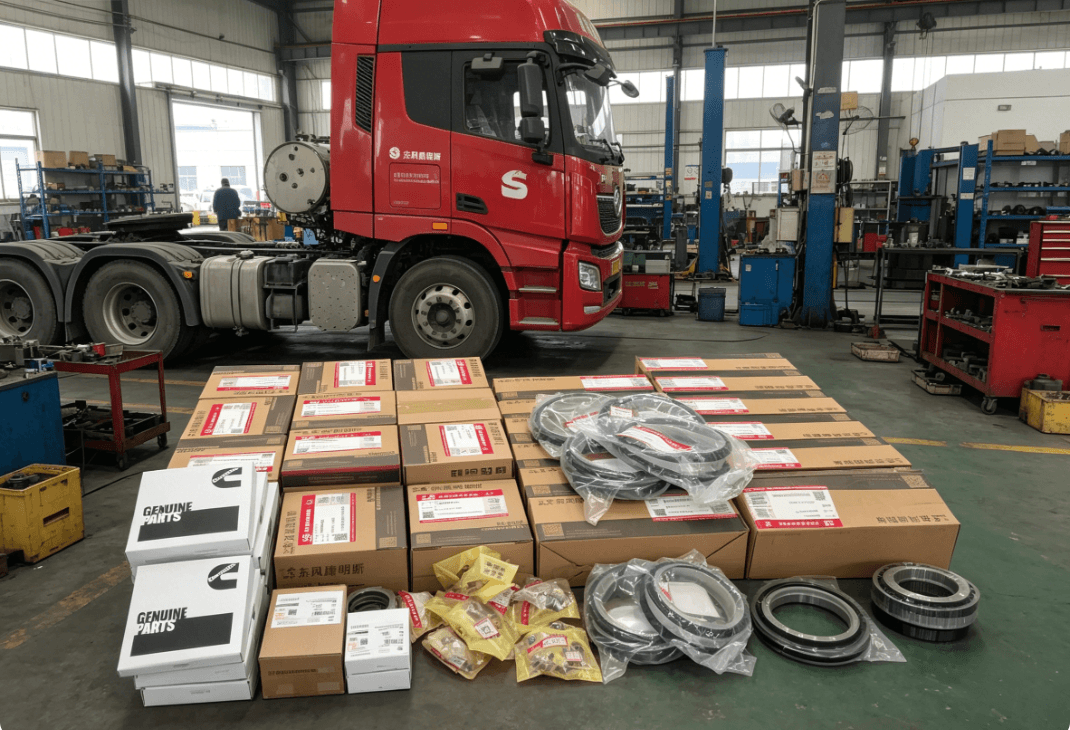
Superior Material Standards
Genuine components undergo rigorous testing under extreme conditions before reaching the market. They must pass thousands of hours of high-stress endurance trials. Aftermarket parts rarely undergo the same level of validation, leading to unpredictable performance in the field.
| Feature | Genuine Cummins Parts | Typical Aftermarket Parts |
| Material Quality | High-grade proprietary alloys | Standard commercial-grade steel |
| Tolerance Precision | Exacting OEM standards | Estimated via reverse engineering |
| Service Life | Optimized for full engine life | Often 30% shorter lifespan |
| Fuel Efficiency | Maintains factory ratings | May decrease efficiency by 2-5% |
| Warranty Support | Full global coverage | Limited secondary damage coverage |
Precision Tolerance Engineering
Fuel systems are particularly sensitive to quality variations in 2026 operations. Genuine Cummins fuel injectors deliver precise atomization for optimal combustion and low emissions. Using non-genuine injectors often results in carbon buildup and reduced fuel economy.
Turbochargers also represent a critical area where quality matters significantly. Genuine turbochargers are balanced to withstand speeds exceeding 100,000 RPM safely. Lower-quality aftermarket rotors may suffer from imbalance, leading to premature bearing failure.
Analyzing the Performance Benefits of Genuine Cummins Parts vs Aftermarket
Performance is not just about power but also about consistency and environmental compliance. Genuine parts ensure the engine operates at peak thermal efficiency, saving money at the pump. This consistency is vital for fleets operating under strict 2026 emission standards.
Non-genuine parts often cause the engine to work harder to achieve the same output. This increased strain leads to higher exhaust gas temperatures and accelerated wear. Genuine parts maintain the original design intent of the engine throughout its entire lifecycle.
Fuel Efficiency and Emission Compliance
Modern engines use complex Electronic Control Units (ECUs) calibrated for specific hardware. Aftermarket parts may provide incorrect sensor data, causing the ECU to trigger “limp mode” or fault codes. This disrupts schedules and requires professional diagnostic intervention.
Safety is a primary concern when dealing with high-pressure systems. Genuine Cummins high-pressure fuel lines are tested to prevent leaks that could cause engine fires. Non-genuine lines may lack the specific vibration dampening needed for long-term safety in 2026.
Heat Management and Durability
Cooling system integrity is vital for preventing engine meltdowns. Genuine water pumps provide the exact flow rate required to maintain stable operating temperatures. Aftermarket pumps often have inefficient impellers that lead to localized overheating and cracked cylinder heads.
Exhaust aftertreatment systems are incredibly sensitive to the quality of engine oil and fuel. Lower-quality engine parts can increase soot production, leading to frequent Diesel Particulate Filter (DPF) regeneration. This increases fuel consumption and accelerates the wear of expensive emission components.
The Financial Reality of Engine Maintenance in 2026
While the initial purchase price of aftermarket parts is lower, the total cost of ownership (TCO) is usually higher. Genuine Cummins parts offer a lower TCO due to their extended service intervals. You spend less on labor and replacement parts over the engine’s lifecycle in 2026.
Unexpected downtime is the most significant hidden cost in the trucking and construction industries. A single day of downtime can cost a business $500 to $2,000 in lost revenue. Genuine parts significantly reduce the risk of mid-interval breakdowns.
Labor Costs and Installation Efficiency
Statistical analysis of fleet maintenance records shows a clear trend in 2026. Engines serviced with genuine parts experience 40% fewer unscheduled repairs than those using generic components. This reliability ensures that your operations remain profitable and on schedule.
Investment in genuine parts also protects the resale value of your equipment. Buyers frequently request maintenance logs to verify the quality of components used. Equipment maintained with 100% genuine parts commands a higher market price during resale.
Warranty Protection and Risk Mitigation
Consider the impact on fuel consumption over 500,000 miles. Even a 1% decrease in fuel efficiency caused by poor-quality parts adds thousands of dollars in fuel costs. Genuine parts ensure peak performance, directly contributing to the bottom line.
Warranty protection is another financial factor often overlooked by buyers. Cummins provides comprehensive warranty coverage that includes progressive damage to other components. Most aftermarket warranties only cover the failed part itself, leaving you with massive repair bills.
How to Choose the Right Components for Your Fleet?
Selecting the right components requires a systematic approach to quality verification. You must first identify the Engine Serial Number (ESN) found on the data plate. This number allows you to find the exact part numbers designed for your specific engine configuration.
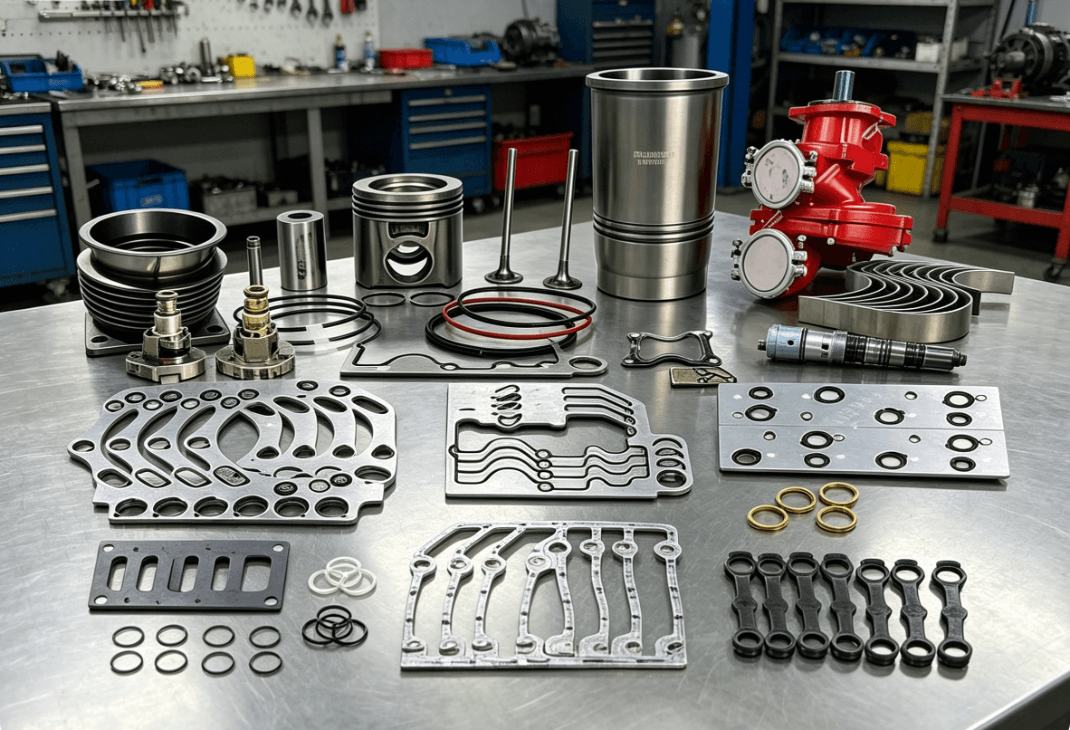
When evaluating suppliers, look for those who offer a comprehensive range of engine parts covering various series like the B, C, and L models. The ability to provide parts for ISF, ISBE, and ISLE engines indicates a deep understanding of the Cummins ecosystem. A reliable supplier should offer everything from pistons and liners to complete gasket sets.
Identifying Quality Manufacturing
Quality assessment should focus on the manufacturing origin and the supplier’s reputation. Ask for documentation regarding technical specifications and material composition if you are unsure. High-quality parts will always feature precise machining marks and professional packaging in 2026.
Verify that the components, such as turbochargers and fuel injectors, come with clear installation guidelines. Proper fitment is as important as the part quality itself for ensuring longevity. If a part requires excessive force or modification to fit, it is likely not a genuine-spec component.
Supplier Consistency and Support
Check the supplier’s capability to provide critical internal components like crankshafts and camshafts. These parts require specific heat treatment processes that are difficult to replicate. Choosing a supplier with a broad inventory of heavy-duty engine components ensures you get consistent quality across the entire assembly.
Consistency across different engine series is a hallmark of professional part manufacturing. Whether you are maintaining a 4BT engine or a modern QSL9, the standards for surface finish and hardness must remain high. Always prioritize suppliers who specialize in the Cummins brand rather than generalist providers.
Summary
Choosing genuine Cummins parts vs aftermarket is a decision between short-term savings and long-term reliability. Genuine parts provide superior engineering, better fuel efficiency, and a lower total cost of ownership in 2026. By investing in high-quality components, you protect your engine from catastrophic failure and ensure consistent performance.
FAQ
1. Is the price difference between genuine and aftermarket parts worth it in 2026?
Yes, because the long-term savings from reduced downtime and fuel efficiency far outweigh the initial savings.
Genuine parts are designed to last the full service interval.
Aftermarket parts often fail prematurely, leading to expensive secondary repairs.
2. Can aftermarket parts void my Cummins engine warranty?
Yes, using non-genuine parts can void your warranty if the part causes damage to other engine components.
Cummins warranties typically only cover failures resulting from genuine parts or factory defects.
Using aftermarket components represents a significant financial risk for fleet operators.
3. How do I know if a Cummins part is genuine?
You can identify genuine parts by checking for holographic labels and specific part numbering.
High-quality packaging and precise machining are also indicators of authenticity.
Purchasing from reputable suppliers who specialize in Cummins engine series ensures you receive authentic components.
4. Do aftermarket parts meet 2026 emissions standards?
Typically, no, as aftermarket parts are not always tested for strict emissions compliance.
Genuine parts are specifically designed to work with the engine’s aftertreatment system.
This ensures your equipment stays within legal environmental limits for NOx and particulate matter.
5. Why do genuine Cummins fuel injectors perform better?
Genuine injectors are calibrated to deliver precise fuel amounts at exact intervals.
This precision ensures complete combustion and prevents carbon buildup in the cylinders.
Maintaining the engine’s original horsepower and torque ratings depends on this precision.
Reference Sources
Cummins Inc. Official Genuine Parts Performance Data and Warranty Guidelines 2026.
Diesel Progress. Industry Reports on Engine Maintenance and Component Reliability.
SAE International. Technical Papers on Diesel Engine Metallurgy and Precision Engineering.

