
Why Choose a China Diesel Engine Supplier? A Strategic Guide

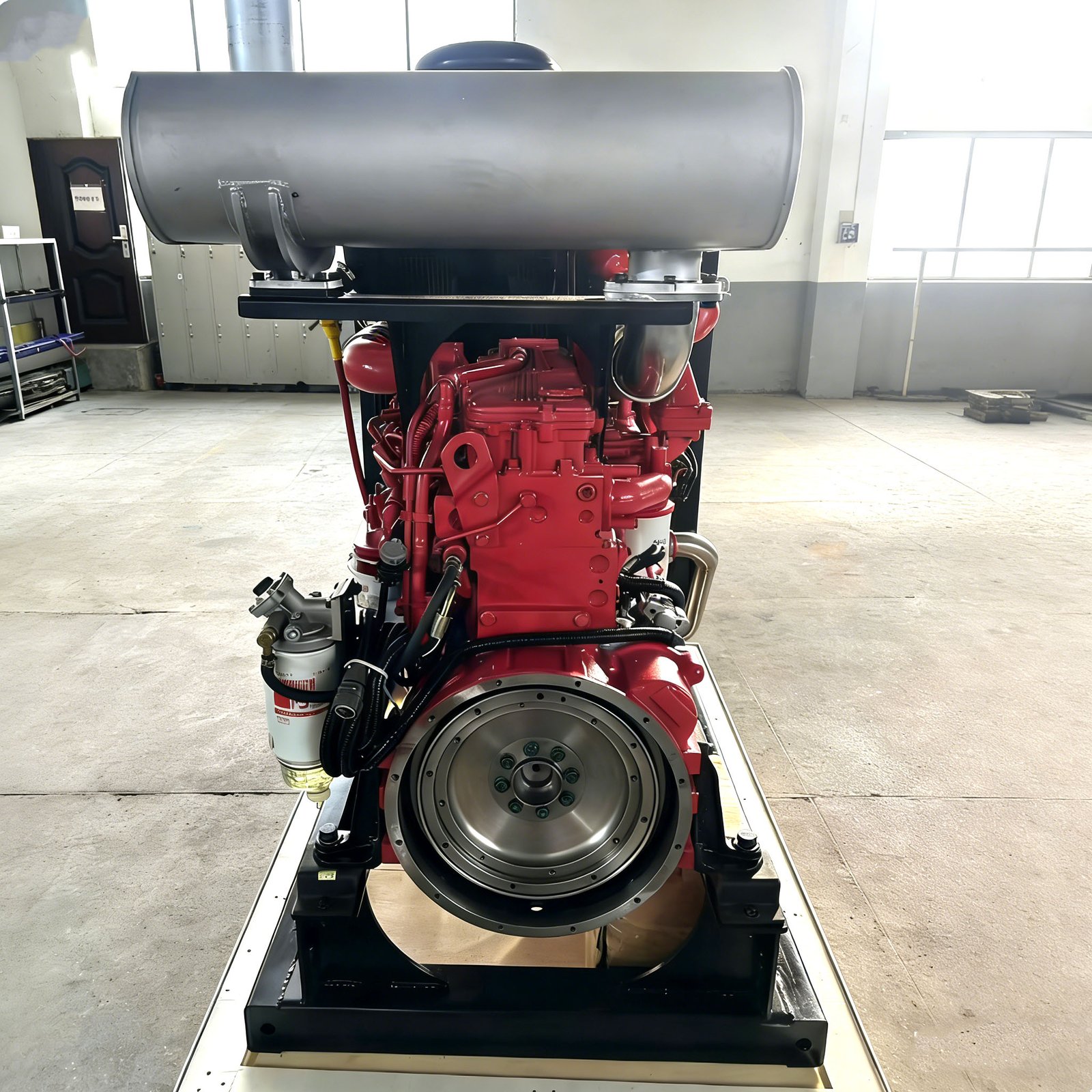
The global landscape for industrial power has shifted significantly over the last decade. For procurement managers, OEM engineers, and construction equipment distributors, the question is no longer whether to source from the East, but how to identify the right China diesel engine supplier to optimize their supply chain.
The decision to integrate Chinese-manufactured diesel engines into your machinery is no longer driven solely by price. It is a strategic move centered on supply chain resilience, rapid technological iteration, and the unique hybrid of international engineering standards (through joint ventures) and domestic manufacturing scale.
The Technical Evolution of the Chinese Diesel Engine Industry
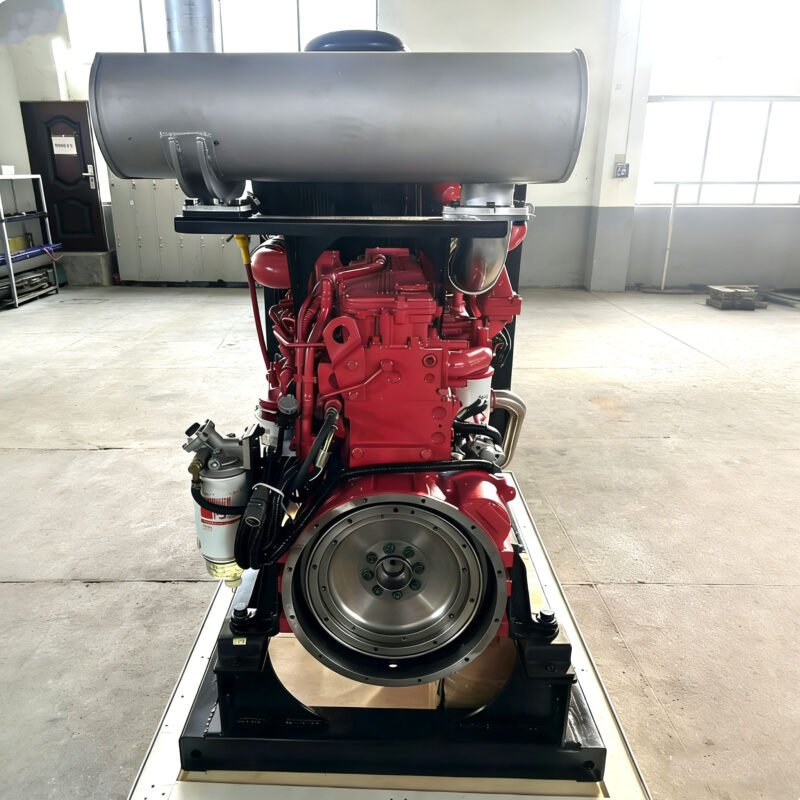
For decades, the global market viewed Chinese engines as “entry-level.” This perception ignores the massive influx of R&D and the “Joint Venture” (JV) era. Major players such as Cummins, Deutz, and Isuzu established deep manufacturing roots in China through partnerships with local giants like Dongfeng and Beinei.
Today, a leading China diesel engine supplier offers hardware that is indistinguishable from European or American counterparts in terms of casting quality, thermal efficiency, and electronic control unit (ECU) integration. Whether you are looking for a B-series Cummins produced in a high-tech facility in Hubei or a domestic powerhouse like Weichai or Yuchai, the technical baseline has moved toward high-pressure common rail (HPCR) systems and sophisticated turbocharging.
For construction machinery, where torque at low RPM and dust-resistant air intake systems are critical, these engines are now tested in some of the world’s most grueling environments—from the high altitudes of the Tibetan plateau to the humid tropical sites of Southeast Asia.
Key Advantages of Partnering with a China Diesel Engine Supplier
1. Unmatched Cost-to-Performance Ratio
The primary driver remains economic, but the nuance lies in “Total Cost of Ownership” (TCO). Chinese suppliers benefit from a vertically integrated ecosystem. Raw materials, specialized alloy casting, and component manufacturing (fuel injectors, gaskets, pistons) often happen within a 50-mile radius of the assembly plant. This reduces logistical overhead and allows for a price point that is typically 20% to 40% lower than Western-sourced engines without a linear drop in performance.
2. Agility and Customization
Unlike legacy Western manufacturers who may have rigid production schedules and high minimum order quantities (MOQs) for custom configurations, Chinese suppliers are often more flexible. If your project requires specific SAE housing dimensions, unique PTO (Power Take-Off) requirements, or specialized cooling packages for stationary power units, a Chinese partner can often iterate on these designs significantly faster.
3. Access to International and Domestic Brand Catalogs
Leading suppliers in the region, such as Kangjin Power, provide a unique advantage: they act as a bridge. They offer both world-renowned brands like Cummins and Deutz—manufactured under license—and high-tier domestic brands like Weichai and Yuchai. This allows a procurement officer to source multiple tiers of engines for different market segments from a single point of contact.
Navigating Emissions Compliance and Standards
One of the most critical aspects of choosing a China diesel engine supplier is ensuring the engine meets the regulatory requirements of the destination country.
- Tier 3 / Stage IIIA: Still the standard for many markets in Africa, Southeast Asia, and parts of South America. These engines are simpler to maintain, lack complex after-treatment systems like DPF (Diesel Particulate Filter), and are highly sought after for their reliability in regions with lower-quality fuel.
- Tier 4 Final / Stage V: For the US and EU markets, Chinese manufacturers have developed sophisticated engines utilizing SCR (Selective Catalytic Reduction) and AdBlue/DEF systems.
When vetting a supplier, it is essential to request EPA or CE certification documents. A reputable supplier will provide full technical data sheets detailing the engine’s displacement, bore/stroke, and specific fuel consumption (g/kW.h).
Matching Engine Specs to Construction Applications
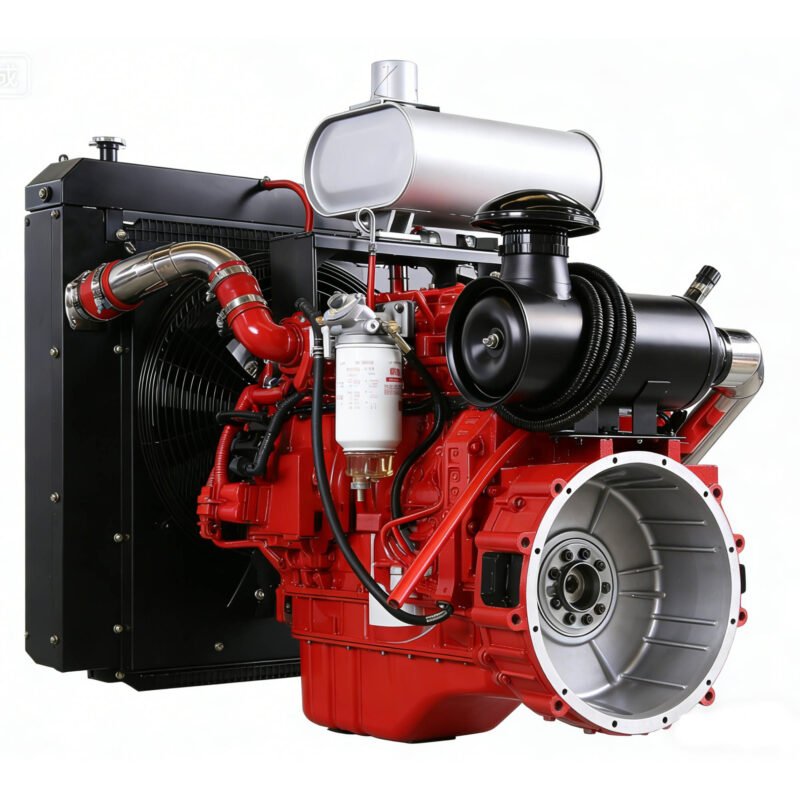
The diversity of engines available is vast. Choosing the right one depends on the “Duty Cycle” of the machine.
- Excavators and Loaders: These require high peak torque and the ability to handle sudden load changes. Engines like the Cummins 6BT or the Weichai WP series are staples here due to their proven durability in hydraulic-heavy applications.
- Road Rollers and Compactors: These demand steady-state reliability and vibration resistance. Deutz-style air-cooled or water-cooled engines are often preferred for their compact footprint and ease of service in remote locations.
- Generators: Here, the focus is on the governor (electronic vs. mechanical) to ensure frequency stability.
A professional supplier doesn’t just sell an engine; they consult on the application. They understand that a 100kW engine for a pump has different cooling needs than a 100kW engine for a forklift.
Supply Chain Logistics: Beyond the Factory Gate
In a BOFU (Bottom of Funnel) context, the “product” includes the delivery and the after-sales support. A sophisticated China diesel engine supplier has optimized their export packaging to prevent corrosion during sea freight—using VCI (Vapor Corrosion Inhibitor) bags and vacuum-sealed crates.
Furthermore, consider parts availability. The advantage of choosing common engines (like those found on the Kangjin Power platform) is the global interchangeability of wear parts. If you buy a Cummins-based engine from a Chinese supplier, the filters, belts, and injectors can often be sourced from local distributors worldwide, drastically reducing downtime for the end-user.
Critical Evaluation Checklist for Procurement Managers
Before finalizing a contract, evaluate the supplier on these five manufacturing and commercial metrics:
- Testing Protocols: Do they perform a “hot test” on every engine before shipping? Request a video or a test report showing oil pressure and temperature stability.
- Component Provenance: For “domestic” engines, ask about the fuel system. Is it Bosch, Denso, or a local high-quality brand?
- Warranty Framework: What is the procedure for a “Dead on Arrival” (DOA) component? A reliable supplier offers a clear warranty period (typically 12 months or 2,000 hours) and has a streamlined process for shipping replacement parts.
- Lead Times: While many suppliers keep common models (like the Cummins 4BT or 6CT) in stock, custom industrial configurations may take 15–30 days.
- Documentation: Ensure they provide a full Operation & Maintenance (O&M) manual in English and a detailed parts catalog.
Conclusion: The Strategic Value of the Right Partner
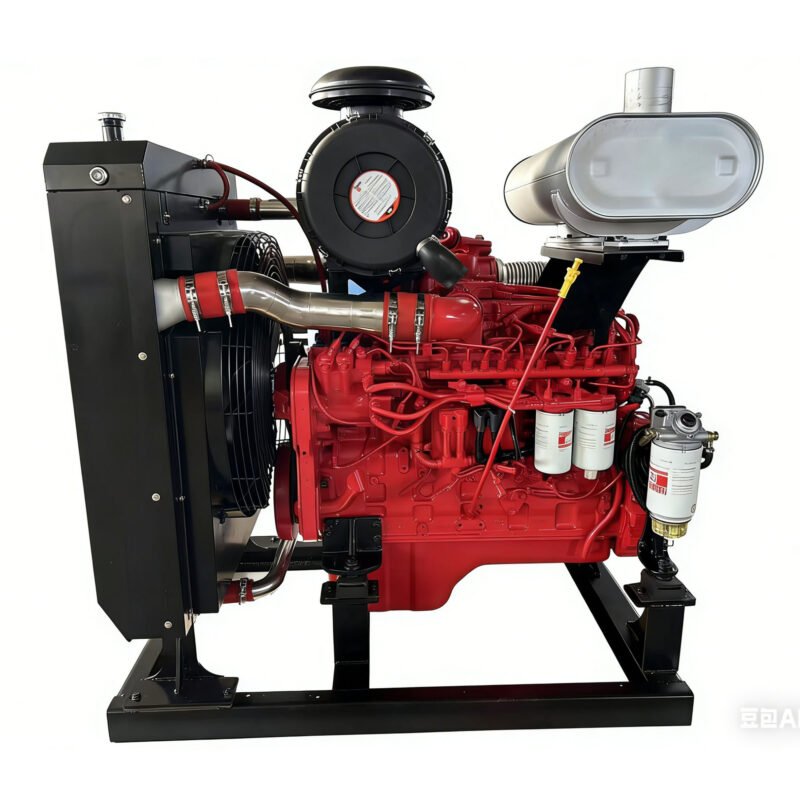
Choosing a China diesel engine supplier is a decision that balances engineering requirements with fiscal responsibility. By leveraging the manufacturing scale of the Chinese market, OEMs can maintain competitive pricing for their equipment while offering end-users the reliability of modern diesel technology.
Whether you are repowering a fleet of excavators or designing a new line of industrial compressors, the current generation of Chinese diesel engines offers a robust, compliant, and cost-effective solution for the global stage.
FAQ
Q1: Are engines from a China diesel engine supplier compatible with Western machinery?
Yes. Most industrial engines follow international SAE standards for flywheel housings and drive couplings. As long as the horsepower, torque curve, and physical dimensions align, these engines can be integrated into most global machinery brands.
Q2: How is the quality of “Licensed” vs. “Genuine” engines handled in China?
“Licensed” engines (like those from Dongfeng-Cummins) are genuine engines built to the brand’s global specifications in a Chinese facility. They are often the exact same engines found in equipment sold globally.
Q3: What is the typical MOQ (Minimum Order Quantity) for industrial engines?
For standard models used in construction machinery, many suppliers offer an MOQ of 1 unit. However, for specialized OEM customizations, an MOQ may be required to cover tooling or engineering costs.
Q4: How do I handle spare parts in the long term?
It is recommended to source engines that share a high degree of part commonality with global brands. Additionally, your supplier should be able to provide “Maintenance Kits” (filters, gaskets, belts) alongside the initial engine purchase.
Q5: What are the shipping lead times from China to the US or Europe?
Sea freight typically takes 30 to 45 days. High-value, urgent components or small engines can be shipped via air freight (5–10 days), though this significantly increases the cost.
Reference Sources
- ISO 9001:2015: Quality Management Systems for Manufacturing.
- EPA (Environmental Protection Agency): Nonroad Compression-Ignition Engine Standards.
- SGS/TÜV Rheinland: Industrial Inspection and Certification Reports for Chinese Manufacturers.
- Off-Highway Research: Reports on the Chinese Construction Equipment Market.

