
OEM Diesel Engine Services: Guide to Reliable Power Integration

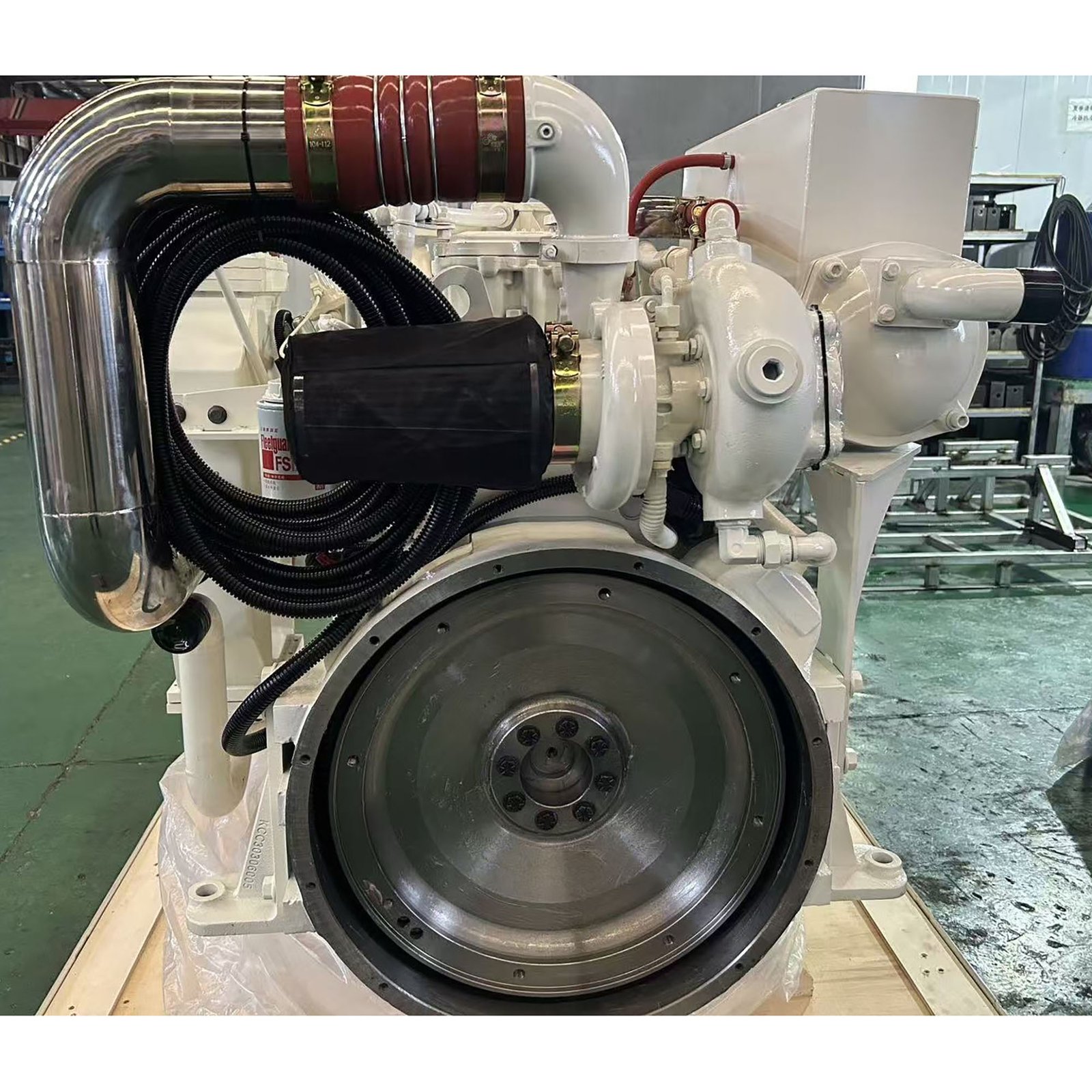
Procuring a diesel engine for industrial or construction applications is a high-stakes capital investment. For original equipment manufacturers (OEMs) and fleet managers, the decision extends far beyond the engine block itself. You are not just buying a component; you are investing in a service ecosystem that ensures long-term operational uptime and mechanical synergy.
Effective OEM diesel engine services bridge the gap between a raw power unit and a fully integrated machine. Whether you are repowering an excavator or designing a new line of loaders, understanding the technical and commercial nuances of these services is critical for project success.
What Does “OEM Diesel Engine Services” Truly Encompass?
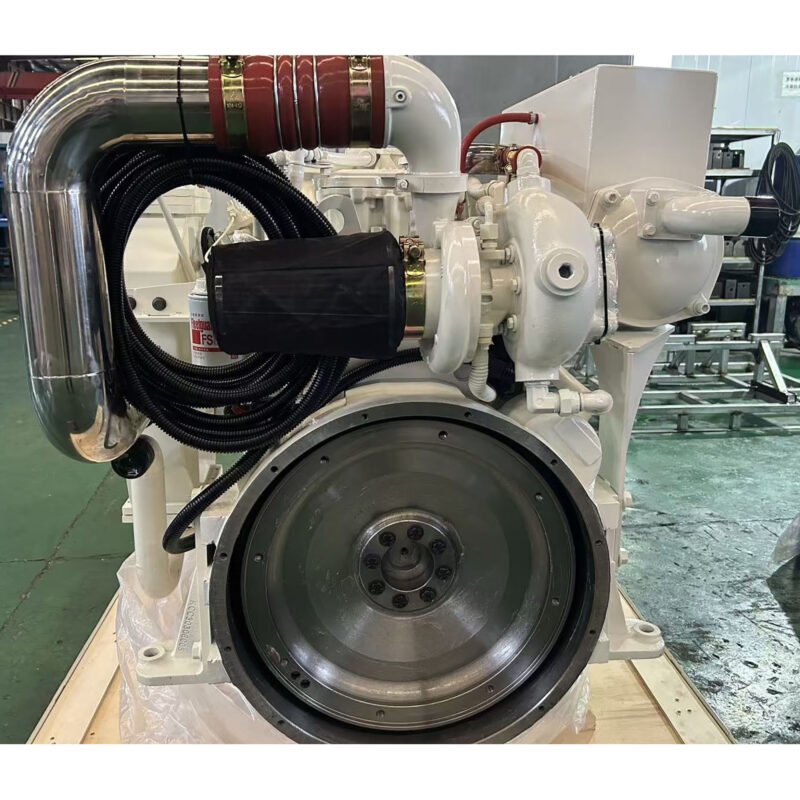
OEM diesel engine services involve the specialized support provided by manufacturers or authorized distributors to integrate, maintain, and optimize engines within specific machinery. Unlike simple retail sales, these services focus on the technical lifecycle of the power unit.
The scope typically includes:
Application Engineering: Matching engine torque curves and power ratings to the specific duty cycle of the machine.
Configuration Customization: Adjusting peripheral components like flywheels, cooling packages, and exhaust after-treatment systems.
Technical Compliance: Ensuring the engine meets regional emission standards, such as EPA Tier 4 Final or EU Stage V.
After-Sales Lifecycle Support: Provision of genuine parts and specialized diagnostic tools tailored to the specific engine model.
Technical Integration: Beyond the Engine Block
Successful engine integration requires more than a physical fit. Buyers must evaluate the engineering support provided during the design phase. A mismatched engine can lead to premature failure or inefficient fuel consumption.
| Technical Factor | Buyer Requirement | OEM Service Role |
| Thermal Management | Heat rejection data for cooling systems | Radiator sizing and fan airflow optimization |
| Electronic Control (ECU) | CAN-bus communication protocols | Custom software calibration and J1939 integration |
| Mounting & Vibration | Natural frequency analysis | Selection of appropriate engine mounts and dampening |
| Emissions Support | DPF/SCR packaging constraints | Exhaust system layout and sensor placement |
As seen in specialized collections like Kangjin Power’s construction machinery engines, selecting the right engine series—whether for an excavator or a road roller—depends heavily on these integration services.
Commercial Value: OEM vs. Third-Party Solutions
For procurement managers, the primary debate often centers on initial cost versus long-term value. While third-party or “will-fit” components may seem cost-effective, they rarely include the engineering depth found in OEM services.
OEM services provide a “single point of truth” for technical data. When you utilize authorized OEM diesel engine services, you secure a warranty that covers the entire system’s compatibility. Third-party providers often cannot provide the proprietary ECU mapping required for modern, high-efficiency diesel engines. This lack of data can lead to integration delays, increasing your “Time to Market” for new machinery.
Evaluating Key Performance Indicators (KPIs) for Suppliers
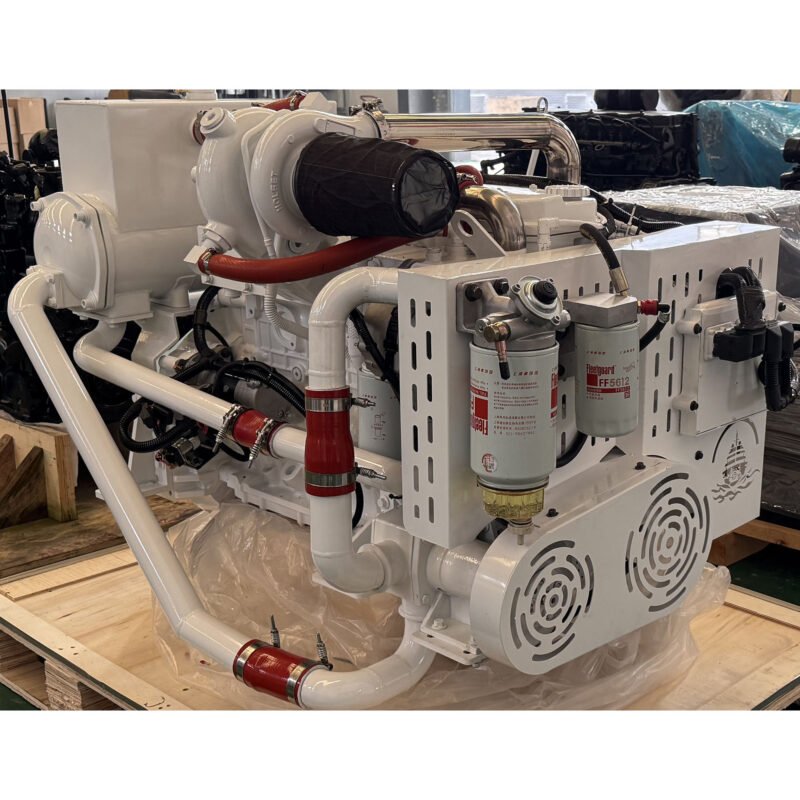
When selecting a partner for OEM diesel engine services, your evaluation should move beyond the price list. Reliability in the heavy machinery sector is measured by the supplier’s ability to support the machine through its 10,000+ hour lifespan.
Engineering Responsiveness
Does the supplier provide 3D CAD models for your design team? Fast access to accurate dimensions and port locations is essential for reducing engineering overhead.
Supply Chain Stability
OEMs must guarantee that parts will be available for at least 10 years after production ends. Inquire about the supplier’s logistics network and their ability to maintain “safety stock” for critical engine components.
Certification and Compliance
Verify that the services align with ISO 9001 standards and that the engines carry the necessary international certifications (UL, CE, or EPA). This reduces your legal and environmental liability.
Optimizing the Diesel Engine Procurement Workflow
A professional OEM procurement process follows a structured path to mitigate technical risk.
Specification Definition: Define the required horsepower, peak torque, and ambient operating conditions (e.g., high altitude or extreme heat).
Prototype Phase: Procure a sample engine for “First-of-Type” (FOT) testing. This stage identifies unforeseen vibration or cooling issues.
Application Review: The supplier performs a cooling test and a torsional vibration analysis (TVA) to sign off on the installation.
Bulk Production & Logistics: Establish a delivery schedule that aligns with your assembly line’s “Just-in-Time” (JIT) requirements.
Field Support Training: The supplier provides technical training for your maintenance crews and end-users.
Strategic Selection for Construction Machinery
In the construction sector, downtime is the single greatest cost driver. Engines used in excavators and loaders operate under variable loads and harsh environments.
By leveraging professional OEM diesel engine services, buyers ensure that the power unit is optimized for these cycles. High-quality suppliers, such as those featured on Kangjin Power, focus on providing engines with high torque rise and robust filtration systems. These features are essential for maintaining performance in dusty, high-intensity construction sites.
FAQ
What is the difference between an engine distributor and an OEM service provider?
An engine distributor focuses on sales and logistics. An OEM service provider offers deep technical integration, engineering support, and customized configurations specifically for your machinery’s requirements.
How do OEM services impact machine warranty?
Using OEM-certified integration services ensures that your machine’s warranty remains valid. Unauthorized modifications or poor integration by non-OEM entities can void the engine manufacturer’s performance guarantees.
Can OEM diesel engine services help with emission upgrades?
Yes. OEM partners provide the necessary technical data and components to transition equipment from older emission standards (like Tier 2) to modern standards (Tier 4 or Stage V) through retrofitting or repowering programs.
What are the lead times for custom OEM engine configurations?
Lead times vary based on the level of customization. Standard configurations may take 4–8 weeks, while engines requiring custom flywheels or specific electronic calibrations may take 12–20 weeks.
Why is Torsional Vibration Analysis (TVA) part of OEM services?
TVA ensures that the engine and the driven equipment (like a hydraulic pump) do not create harmonic vibrations that could snap the crankshaft or damage the transmission.
Reference Sources
ISO 8178: International standard for exhaust emission measurement of non-road internal combustion engines.
SAE International: Technical standards for engine power ratings and flywheels (e.g., SAE J1349).
EPA (U.S. Environmental Protection Agency): Regulations for Nonroad Compression-Ignition Engines.
DieselNet: Technical information on diesel engine emissions and after-treatment technologies.

