
Genuine vs Aftermarket Diesel Parts: Technical & ROI Analysis

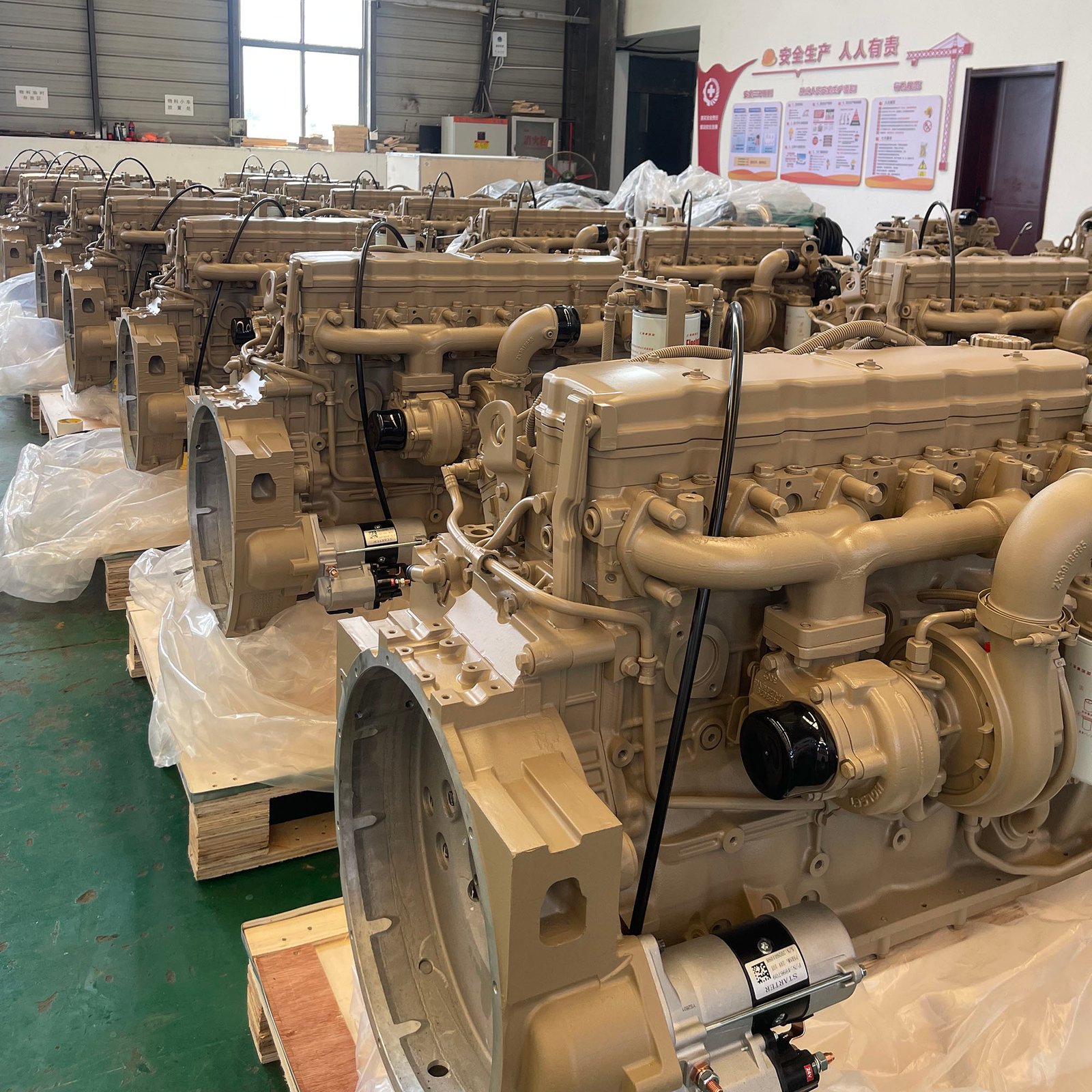
Choosing between genuine and aftermarket diesel parts is no longer a simple matter of “expensive vs. cheap.” For fleet managers, power plant engineers, and procurement specialists, the decision involves a complex calculation of metallurgical integrity, tolerance stack-ups, and the tangible cost of unscheduled downtime. While the initial price tag often drives the conversation, the operational reality of high-compression diesel environments requires a deeper look into how these components are engineered and manufactured.
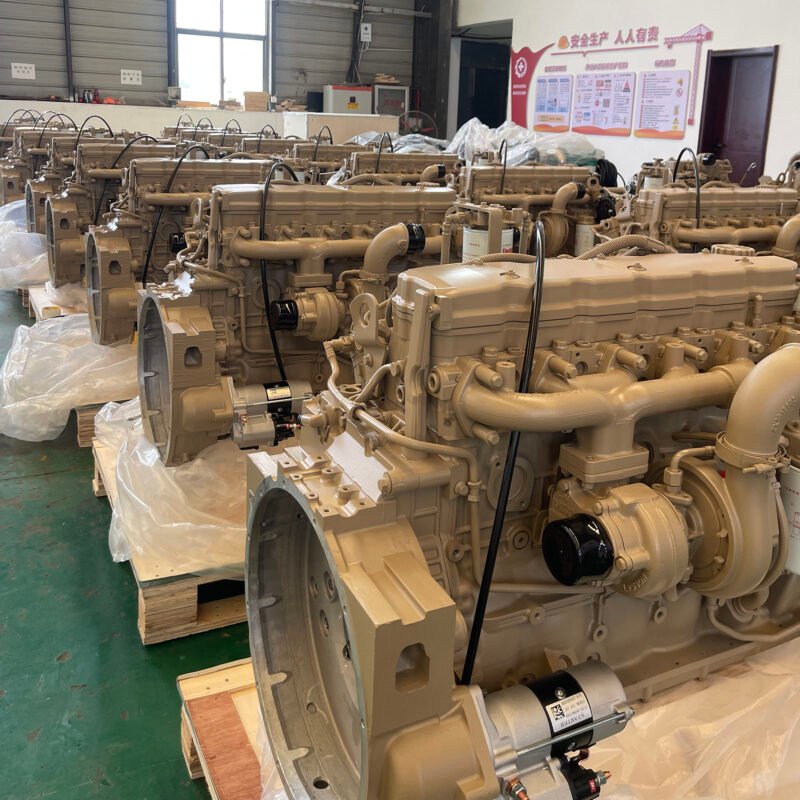
The Engineering Gap: Beyond Visual Similarity
At first glance, a genuine cylinder head and a high-quality aftermarket equivalent may appear identical. However, the critical differences reside in the microscopic details—material composition and heat treatment processes.
Genuine parts (OEM) are manufactured to the exact blueprints used during the engine’s initial assembly. These specifications include proprietary alloy blends designed to withstand specific thermal cycles and peak cylinder pressures. For instance, an OEM piston often features reinforced ring lands and cooling galleries precisely tuned to the engine’s fuel injection timing.
Aftermarket parts, conversely, fall into a broad spectrum. “Will-fit” parts are reverse-engineered. While reputable aftermarket manufacturers use Coordinate Measuring Machines (CMM) to replicate dimensions, they may lack access to the original metallurgical “recipe.” This can lead to variations in thermal expansion rates, which, in a heavy-duty diesel engine, may result in premature scuffing or catastrophic liner failure under full load.
Technical Trade-offs in Heavy-Duty Applications
When evaluating genuine vs aftermarket diesel parts, the application context is the most significant variable. The performance requirements of a standby generator differ vastly from those of a marine propulsion engine or a construction excavator.
1. Dimensional Tolerances and Fitment
Diesel engines operate with incredibly tight tolerances. A deviation of even a few microns in a crankshaft journal or a fuel injector nozzle can disrupt lubrication films or atomization patterns. Genuine parts guarantee a “zero-interference” fit. In the aftermarket sector, “tier-one” suppliers—those who often manufacture for the OEMs but sell under their own brand—typically maintain these standards. However, lower-tier aftermarket parts may exhibit “tolerance stack-up,” where small deviations in multiple parts combine to create significant mechanical stress.
2. Material Durability and Fatigue Life
Engine components like connecting rods and valves are subject to millions of cycles of cyclic loading. OEM parts undergo rigorous fatigue testing to ensure they meet a specific “B10 life” (the time by which 10% of components are expected to fail). High-quality aftermarket manufacturers often match these specs, but the lack of standardized certification across the entire aftermarket industry means the burden of verification often falls on the buyer.
Total Cost of Ownership (TCO) vs. Initial Savings
The commercial argument for aftermarket parts is centered on the “acquisition cost.” It is common to see aftermarket components priced 30% to 50% lower than genuine counterparts. For an older engine near the end of its service life, this is a commercially sound path.
However, for mission-critical assets, the TCO tells a different story. Consider the following variables:
- Warranty Protection: Genuine parts usually carry a global warranty that covers not just the part, but “progressive damage” to the rest of the engine. Most aftermarket warranties only replace the failed part itself.
- Downtime Costs: In industries like mining or data center power backup, one hour of downtime can cost thousands of dollars. If an aftermarket part fails 20% earlier than a genuine part, the “savings” are instantly negated by labor costs and lost productivity.
- Resale Value: For fleet owners, a documented history of using genuine parts significantly bolsters the residual value of the equipment.
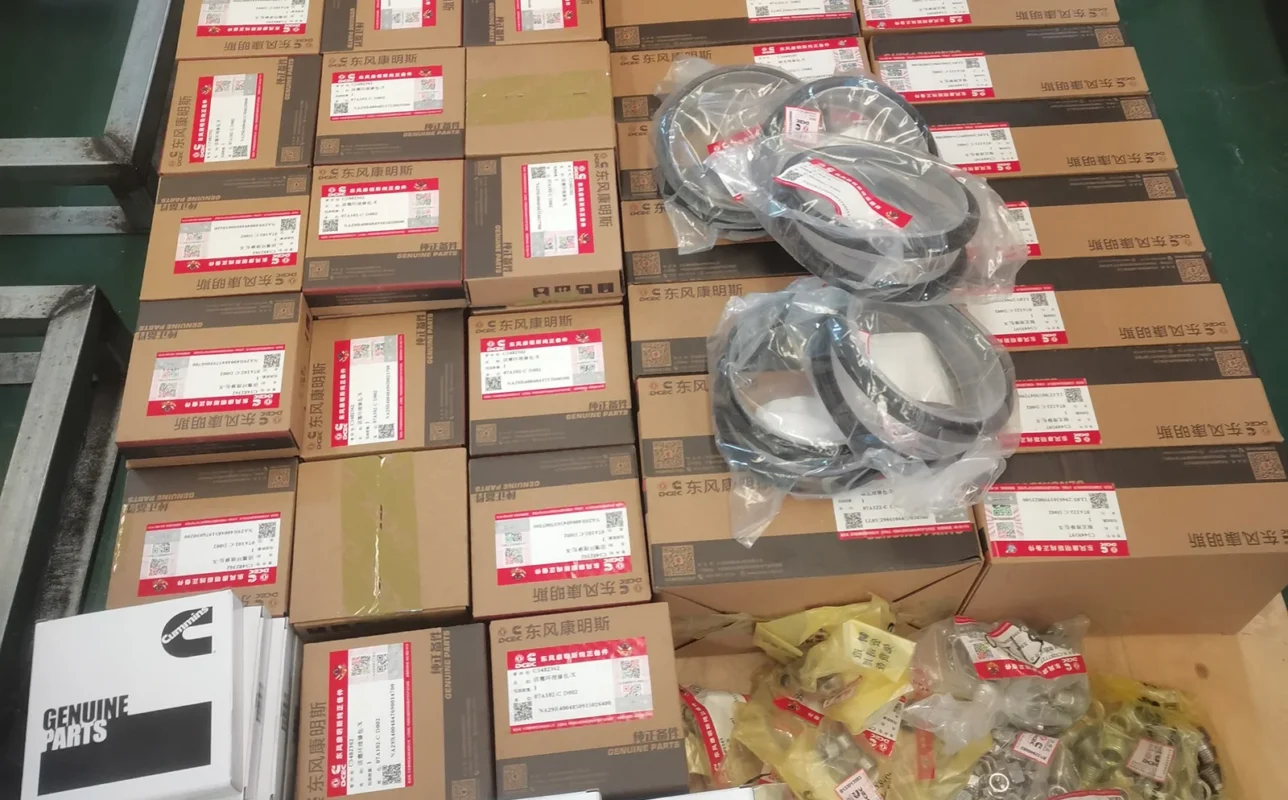
Choosing the Right Strategy for Your Inventory
The “better” choice depends on your specific operational profile. A hybrid procurement strategy is often the most efficient approach for large-scale operations.
- Critical Components: For “internal” engine parts—such as cylinder blocks, crankshafts, and turbochargers—the consensus among master technicians is to lean toward genuine or premium OEM-equivalent parts. These components are the backbone of the engine’s structural integrity.
- Maintenance & Wear Items: Components like gaskets, belts, and certain cooling system parts are areas where high-quality aftermarket options provide excellent value without compromising the core engine life.
- Lifecycle Stage: If an engine is in its first 25% of its expected life, genuine parts preserve the manufacturer’s warranty and performance benchmarks. For engines in their “extension” phase, aftermarket parts are often the only way to keep the asset economically viable.
Quality Indicators for Aftermarket Procurement
If you opt for the aftermarket route, technical due diligence is mandatory. You should evaluate suppliers based on:
- ISO Certification: Ensure the manufacturer adheres to ISO 9001 or IATF 16949 quality management systems.
- Casting and Forging Origins: Inquire whether the parts are cast or forged in facilities that also serve the OEM market.
- Testing Protocols: Does the supplier perform non-destructive testing (NDT) like X-ray or ultrasonic inspection on high-stress components?
| Feature | Genuine (OEM) | Premium Aftermarket | Budget Aftermarket |
| Material Spec | Original Formula | Matched/Equivalent | Substituted Alloys |
| Tolerance | Precise | High | Variable |
| Warranty | Parts + Progressive | Parts Only | Limited/None |
| Initial Cost | High | Moderate | Low |
| Risk Profile | Low | Low-Moderate | High |
Summary of Commercial Guidance
In the debate of genuine vs aftermarket diesel parts, the “better” part is the one that aligns with your risk tolerance and the asset’s remaining value. For high-utilization, high-load applications, the engineering precision of genuine parts offers a safety margin that usually pays for itself. For older fleets or secondary equipment, the strategic use of aftermarket parts can significantly reduce maintenance overhead.
Before purchasing, consult with a technical advisor who understands the specific stress factors of your engine model. Whether you are sourcing a single fuel pump or a full overhaul kit, the goal is consistent performance and predictable maintenance cycles.
FAQ
1. Will using aftermarket parts void my engine warranty?
In many jurisdictions (such as under the Magnuson-Moss Warranty Act in the US), a manufacturer cannot legally void your warranty simply because you used an aftermarket part. However, if the aftermarket part is proven to have caused the failure, the warranty claim for that specific repair can be denied.
2. Are “OEM” and “Genuine” the same thing?
Not exactly. “Genuine” parts come in the engine brand’s packaging (e.g., Cummins, CAT). “OEM” (Original Equipment Manufacturer) parts are made by the same company that supplied the engine brand (e.g., Bosch, Holset) but are sold under the supplier’s own brand name. They are often functionally identical but cheaper.
3. When is it most risky to use aftermarket diesel parts?
The highest risk occurs with complex electronic components (ECUs/sensors) and high-speed rotating assemblies like turbochargers. These parts require specific calibration and balancing that budget aftermarket suppliers often struggle to replicate.
4. How can I verify the quality of an aftermarket supplier?
Look for suppliers who provide detailed technical data sheets, have a physical presence in your region for support, and can provide metallurgical certifications upon request.
Reference Sources
- ISO 9001:2015: Quality Management Systems Requirements
- SAE International: Technical Standards for Compression-Ignition Engines

