
2026 Diesel Engine Pricing Guide: Strategic Cost Analysis for B2B Buyers

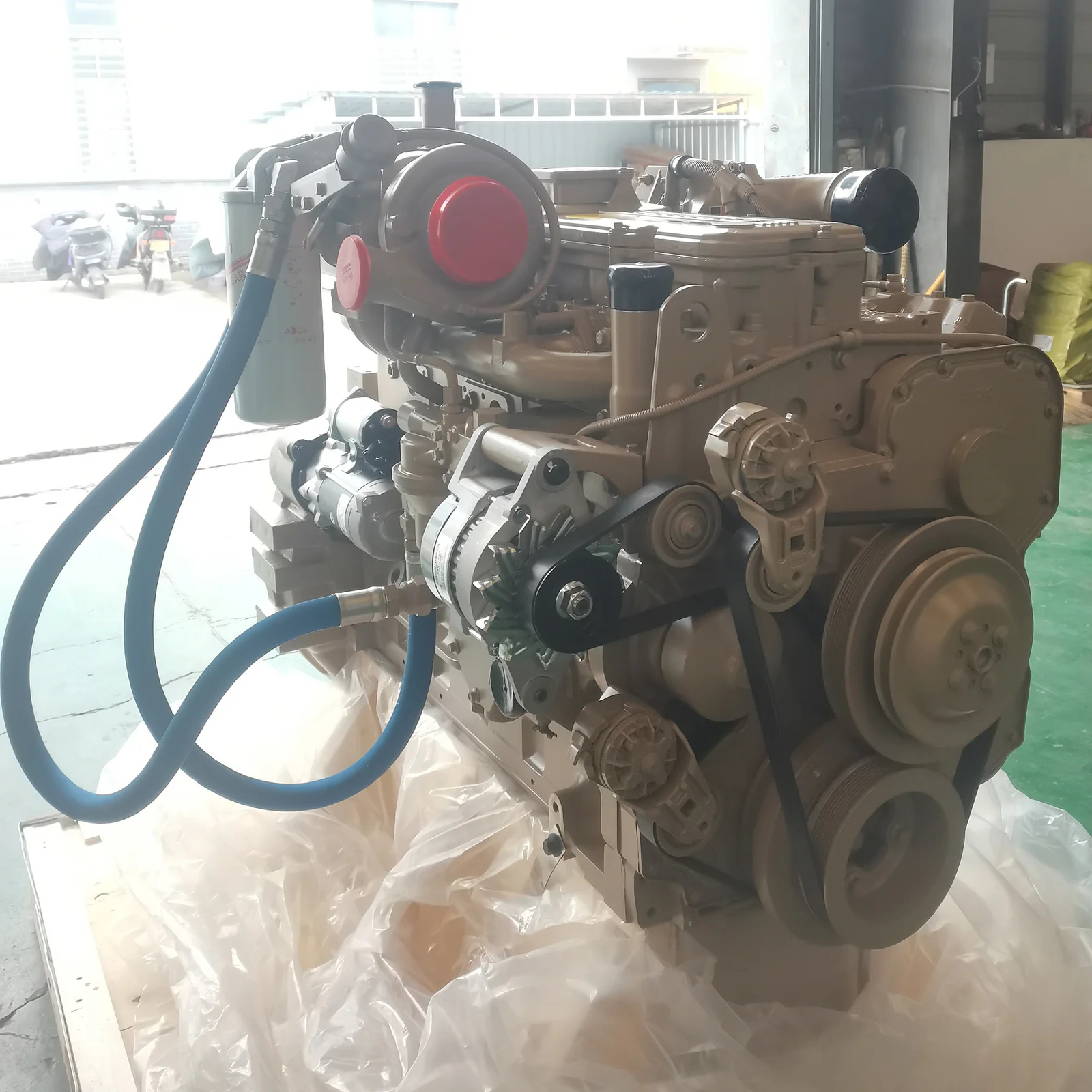
The landscape of internal combustion procurement has shifted significantly as we enter 2026. For fleet managers, OEM project leads, and procurement specialists, the “sticker price” of a diesel engine is no longer the primary metric. Instead, the focus has moved toward technology integration, emission compliance costs, and long-term operational efficiency.
In 2026, a new diesel engine typically costs between $3,000 for light-duty commercial units to over $60,000 for heavy-duty industrial models. These prices are heavily dictated by displacement, horsepower, and the specific emission technologies required for your region, such as Euro 7 or EPA Tier 4 Final.
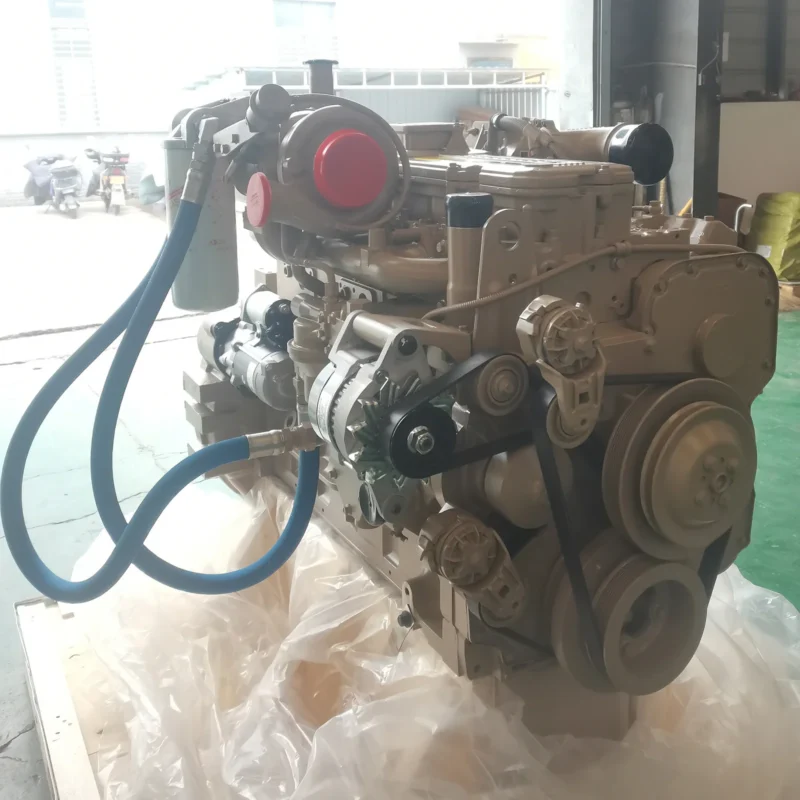
Current Market Price Breakdown by Engine Class
Understanding the cost of a diesel engine requires a granular look at the application. Pricing is rarely uniform, as specialized configurations for automotive, marine, or stationary power vary in their cooling and filtration requirements.
| Engine Category | Typical Horsepower Range | Estimated 2026 Price (USD) | Common Applications |
| Light-Duty / Pickup | 150 – 350 HP | $5,500 – $12,000 | Delivery Vans, 4×4 Vehicles |
| Medium-Duty Commercial | 200 – 450 HP | $12,000 – $28,000 | Box Trucks, Refuse Vehicles |
| Heavy-Duty / Class 8 | 450 – 600+ HP | $35,000 – $65,000 | Long-haul Freight, Logging |
| Industrial / Construction | 50 – 500 HP | $4,500 – $40,000 | Excavators, Generators |
Note: These figures represent the cost for a complete “crate” or “drop-in” engine. Short blocks and long blocks will cost significantly less but require additional labor and components.
Technical Drivers of Diesel Engine Costs in 2026
The price increases seen over the last five years are not merely inflationary. They represent a fundamental shift in diesel architecture. If you are evaluating a quote from an OEM provider like Kangjin Power, consider these three technical drivers:
1. Emission Compliance Hardware
Modern diesel engines are essentially mobile chemical processing plants. The inclusion of Selective Catalytic Reduction (SCR), Diesel Particulate Filters (DPF), and advanced Exhaust Gas Recirculation (EGR) systems accounts for roughly 20% to 30% of the total engine cost. In 2026, stricter NOx sensors and real-time monitoring hardware have added a premium to base manufacturing costs.
2. Advanced Fuel Injection Systems
High-Pressure Common Rail (HPCR) systems now operate at pressures exceeding 30,000 psi. These systems utilize precision-engineered piezoelectric injectors that allow for multiple injection events per combustion cycle. While this increases the initial purchase price, it is critical for meeting the fuel economy targets required in 2026.
3. Material Science and Durability
To handle higher cylinder pressures without increasing weight, manufacturers are increasingly using Compacted Graphite Iron (CGI) for engine blocks. This material offers superior strength-to-weight ratios compared to traditional grey iron but comes at a higher machining and raw material cost.
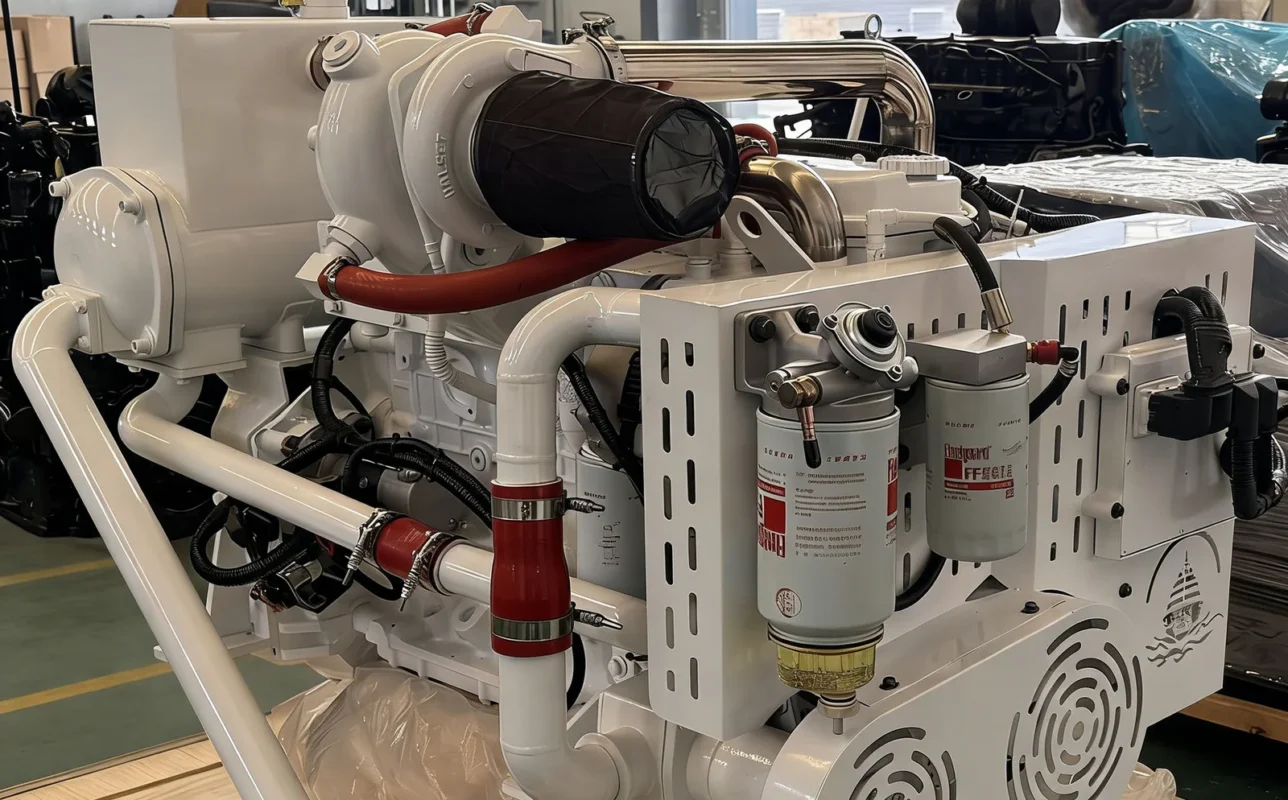
New vs. Remanufactured: The Commercial Decision
For many B2B buyers, the “new vs. reman” debate is a core part of the procurement strategy.
- New Engines: Offer the latest technology, full factory warranties, and the longest expected lifecycle. These are ideal for new equipment builds (OEM) or mission-critical applications where downtime is unacceptable.
- Remanufactured Engines: Often priced 30% to 50% lower than new units. A true remanufactured engine is stripped to the bare block and rebuilt to original factory specifications. This is a cost-effective solution for extending the life of an existing fleet.
Beyond the Purchase: Total Cost of Ownership (TCO)
A commercial buyer must look past the initial invoice. The true cost of a diesel engine over a 10-year period is dominated by fuel, fluids (DEF), and maintenance.
- Fuel Efficiency: An engine that costs $2,000 more upfront but offers a 3% improvement in thermal efficiency will usually pay for the difference within the first 18 months of high-utilization service.
- Maintenance Intervals: Modern synthetic oil requirements and advanced filtration systems have extended service intervals, but the components themselves (such as specialized sensors) are more expensive to replace.
- Reliability and Parts Availability: When sourcing from global suppliers, ensure the engine family has a robust supply chain. Specialized or “niche” engines may have lower upfront costs but higher “hidden” costs due to parts lead times.
Strategic Sourcing for 2026
When evaluating a supplier like Kangjin Power, B2B buyers should focus on technical compatibility and certification. For automotive applications, ensure the engine’s electronic control unit (ECU) can integrate seamlessly with your vehicle’s CAN-bus architecture.
If you are a project manager looking for automotive engines, the focus should be on “value engineering”—finding the balance between the required power density and the constraints of your budget. Many manufacturers now offer “modular” engine platforms that allow you to pay for the specific performance tier you need without over-specifying the hardware.
Final Procurement Checklist
Before finalizing a diesel engine purchase in 2026, verify the following:
- Certification: Does the engine meet the specific EPA/Euro stage required for your operational region?
- Configuration: Is it a “dressed” engine (includes alternator, starter, and turbo) or a “long block”?
- Warranty terms: Does the warranty cover labor costs for replacement, or only the components?
- After-treatment: Is the exhaust after-treatment system included in the price, or is it a separate line item?
FAQ
Q: Why has the cost of diesel engines increased so much since 2020?
A: The increase is driven by a combination of higher raw material costs (nickel, chrome, and iron), increased complexity in emission control systems, and the integration of more sophisticated electronic sensors required for real-time diagnostics.
Q: Is it cheaper to switch to electric than to buy a new diesel engine in 2026?
A: For short-haul, light-duty applications, the gap is closing. However, for heavy-duty, long-haul, or remote industrial applications, diesel remains the more cost-effective solution due to the high energy density of the fuel and the lower initial capital expenditure compared to large-scale battery systems.
Q: How do “Tier” ratings affect the price?
A: Generally, the higher the “Tier” (e.g., Tier 4 Final vs. Tier 2), the higher the price. A Tier 4 Final engine requires an SCR system and DEF injection, which adds thousands of dollars to the manufacturing cost compared to an uncertified or lower-tier engine intended for export markets.
Q: Can I buy a diesel engine directly from a manufacturer for a single vehicle?
A: Most large manufacturers work through distributors or OEM partners. For B2B buyers, purchasing through specialized engine suppliers allows for better customization and support compared to attempting a direct retail purchase from a multi-national conglomerate.
Reference Sources:
- U.S. Environmental Protection Agency (EPA): Trends in Diesel Emissions Standards
- Association for Emissions Control by Catalyst (AECC): Technical Papers on Euro 7 and Heavy Duty Diesel
- SGS Certification Services: ISO Standards for Diesel Engine Manufacturing and Testing

