
Cummins Engine Serial Number Location: Find the Data Plate

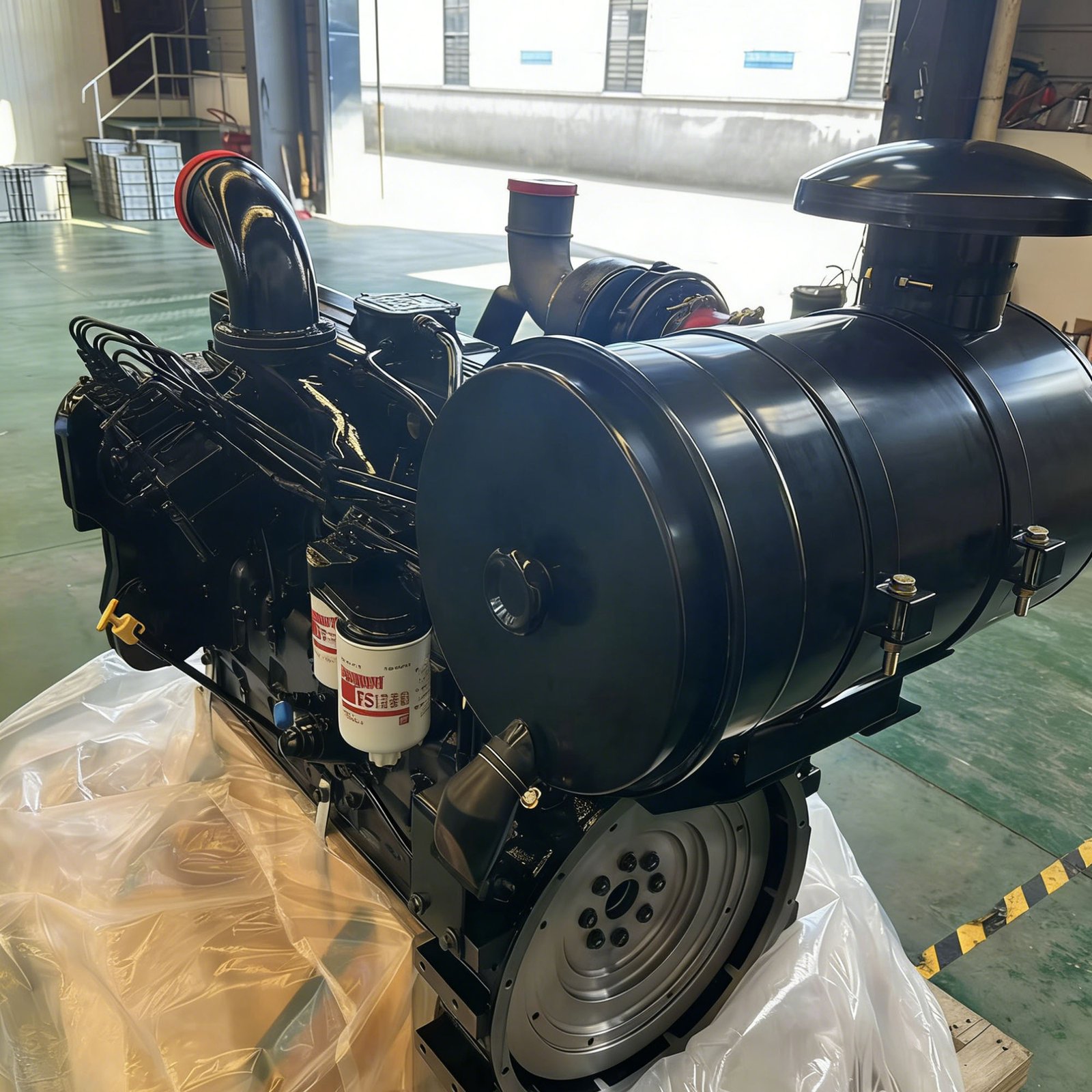
The Cummins engine serial number (ESN) is usually found on the engine dataplate, which may be attached to the rocker cover, gear housing, or another designated location depending on the engine family. If the plate is missing or unreadable, some engines also have a stamped serial number on the cylinder block. Record the ESN, complete engine model, and Control Parts List (CPL) whenever possible before ordering replacement parts.
These details matter because two Cummins engines with the same displacement can have different injectors, turbochargers, fuel pumps, cooling arrangements, and mounting components. Identifying the correct engine configuration is more reliable than matching parts by appearance alone.
Where Is the Cummins Engine Serial Number Located?
Cummins does not use one universal dataplate location across every engine family. The position depends on the model, production generation, and equipment installation.
Start by inspecting the engine’s upper and side surfaces. Look for a metal or durable identification plate containing the engine model and serial number.
Common locations include:
- Rocker cover: Check the top of the engine, where the identification plate may be attached to the cover.
- Gear housing: Inspect the front gear housing or its surrounding area where the plate is specified for that model.
- Cylinder block: Some engines have an additional stamped serial number on a designated machined surface.
- Other manufacturer-designated positions: Certain configurations use different plate locations, so consult the relevant engine manual if the usual areas are empty.
The exact location should be confirmed using the engine-specific Cummins documentation. Accessories, piping, and equipment enclosures can make the plate difficult to see.
Cummins Engine Serial Number Location by Engine Family
The following table provides a starting point for inspection. These are areas to check, not guaranteed locations for every version.
| Engine Family | First Places to Check | Identification Tip |
|---|---|---|
| 4BT / 6BT | Rocker cover, gear housing, designated block marking | Traditional mechanical configurations may have different plate arrangements |
| QSB4.5 | Engine dataplate and model-specific block marking | Consult the QSB4.5 identification section |
| QSB6.7 | Engine dataplate and designated block location | Check the complete model and emissions information |
| 6CTA8.3 | Engine dataplate and specified engine identification surfaces | Marine and industrial installations may differ |
| ISB6.7 | Dataplate and engine-specific identification location | Production generation and vehicle installation affect access |
| ISM11 | Dataplate and specified block marking | Confirm the engine model and rating through official records |
For example, Kangjin Power’s Cummins engine models guide covers several B Series and QSB families. It can help narrow down the engine family, but it should not replace the manufacturer’s instructions for locating the ESN.
How to Read the Cummins Engine Data Plate
Once you locate the plate, photograph it before attempting to clean or remove it. Make sure the numbers are legible and record every relevant field exactly as shown.
Four identifiers are particularly useful.
Engine Serial Number (ESN)
The ESN identifies the individual engine and is the primary reference for retrieving its manufacturer records. Cummins ESNs commonly contain eight digits, but always copy the number from the plate rather than assuming its format.
Engine Model
The model identifies the engine family and configuration. Examples include 6BT5.9, QSB4.5, QSB6.7, ISB6.7, and ISM11.
The model name alone may not distinguish every rating or production version.
Control Parts List (CPL)
The CPL identifies a particular engine component configuration. It helps technicians determine which parts and specifications apply to that engine build.
Rated Power and Speed
The plate may include rated horsepower or kilowatts and the corresponding engine speed in RPM. These figures help establish whether an engine is configured for a particular industrial or vehicle application.
A clear record should include the ESN, model, CPL if available, rated output, RPM, and emissions information shown on the plate.
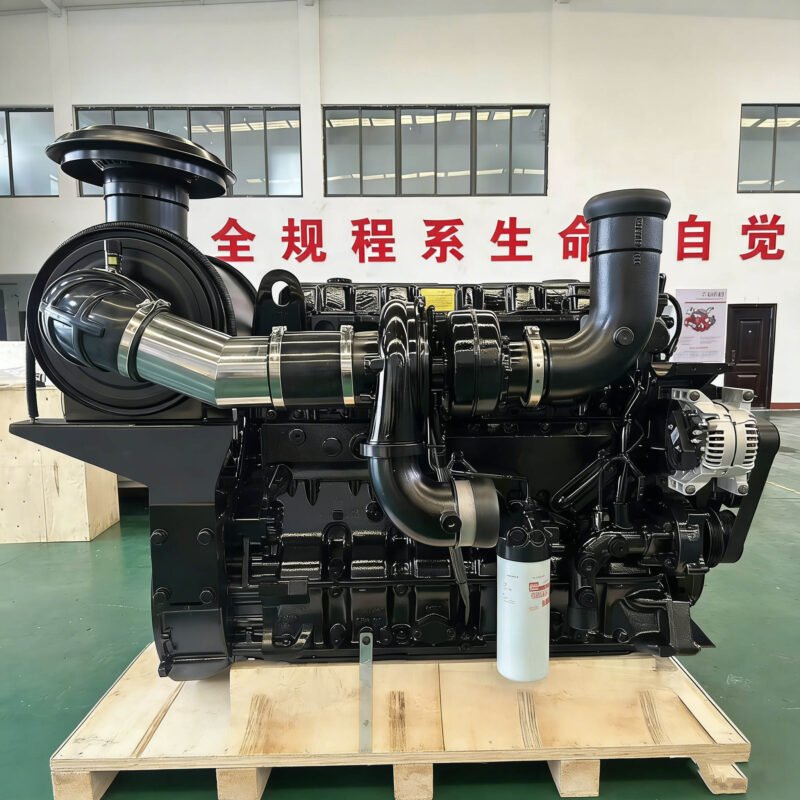
What If the Cummins Dataplate Is Missing?
A missing plate does not necessarily prevent identification. However, the next step should be based on the engine’s service documentation rather than visual guessing.
1. Check for a Stamped Engine Serial Number
Some Cummins engines have an ESN stamped on the cylinder block in addition to the dataplate.
The location varies by engine family. Consult the correct Cummins service manual to identify the designated surface.
Clean the area carefully and use adequate lighting. Do not grind, sand, or aggressively scrape the surface, as this can damage the characters.
2. Distinguish Serial Numbers from Casting Numbers
The block, cylinder head, and other components may have raised or stamped numbers.
These may be casting identifiers, component part numbers, or manufacturing codes rather than the engine serial number.
A casting number can help identify a component, but it does not necessarily identify the complete engine configuration.
3. Use Cummins Official Records
Visit Cummins QuickServe Online to access the available engine identification, parts, and service information.
If the ESN is available, use it to retrieve the associated records. If neither the plate nor the block marking is readable, contact a Cummins service representative with clear photographs and all legible markings.
Do not order an engine or expensive replacement components solely on the basis of an uncertain serial number.
Why the ESN Matters When Ordering Cummins Parts
The ESN connects the physical engine to its manufacturer records. This is particularly important when an engine family contains several generations or application-specific configurations.
Consider the differences between a traditional 6BT5.9 and an electronically controlled QSB6.7. Although both belong to the broader Cummins B Series family, their displacement, fuel systems, electronic controls, and component requirements differ.
Even within one family, parts can vary by rating, CPL, production year, and emissions configuration.
For example, Kangjin Power lists multiple configurations on its Cummins QSB6.7 diesel engine page. The product family is a useful starting point, but the exact model and engine records should be checked before confirming a replacement component.
The same applies to the Cummins QSB4.5 diesel engine, which has its own model-specific ratings and parts requirements.
Information to Confirm Before Ordering
| Information | Why It Matters |
|---|---|
| ESN | Identifies the individual engine |
| Complete model designation | Narrows down the engine family and configuration |
| CPL | Helps identify the original component arrangement |
| Rated power and RPM | Confirms the engine’s intended output |
| Emissions generation | Affects fuel, exhaust, and aftertreatment components |
| Existing part number | Helps verify the replacement component |
| Equipment application | Identifies installation and operating requirements |
For engine replacement, also check the flywheel housing, mounting positions, cooling connections, exhaust routing, and electronic interfaces. A replacement engine with the same displacement may still require substantial modifications.
Practical Tips for Finding a Hard-to-Read ESN
If the identification plate is dirty, corroded, or difficult to access, use a careful inspection process.
- Switch off the engine and isolate it according to the equipment manufacturer’s safety procedures.
- Allow hot components to cool before inspection.
- Use a flashlight and take photographs from several angles.
- Clean the plate gently without damaging its surface or printed characters.
- Record uncertain characters separately rather than guessing.
- Compare the markings with the appropriate engine manual.
- Verify the identification through Cummins service records before ordering parts.
If the engine is installed in a tightly enclosed machine, avoid removing major components solely to reach the plate unless the service procedure requires it.
A technician familiar with the engine family may be able to locate the identification marking more safely and efficiently.
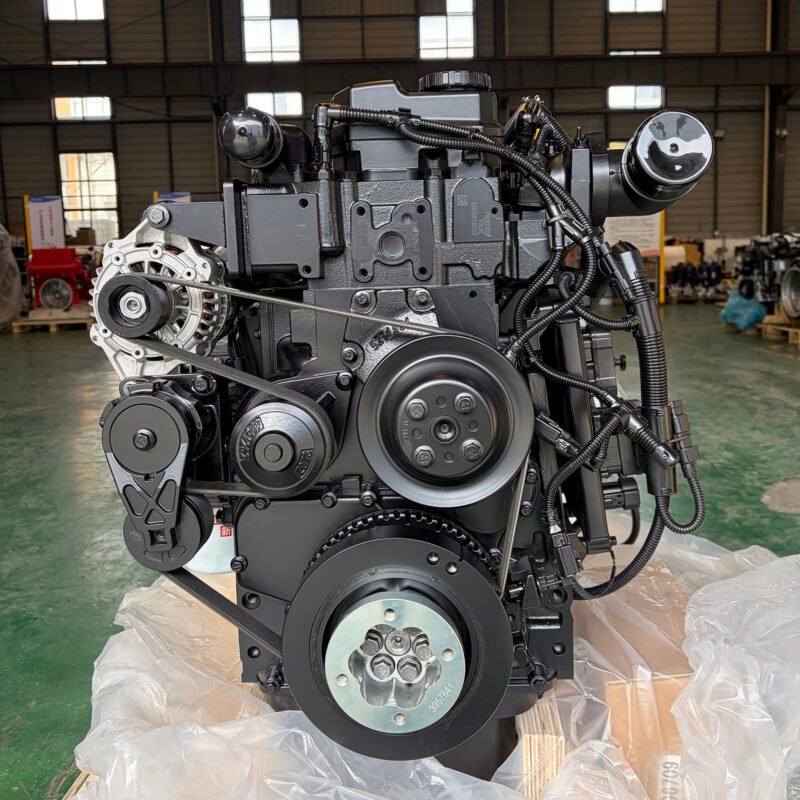
Frequently Asked Questions
How many digits are in a Cummins engine serial number?
Cummins ESNs commonly contain eight digits. Record the number exactly as shown on the identification plate and verify it through official Cummins records.
Can I find a Cummins engine serial number without the dataplate?
Sometimes. Certain engines have a stamped ESN on the cylinder block. The location depends on the engine family, so consult the corresponding service manual.
Is the Cummins CPL the same as the ESN?
No. The ESN identifies the individual engine, while the CPL identifies a particular component configuration. Both can be useful when confirming engine specifications and parts compatibility.
Can I identify a Cummins engine by displacement alone?
Displacement can help narrow down the engine family, but it cannot reliably establish the exact model, rating, fuel system, or emissions configuration.
What should I do if the serial number is damaged?
Record all legible characters, photograph the identification area, and consult Cummins service support if necessary. Avoid guessing missing digits before ordering replacement parts.
Does every Cummins engine have the same dataplate location?
No. The location varies by engine family, production generation, and installation. Use the model-specific identification instructions rather than relying on a universal location chart.
Summary
Finding the Cummins engine serial number starts with the dataplate, but the correct identification process does not end there. The ESN, complete model designation, CPL, rated output, and emissions information help establish which configuration is installed.
If the plate is missing, consult the appropriate manual for the stamped block serial number and verify the result through Cummins’ official records. This reduces the risk of ordering parts that look correct but do not match the engine.
For replacement engines and major components, confirm the engine’s complete configuration and physical interfaces before finalizing the order.

