
Best Diesel Engine for Mining Equipment: Technical Selection Guide

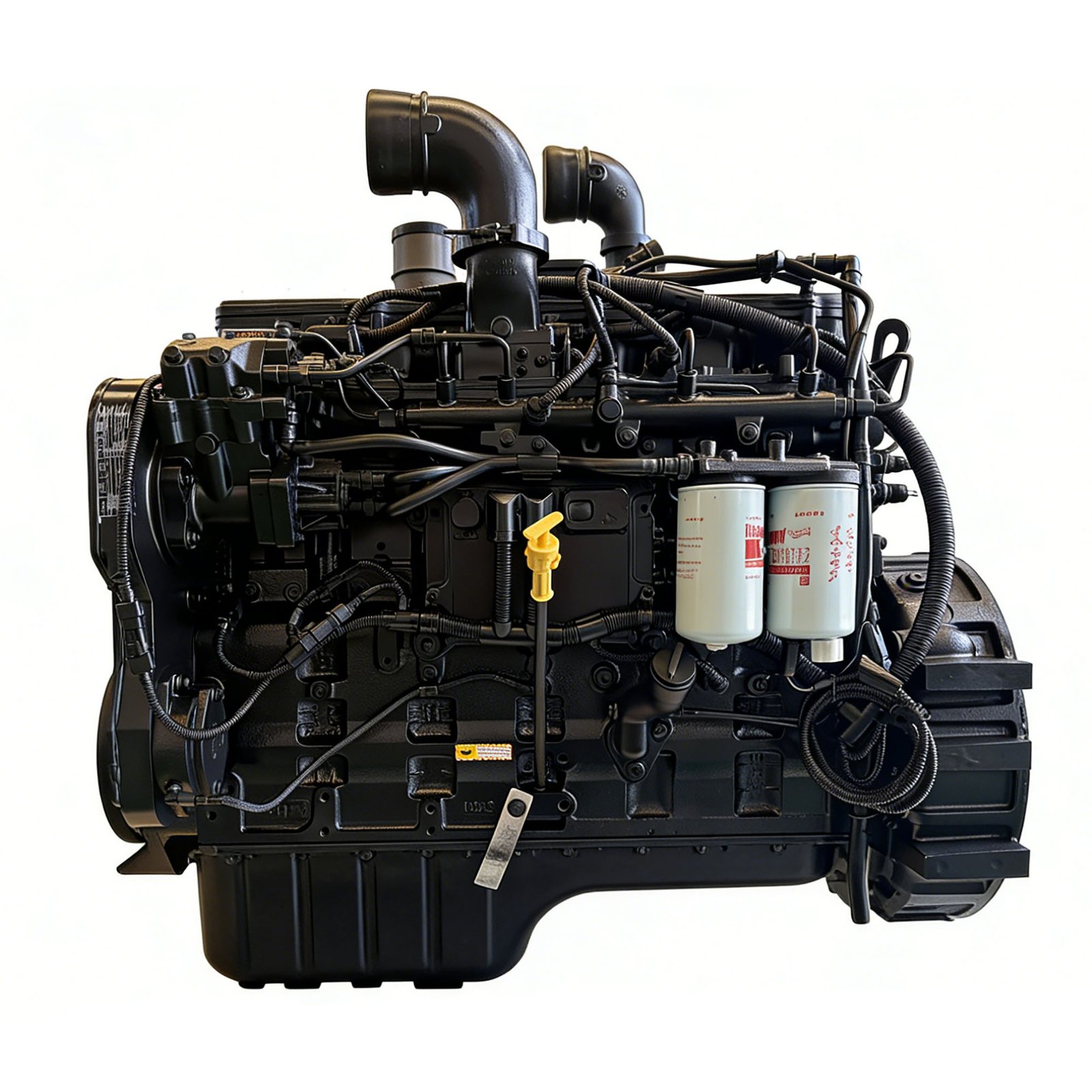
In the heavy machinery sector, “downtime” is the most expensive word an engineer knows. This is especially true in mining, where machines run 24/7 in dusty, hot, and high-altitude places. In these conditions, the engine is the most critical part. If it fails, a multi-million dollar production line stops immediately.
Therefore, selecting the best diesel engine for mining equipment is about more than just horsepower. You must also manage heat levels and ensure you can find spare parts easily.
Furthermore, surface and underground mining have very different mechanical needs. For example, a surface excavator needs high power to dig through heavy rock. However, an underground loader must have cool exhaust and clean filters to keep the air safe. Because of this, procurement managers should focus on the Total Cost of Ownership (TCO). The goal is to choose an engine that lasts longer before needing a major rebuild.
Engineering Priorities: Why Standard Engines Fail in Mining
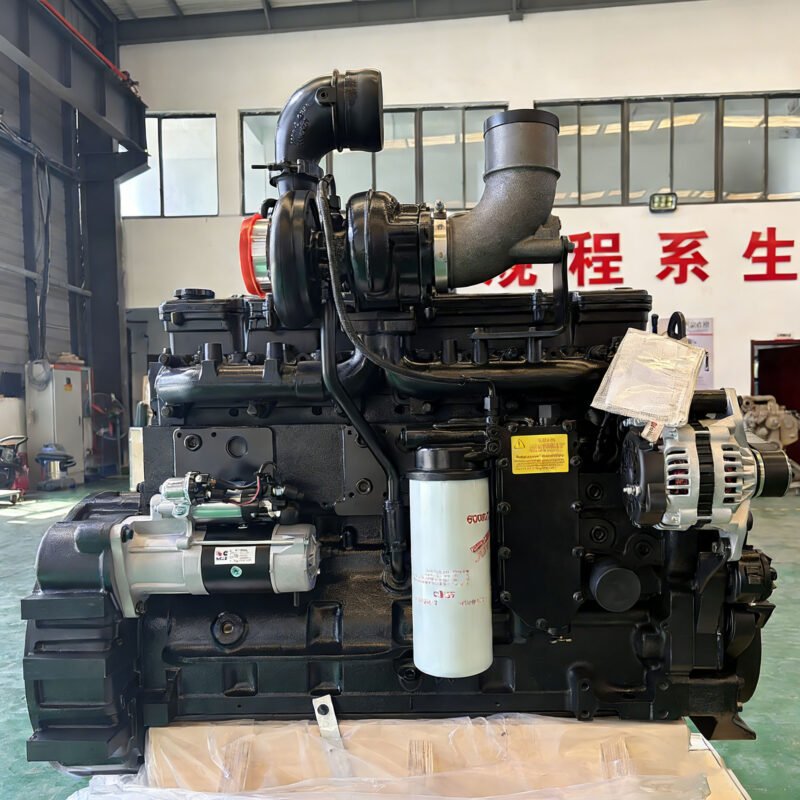
Standard industrial engines often succumb to the “mining environment” within months. The primary culprits are silica dust intrusion and high-sulfur fuel. Mining-grade diesel engines are distinguished by several specific engineering adaptations that ensure longevity in these brutal conditions.
- Multi-Stage Filtration: High-efficiency air intake systems must feature pre-cleaners to remove 90% of heavy dust before it reaches the primary filter.
- Heavy-Duty Casting: Engines like the 6LTAA or NTA855 utilize deep-skirted, high-strength cast iron blocks to withstand the constant vibration of rock drilling and hauling.
- Thermal Management: Oversized oil coolers and water-cooled manifolds are essential. In deep-pit mining, ambient temperatures can exceed 45°C, requiring the engine to maintain a narrow operating window under 100% load.
Furthermore, torque rise is more critical than peak horsepower. A mining engine needs to provide “lugability”—the ability to maintain high torque as RPM drops during a steep climb with a 40-ton load. If the engine lacks sufficient torque backup, the transmission will hunt for gears, causing heat buildup and premature drivetrain failure.
Comparing Top Engine Series for Mining Applications
When sourcing powerplants for OEM machinery or fleet repowering, certain engine architectures have become industry benchmarks. These series are favored because of their rebuildability and the global availability of high-quality components.
| Engine Series | Typical Displacement | Application Suitability | Key Advantage |
| Cummins B Series (6BT/6BTA) | 5.9L | Mid-size loaders, pumps | Exceptional power-to-weight ratio; purely mechanical options available. |
| Cummins C Series (6CTA8.3) | 8.3L | Articulated dump trucks | Robust wet-sleeve design allows for easy in-frame overhauls. |
| Cummins L Series (6LTAA8.9) | 8.9L | Heavy excavators, drills | High torque density and advanced electronic control for fuel efficiency. |
| Cummins N Series (NTA855) | 14L | Dozers, large haul trucks | Legendary durability; designed for multiple life-cycle rebuilds. |
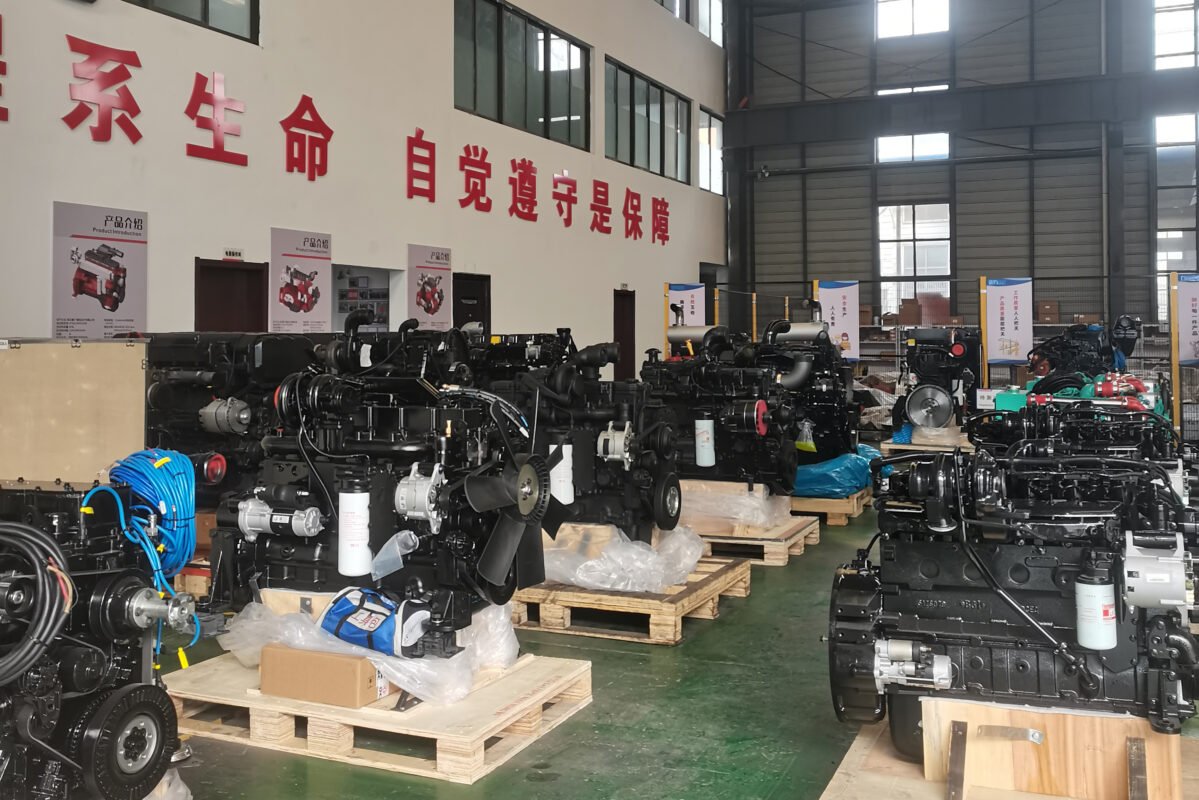
The Cummins-based architecture, particularly the 6LTAA8.9 and NTA855, remains a dominant choice for international mining projects. Manufacturers like Xiangyang Kangjin Power Technology specialize in providing these exact specifications, ensuring that the engines meet the rigorous requirements of mining OEMs. Their product range covers everything from the 4B series for auxiliary equipment to the massive K series for primary production tools.
Surface vs. Underground: The Emission Constraint
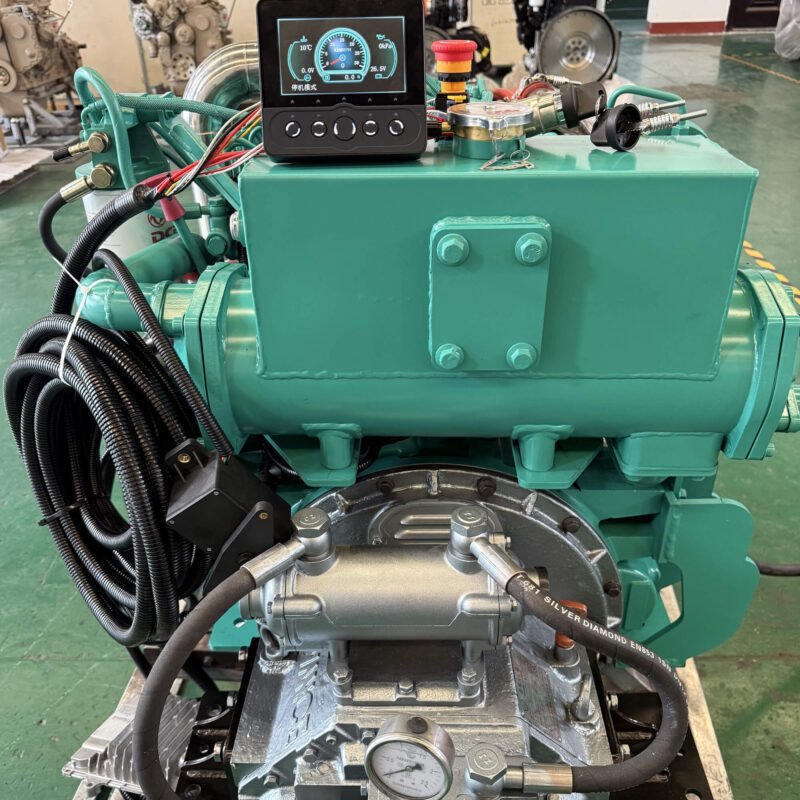
The “best” engine is legally defined by where it operates. For surface mining, the focus is on EPA Tier 4 Final or EU Stage V compliance. These engines utilize Selective Catalytic Reduction (SCR) and Diesel Particulate Filters (DPF). While cleaner, they require complex maintenance and high-quality Diesel Exhaust Fluid (DEF).
In underground mining, the constraints shift to MSHA (Mine Safety and Health Administration) or equivalent certifications. Underground engines often prioritize:
- Low Heat Rejection: To prevent the mine’s ventilation system from being overwhelmed.
- Exhaust Flame Arrestors: Mandatory in “gassy” mines where methane is a risk.
- Particulate Reduction: Utilizing specialized oxidation catalysts to keep carbon monoxide levels within breathable limits.
For remote mining sites in developing regions, many operators still prefer “Tier 2” or mechanical engines like the 6BTA5.9. These engines are less sensitive to low-quality fuel and can be repaired by field technicians without expensive electronic diagnostic tools.
The Commercial Logic of Repowering and OEM Sourcing
For B2B procurement, the decision to buy a new engine often hinges on the “Repower vs. Replace” analysis. A new mining excavator might cost $500,000, while a complete engine repower with a high-performance unit like the 6CTA8.3 or 6LTAA8.9 costs a fraction of that amount.
When evaluating a supplier like Kangjin Power, engineers look for manufacturing consistency. A reliable supplier provides:
- Exact Fitment: Ensuring that the SAE housing, flywheel, and mounting points match existing machinery.
- Performance Certification: Providing dynamometer test reports that prove the engine hits its rated torque curve.
- Component Integrity: Using forged steel crankshafts and premium alloy valves rather than cast equivalents found in “budget” engines.
The procurement workflow should always begin with a technical audit of the current machinery’s hydraulic requirements. Since most mining tools are hydraulic-driven, the engine’s Power Take-Off (PTO) capability is paramount. An undersized PTO drive on a replacement engine will lead to hydraulic cavitation and sluggish machine response.
TCO Factors: Fuel, Fluids, and Filters
Beyond the purchase price, the best diesel engine for mining equipment is the one that burns the least fuel per ton of material moved. In a 24-hour operation, a 5% improvement in fuel efficiency can save $20,000 to $50,000 per year per machine.
Modern electronic engines utilize High-Pressure Common Rail (HPCR) fuel systems. These systems provide multiple injection events per cycle, optimizing combustion and reducing “clatter.” However, they require absolute fuel cleanliness. For mining sites, this means investing in high-quality water separators and secondary fuel filters to protect the precision injectors.
FAQ
What is the best diesel engine for a 20-ton mining excavator?
The Cummins 6LTAA8.9 is widely considered the industry standard for this class. It provides approximately 325 HP and high torque at low RPM, which is essential for heavy digging cycles.
How do I choose between a mechanical and an electronic engine for mining?
Choose mechanical engines (like the 6BT or 6CT) for remote sites with limited technical support and variable fuel quality. Choose electronic engines (like the QSB or QSL series) for projects requiring strict emissions compliance and data-driven fleet management.
What is the typical lead time for an OEM mining engine?
Lead times vary by customization level, but standard configurations for series like the NTA855 or 6LTAA generally range from 4 to 8 weeks when sourced from specialist manufacturers.
Can I use a standard truck engine in mining equipment?
No. Truck engines are designed for high-speed, varying-load highway use. Mining engines are “industrial-rated,” designed for continuous high-load cycles with different oil pan angles to handle steep slopes without losing oil pressure.
What is the average overhaul interval for a mining diesel engine?
A well-maintained mining engine should achieve 12,000 to 18,000 operating hours before a major overhaul. This depends heavily on air filter maintenance and oil analysis frequency.
Reference Sources
- ISO 8178: Standard for exhaust emission measurement for non-road internal combustion engines.
- MSHA Title 30 CFR: Regulations for diesel-powered equipment in underground mines.
- Cummins Industrial Engine Specifications: Technical documentation for B, C, L, and N series platforms.
- SAE J1995: Standard for engine power ratings (Gross Brake Power).
- SGS/TUV Certification: For manufacturing quality and tolerance verification in diesel assembly.

