
Construction Equipment Diesel Engine Price Guide (2026)

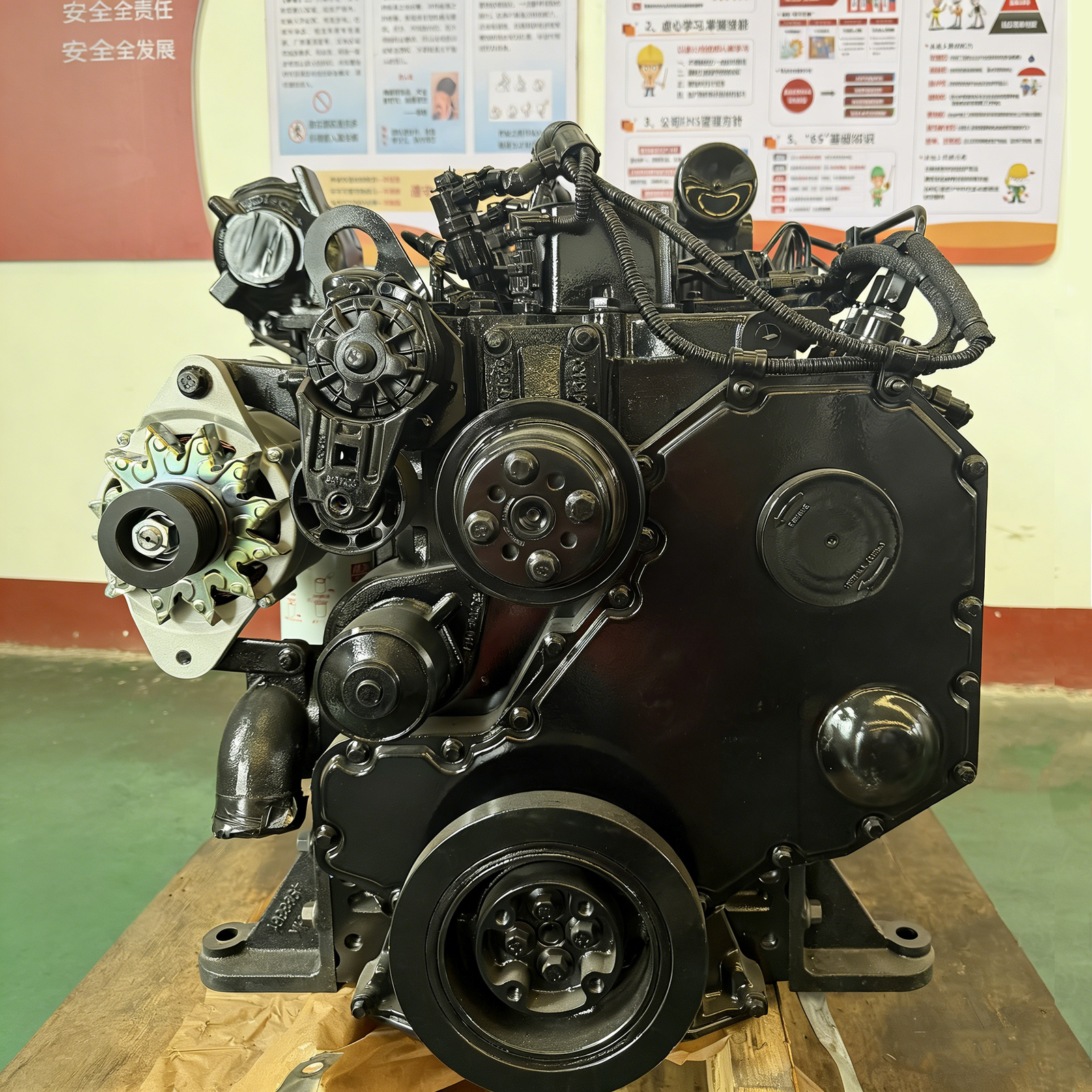
Evaluating the true cost of industrial power requires more than looking at the initial purchase order. For project managers and OEM buyers, understanding powertrain cost drivers is essential for long-term profitability. The construction equipment diesel engine price fluctuates based on emission standards, electronic integration, and displacement capacity.
In large-volume production, even minor specification adjustments drastically impact unit economics and lead times. This guide breaks down realistic manufacturing considerations when selecting diesel powerplants for heavy machinery. We will explore technical cost variations, compliance requirements, and practical procurement strategies.
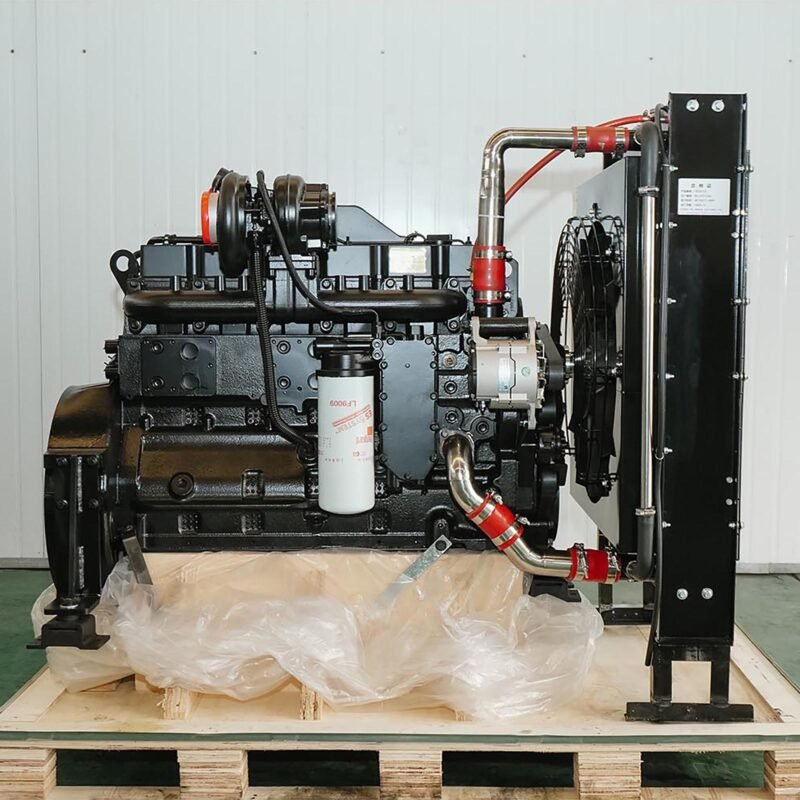
What Drives the Construction Equipment Diesel Engine Price?
Engine pricing is directly correlated with technical complexity and regulatory compliance. Mechanical engines with simpler fuel delivery systems generally carry lower upfront costs. However, modern construction applications often demand advanced electronic controls.
- Emissions Standards: Engines compliant with strict emission tiers require complex aftertreatment systems. Diesel Particulate Filters and Selective Catalytic Reduction modules significantly increase the baseline manufacturing costs.
- Power Density: Higher horsepower requires reinforced engine blocks and forged internal components. This directly impacts raw material costs and overall equipment weight.
- Fuel Delivery: High-pressure common rail systems improve fuel efficiency immensely. However, these precision components cost substantially more than traditional rotary injection pumps.
Understanding these technical tradeoffs prevents costly over-specification during the engineering phase.
Cost Analysis by Heavy Machinery Application Scenarios
Different heavy machines have distinct load profiles that dictate engine selection. For outdoor applications, engines must consistently handle prolonged high-torque loads. The application strictly determines the necessary structural rigidity and cooling capacity.
- Excavators: These machines require rapid transient response to handle sudden hydraulic loads. This necessitates sophisticated Engine Control Units, increasing the base price.
- Wheel Loaders: These demand high low-end torque for breakout force in mining environments. Engines with larger displacements are preferred, driving up material costs.
- Stationary Pumps: These systems often utilize mechanical engines running at constant RPMs. These simplified configurations reduce the overall powertrain system cost.
A direct comparison of these requirements helps procurement teams align specifications with operational reality.
| Machinery Type | Load Profile | Critical Engine Requirement | Relative Price Impact |
| Excavators | Variable, transient | Advanced ECU, fast response | High |
| Wheel Loaders | Heavy, continuous | High low-end torque, large displacement | Medium-High |
| Stationary Pumps | Constant speed | Mechanical governor, basic cooling | Low |
Analyzing Core Components and Material Cost Drivers
The internal architecture of an industrial diesel engine dictates its manufacturing expense. Cast iron alloy engine blocks offer superior durability for heavy construction but increase freight costs. Manufacturers must balance weight reduction with the structural integrity required for high compression ratios.
- Cylinder Heads: Multi-valve cylinder heads improve airflow and combustion efficiency. The intricate casting processes required for these components add to the production baseline cost.
- Piston Design: Forged steel pistons withstand higher combustion pressures than cast aluminum alternatives. This durability upgrade is essential for mining but raises the unit price.
- Cooling Systems: High-capacity water pumps and enhanced oil coolers are critical for continuous operation. Upgrading thermal management components prevents premature engine failure in harsh environments.
Procurement teams must weigh these component upgrades against the machinery’s intended operational lifespan.
Evaluating Supplier Quality Systems and Production Capacity
Selecting the right manufacturing partner is as critical as choosing the engine specifications. A supplier’s quality control systems directly impact the reliability of the delivered engines. Buyers should always verify the factory’s adherence to international manufacturing standards.
Advanced dynamometer testing ensures every engine meets its advertised torque and horsepower ratings. Suppliers performing rigorous end-of-line testing reduce the risk of field failures for OEM builders. You should inquire about these testing protocols during the initial supplier vetting process.
A supplier’s inventory management and production capacity dictate their ability to scale. Consistent access to spare parts minimizes costly downtime for the end user. Establishing a long-term relationship with a capable supplier secures a reliable supply chain.
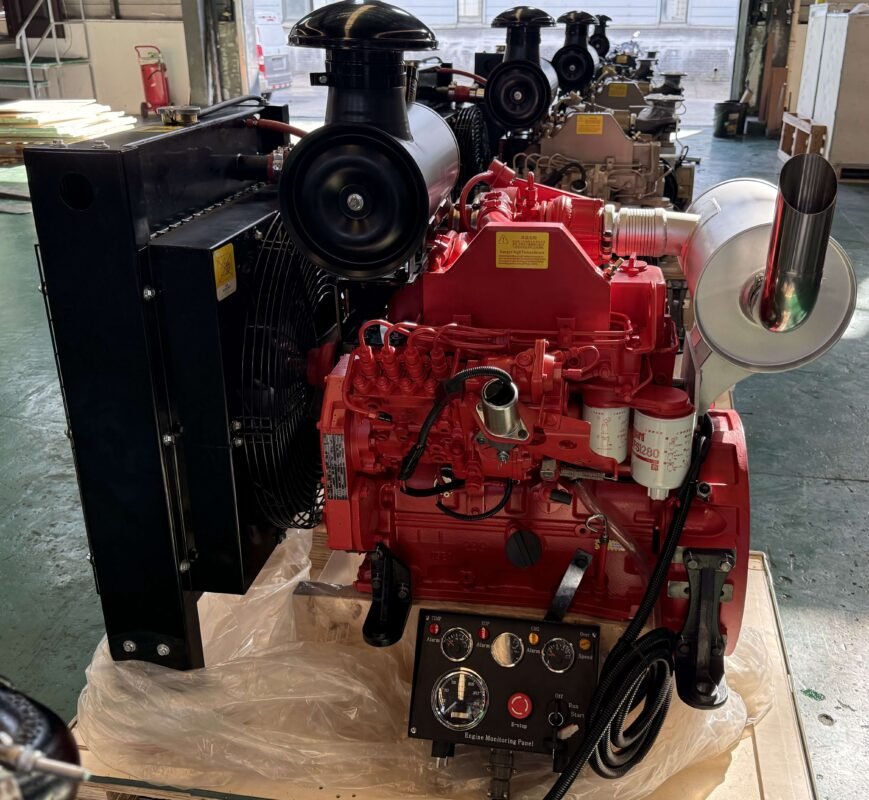
OEM Customization Capability for Construction Equipment Engines
When sourcing construction machinery diesel engines, OEM buyers should evaluate whether suppliers can support:
- Flywheel housing customization
- Cooling system modifications
- ECU calibration
- Wiring harness adaptation
- Hydraulic power matching
Manufacturers such as Kangjin Power provide OEM/ODM engine customization solutions for construction equipment applications, helping machinery manufacturers integrate reliable power systems into different equipment platforms.
Maintenance Cycles and Long-Term Operational Expenses
The frequency of scheduled maintenance heavily influences the total operational budget. Engines designed with easily accessible oil filters and fuel separators reduce mechanic labor hours. Automotive environments typically require less rugged filtration than heavy dusty construction sites.
Investing in premium filtration systems upfront minimizes internal wear on critical engine components. This proactive strategy extends the interval between major engine overhauls. Buyers should analyze the cost of proprietary replacement parts versus standardized aftermarket alternatives.
Warranties also play a pivotal role in mitigating long-term financial risks. A comprehensive manufacturer warranty offsets potential expenses related to early component failure. Ensure the warranty terms clearly define coverage for emission control devices and fuel injectors.
How to Evaluate Powertrain Lifecycle Costs and RFQ Workflows
Procurement should not stop at the upfront construction equipment diesel engine price. Total Cost of Ownership dictates the real financial impact of the selected powertrain. Fuel consumption rates and scheduled maintenance intervals often dwarf the initial acquisition cost.
When initiating an RFQ, buyers must request specific fuel consumption maps and maintenance schedules. Sampling delays may occur when specialized cooling packs are requested for pilot testing. Clear communication ensures accurate cost projections.
- Specify Operational Environment: Detail the altitude, ambient temperatures, and dust levels expected during operation.
- Define Compliance Needs: State the exact emissions tier required for your target destination market.
- Confirm Customization Limits: Clarify acceptable modifications for wiring harnesses and physical mounting points.
- Request Certification Proof: Ensure the engine carries necessary performance validations like ISO 3046.
Strict RFQ workflows ensure you receive accurate pricing based on real-world manufacturing constraints.
Frequently Asked Questions
How does MOQ affect the pricing of custom diesel engines?
Smaller orders often incur engineering surcharges for custom flywheel housings or complex wiring harnesses. High-volume orders amortize these tooling costs, significantly lowering the per-unit price. Discuss minimum order quantities early in your negotiation phase.
What are the standard lead times for industrial diesel engines?
Standard mechanical configurations may ship within four to six weeks. Highly customized OEM units can require twelve to sixteen weeks depending on engine block availability. Always factor these manufacturing timelines into your project planning.
Can suppliers provide emissions compliance documentation for global markets?
Reputable manufacturers provide EPA, EU Stage, or local equivalent certifications upon request. Always request this documentation during the initial RFQ stage. Proper certification prevents costly import delays and legal compliance issues.
What payment terms are standard for international engine procurement?
Most manufacturers require a standard telegraphic transfer deposit before initiating custom production runs. The remaining balance is typically settled upon the completion of factory testing. Letters of credit may be utilized for exceptionally large wholesale machinery orders.
Reference Sources
- ISO 3046-1:2002 – Reciprocating internal combustion engines — Performance.
- Environmental Protection Agency (EPA) – Nonroad Diesel Engine Emission Standards.
- Association of Equipment Manufacturers (AEM) – Technical guidelines on powertrain integration and safety compliance.

