
Diesel Engine for Excavator: Guide to Types and Pricing Factors

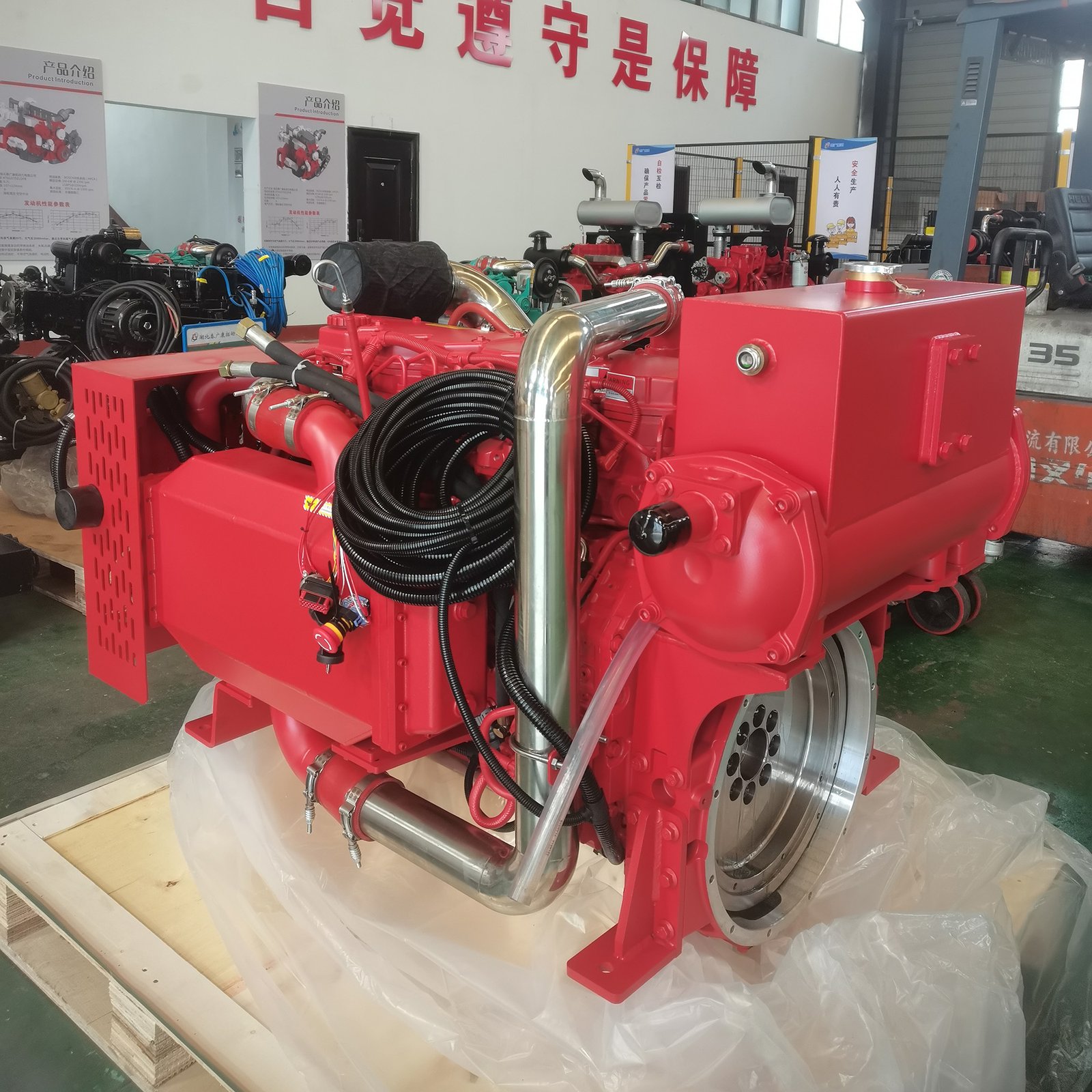
The diesel engine for an excavator is far more than a simple power source; it is the primary driver of the hydraulic system’s volumetric efficiency. For fleet managers and OEM project leads, selecting a replacement engine or choosing a powertrain for a new machine requires a deep understanding of duty cycles, torque rise, and emission compliance.
In the construction sector, the “price” of an engine is rarely just the initial invoice amount. It encompasses the Total Cost of Ownership (TCO), including fuel consumption rates, maintenance intervals, and the availability of specialized components like turbochargers and high-pressure fuel injectors.
Categorizing Diesel Engines by Excavator Tonnage and Duty Cycle
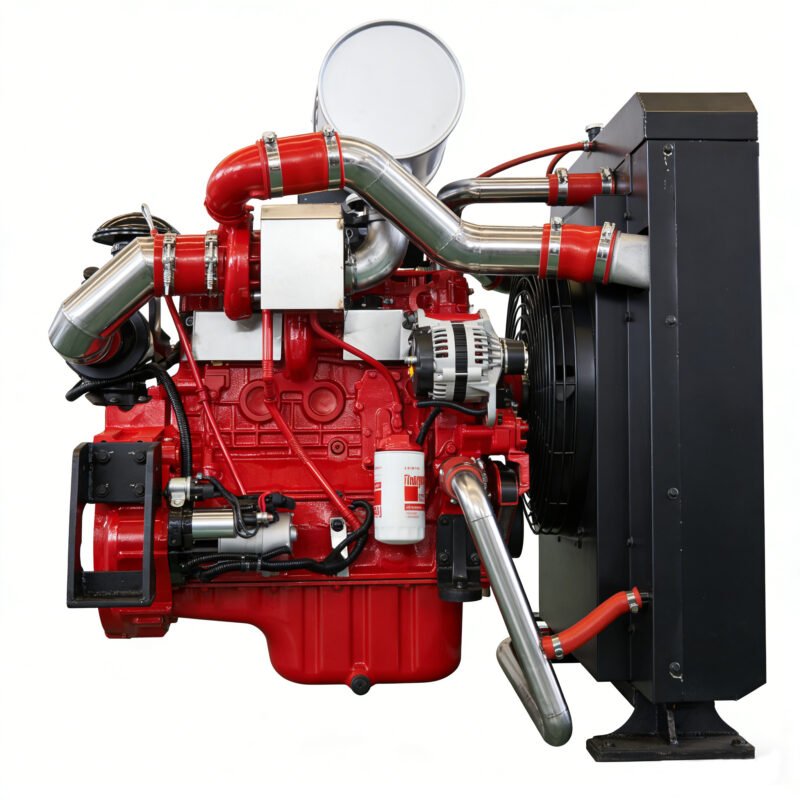
Excavator diesel engines are typically classified by their displacement and cylinder configuration, which dictates their suitability for specific weight classes of machinery.
- Compact/Mini Excavator Engines (1-6 Tons): These usually feature 3 or 4-cylinder naturally aspirated or lightly turbocharged engines. They prioritize fuel economy and low vibration. Common displacements range from 1.1L to 2.4L.
- Medium Excavator Engines (7-20 Tons): The industry standard here is the 4-cylinder turbocharged engine with intercooling. These engines focus on a “flat” torque curve to provide consistent hydraulic flow during heavy digging.
- Large/Heavy Excavator Engines (21-50+ Tons): These are almost exclusively 6-cylinder, heavy-duty engines with displacements exceeding 6.0L. They utilize advanced Electronic Control Units (ECUs) to synchronize engine output with hydraulic pump demand.
When evaluating a diesel engine for excavator applications, the distinction between a mechanical fuel system and a High-Pressure Common Rail (HPCR) system is critical. Mechanical systems are often preferred in regions with lower fuel quality due to their robustness, while HPCR systems are essential for meeting stringent Tier 4 or Stage V emission standards.
Key Performance Metrics: Beyond Horsepower
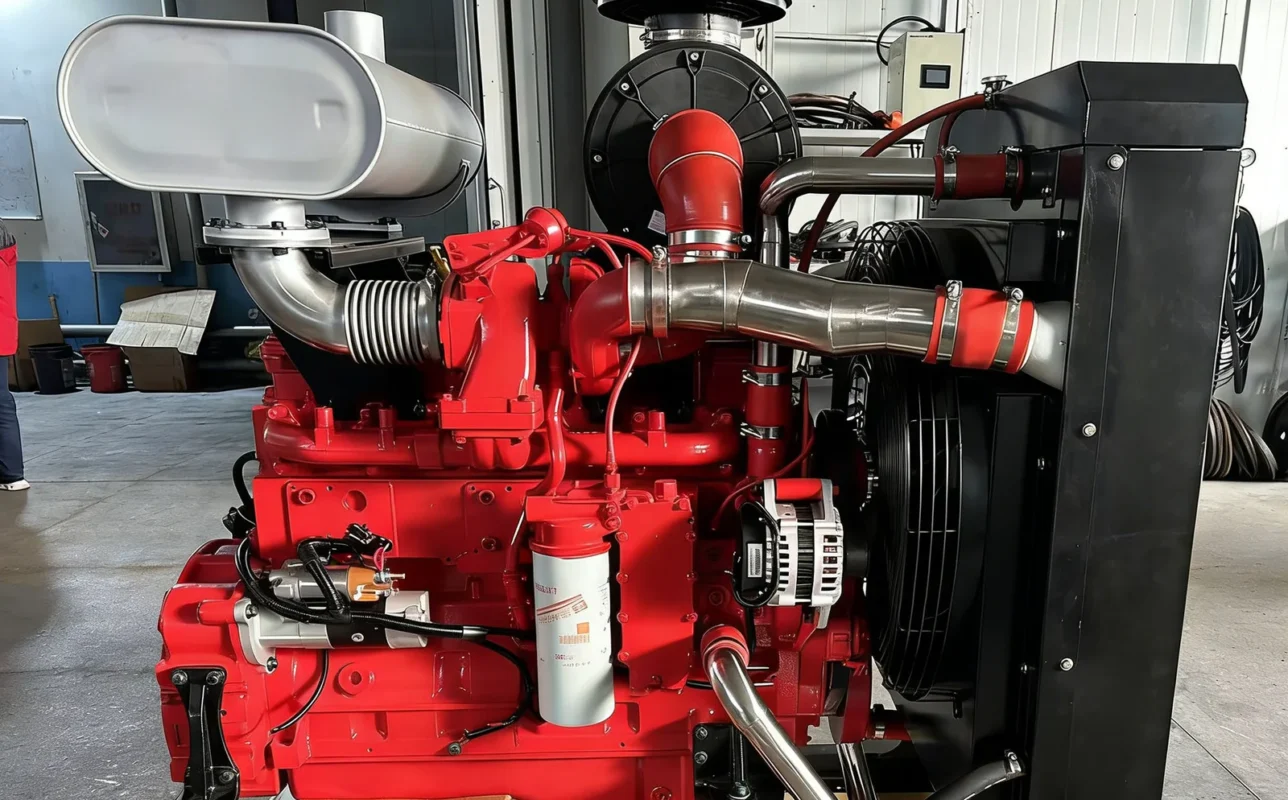
Engineers often look past the “Gross Horsepower” figure to understand how an engine will actually perform under load.
1. Peak Torque and Torque Rise
An excavator engine spends most of its life under high-load, low-RPM conditions. A high torque rise percentage allows the engine to “lug” through tough clay or rock without stalling the hydraulic pumps.
2. Displacement and Aspiration
A larger displacement naturally aspirated engine may offer longer service life in harsh environments, but a smaller displacement turbocharged engine (with a wastegate or variable geometry turbo) provides better altitude performance and faster response times.
3. Cooling System Integration
Excavators operate in static or low-airflow environments. The engine must be compatible with oversized radiators and oil coolers. Reliable engines feature high-capacity water pumps and integrated oil cooling galleries within the piston crowns.
Pricing Drivers for Excavator Diesel Engines
The market price for a diesel engine for an excavator can range from $3,500 for a compact remanufactured unit to over $30,000 for a new, high-performance 6-cylinder engine. Several variables dictate this cost:
- Emission Tier Ratings: Engines compliant with US Tier 4 Final or EU Stage V are significantly more expensive due to complex aftertreatment systems like DPF (Diesel Particulate Filter) and SCR (Selective Catalytic Reduction).
- Brand and Provenance: Engines from Tier-1 manufacturers (e.g., Cummins, Isuzu, Deutz) command a premium due to their global service networks and documented MTBF (Mean Time Between Failure).
- New vs. Remanufactured: A factory-new engine offers the highest reliability, but high-quality remanufactured units can save 30-50% in costs while providing similar warranties.
- Level of Integration: A “Long Block” (no fuel system or turbo) is cheaper than a “Power Unit” or “Complete Engine” which includes all peripherals and is ready for immediate installation.
Comparison of Popular Excavator Engine Configurations
| Feature | 4-Cylinder Turbocharged | 6-Cylinder Heavy Duty |
| Typical Excavator Size | 13 – 15 Tons | 20 – 45 Tons |
| Common Displacement | 3.3L – 4.5L | 6.7L – 12.0L |
| Fuel System | Common Rail / Mechanical | High-Pressure Common Rail |
| Price Range (New) | $6,000 – $12,000 | $15,000 – $35,000 |
| Primary Advantage | Fuel Efficiency | High Breakout Force |
Strategic Sourcing and Technical Selection
Procuring a diesel engine for an excavator requires a partner that understands the nuances of construction machinery. It is not enough to match the bolt pattern of the flywheel housing; the engine must match the hydraulic pump’s power curve to prevent “hunting” or excessive fuel burn.
Providers likeKangjin Powerspecialize in this technical alignment. Their inventory typically focuses on brands recognized for durability in the field, such as Cummins and Deutz, offering solutions tailored for both the aftermarket replacement and the OEM integration sectors.
For international buyers, it is crucial to verify that the manufacturer provides a full dyno-test report and a clear warranty policy on major components like the crankshaft and engine block. In high-volume procurement, look for suppliers who can provide customized cooling packages or modified oil pans to fit specific machine chassis constraints.
FAQ
Q: Can I replace a Tier 2 engine with a Tier 4 engine in an older excavator?
A: Technically yes, but it is complex. A Tier 4 engine requires additional space for aftertreatment (SCR/DPF) and an updated wiring harness for the ECU. It is often more cost-effective to replace like-for-like or consult with a manufacturing advisor on “repowering” feasibility.
Q: What is the typical lead time for a complete excavator engine?
A: For standard models (e.g., 4BT or 6BT series), lead times are usually 7–14 days. Custom-configured engines for specific OEM applications may take 4–8 weeks depending on component availability and testing requirements.
Q: How does fuel quality affect engine pricing?
A: Engines designed for high-sulfur fuel (Tier 2/Tier 3) are often simpler and cheaper. However, engines sold into Tier 4 markets must use Ultra-Low Sulfur Diesel (ULSD). Using the wrong fuel in a high-priced Tier 4 engine will result in immediate and expensive damage to the fuel injectors and aftertreatment system.
Q: What is the difference between a “Short Block” and a “Complete Engine”?
A: A Short Block includes the engine block, crankshaft, connecting rods, and pistons. A Complete Engine includes the cylinder head, fuel system, water pump, and usually the turbocharger. For rapid excavator repair, a Complete Engine is the standard choice to minimize downtime.
Q: Does Kangjin Power offer warranties for construction machinery engines?
A: Yes, reputable suppliers in this category generally offer a 6 to 12-month warranty on complete engines, provided they are installed by certified technicians and maintained according to the specified service intervals.
Reference Sources
- ISO 8178: International standard for exhaust emission measurement for non-road internal combustion engines.Reference
- DieselNet: Technical information on emission standards and engine technologies.Reference
- Association of Equipment Manufacturers (AEM): Industry reports on construction machinery trends and powertrain evolution.Reference
- SGS Industrial Services: Verification and testing standards for heavy-duty diesel engines.Reference

