
Diesel Engine Price Guide: Technical Drivers & Market Costs

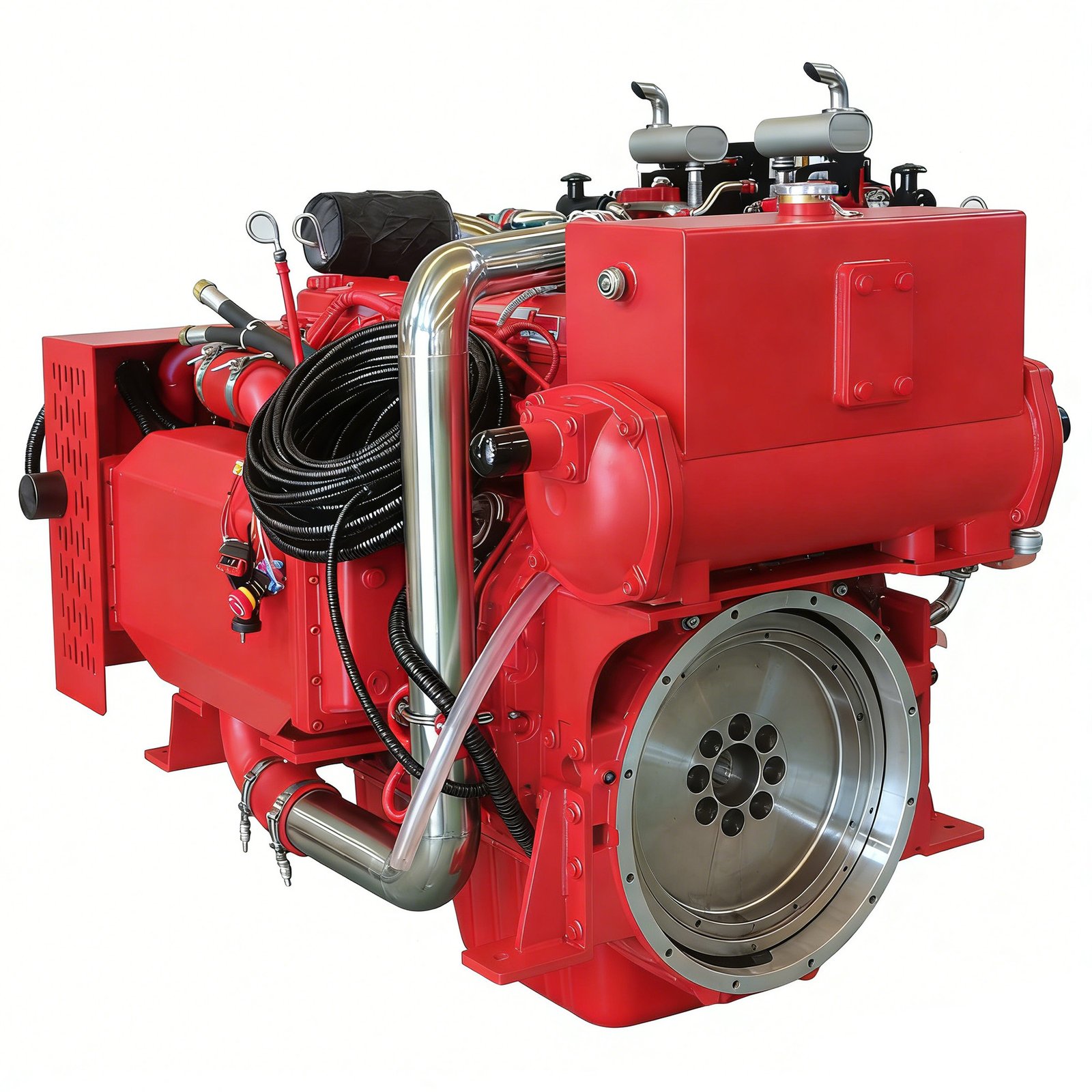
Navigating the current market for diesel engines requires a balance between initial capital expenditure and long-term operational efficiency. Whether you are sourcing for a commercial fleet, repowering industrial equipment, or managing an OEM production line, the “sticker price” is only the starting point.
Technically, a diesel engine price can range from $3,000 for light-duty, small-displacement units to over $50,000 for heavy-duty, high-horsepower industrial engines. For most commercial automotive applications, such as those found in medium-duty trucks or specialized machinery, buyers typically see quotes between $5,000 and $15,000 for new, complete assemblies.
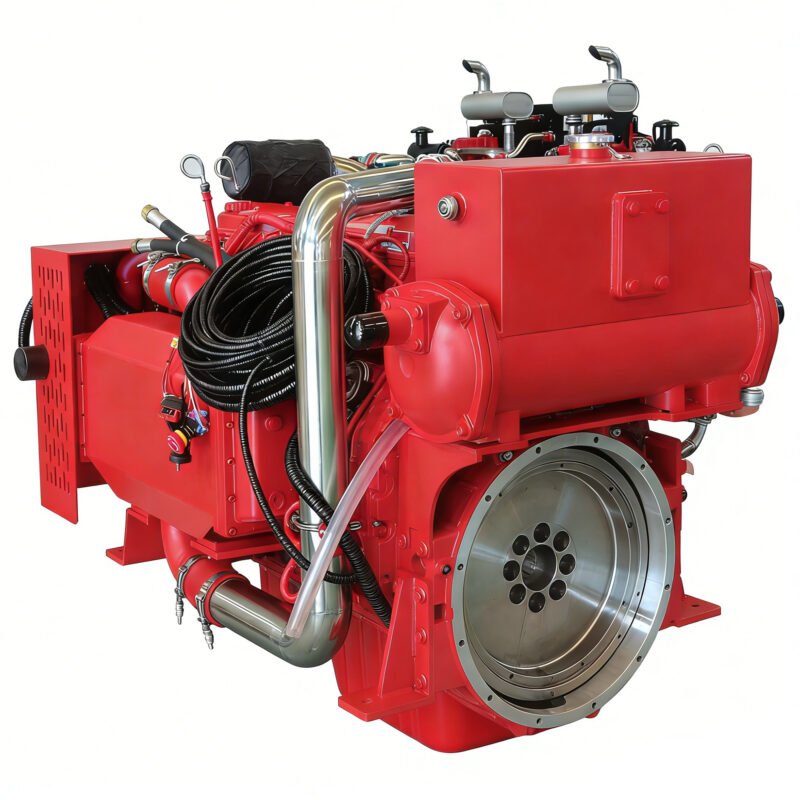
What Drives the Variations in Diesel Engine Price?
Understanding the pricing structure requires looking under the valve cover. Several engineering and regulatory factors dictate the final quote from a manufacturer or distributor.
- Displacement and Power Output: Generally, price scales with liters of displacement. A 2.8L engine designed for light commercial vehicles has a significantly lower material cost and manufacturing complexity than a 6.7L or 12L heavy-duty power plant.
- Emission Compliance Levels: This is often the most overlooked cost driver. An engine meeting Euro II or Euro III standards is significantly cheaper than one meeting Euro VI or Tier 4 Final standards. The latter requires sophisticated After-treatment Systems (ATS), including Selective Catalytic Reduction (SCR) and Diesel Particulate Filters (DPF), which can add 20% to 30% to the base engine cost.
- Fuel Injection Technology: Mechanical injection systems are robust and affordable but lack efficiency. Modern High-Pressure Common Rail (HPCR) systems increase the price due to the precision-engineered injectors and the required Electronic Control Unit (ECU).
- Aspiration and Cooling: Naturally aspirated engines are the baseline. Adding a Variable Geometry Turbocharger (VGT) and an Intercooler increases performance density but also raises the procurement cost.
| Engine Category | Typical Displacement | Estimated Price Range (USD) | Primary Applications |
| Light-Duty | 2.0L – 3.0L | $3,500 – $6,500 | Pickups, Vans, Small Forklifts |
| Medium-Duty | 3.8L – 7.0L | $7,000 – $14,000 | Box Trucks, Buses, Excavators |
| Heavy-Duty | 9.0L – 15.0L+ | $18,000 – $45,000+ | Semi-trucks, Mining, Generators |
Comparing Sourcing Options: New, Remanufactured, and OEM
When evaluating a diesel engine price, the “condition” of the unit defines the risk-to-reward ratio. For industrial and automotive projects, three primary categories exist:
1. New OEM (Original Equipment Manufacturer)
These units, such as those provided by Kangjin Power’s automotive engine line, offer the highest reliability and the latest technical revisions. While they command a premium price, they come with full factory warranties and the longest service life.
2. New Aftermarket / Replacement Units
For many established engine platforms (like Isuzu or Cummins designs), high-quality aftermarket manufacturers produce complete engines. These often provide the best “value per horsepower,” offering new-unit reliability at a cost usually 20-30% lower than “Brand Name” OEM units.
3. Remanufactured (Reman) Engines
A true remanufactured engine is stripped to the bare block and rebuilt to original tolerances. This is a cost-effective middle ground. However, buyers must distinguish between “remanufactured” and “rebuilt”—the latter often involves only replacing broken parts and carries higher long-term failure risks.
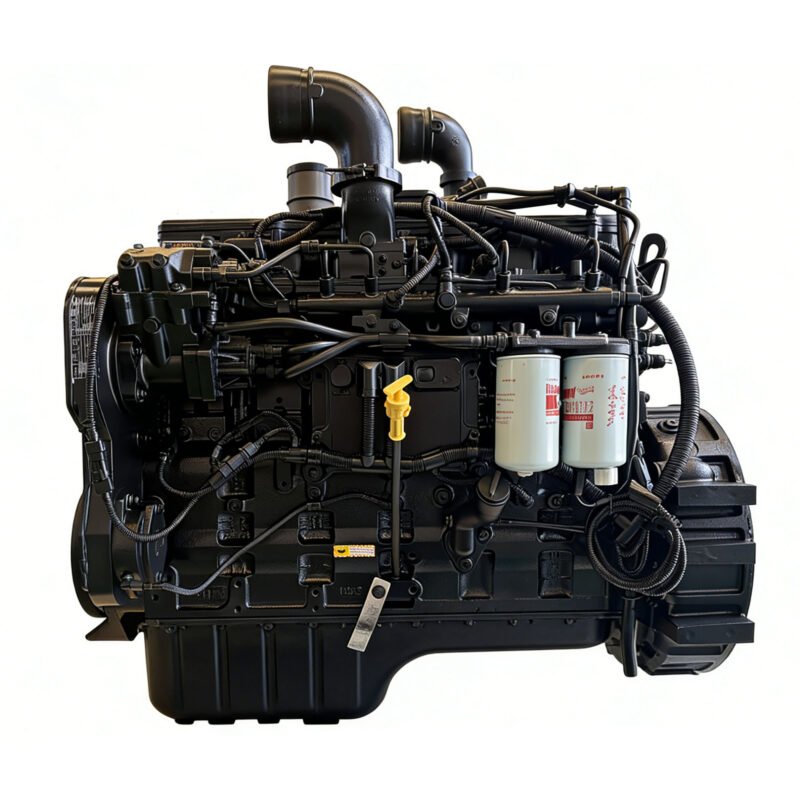
Application Logic: Matching the Engine to the Duty Cycle
Price should always be secondary to the duty cycle. In the B2B sector, an underspecified engine leads to premature failure, while an overspecified engine wastes capital.
For Intermittent Duty (e.g., a backup generator or emergency pump), a lower-cost engine with simpler mechanical fuel injection may be sufficient. The lower initial diesel engine price compensates for the infrequent use.
For Continuous Duty (e.g., long-haul freight or 24/7 manufacturing power), investing in a more expensive, high-efficiency engine is mandatory. The fuel savings from a modern HPCR system will often “pay back” the price difference within the first 12 to 18 months of operation.
Hidden Costs in Diesel Engine Procurement
Professional buyers look beyond the quote. To calculate the true landed cost, you must factor in:
- Ancillary Components: Does the price include the alternator, starter motor, turbocharger, and ECU? A “long block” is cheaper than a “complete power pack,” but the latter reduces labor costs during installation.
- Logistics and Crating: Diesel engines are heavy (typically 200kg to 1,200kg+). Sea freight vs. Air freight and the requirement for ISPM-15 certified heat-treated crates can add several hundred dollars to the total.
- Tariffs and Compliance: Ensure the engine’s emission certification matches your local jurisdiction. Importing a non-compliant engine can lead to costly customs seizures or heavy fines.
- Warranty Support: A lower price from a supplier with no international service network is a liability. Verify that the supplier offers technical support and parts availability for critical wear items like gaskets and filters.
Strategic Selection via Kangjin Power
For procurement managers seeking a balance between performance and cost-efficiency, Kangjin Power specializes in automotive and industrial diesel engines that serve global markets. By focusing on proven engine architectures—including those compatible with Isuzu and Cummins specifications—they provide units that meet rigorous tolerance standards without the “brand-name” markup often found in the North American or European markets.
Their lineup covers a broad range of displacements and emission configurations (Euro II through Euro V), allowing buyers to select the exact level of technology required for their specific region and application.
FAQ
What is the average price of a 4-cylinder diesel engine?
For a new, medium-duty 4-cylinder engine (e.g., 2.8L to 4.0L), expect to pay between $4,500 and $8,000 depending on the injection system and emission tier.
Why are diesel engines more expensive than gasoline engines?
Diesel engines must withstand much higher compression ratios (often 17:1 or higher). This requires heavier castings, forged internal components (crankshafts and connecting rods), and high-precision fuel systems, all of which drive up manufacturing costs.
Does a higher diesel engine price always mean better quality?
Not necessarily. The price often reflects the emission technology and brand licensing. A Euro V engine is more expensive than a Euro II engine primarily due to the sensors and exhaust treatment, not necessarily the strength of the engine block.
How does displacement affect the price?
Displacement is a proxy for material volume. Larger displacement engines require more iron, steel, and coolant capacity, naturally increasing the base manufacturing cost.
What is the typical lead time for bulk engine orders?
For OEM or wholesale orders, lead times usually range from 30 to 60 days, depending on customization requirements and factory capacity.
Reference Sources
- DieselNet: Technical information on emission standards (Euro I-VI) and their impact on engine design. https://www.dieselnet.com
- ISO 8178: The international standard for exhaust emission measurement for non-road internal combustion engines.
- Society of Automotive Engineers (SAE International): Technical papers on High-Pressure Common Rail (HPCR) system costs and efficiency. https://www.sae.org
- SGS Group: Industrial manufacturing inspection and engine quality certification standards. https://www.sgs.com

