
Diesel Engine for Sale: Professional B2B Procurement Guide

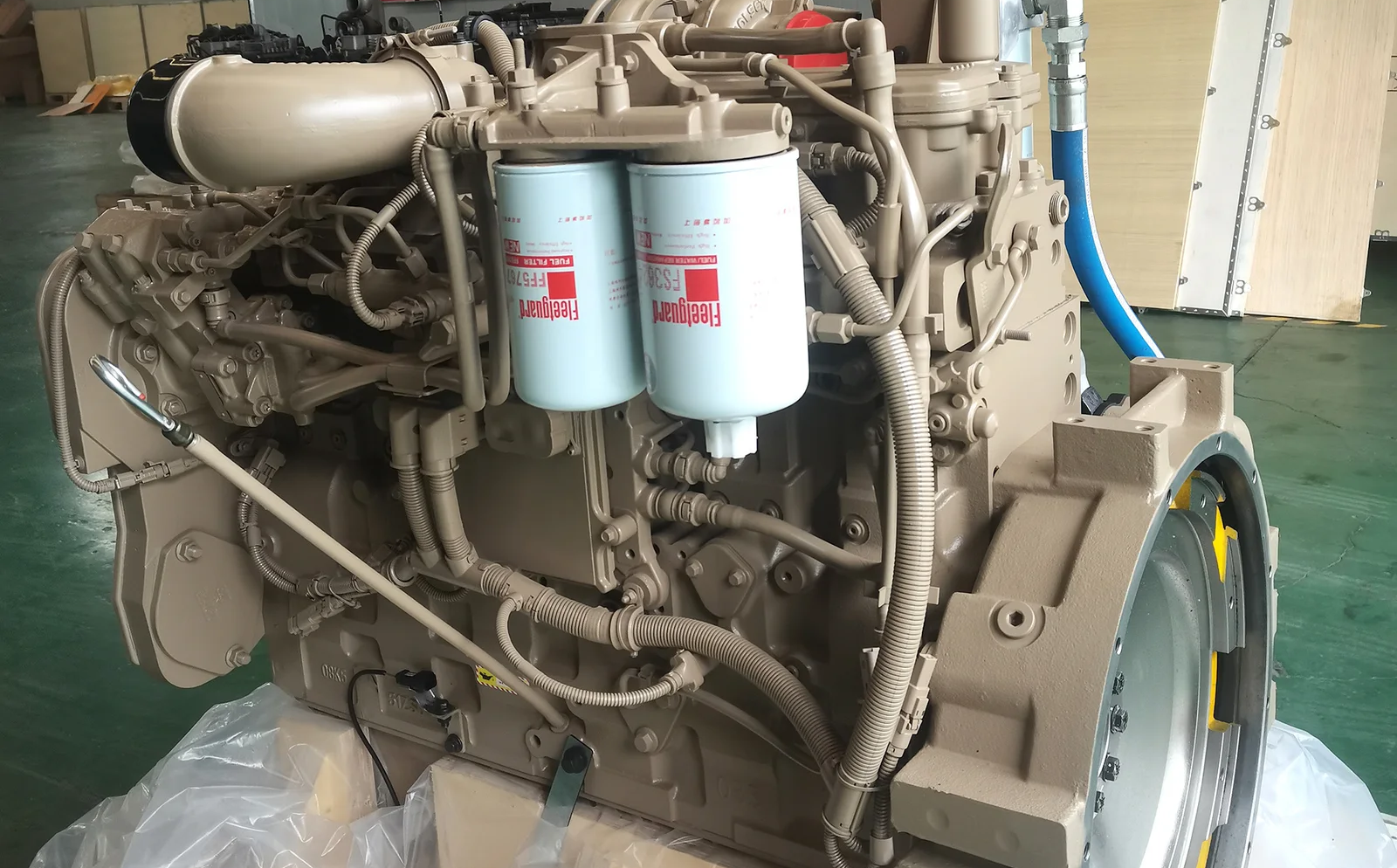
Procuring a diesel engine for commercial fleets, industrial machinery, or power generation is a high-stakes investment. Unlike consumer automotive purchases, B2B diesel engine procurement requires a deep dive into torque curves, displacement efficiency, and emission compliance. Whether you are replacing a failed unit in a construction excavator or sourcing engines for a new line of specialized vehicles, understanding the technical landscape ensures long-term operational uptime.
The global market for diesel engines remains robust due to their thermal efficiency and durability. However, the complexity of modern Common Rail Fuel Systems (CRFS) and varying emission standards (Euro II through Euro VI) means that “off-the-shelf” solutions rarely suffice for professional applications.
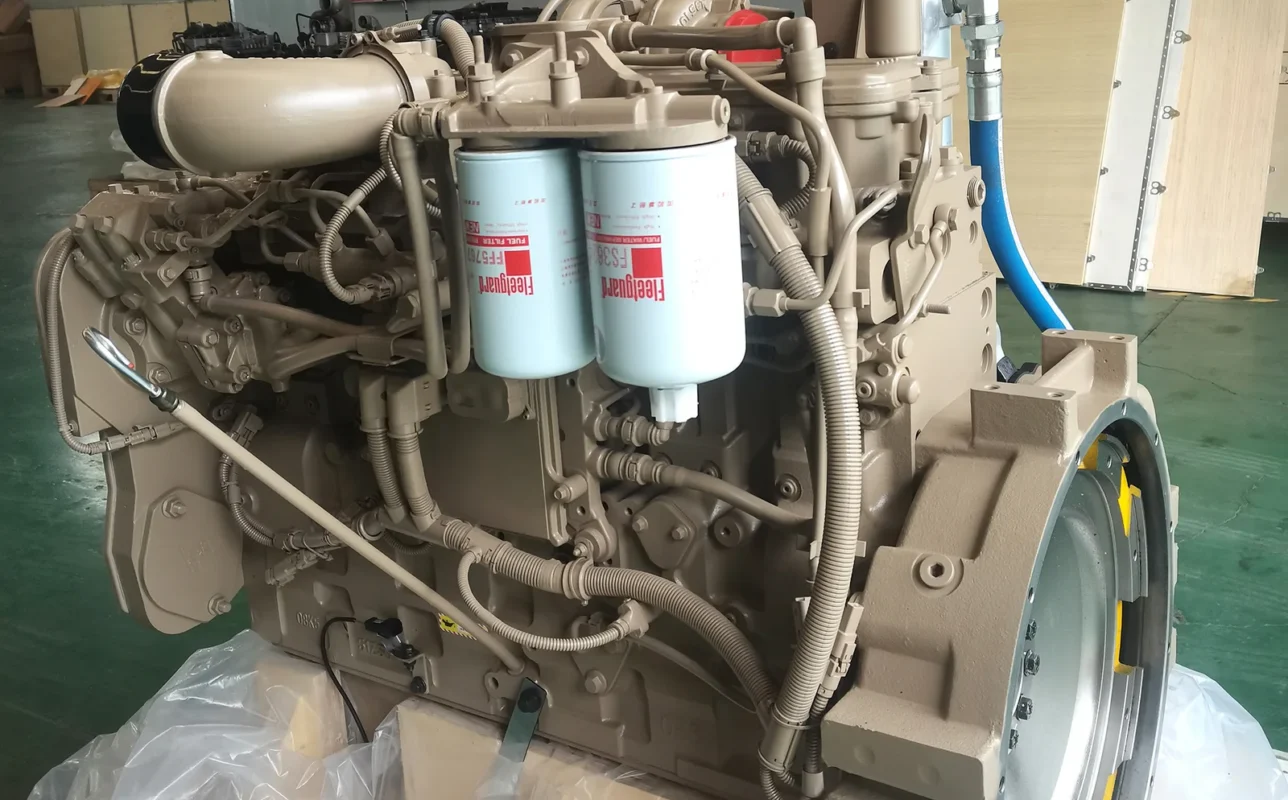
Navigating Technical Specifications: Finding the Right Core
When searching for a diesel engine for sale, the first filter must be the application-specific architecture. Automotive engines are designed for variable load and speed, while industrial or stationary engines (like those in generators) are optimized for constant RPM performance.
Key Engine Families and Displacement
- Light-Duty (2.0L – 4.0L): Common in pickup trucks and light commercial vehicles (LCVs). Engines like the Isuzu 4JB1 or Cummins ISF2.8 are industry benchmarks for their compact footprint and high power-to-weight ratio.
- Medium-Duty (4.0L – 9.0L): These power vocational trucks and medium excavators. The Cummins B and C series (e.g., 6BT, 6CT) are widely sought after for their mechanical simplicity and ease of maintenance in regions with limited electronic diagnostic tools.
- Heavy-Duty (10L – 15L+): Designed for Class 8 trucks and heavy mining equipment. Models like the Cummins ISM or ISX series offer the torque required for massive payloads.
Turbocharging and Aspiration
Selecting between Naturally Aspirated (NA), Turbocharged (T), or Turbocharged Aftercooled (TA) engines depends on your altitude and performance requirements. For high-altitude mining or construction, a TA engine is essential to maintain oxygen density in the combustion chamber, preventing power derating.
New vs. Remanufactured: Balancing CAPEX and Reliability
For many fleet managers, the “Diesel Engine for Sale” search often leads to a choice between brand-new OEM units and remanufactured engines.
- New OEM Engines: These offer the highest level of reliability and the latest fuel-injection technology. They are the preferred choice for projects where downtime costs exceed $5,000 per day.
- Remanufactured (Recon) Engines: Not to be confused with “used” or “repaired” engines. A true remanufactured engine is stripped to the bare block, machined to original tolerances, and fitted with new wear parts (pistons, rings, bearings). This provides a “zero-hour” solution at 60-70% of the cost of a new unit.
- Used/Take-out Engines: These are high-risk, high-reward. These are typically sourced from salvaged vehicles. While the initial price is low, the lack of warranty and unknown internal wear often lead to higher Total Cost of Ownership (TCO).
Compatibility and Integration Factors
The engine is the heart of the machine, but it must speak to the rest of the system. If you are sourcing an engine for an OEM project, consider these critical integration points:
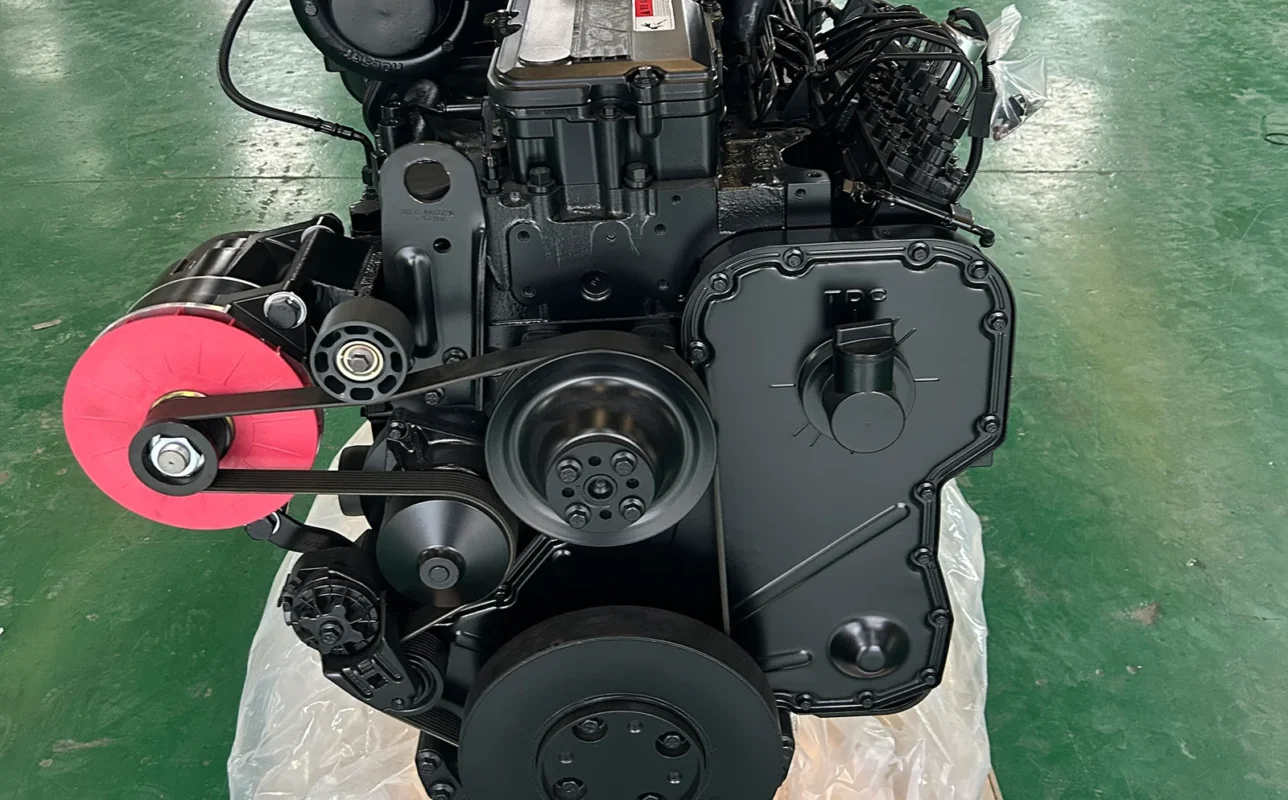
- Flywheel and Housing (SAE Standards): Ensure the engine housing matches your transmission or pump drive. SAE #1, #2, and #3 are common standards, but verify the bolt pattern and pilot diameter.
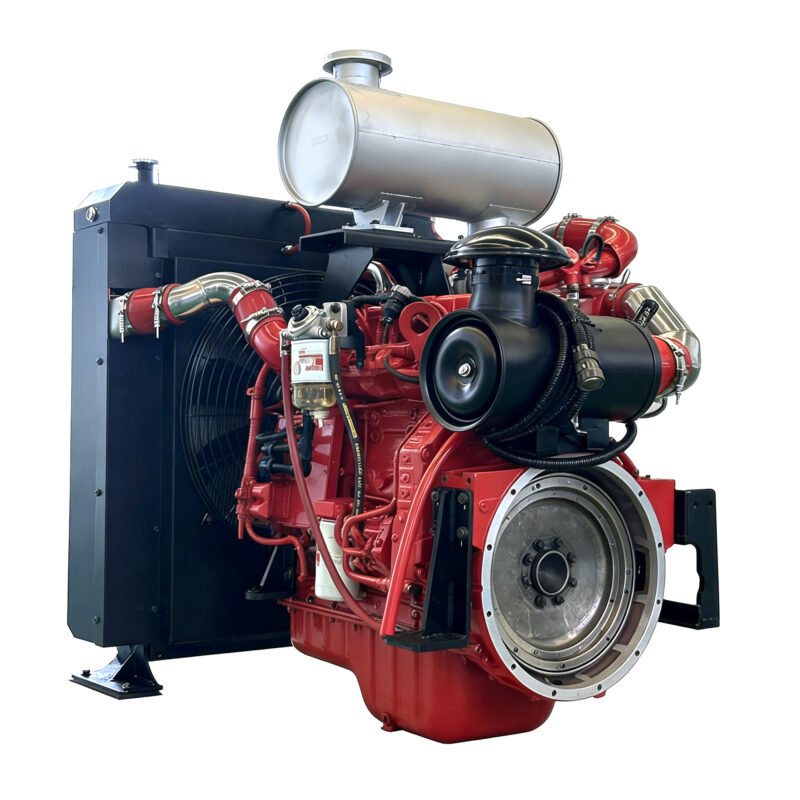
- Cooling System Capacity: Industrial engines for sale often come with “Power Unit” configurations, including the radiator and fan. If buying a “dry” engine, ensure your existing cooling package can handle the heat rejection rate of the new displacement.
- Electronic Control Modules (ECM): For modern engines (Euro IV/V/VI), the wiring harness and CAN-bus integration are vital. Without the correct ECM calibration, the engine may enter “limp mode” or fail to communicate with the vehicle’s dashboard.
The B2B Procurement Workflow: From RFQ to Delivery
Buying a diesel engine in a B2B context involves more than a simple checkout process. Reliable suppliers, such as those found at Kangjin Power, follow a structured workflow to ensure technical alignment.
- The RFQ (Request for Quote): Provide the engine serial number (ESN) of the unit you are replacing. This is the most accurate way to match the “Option Codes” for turbocharger orientation, oil pan shape, and alternator placement.
- Compliance Verification: Confirm the emission tier (EPA Tier 3, Tier 4, or Euro Stage V). Importing an engine that does not meet local environmental regulations can lead to heavy fines or seizure at customs.
- Logistics and Crating: Diesel engines are heavy (400kg to 2000kg+). Professional suppliers use ISPM-15 certified heat-treated wooden crates for international shipping to prevent damage and meet biosecurity laws.
- Lead Times: While “in-stock” engines can ship within 3-5 days, custom OEM configurations or large-volume orders may require 4-8 weeks for assembly and testing.
Why Quality Inspection Matters
Before an engine leaves the factory or warehouse, it should undergo a “Dyno Test.” A dynamometer test measures the engine’s power output and torque across its RPM range while checking for leaks, abnormal vibrations, or oil pressure fluctuations. Always ask your supplier for a test report or a video of the engine running if a full dyno report is unavailable.
At Kangjin Power, the focus is on providing a comprehensive range of automotive and industrial engines, including genuine Cummins, Isuzu, and Deutz platforms. Their expertise lies in matching the specific technical needs of the buyer—whether it’s a 4HG1 for a light truck or a 6L series for heavy industrial use—ensuring that the replacement or new build integrates seamlessly with existing hardware.
FAQ: Professional Diesel Engine Procurement
1. What is the Minimum Order Quantity (MOQ) for diesel engines?
For standard replacement engines (e.g., a Cummins 6BT), the MOQ is typically one unit. For OEM-specific customizations or proprietary housing modifications, suppliers may require a larger commitment or a tooling fee.
2. How do I verify if a “Diesel Engine for Sale” is genuine?
Genuine engines feature a data plate with a unique Serial Number. You can verify this number through the manufacturer’s official portal (e.g., Cummins QuickServe). Cross-reference the casting numbers on the cylinder block and head with official parts catalogs.
3. What are the typical lead times for international shipping?
Air freight for urgent replacements takes 7-10 days but is extremely expensive. Sea freight is the standard for B2B orders, taking 20-45 days depending on the destination port and customs clearance efficiency.
4. Can I upgrade my engine to a higher horsepower version of the same series?
Generally, yes, but it often requires more than just a software flash. Upgrading from a 150HP to a 210HP 6BT engine may require a different turbocharger, larger injectors, and a higher-capacity cooling system to manage the increased thermal load.
5. What documentation is provided with a B2B engine purchase?
Standard documentation includes the Commercial Invoice, Packing List, Bill of Lading, Certificate of Origin, and crucially, the Engine Test Certificate/Warranty Card.
Reference Sources
- ISO 8178: International standard for exhaust emission measurement of non-road internal combustion engines. ISO.org
- SAE International: Standards for engine flywheels and housing dimensions. SAE.org
- EPA (Environmental Protection Agency): Guidelines on diesel engine emission tiers and compliance. EPA.gov
- Association of Diesel Specialists (ADS): Industry insights on fuel injection and engine remanufacturing standards. Diesel.org

