
How to Choose a Diesel Engine Parts Supplier: A Technical Guide

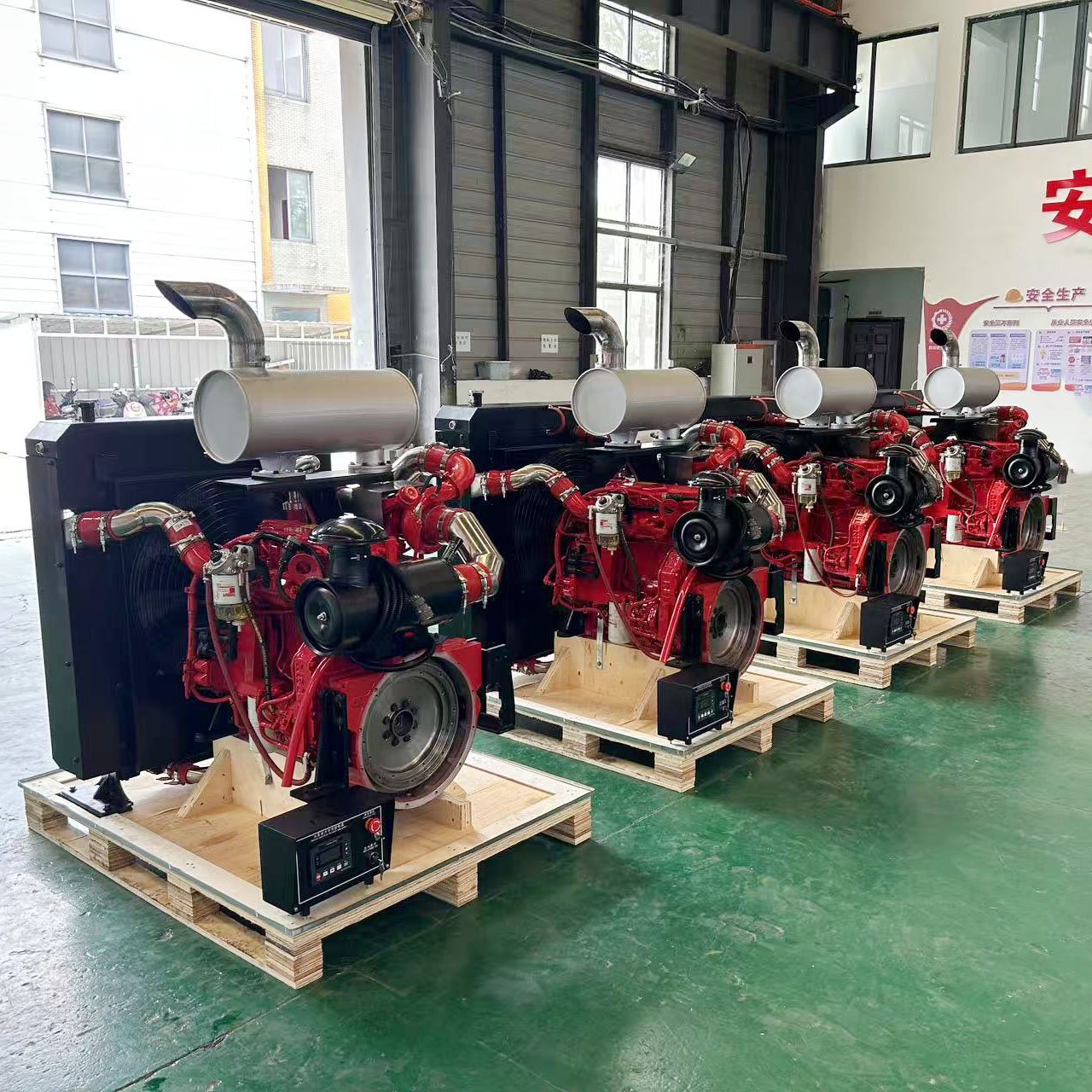
Selecting a diesel engine parts supplier is not merely a procurement task; it is a critical engineering decision that impacts the operational lifespan of heavy machinery. In industries such as construction, mining, and power generation, the failure of a single component—be it a fuel injector, a piston, or a turbocharger—can result in cascading mechanical damage and significant financial losses due to unplanned downtime.
For project managers and fleet engineers, the challenge lies in distinguishing between a high-performance partner and a mere middleman. This guide outlines the technical and commercial criteria necessary to vet a supplier effectively.
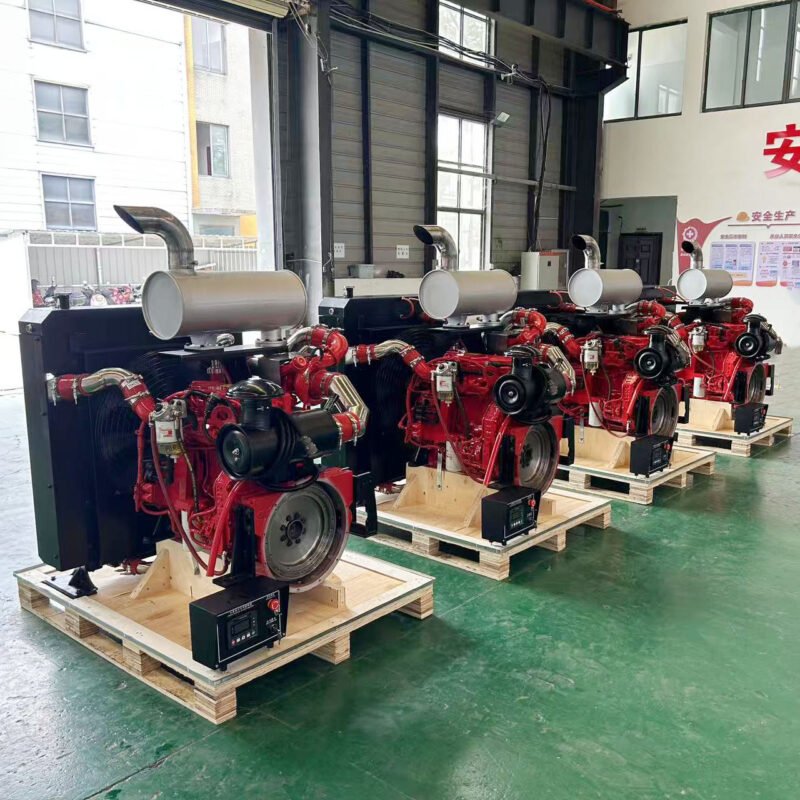
Understanding the Spectrum: OEM, OES, and High-Quality Aftermarket
Before evaluating a supplier’s warehouse, you must evaluate their sourcing logic. The “cheapest” option often represents the highest long-term cost.
OEM (Original Equipment Manufacturer): Parts made by the company that built the engine. These offer the lowest risk but the highest price point.
OES (Original Equipment Supplier): Parts manufactured by the same company that supplied the engine brand (e.g., Bosch supplying injectors to Cummins). These are technically identical to OEM but often more competitively priced.
High-Quality Aftermarket: Parts engineered to meet or exceed original specifications. These are essential for older engine models or when OEM supply chains face bottlenecks.
A versatile diesel engine parts supplier should provide transparency regarding which category a part falls into, allowing you to balance budget with mechanical criticality.
Technical Verification and Quality Standards
A reliable supplier must demonstrate a rigorous approach to quality control. In the diesel engine sector, precision is measured in microns. If a supplier cannot discuss tolerances or material compositions, they are likely not a manufacturer-grade partner.
Certification Requirements: Ensure the supplier or their manufacturing partners hold ISO 9001:2015 certifications. This ensures a standardized quality management system is in place.
Material Integrity: For high-heat components like exhaust valves or cylinder heads, verify the alloys used. Do they meet the thermal resistance required for heavy-duty cycles?
Dimensional Accuracy: Ask about their QC process. Reliable suppliers use Coordinate Measuring Machines (CMM) to ensure that replacement parts match the original blueprints exactly.
Matching Parts to Construction Machinery Requirements
Diesel engines used in construction—such as those found in excavators, bulldozers, and loaders—operate in high-dust, high-vibration, and variable-load environments. Standard automotive-grade parts will not suffice.
When sourcing for construction machinery engines, look for suppliers who specialize in heavy-duty applications. This specialization ensures they understand the specific stressors placed on:
Cylinder Blocks & Heads: Must withstand extreme combustion pressures.
Crankshafts & Camshafts: Require specific surface hardening (nitriding or induction hardening) to prevent premature wear.
Turbochargers: Must be balanced at high RPMs to avoid catastrophic failure in the field.
Supply Chain Stability and Lead Time Management
In the B2B sector, the “Total Cost of Ownership” (TCO) is heavily influenced by lead times. A low-cost part that takes six weeks to arrive while a $500,000 excavator sits idle is an expensive part.
Evaluation Checklist for Logistics:
Inventory Depth: Does the supplier stock “critical-path” items (gaskets, bearings, injectors) or are they a “drop-ship” operation?
Global Logistics Capability: Can they handle international customs, duties, and expedited shipping?
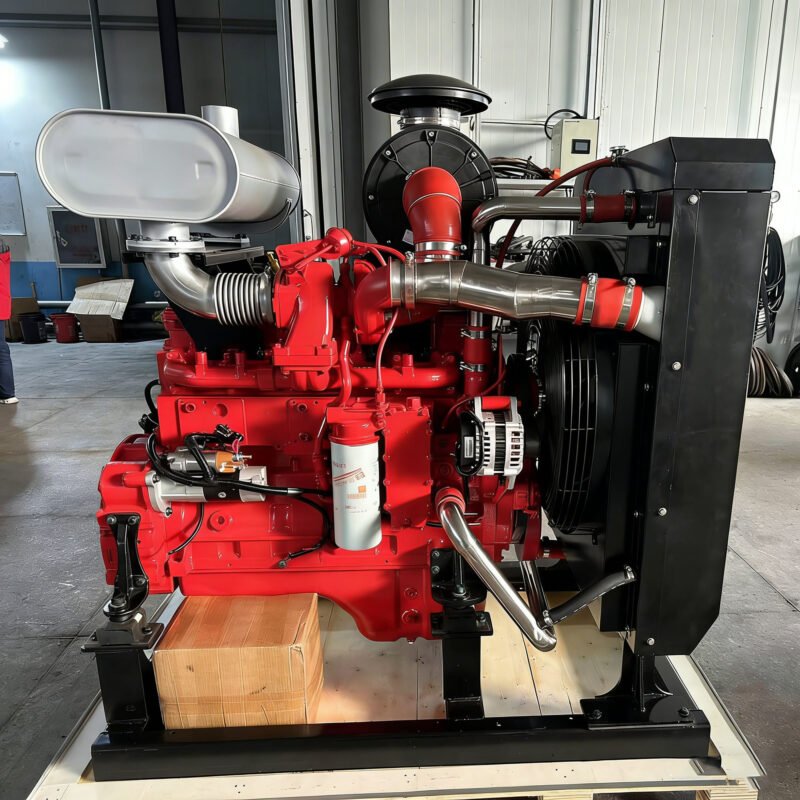
Packaging Standards: Diesel components are heavy and precision-machined. Suppliers must use VCI (Volatile Corrosion Inhibitor) packaging for steel parts to prevent rust during sea freight, along with reinforced wooden or composite crating.
Technical Support and Engineering Expertise
A “parts pusher” sells you a part number; an “expert supplier” sells you a solution. High-level suppliers employ engineers who can assist with:
Cross-Referencing: Identifying the correct part across different engine generations (e.g., transitioning from Tier 2 to Tier 4 Final engines).
Failure Analysis: If a part fails prematurely, can the supplier provide a technical report to determine if the cause was a manufacturing defect or an installation error?
Compatibility Guidance: Ensuring that aftermarket components will interface correctly with existing electronic control units (ECUs) and sensors.
Comparison: Identifying the Right Supplier Tier
| Feature | Low-End Trader | Specialized Parts Supplier | OEM Distributor |
| Technical Knowledge | Minimal / Catalog-based | High / Engineering-led | Brand-specific only |
| QC Documentation | Rarely available | Available upon request | Full traceability |
| Customization | No | Possible (OEM/ODM) | No |
| Price Point | Lowest | Moderate (High Value) | Highest |
| Reliability | Variable | Consistent | Guaranteed |
Compliance and Sustainability
As global emissions regulations (such as Euro VI or EPA Tier 4) become stricter, your supplier must stay ahead of the curve. Choosing a supplier that understands the complexities of Exhaust Gas Recirculation (EGR) components and Diesel Particulate Filters (DPF) is essential for maintaining fleet compliance.
Furthermore, verify their ethical standing. A transparent supplier will provide clear documentation regarding the origin of raw materials and their compliance with international trade laws.
FAQ
Q: What is the typical MOQ for industrial diesel engine parts?
A: For standard maintenance items like filters or seals, MOQs are often low (10–50 units). However, for major components like crankshafts or engine blocks, many suppliers offer single-unit purchasing for repair needs, while OEM/ODM orders may require higher volumes.
Q: How can I verify if an aftermarket part is “high quality”?
A: Request a sample for metallurgical testing or ask for the supplier’s internal QC reports. Legitimate suppliers will provide hardness test results and dimensional verification sheets.
Q: Do these suppliers handle engine remanufacturing?
A: Some specialized suppliers offer “long blocks” or “short blocks,” which are partially assembled engines. This is often a cost-effective alternative to buying a brand-new engine or performing a full in-house rebuild.
Q: What are the standard payment terms in the diesel parts industry?
A: For initial orders, most suppliers require a T/T (Telegraphic Transfer) deposit. Established B2B relationships often move toward Net-30 or Letter of Credit (L/C) terms for large-scale procurement.
Reference Sources
ISO 9001:2015 Quality Management Systems: The international standard for manufacturing consistency.
ASTM International (American Society for Testing and Materials): For standards regarding metal alloys and engine component testing.
SAE International (Society of Automotive Engineers): Technical papers on diesel engine performance and component longevity.
DieselNet: A leading technical resource for emissions standards and engine technology.

