
Top Diesel Engine Manufacturers: A Global Industrial Guide

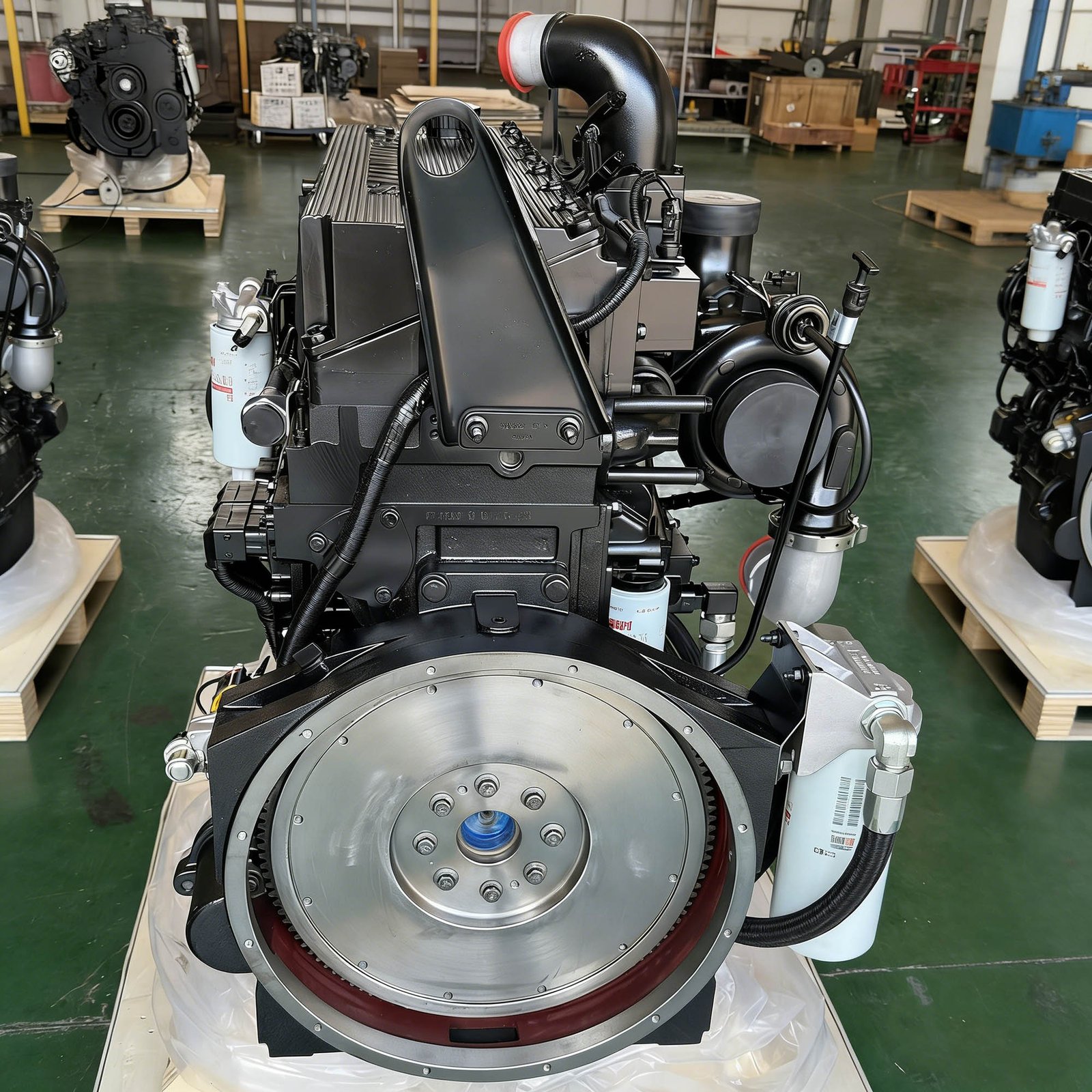
The modern industrial landscape relies on the compression-ignition engine more than any other power source. From heavy-duty excavators on remote construction sites to emergency standby generators in hospitals, diesel engines provide the high torque and thermal efficiency required for heavy-duty work. Selecting the right brand involves more than just looking at horsepower; it requires an understanding of engineering heritage, global serviceability, and emissions compliance.
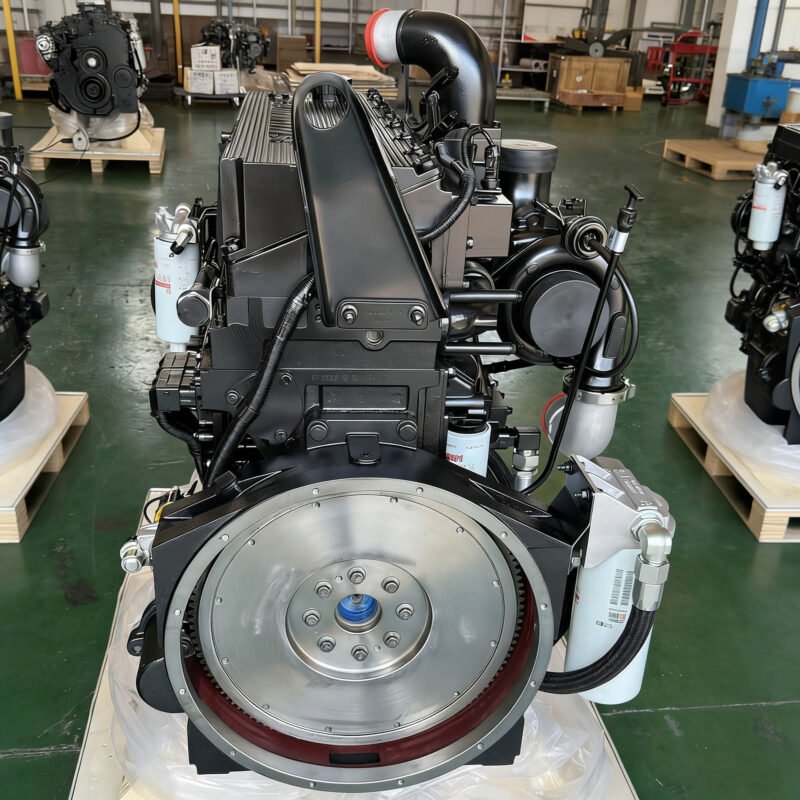
What Defines a Leading Diesel Engine Manufacturer?
In the industrial sector, “top” is not merely a measure of sales volume. Engineers and project managers evaluate manufacturers based on specific performance indicators:
Thermal Efficiency: The ability to convert fuel into mechanical energy with minimal heat loss.
Power-to-Weight Ratio: Critical for mobile machinery where engine weight impacts payload and fuel consumption.
Emissions Compliance: Adherence to stringent standards such as EPA Tier 4 Final or EU Stage V.
Total Cost of Ownership (TCO): This includes initial procurement, fuel consumption rates, and the availability of affordable spare parts.
The “Big Three” of Global Diesel Engineering
Three brands have historically dominated the global market due to their massive R&D budgets and expansive distribution networks.
1. Cummins (USA)
Cummins is perhaps the most recognized name in diesel technology. Their strength lies in versatility. Cummins engines, such as the B-series and L-series, are found in everything from pickup trucks to massive mining haulers. Their proprietary XPI (Xtra-High Pressure Injection) fuel systems and advanced turbocharging technology allow for high power density even in compact footprints.
2. Perkins (UK / Caterpillar Subsidiary)
Owned by Caterpillar, Perkins operates as a distinct brand focusing heavily on the construction and power generation sectors. Perkins engines are celebrated for their “fit-and-forget” reliability. The Perkins 400 and 1100 Series are staples in the compact construction equipment market due to their quiet operation and low vibration levels.
3. Caterpillar (USA)
Caterpillar (CAT) engines are the gold standard for heavy earthmoving equipment. CAT engines are designed for “re-manufacturability.” Unlike many automotive-grade diesels, CAT industrial engines are built with heavy-duty blocks that can be rebuilt multiple times, extending the machine’s life cycle by decades.
Specialized European and Asian Powerhouses
While the “Big Three” dominate general markets, specific brands lead in technical niches such as air-cooled systems or high-efficiency marine power.
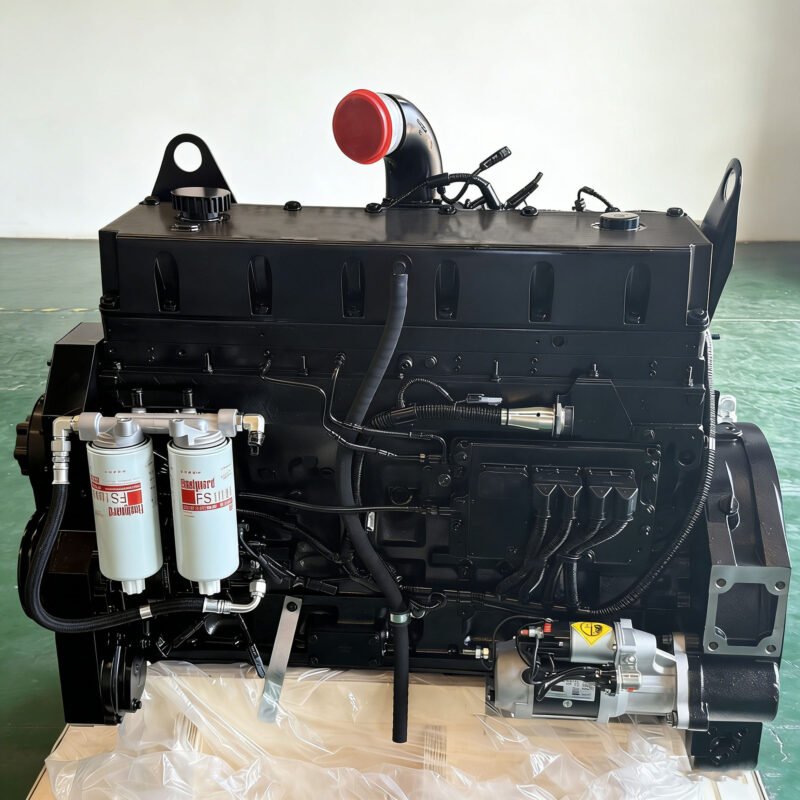
Deutz (Germany)
Deutz is a pioneer of internal combustion technology. They are the preferred choice for applications where cooling is a challenge. Their air-cooled and oil-cooled engines are highly valued in extreme climates where traditional water-cooling systems might fail or require excessive maintenance. Many high-end construction machinery engines utilize Deutz powerplants for their compact design and German engineering precision.
Weichai (China)
Weichai has rapidly moved from a regional player to a global powerhouse. They currently lead the world in thermal efficiency, recently breaking the 52% barrier for commercial diesel engines. Weichai is often the brand of choice for large-scale industrial projects where cost-efficiency and high-torque output are prioritized.
Volvo Penta (Sweden)
Volvo Penta specializes in marine and industrial off-road engines. Their focus is heavily weighted toward electronics and “smart” engine management. Their Stage V compliant engines are often cited as the most fuel-efficient in their class, particularly for material handling and container reach stackers.
Technical Comparison: Industrial Performance Metrics
| Brand | Primary Strength | Common Applications | Key Technology |
| Cummins | Global Serviceability | Trucks, Gen-sets, Mining | Holset Turbocharging |
| Perkins | Compact Reliability | Mini-Excavators, Pumps | Integrated Fuel Systems |
| Deutz | Extreme Temperature Ops | Paving, Agriculture | Oil-Cooled Technology |
| Weichai | Thermal Efficiency | Heavy Trucks, Marine | High-Pressure Common Rail |
| Caterpillar | Structural Durability | Mining, Massive Earthmoving | ACERT Technology |
Critical Considerations for Engine Selection
When selecting an engine for an OEM project or a machine replacement, the decision-making process must account for the operating environment.
1. Emissions Environments
In highly regulated regions (North America, EU), engines must feature Selective Catalytic Reduction (SCR) and Diesel Particulate Filters (DPF). Brands like Perkins and Cummins offer “global versions” of their engines, allowing manufacturers to use the same base engine architecture across different regulatory zones.
2. Electronic vs. Mechanical Injection
While electronic control units (ECU) offer better fuel economy and diagnostics, some remote mining operations still prefer mechanical injection for its simplicity and ease of repair in environments where diagnostic software is unavailable.
3. Load Factor and Duty Cycle
A standby generator engine is designed for intermittent high-load use, whereas a propulsion engine for a marine vessel is designed for constant, high-load operation. Choosing a “top brand” is irrelevant if the engine’s duty cycle rating does not match the application.
The Role of Specialized Distributors
For many industrial firms, sourcing directly from a manufacturer is not feasible due to high MOQs. This is where specialized suppliers like Kangjin Power play a critical role. By maintaining an inventory of engines from brands like Cummins, Deutz, and Weichai, they provide the necessary bridge for construction companies and equipment rebuilders to access Tier 1 engine technology with shorter lead times and technical support tailored to construction machinery.
FAQ
Which diesel engine brand is known for the longest lifespan?
Caterpillar and Cummins are generally cited for the longest service life in heavy-duty applications. Both brands design their engines with replaceable cylinder liners and heavy-duty castings that allow for multiple “in-frame” overhauls.
Are Chinese diesel engine brands like Weichai reliable for international use?
Yes. In the last decade, Weichai has invested heavily in R&D and now competes directly with European and American brands in terms of thermal efficiency and emissions compliance. They are increasingly common in international marine and power generation markets.
What is the difference between a “crating” engine and an OEM engine?
An OEM engine is typically customized for a specific machine manufacturer (like a specific oil pan shape for a Volvo excavator). A crate engine, often sold by distributors, follows more standardized specifications but can be adapted for various industrial uses.
Why is Deutz preferred for certain construction machines?
Deutz engines are often chosen for their modular design and compact dimensions. Their ability to deliver high torque at low RPMs makes them ideal for equipment like road rollers and asphalt pavers.
Reference Sources
- ISO 8178: International standard for exhaust emission measurement for non-road internal combustion engines.
- DieselNet: Technical information resource on low-emission engines and fuels.
- Association of Equipment Manufacturers (AEM): Industry reports on global construction and engine trends.
- Official Manufacturer Technical Datasheets: (Cummins QSB Series, Perkins 1100 Series, Deutz TCD Series).


Appreciate it for helping out, wonderful info .
thanks
You have mentioned very interesting points! ps decent internet site.
Thank you