
Common Diesel Engine Problems and Solutions Guide

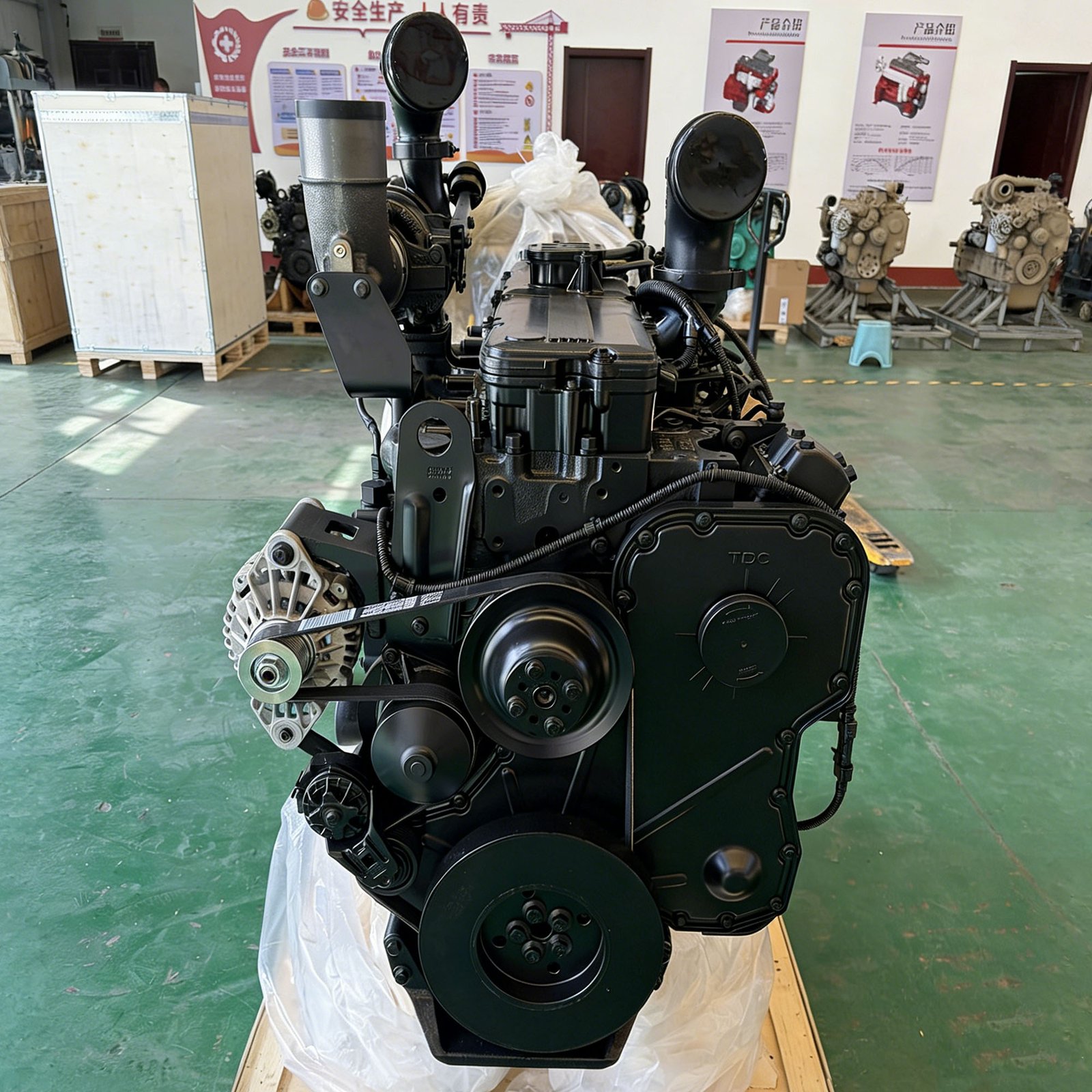
Diesel engines serve as the primary power source for global industrial operations in 2026. These robust machines are famous for their durability and high torque output. They operate under extreme pressure to convert fuel into mechanical energy. However, even the best-engineered systems face mechanical fatigue over time. Understanding common diesel engine problems and solutions is critical for maintaining operational uptime.
Modern diesel technology relies on precise timing and high-pressure fuel delivery. A small deviation in these parameters can lead to significant performance drops. Operators must remain vigilant about changes in engine sound or exhaust color. Identifying issues early prevents minor malfunctions from becoming expensive catastrophic failures. This guide offers a scientific approach to troubleshooting heavy-duty diesel powerplants.
Maintenance remains the most effective strategy for ensuring engine longevity. Neglecting service intervals leads to the accumulation of soot and internal wear. Statistics show that proactive maintenance reduces unexpected repairs by nearly 40%. By focusing on the fuel, air, and cooling systems, you can ensure peak efficiency. Let us explore the technical challenges and fixes associated with these powerful machines.
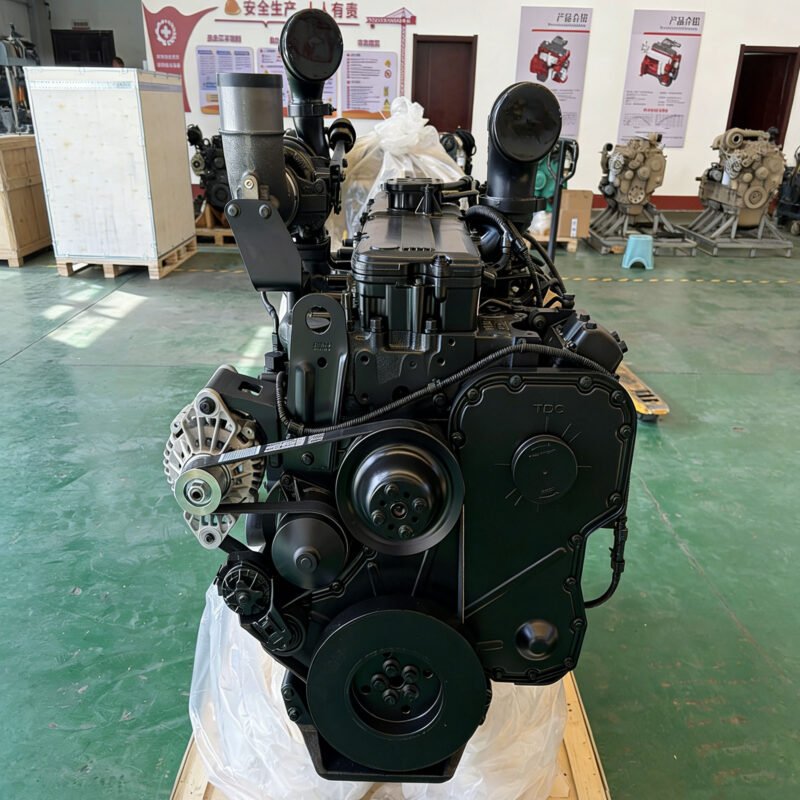
What Are the Most Common Diesel Engine Problems and Solutions?
Fuel delivery issues represent the most frequent challenge in diesel maintenance. Unlike gasoline, diesel fuel acts as a lubricant for the injection system. If the fuel is contaminated, it causes abrasive wear on delicate internal parts. Contaminated fuel is responsible for roughly 80% of all fuel system failures in heavy machinery. Ensuring fuel purity is the first step in any successful troubleshooting process.
Compression loss is another fundamental problem that affects engine starting and power. Diesel engines require high compression ratios, often ranging from 14:1 to 25:1, to ignite. Worn piston rings or leaking valves allow pressurized air to escape the chamber. Without sufficient heat from compression, the fuel-air mixture will not ignite properly. This results in a “hard start” condition or a complete failure to run.
Oxidized oil can also lead to significant internal engine damage over time. When an engine sits idle for too long, the oil can react with oxygen. This process creates sludge that blocks vital oil passages and reduces lubrication. Regular oil analysis can identify oxidation before it causes permanent bearing damage. Keeping the internal components coated in fresh, high-quality lubricant is essential for 2026 operations.
Understanding Fuel System Contamination and Clogging
Water is the primary enemy of a healthy diesel fuel system. It enters the tank through condensation or poor-quality fuel supplies. Once inside, water promotes the growth of microbes and causes internal corrosion. These contaminants quickly clog the fuel filters and starve the engine of power. You must drain the water separator daily to protect your high-pressure fuel pump.
Fuel injectors are incredibly sensitive to even microscopic particles of dirt. Modern common-rail systems operate at pressures exceeding 30,000 PSI to optimize atomization. At this pressure, a single speck of dust acts like a high-speed projectile. It can erode the injector nozzle and disrupt the spray pattern. Replacing fuel filters every 15,000 miles is a standard requirement for modern industrial engines.
Resolving Glow Plug and Cold Starting Difficulties
Glow plugs are essential for starting diesel engines in lower temperatures. They preheat the combustion chamber to ensure the air reaches ignition temperature. If a glow plug fails, the cylinder will remain cold and fail to fire. This often causes the engine to run roughly until it reaches operating temperature. Testing the electrical continuity of each plug is the fastest way to find the fault.
Battery health is also more critical for diesel engines than for gasoline versions. Diesel starters must overcome much higher compression resistance during the cranking phase. In 2026, many heavy-duty batteries are designed for high cold-cranking amps (CCA). A weak battery may turn the engine over but fail to reach the necessary RPM. Ensuring a strong electrical charge is a simple yet effective solution for starting issues.
Analyzing Exhaust Smoke Patterns for Better Diagnosis?
Exhaust smoke is the most visible indicator of an engine’s internal health. Different colors point toward specific mechanical or chemical imbalances within the combustion cycle. Analyzing these patterns allows technicians to narrow down the potential causes of failure. It is a non-invasive way to perform an initial diagnostic check. Ignoring exhaust smoke can lead to a 15% decrease in overall fuel efficiency.
Black smoke is usually the result of an “over-rich” fuel-air mixture. This means there is either too much fuel or not enough oxygen present. A clogged air filter is the most common and easiest cause to fix. However, a failing turbocharger or a leaking fuel injector could also be the culprit. Restoring the correct air balance is vital for reducing soot and protecting the environment.
Blue smoke indicates that the engine is burning lubricating oil during combustion. This typically happens when oil leaks past worn valve seals or piston rings. It can also signify a failure in the turbocharger’s internal oil seals. If you notice blue smoke, check the oil levels immediately to prevent engine seizure. Constant oil consumption will eventually foul the catalytic converter and other exhaust components.
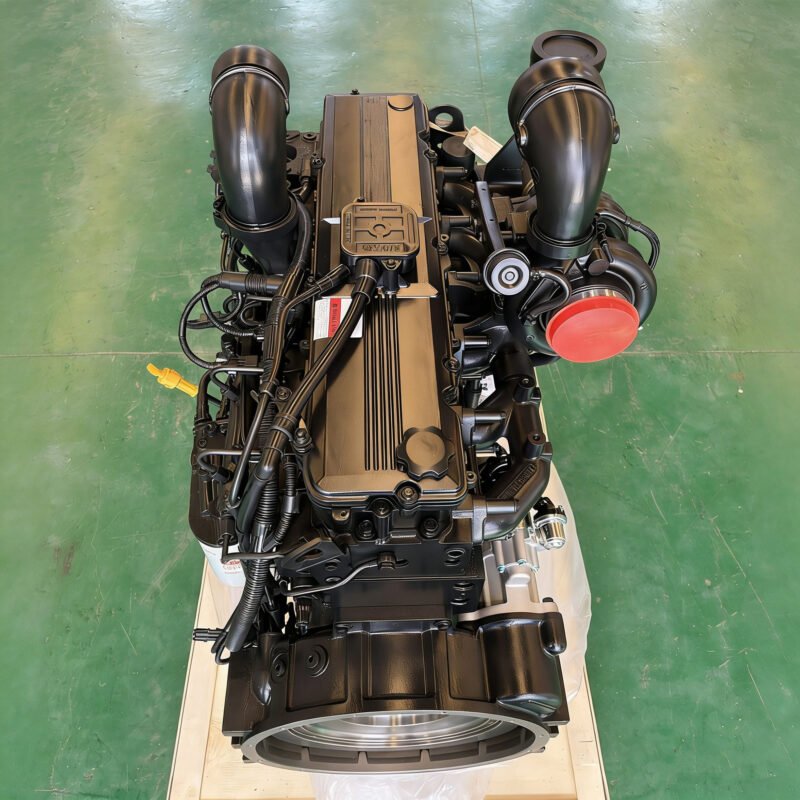
Diagnosing White Smoke and Coolant Intrusions
White smoke often suggests that fuel is passing through the engine unburnt. This can happen if the engine timing is incorrect or compression is low. In some cases, it points to a faulty injector that is “dripping” fuel. However, if the white smoke has a sweet odor, it indicates a coolant leak. This is a serious condition that usually stems from a blown head gasket.
Coolant entering the combustion chamber can cause a condition known as hydrolocking. Since liquids do not compress, a large amount of coolant can bend the connecting rods. A head gasket failure is responsible for roughly 12% of major engine rebuilds. If you suspect a coolant leak, do not continue to operate the machine. Pressure testing the cooling system will confirm if a leak exists within the block.
Identifying Noises and Mechanical Vibrations
Unusual noises often precede a major mechanical failure in diesel engines. A loud, metallic knocking is frequently referred to as “diesel knock” or “pre-ignition.” This happens when fuel is injected too early in the compression stroke. It places immense stress on the pistons and the crankshaft assembly. Adjusting the injection timing can usually silence this dangerous noise.
High-pitched whistling usually points toward a leak in the turbocharger or intake manifold. If air escapes under pressure, it creates a distinct sound that increases with RPM. You should inspect all hoses and clamps for cracks or loose connections. Squealing sounds from the front of the engine usually indicate a worn drive belt. Replacing these belts is a low-cost way to prevent a total loss of cooling or charging.
Technical Solutions for Engine Longevity and Reliability?
Maintaining a clean intake system is vital for engine performance in 2026. Dust and debris are highly abrasive to the internal surfaces of the cylinders. High-efficiency air filters can trap 99.9% of particles before they enter the engine. In dusty construction environments, these filters may need to be cleaned or replaced weekly. A restricted air intake forces the engine to work harder and consume more fuel.
The cooling system must also be kept in pristine condition to prevent overheating. Overheating causes the metal components to expand beyond their design tolerances. This leads to cracked cylinder heads and warped engine blocks that are expensive to fix. Overheating accounts for approximately 25% of all engine failures in industrial sectors. Flushing the radiator and replacing the thermostat regularly prevents thermal runaway.
The following table outlines common problems and their technical solutions:
| Component | Common Issue | Recommended Solution |
| Fuel Injector | Clogging or Leaking | Professional cleaning or nozzle replacement |
| Air Filter | Excessive Dust Buildup | Daily inspection and scheduled replacement |
| Turbocharger | Oil Seal Leakage | Seal replacement and shaft balance check |
| Glow Plugs | Electrical Burnout | Multimeter testing and component replacement |
| Water Pump | Bearing Failure | Complete pump replacement and belt check |
How to Evaluate Quality Construction Machinery Engines?
Selecting the right engine for heavy-duty applications requires a deep understanding of duty cycles. You must evaluate how many hours the machine will run under full load. Some engines are optimized for constant high-speed operation, while others excel at low-speed torque. Choosing reliable construction machinery engines is essential for minimizing downtime on the job site. High-quality engines are built with reinforced blocks and advanced cooling jackets to handle 2026 workloads.
Compatibility with existing hydraulic and electronic systems is another crucial factor. Modern machinery uses complex sensors to monitor everything from oil pressure to exhaust temperature. You must ensure that any replacement engine can communicate effectively with the central control unit. A mismatch in electronics can lead to “limp mode” or persistent error codes. Reliable suppliers provide technical documentation to help you match the engine to your specific equipment needs.
Durability and the availability of spare parts should also influence your decision. An engine is only as good as the support network behind it. If you cannot find filters or injectors locally, your machine will stay idle longer during repairs. Look for engines that have a proven track record in harsh environmental conditions like mines or quarries. Investing in a reputable brand ensures that you have access to the latest technical updates and fixes.
Fuel efficiency is the final pillar of a smart engine selection strategy. In 2026, fuel costs remain a significant portion of any project budget. Engines with advanced high-pressure common rail (HPCR) technology provide the best power-to-fuel ratio. These systems allow for multiple injection events per cycle, which improves combustion completeness. By selecting an efficient engine, you reduce both your operating costs and your carbon footprint.
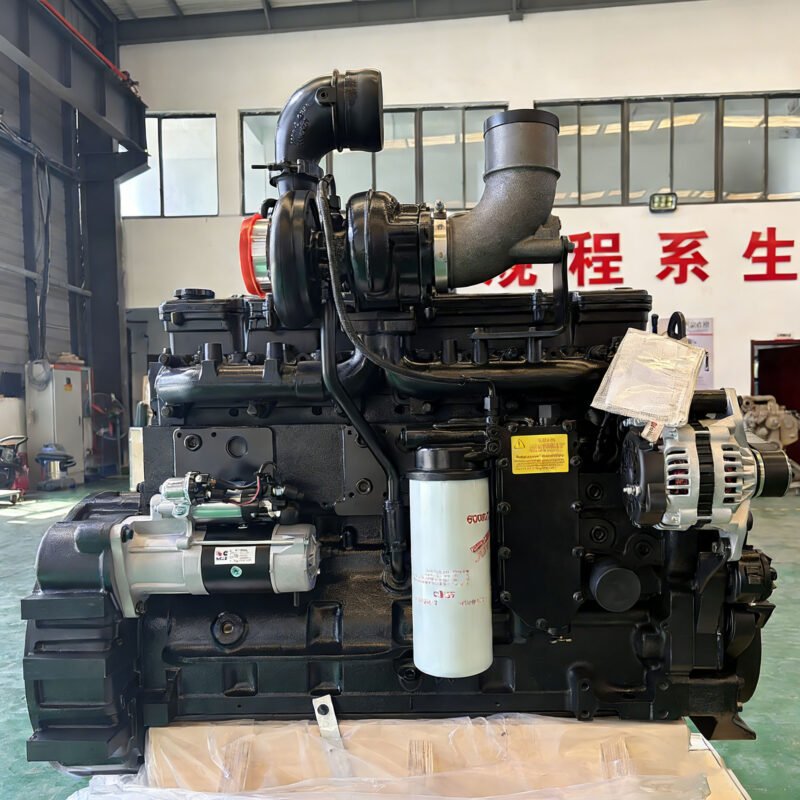
Summary
Resolving common diesel engine problems and solutions requires a systematic approach to diagnostics and maintenance. By focusing on fuel quality, air filtration, and cooling efficiency, you can avoid most major breakdowns. Monitoring exhaust smoke and engine noises provides the early warning needed for timely repairs. Choosing high-quality components and engines ensures that your heavy machinery remains productive and reliable throughout its lifecycle.
FAQ
1. Why is my diesel engine losing power under load?
Power loss is usually caused by a restricted fuel supply or a lack of intake air. You should first check for a clogged fuel filter or a dirty air filter that might be starving the engine. If those are clear, the issue may lie with a failing turbocharger or worn fuel injectors that cannot maintain pressure.
2. What does it mean if my engine is “hunting” at idle?
Hunting or surging at idle indicates an inconsistency in the fuel delivery or the governor system. It is often caused by air entering the fuel lines or a malfunctioning fuel pressure regulator. You should inspect the fuel lines for tiny cracks and ensure the fuel pump is delivering a steady flow.
3. How often should I perform an oil analysis on my diesel engine?
You should perform an oil analysis every 250 to 500 hours of operation depending on the environment. This process detects trace metals and contaminants that signal internal wear before a failure occurs. In 2026, this is considered a standard preventative maintenance practice for all industrial fleets.
4. Can a bad thermostat cause a diesel engine to run poorly?
A stuck-open thermostat prevents the engine from reaching its optimal operating temperature, leading to poor combustion. This causes increased soot buildup and reduced fuel economy over time. Conversely, a stuck-closed thermostat will cause rapid overheating and potential engine destruction.
5. Why is there oil in my diesel engine’s coolant?
Oil in the coolant typically indicates a failure in the oil cooler or a cracked cylinder head. Since oil pressure is usually higher than coolant pressure, oil gets pushed into the cooling passages. This creates a thick, milky substance that reduces cooling efficiency and requires a professional system flush.

