
How to Correctly Match Engine Power to Equipment

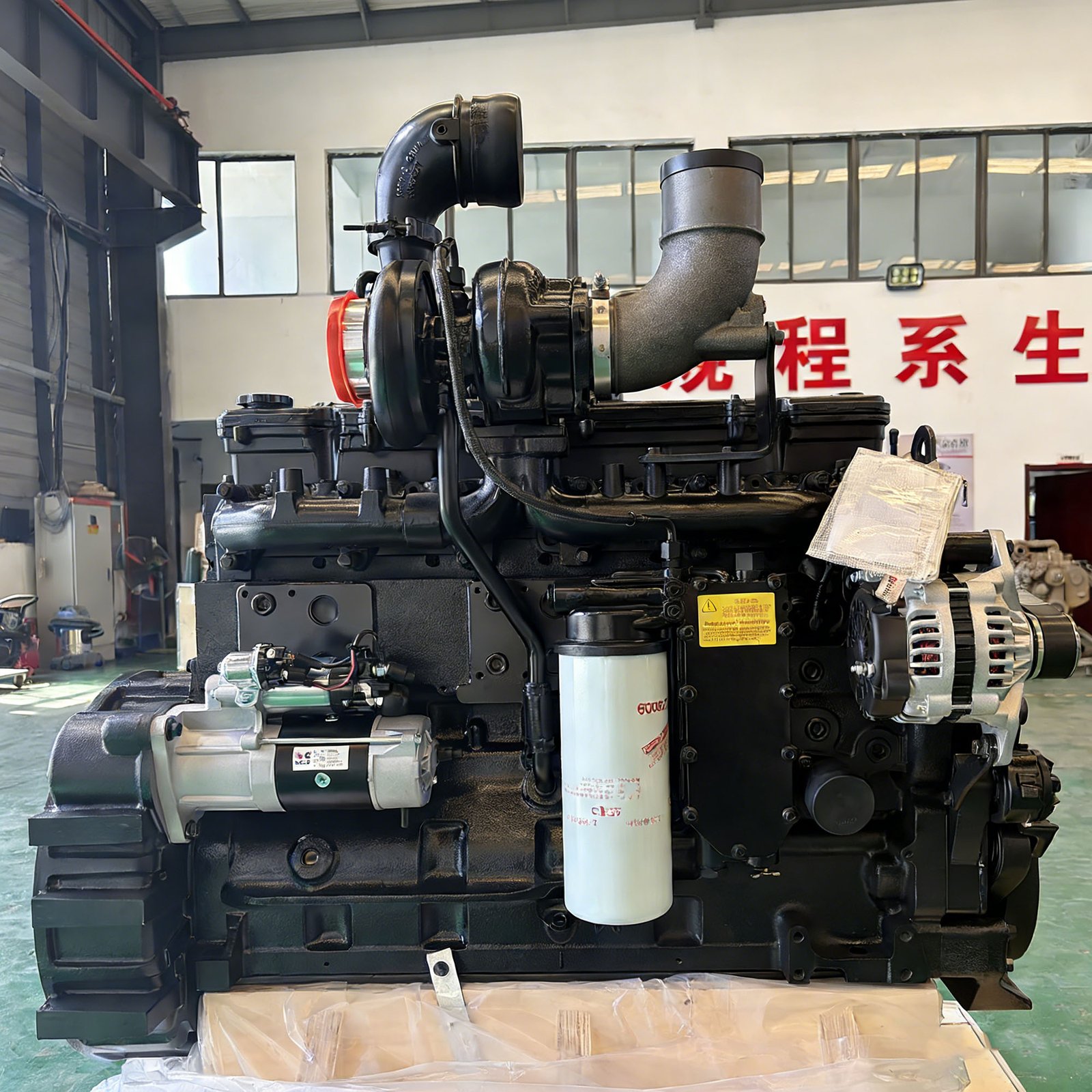
Selecting a power source for industrial machinery is a critical engineering decision. Operators must ensure the output aligns with specific workload demands. Improper sizing often leads to premature engine failure or excessive fuel consumption. How to match engine power to equipment involves analyzing mechanical loads and operational environments. This process guarantees that the machinery performs reliably under varying conditions in 2026.
Modern engines provide diverse power curves and torque profiles. Engineers must evaluate the difference between peak power and continuous duty ratings. A mismatch can cause the engine to stall under heavy loads. Conversely, an oversized engine wastes energy and increases initial capital costs. Achieving a perfect balance improves the lifespan of both the engine and the machine.
Engineers typically start by defining the primary function of the equipment. Is the machine intended for steady-state operation or variable heavy lifting? Each scenario requires a specific approach to power delivery. Understanding these fundamentals is the first step toward high-performance machinery integration.
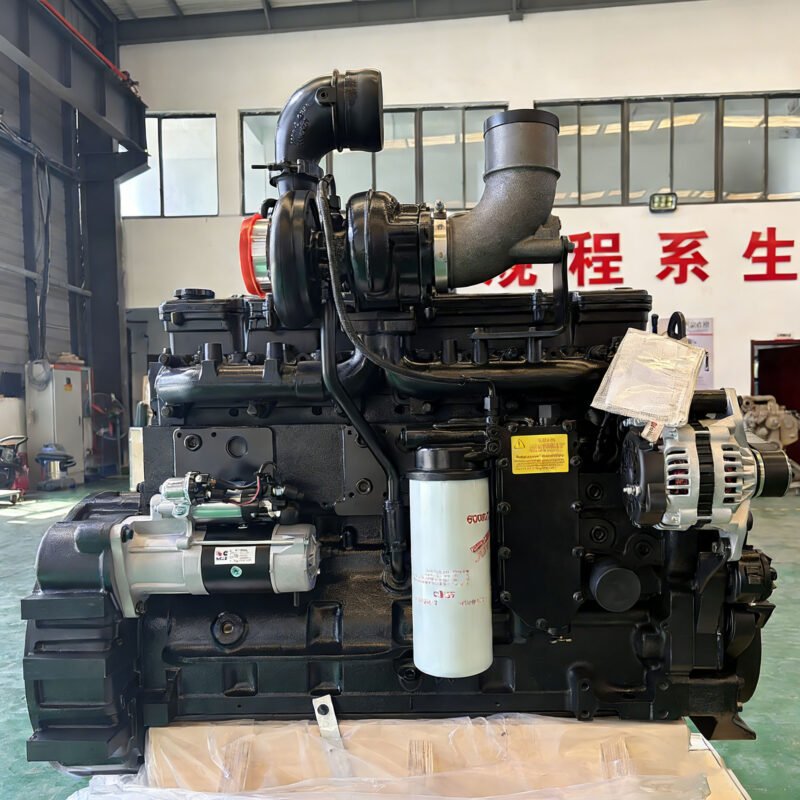
Why is Identifying the Duty Cycle Essential for Power Matching?
The duty cycle describes the typical load profile of a machine over time. It is a vital component when learning how to match engine power to equipment effectively. Standard classifications include continuous, intermittent, and heavy-duty cycles. Each rating determines how long an engine can run at a specific power level.
Defining Continuous Load Applications
Continuous duty cycles apply to machines that run at constant loads for long durations. Generators and water pumps usually fall into this category. For these applications, the engine should operate at 70% to 80% of its rated capacity. This prevents overheating and reduces mechanical wear during 24-hour operations.
Understanding Intermittent Load Variabilities
Intermittent duty cycles are common in excavators or cranes. These machines experience frequent fluctuations in power demand. The engine must handle sudden load spikes without dropping significant RPM. Matching the engine to these spikes prevents the equipment from feeling sluggish during operation.
Managing Heavy-Duty Cycle Stress
Heavy-duty cycles require engines with high thermal stability. These engines must resist heat soak during long periods of high-stress work. Choosing a smaller engine for a heavy-duty task leads to thermal fatigue. Proper duty cycle matching prevents cracked cylinder heads and internal gasket failures.
| Application Type | Load Characteristics | Recommended Power Margin |
| Pumping Systems | Constant / Steady | 10% – 15% Surplus |
| Earthmoving Equipment | Highly Variable | 20% – 25% Surplus |
| Power Generation | Continuous | 25% – 30% Surplus |
| Small Power Tools | Short Bursts | 5% – 10% Surplus |
What are the Technical Steps on How to Match Engine Power to Equipment?
The most critical step is calculating the total power requirement of the system. This includes the power needed for the primary task and all auxiliary components. How to match engine power to equipment requires a deep dive into parasitic losses. These losses come from cooling fans, alternators, and hydraulic pumps.
Calculating Parasitic Losses and Net Power
Parasitic loads can consume between 3% and 15% of the total engine output. A cooling fan alone may require up to 10 horsepower on a large industrial unit. If you ignore these factors, the remaining net power will be insufficient. Always use the Net Power rating rather than Gross Power for equipment matching.
Evaluating Torque and Horsepower Relationships
Torque is often more important than horsepower in industrial applications. Torque represents the rotational force that moves heavy loads from a standstill. An engine with high peak torque at low RPM provides better lugging capability. This allows the machine to recover quickly when encountering sudden resistance.
Analyzing the Torque Rise Factor
A high torque rise allows an engine to maintain power without downshifting. This is essential for machines like bulldozers or drilling rigs. These machines often encounter heavy resistance that slows the engine down. A well-matched engine will maintain its performance curve under increasing mechanical resistance.
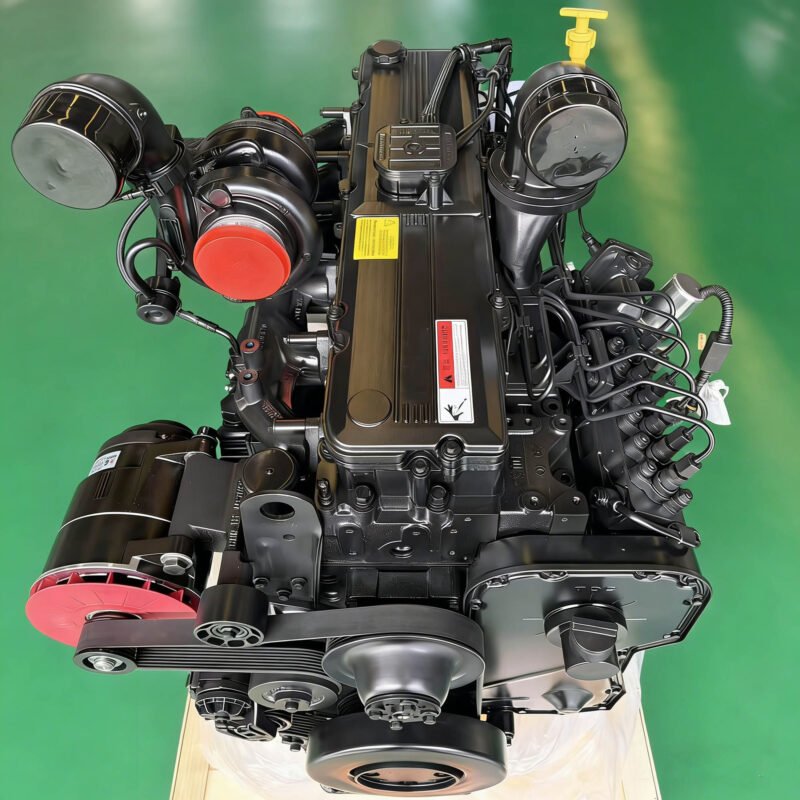
How Do Environmental Conditions Impact Power Delivery?
Environmental factors can significantly reduce available engine power. Engines are typically rated at standard sea-level conditions with moderate temperatures. High altitudes have thinner air, which reduces the oxygen available for combustion. This leads to a loss of power known as derating.
Compensating for Altitude and Air Density
Naturally aspirated engines typically lose 3% of their power for every 300 meters of elevation. Turbocharged engines handle altitude better but still experience performance degradation. Ambient temperature also plays a major role in engine efficiency. Intake air temperatures above 25°C decrease air density and combustion quality.
Managing Temperature and Cooling Capacity
Engineers must apply a derating factor if the equipment works in extreme climates. For example, a machine operating at 2,000 meters requires a larger engine than one at sea level. Failing to account for these variables results in underpowered machinery. This creates safety risks and operational delays on 2026 job sites.
Accounting for Humidity and Dust Levels
High humidity can displace oxygen in the combustion chamber, slightly reducing power. Similarly, heavy dust requires high-efficiency air filtration systems. These systems create air intake restriction, which further lowers the available net horsepower. Factoring in filtration resistance is vital for desert or mining environments.
Selecting Reliable Construction Machinery Engines for 2026 Projects?
Selecting the right power unit for construction projects requires a focus on long-term reliability. Construction environments are harsh, filled with vibration and extreme temperatures. To determine if a specific model is suitable, you must look at the cooling capacity. Specialized construction machinery engines require robust radiators to survive 10-hour shifts.
Durability Standards for 2026 Projects
When evaluating engine options, consider the ease of maintenance. An engine that is easy to service will have less downtime on a project. Check the placement of oil filters, fuel filters, and air cleaners. In the construction industry, time spent on maintenance is money lost on the project.
Integration and Emissions Compliance
Furthermore, compliance with 2026 emission standards is mandatory in many regions. These systems add complexity to the engine matching process. They require specific backpressure limits on the exhaust system. Ensure the engine you choose integrates seamlessly with your equipment’s exhaust layout.
Global Support and Part Availability
Finally, consider the manufacturer’s support network. Even a perfectly matched engine will eventually need replacement parts. Access to global shipping and technical support is a major judgment standard for professionals. Choosing a reputable brand ensures your equipment stays operational for years to come.
Summary
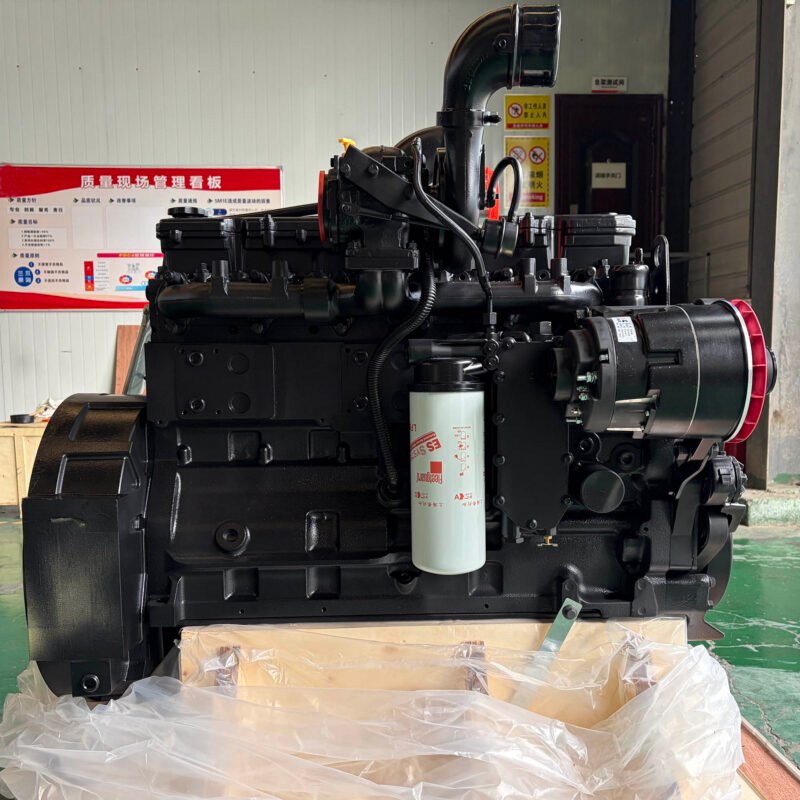
Correctly matching an engine to equipment involves balancing net power, torque, and environmental derating. Operators must prioritize duty cycles and account for parasitic losses from auxiliary systems in 2026. By applying a 10-20% safety margin and selecting high-torque models, you ensure long-term reliability and fuel efficiency for any industrial application.
FAQ
1. What happens if I use an engine with too much power?
Using an oversized engine leads to wet stacking in diesel engines, where unburnt fuel accumulates. It also results in higher initial costs and unnecessary fuel consumption during low-load periods. The most efficient system matches the engine size to the average peak load.
2. How do I calculate the net power required for my machine?
Sum the power needed for the main task, then add the requirements for hydraulics, cooling fans, and electrical systems. Multiply this total by a safety factor of 1.1 or 1.2 to find the required engine rating. This calculation ensures the engine handles peak demands without stalling.
3. Does altitude really affect engine power that much?
Yes, altitude significantly reduces power because there is less oxygen for combustion. For every 1,000 feet of elevation, a naturally aspirated engine can lose about 3% of its rated horsepower. Operators must use derating charts to adjust power expectations for mountain work.
4. What is the difference between peak torque and rated torque?
Rated torque is the force produced at the engine’s rated speed. Peak torque is the maximum force the engine can produce, usually at a lower RPM. Peak torque is more important for starting heavy loads or climbing steep grades.
5. Why is the 2026 emission standard important for matching?
Modern 2026 standards require advanced after-treatment systems like DPF or SCR. These systems create exhaust backpressure that the engine must overcome. Ignoring exhaust restriction can lead to reduced engine efficiency and frequent regeneration cycles.
Reference Sources
DieselNet. Engine Performance and Drive Cycles Technical Guide.

