
What Is the Difference: High vs Low RPM Diesel?

Choosing the correct engine for industrial applications requires a deep understanding of rotational speed. The debate regarding a high rpm vs low rpm diesel engine is essential for optimizing performance. Diesel engines operate by igniting fuel through the heat of compression. The speed of this process is measured in revolutions per minute, or RPM. This measurement determines how much power the engine can produce in a specific timeframe.
In 2026, industrial standards emphasize efficiency and power density more than ever. Engineers categorize these power plants into distinct groups based on their operating velocity. Low-speed engines usually run below 300 RPM. Medium-speed variants operate between 300 and 1,000 RPM. High-speed engines function at rates exceeding 1,000 RPM. Each category serves a specific purpose in the global infrastructure.
The mechanical architecture of these engines varies to handle different physical stresses. A high rpm vs low rpm diesel engine comparison highlights the trade-offs between size and longevity. Fast engines require lightweight parts to move quickly. Slow engines utilize massive components to withstand immense pressure. This guide explores these differences to help you select the best power source.
What Are the Technical Differences Between High and Low RPM Diesel Engines?
Low-speed diesel engines are the giants of the mechanical world. They are typically two-stroke engines used in massive maritime vessels. These engines often have a stroke length exceeding two meters. This long stroke allows the fuel to burn completely and efficiently. Thermal efficiency in these units can exceed 55% in 2026 designs.
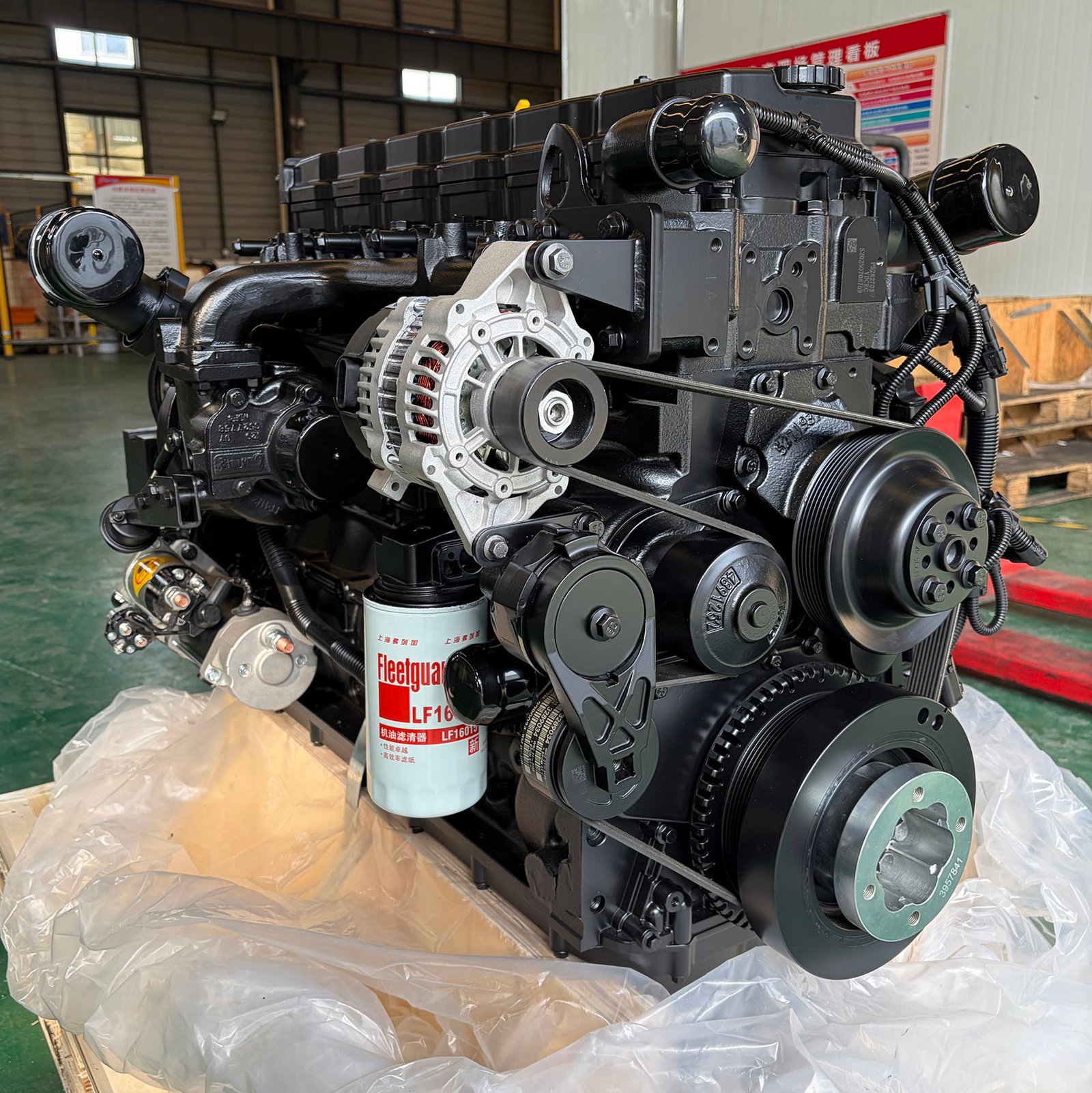
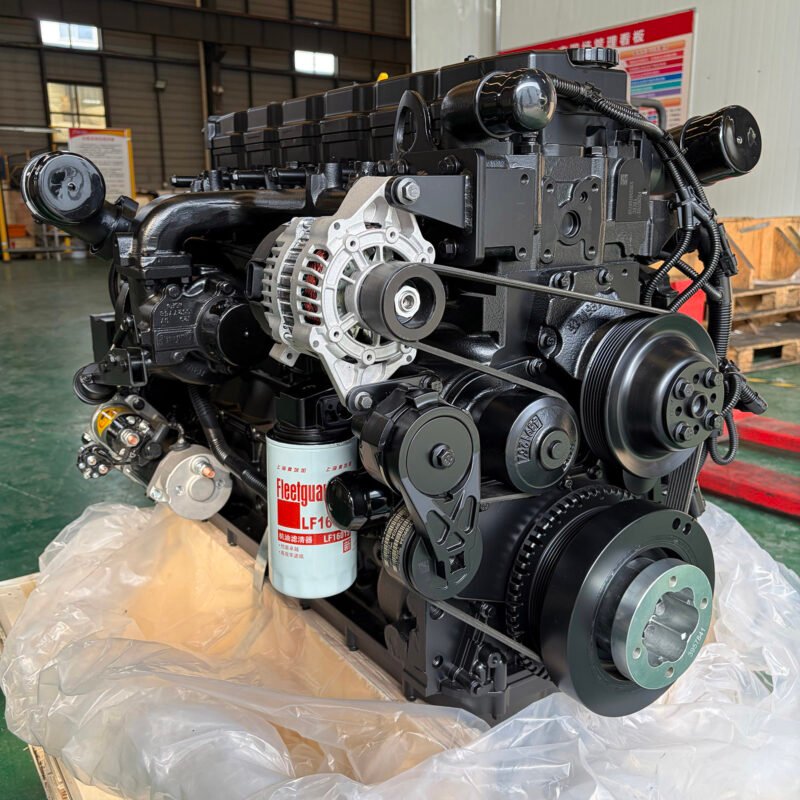
High-speed diesel engines are much more compact and versatile. They usually follow a four-stroke cycle common in mobile equipment. These engines provide the rapid acceleration needed for modern transport. Their RPM often ranges from 1,500 to 4,000 during standard operation. Power density is the primary advantage of high-speed diesel technology.
Piston Speed and Combustion Cycles
Piston speed is a critical metric for engine health. Even though a low-speed engine turns slowly, its pistons travel a great distance. Average piston speeds for slow engines are around 8 to 9 meters per second. High-speed engines have shorter strokes but move much faster. Their piston speeds often reach 12 to 15 meters per second.
Fuel Quality and Consumption Patterns
Low-speed engines are famous for their ability to burn heavy fuel oil. This fuel is cheaper but requires heating before injection. High-speed engines require refined diesel or high-quality biofuels. In 2026, fuel filtration systems have become extremely advanced. High-speed units consume more fuel per unit of energy produced compared to slow units.
Weight and Installation Requirements
The physical footprint of an engine dictates its application. A low-speed engine can weigh several hundred tons and stand three stories high. They are built directly into the structure of a ship. High-speed engines are modular and easy to transport. This makes high-speed engines the only viable choice for mobile machinery.
| Metric | Low-Speed Diesel | High-Speed Diesel |
| Typical RPM | 60 – 300 | 1,500 – 4,500 |
| Operational Life | 100,000+ Hours | 15,000 – 25,000 Hours |
| Thermal Efficiency | ~55% | ~40% |
| Torque per Liter | Extremely High | Moderate |
| Common Application | Large Ships | Construction Equipment |
Key Factors in Torque and Power Delivery for High RPM vs Low RPM Diesel Engine Models?
Torque is the actual turning force that does the work. When comparing a high rpm vs low rpm diesel engine, torque delivery is the most obvious difference. Low-speed engines produce massive torque at the bottom of the RPM range. This allows them to turn large propellers or generators without gears. A large marine engine can produce over 7.5 million Nm of torque.
High-speed engines rely on frequency to generate total horsepower. Horsepower is calculated by multiplying torque by RPM and dividing by a constant. Since these engines spin faster, they don’t need as much torque per revolution. This allows the engine components to be smaller and lighter. Efficiency in 2026 focuses on maintaining high torque across a wider RPM band.
Understanding the Torque Curve
The torque curve shows how much force is available at different speeds. Low-speed engines have a very flat and consistent torque curve. High-speed engines usually have a “peak” where they perform best. Operators must stay within this power band for maximum productivity. Modern electronic controls help keep high-speed engines in their optimal range.
Power-to-Weight Ratio Advantages
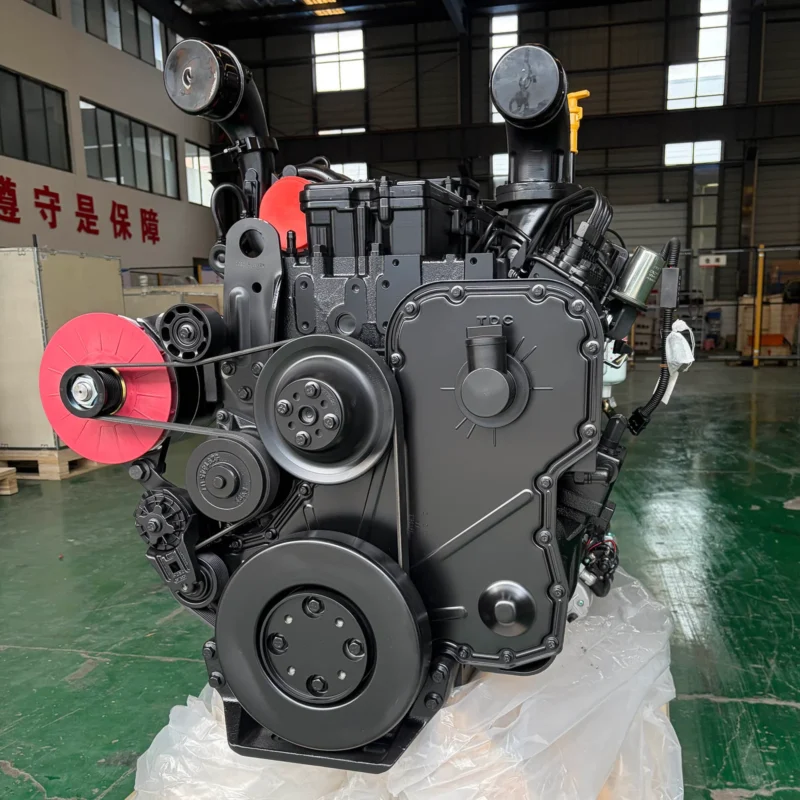
High-speed engines offer the best power-to-weight ratio in the industry. This is critical for machines that must move their own weight. An excavator needs an engine that is powerful but small. If it used a low-speed engine, the machine would be too heavy to move. High-speed diesel is the backbone of the mobile industrial sector in 2026.
Response Time and Transient Loads
Transient load refers to a sudden increase in work demand. High-speed engines respond almost instantly to throttle changes. Their low rotational inertia allows them to rev up quickly. Low-speed engines take much longer to stabilize after a load change. This responsiveness is why high-speed engines dominate the construction market.
How Speed Impacts Engine Durability and Maintenance Costs in 2026?
Longevity is a major concern for any equipment owner. A high rpm vs low rpm diesel engine comparison usually favors the slow engine for durability. Slow engines complete fewer combustion cycles over their lifetime. This results in significantly less wear on the cylinders and bearings. Many low-speed engines operate for decades without a major overhaul.
High-speed engines face greater internal stresses due to velocity. The constant direction changes of the pistons create significant vibration. In 2026, new alloys have improved the life of fast engines. However, they still require more frequent maintenance than slow-speed counterparts. Maintenance intervals for high-speed diesels usually occur every 500 operating hours.
Frictional Wear and Heat Management
Friction generates heat, which is the enemy of engine components. High-speed engines produce more heat in a smaller physical area. This requires high-performance cooling systems and synthetic lubricants. Low-speed engines have a larger surface area to dissipate heat. This makes them less prone to catastrophic thermal failure.
The Role of Lubrication in 2026
Lubrication technology has advanced rapidly to support high-speed designs. Modern oils must maintain a protective film at high temperatures. High-speed engines are more sensitive to oil contamination. Even small particles can cause damage at high rotational speeds. Low-speed engines are more tolerant of slight variations in oil quality.
Vibration and Fatigue Analysis
Vibration leads to metal fatigue and bolt loosening. High-speed engines generate high-frequency vibrations that can be destructive. Engineers use balance shafts and dampened mounts to fix this. Low-speed engines produce low-frequency pulses that are easier to manage. In 2026, active vibration cancellation is becoming common in high-end engines.
How to Choose the Right Engine for Your 2026 Projects?
Selecting an engine depends on the specific requirements of your job site. If you are operating a stationary power plant, a lower RPM is better. It will provide a longer service life and better fuel economy. However, for mobile equipment, you must prioritize weight and size. The versatility of a high rpm vs low rpm diesel engine depends on the application.
When sourcing reliable construction machinery engines, pay attention to the rated RPM. Most modern excavators and loaders are designed for engines running at 1,800 to 2,200 RPM. This speed matches the requirements of standard hydraulic pumps. Using an engine with the wrong speed can damage your entire hydraulic system. Always verify the compatibility between the engine speed and the drivetrain.
The decision-making process should also consider environmental regulations. In 2026, emission standards like Stage V and Tier 4 Final are strictly enforced. High-speed engines are easier to equip with modern after-treatment systems. These systems include Diesel Particulate Filters and Selective Catalytic Reduction. Choosing a high-speed engine often makes compliance with 2026 laws much simpler.
Finally, look at the total cost of ownership over five years. High-speed engines are generally cheaper to purchase initially. They also have a larger network of spare parts and technicians. While they may wear out faster, their ease of replacement is an advantage. For most construction fleets, the high-speed diesel remains the most profitable choice.
Summary
In conclusion, the choice between a high rpm vs low rpm diesel engine comes down to your need for power density versus absolute longevity. Low-speed engines are the kings of efficiency and durability for massive, stationary tasks. High-speed engines provide the essential portability and responsiveness required for the demanding construction and transport sectors of 2026.
FAQ
1. What is the main advantage of a high RPM diesel engine?
High-speed engines offer superior power density and a compact size for mobile applications. This allows them to fit into small engine bays in trucks and excavators while providing high horsepower. Their rapid response to throttle changes makes them ideal for variable work environments.
2. Why do maritime ships prefer low RPM engines?
Large ships require extreme thermal efficiency and the ability to turn massive propellers directly. Low-speed engines can reach over 50% efficiency and run on cheaper, heavy fuel oils. Their immense durability allows them to operate for 100,000 hours or more across oceans.
3. Does a high RPM diesel engine consume more fuel?
Generally, yes, because they have higher frictional losses and shorter combustion windows. While modern 2026 technology has improved them, they still typically lag behind the thermal efficiency of slow-speed engines. However, their lower weight can save fuel in mobile transport by reducing the total vehicle mass.
4. Which engine type is easier to maintain in 2026?
High-speed engines are usually easier to maintain because of their modular design and parts availability. You can find technicians and components for brands like Cummins or Isuzu almost anywhere. Low-speed engines require specialized maritime engineers and custom-made parts for repairs.
5. How does RPM affect the torque of a diesel engine?
Torque is generally higher in low RPM engines because of their longer piston strokes and massive displacement. High-speed engines compensate for lower torque by spinning faster to achieve high horsepower. For heavy lifting at a standstill, the high torque of a low-speed design is unbeatable.
Reference Sources
Cummins Inc. Engine Speed and Power Ratings Guide
MAN Energy Solutions Marine Engine Division Data
Caterpillar Industrial Engine Specifications and Applications
Society of Automotive Engineers Research on Diesel Combustion

