
Choosing an Industrial Diesel Engine for Power

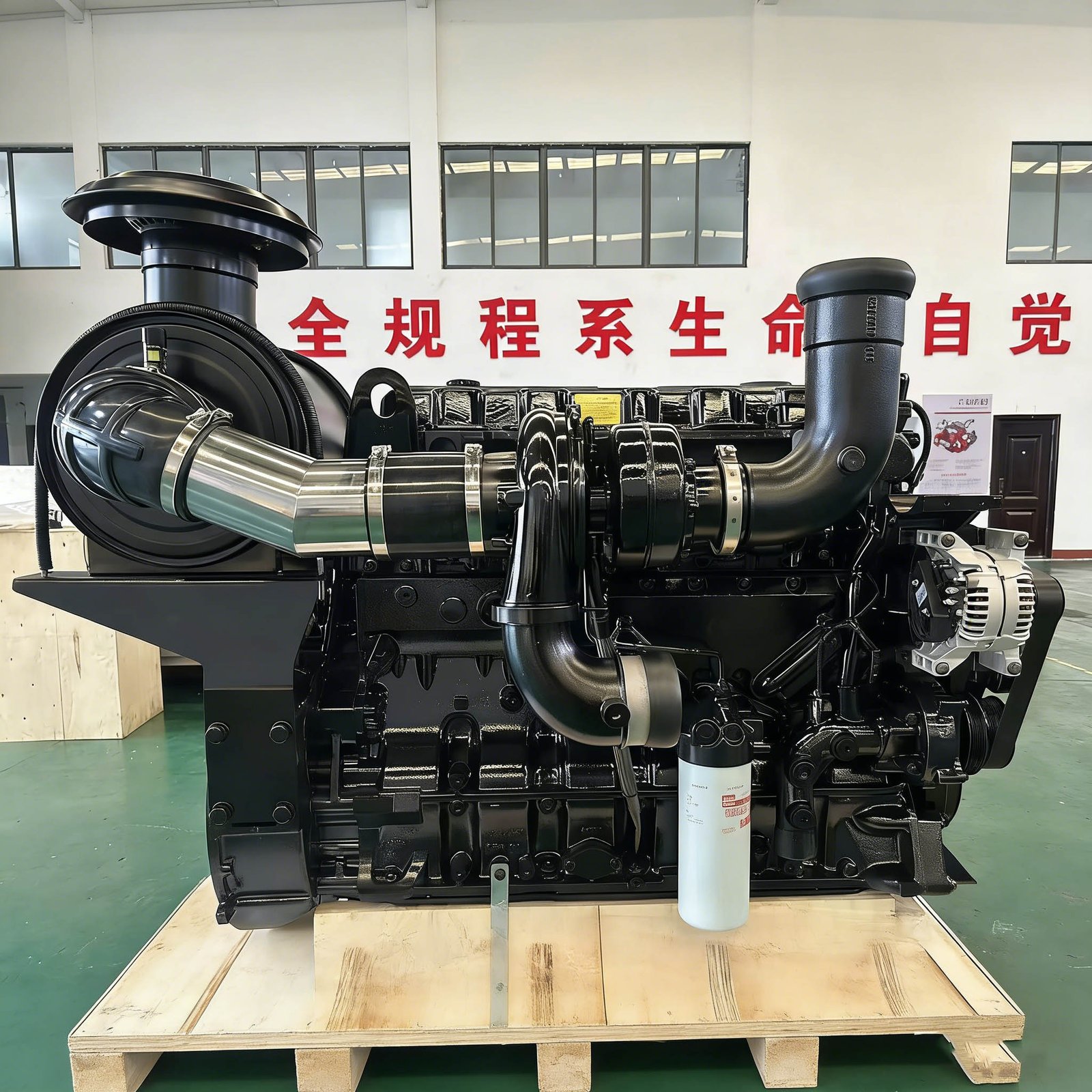
Reliable electricity is the foundation of modern global industry. Facilities need consistent power to maintain high production levels and ensure worker safety. Choosing an industrial diesel engine for power generation is a major capital investment for any plant. These machines provide the high torque required for heavy-duty electrical loads.
Diesel remains the dominant fuel source for industrial applications in 2026. This is due to its impressive energy density and ease of storage. An industrial diesel engine for power generation utilizes compression ignition for superior thermal efficiency. This process converts chemical energy into mechanical force more effectively than gasoline engines.
Most industrial engines operate with a thermal efficiency between 35% and 48%. This range ensures that more fuel is converted into actual power rather than wasted heat. Selecting the correct engine involves analyzing your specific facility requirements. A mismatched engine can lead to high costs and frequent mechanical downtime.
Why Is a Diesel Engine the Standard for Industrial Power?
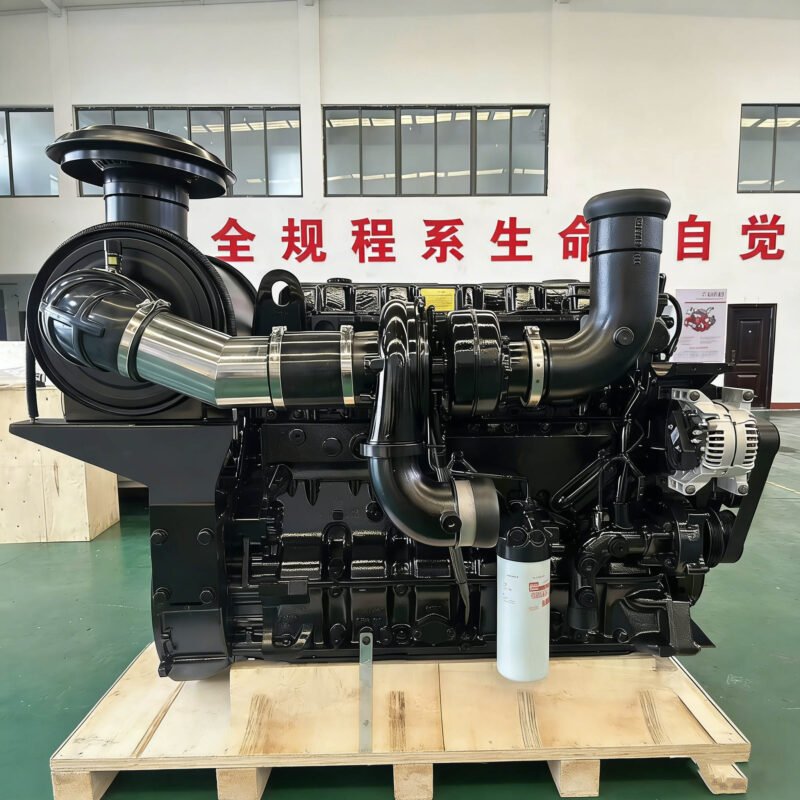
Diesel engines are engineered for extreme durability in harsh environments. They lack the complex spark-ignition systems found in other internal combustion engines. This simplicity reduces the number of potential failure points during long-term operation. Many industrial units can run for thousands of hours with only basic maintenance.
The energy density of diesel fuel is a significant advantage for large facilities. It provides approximately 38 megajoules of energy per liter of fuel consumed. This is nearly 15% higher than the energy provided by standard gasoline. Consequently, an industrial diesel engine for power generation offers longer run times between refueling.
In 2026, safety remains a top priority for industrial site managers. Diesel fuel is much less flammable than gasoline or natural gas. This lower volatility makes it safer to store large quantities on-site. It is the ideal choice for hospitals, data centers, and underground mining operations.
Key Factors When Selecting an Industrial Diesel Engine for Power Generation
Load capacity is the first technical metric you must evaluate carefully. Engines are typically rated for standby, prime, or continuous power applications. Standby ratings are intended for emergency use during a grid outage. Prime ratings allow for variable loads over an unlimited number of hours.
Continuous power ratings are for constant loads that do not change significantly. You must ensure the engine displacement matches your maximum peak electrical demand. Industrial diesel engines for power generation often range from 2.0 to over 90 liters. Larger displacement engines usually provide higher torque at lower rotational speeds.
Operating an engine at lower RPMs reduces the wear on internal components. This practice can extend the life of the crankshaft and main bearings. High-quality engines often feature heavy-duty cast-iron blocks to handle high cylinder pressures. These structural designs are essential for maintaining stability during sudden load changes.
| Application Type | Load Profile | Annual Run Hours | Overload Capacity |
| Standby Power | Variable | Max 200 Hours | No Overload |
| Prime Power | Variable | Unlimited | 10% for 1 Hour |
| Continuous Power | Constant | Unlimited | No Overload |
| Peak Shaving | Variable | 500-1000 Hours | Usually None |
How Does Load Factor Impact Engine Longevity?
The load factor is the average load applied to the engine over time. Operating an industrial diesel engine for power generation at low loads is harmful. This often leads to a condition known as “wet stacking” in the exhaust. It occurs when fuel does not burn completely due to low temperatures.
Ideally, you should maintain a load factor between 60% and 80%. This range ensures that cylinder temperatures stay high enough for complete combustion. It also prevents the buildup of carbon deposits on the piston rings. Maintaining the correct load factor can double the engine’s operational lifespan.
In 2026, many engines use intelligent controllers to manage load distribution. These systems can automatically start or stop multiple units to stay efficient. This prevents any single engine from running at an inefficiently low load. Proper load management reduces fuel consumption by up to 12% annually.
Technical Performance and Reliability Metrics
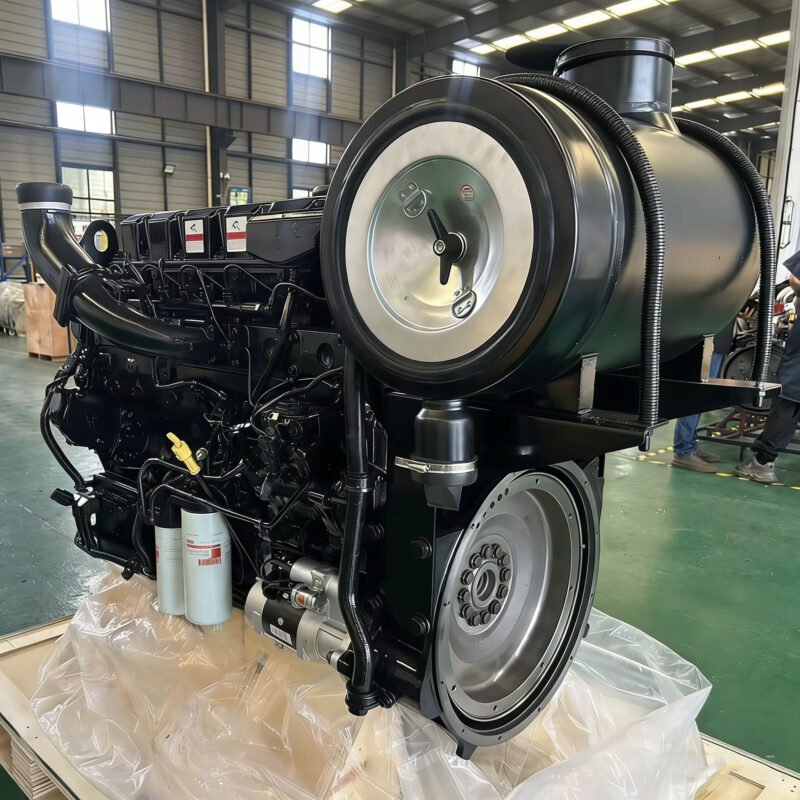
Reliability is calculated using the Mean Time Between Overhauls (MTBO). Top-tier engines often reach 20,000 to 30,000 hours before needing a major rebuild. This longevity depends on the quality of the cooling and lubrication systems. Industrial engines require high-capacity oil pans to maintain lubrication for long cycles.
The cooling system must be sized for the highest expected ambient temperatures. Many industrial diesel engines for power generation use advanced liquid cooling jackets. These jackets circulate coolant around the combustion chambers to prevent localized hotspots. In 2026, high-efficiency radiators use aluminum cores to improve heat dissipation.
Turbocharging technology is also a standard feature for modern industrial engines. A turbocharger increases the mass of air entering the engine cylinders. This allows the engine to burn more fuel and produce more power. Intercoolers are used to cool the compressed air before it enters the engine.
Operational Costs and Environmental Considerations in 2026
The Total Cost of Ownership (TCO) includes fuel, maintenance, and initial purchase. Fuel is usually the largest expense over the life of the engine. Even a small increase in fuel efficiency can save thousands of dollars. Industrial diesel engines for power generation are becoming more efficient every year.
Maintenance costs are influenced by the availability of high-quality spare parts. Engines with modular designs allow for faster repairs and less downtime. You should look for engines that offer easy access to filters and pumps. Standardized parts help keep the cost of routine service manageable for operators.
Environmental regulations in 2026 require lower emissions for all industrial machinery. Modern engines use Selective Catalytic Reduction (SCR) to reduce nitrogen oxide emissions. They also feature Diesel Particulate Filters (DPF) to capture soot from the exhaust. These technologies ensure that your facility remains compliant with local air quality laws.
How to Evaluate a Reliable Engine Provider?
Choosing the right provider is as important as choosing the engine itself. You need a partner that offers comprehensive technical documentation and support. A reliable provider should offer a variety of engine configurations for different needs. They must also guarantee the long-term availability of critical engine components.
When you investigate potential sources, consider the breadth of their product line. Facilities often look for specialized equipment and browse the extensive range of high-performance power generation engines to meet their specific needs. This selection allows you to compare different power outputs and fuel consumption rates.
An experienced provider will help you calculate the derating factors for your site. Altitude and ambient temperature can significantly reduce the effective power output of an engine. Professional guidance ensures that you do not purchase an undersized unit for your environment. Always prioritize providers with a proven track record in the industrial energy sector.
Summary
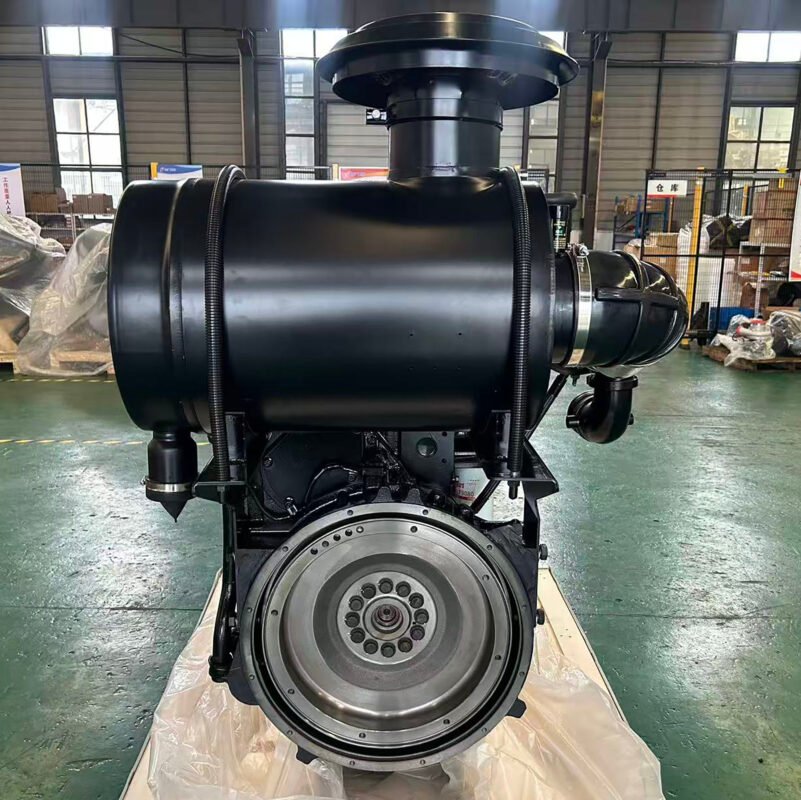
The best engine for industrial power generation is a high-displacement diesel unit with a high thermal efficiency rating. These engines provide the reliability and safety required for heavy industrial operations in 2026. By matching the engine to your specific load profile, you ensure long-term performance and lower operational costs.
FAQ
1. What is the most efficient fuel for industrial power?
Diesel remains the most efficient choice because of its high energy density and superior thermal efficiency. It provides more power per liter than gasoline or natural gas in most industrial applications.
2. How many hours will an industrial engine last?
A well-maintained industrial diesel engine for power generation typically lasts between 15,000 and 30,000 hours. The exact lifespan depends on the load factor and the quality of regular maintenance.
3. What is the impact of altitude on engine power?
Altitude reduces the density of the air, which limits the amount of oxygen for combustion. Engines generally lose about 3% of their rated power for every 300 meters of elevation gain.
4. Why is wet stacking a problem for diesel engines?
Wet stacking occurs when an engine runs at a light load for too long. This causes unburned fuel to leak into the exhaust, which can damage the engine components.
5. How often should I perform maintenance in 2026?
In 2026, most industrial engines require basic service every 250 to 500 hours of operation. This includes changing the oil, replacing filters, and inspecting the cooling system for leaks.
Reference Sources
Diesel Technology Forum. The Future of Diesel Power and Efficiency Standards.
Electrical Generating Systems Association. Industry Best Practices for On-Site Power Generation.

