
How to Select a Diesel Engine for Fire Pump

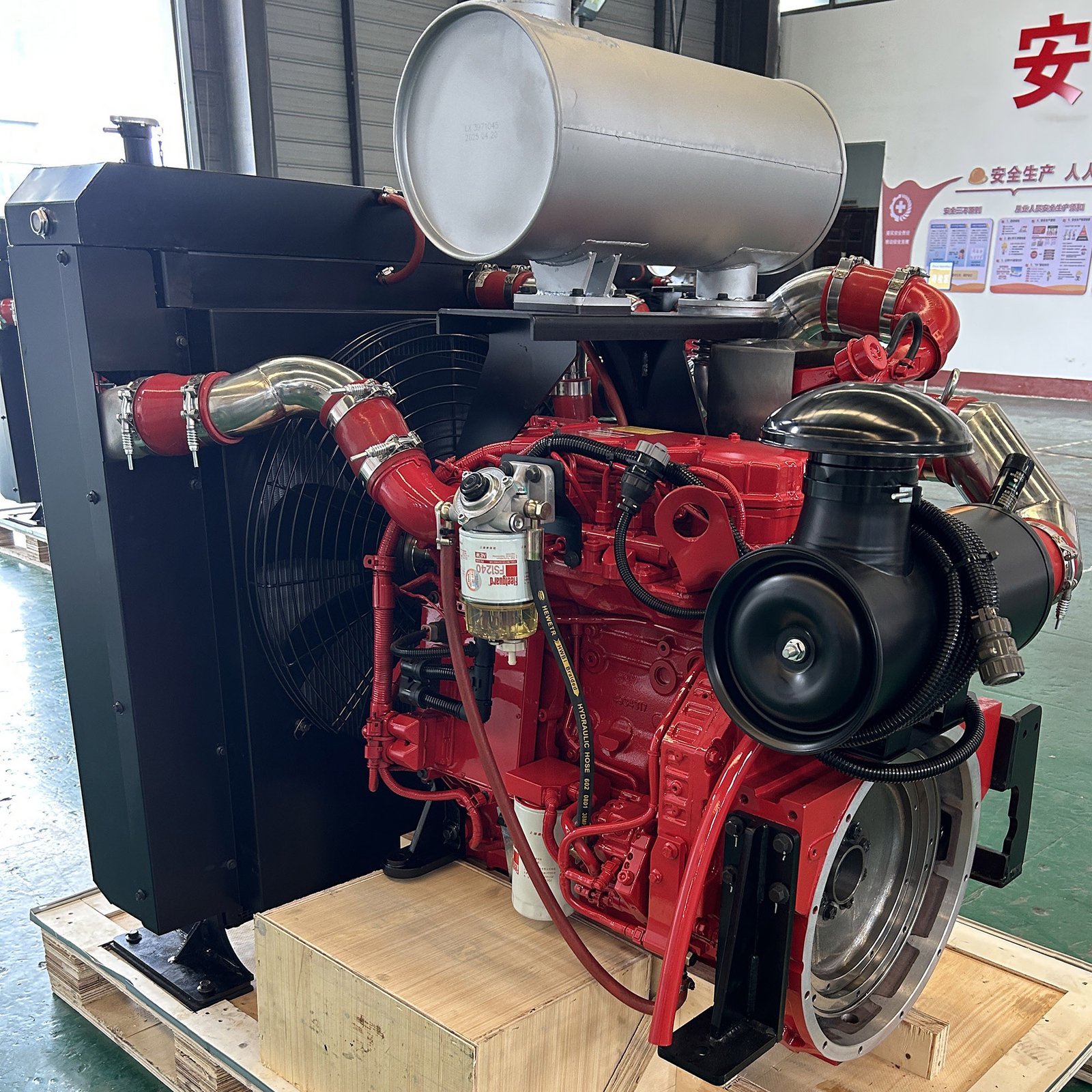
Choosing a diesel engine for fire pump applications is a vital task for modern building safety. In 2026, these engines remain the primary power source for fire suppression when electrical grids fail. Reliability is the most critical factor during the selection process. A fire pump engine must ignite instantly and run under extreme loads. Engineers must balance regulatory compliance with mechanical robustness. This ensures the system remains operational during life-threatening emergencies.
The diesel engine for fire pump acts as a standalone powerhouse for industrial and residential safety. These units are designed for intermittent but very high-intensity operations. They often sit idle for long periods in a standby state. However, they must reach full operating speed within seconds of a command. Understanding the technical nuances helps facility managers mitigate operational risks effectively. Every component must meet rigorous performance benchmarks defined by international safety codes.
Selecting the right equipment involves more than just checking a simple horsepower rating. You must evaluate environmental conditions, starting mechanisms, and maintenance accessibility. This guide provides a deep dive into the standards and technical specifications required. Following these 2026 guidelines ensures your fire protection system remains dependable for years. A well-selected diesel engine for fire pump is the heart of any effective fire safety strategy.
What are the Key Standards for a Diesel Engine for Fire Pump?
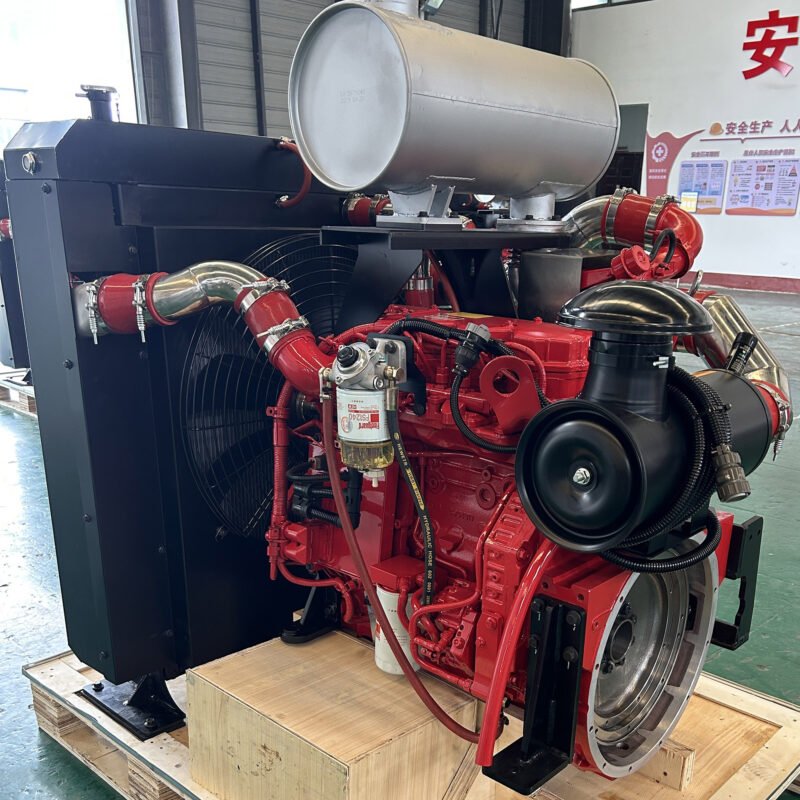
National and international regulations strictly govern the design of a diesel engine for fire pump. The most recognized global standard is NFPA 20, issued by the National Fire Protection Association. This standard outlines the performance requirements for all stationary fire pump drivers. It specifies that engines must be dedicated solely to fire protection duties. They cannot be shared with secondary systems like emergency backup generators.
NFPA 20 requires that the engine power exceeds the maximum power required by the pump. Specifically, the engine must have a rated power at least 10% greater than the peak demand. This reserve capacity handles sudden pressure surges or mechanical friction within the system. The engine must also achieve its full operating speed within 20 seconds after starting. Such rapid response times are essential for immediate water delivery to sprinkler systems.
Beyond NFPA, certification from Underwriters Laboratories (UL) and Factory Mutual (FM) is often mandatory. A UL-listed or FM-approved diesel engine for fire pump has undergone destructive testing. These tests confirm the engine can operate at 110% of its rated horsepower continuously. Listed engines feature specialized speed governors to prevent dangerous overspeeding events. Always verify that your specific engine model carries these 2026 safety certifications before installation.
Instrumentation and Monitoring Requirements
Modern fire pump engines must include comprehensive instrumentation for real-time monitoring. Gauges for oil pressure, water temperature, and battery voltage are standard requirements. These instruments allow maintenance teams to verify system health during weekly test runs. In 2026, many engines feature digital displays for easier data logging. Accurate instrumentation reduces the likelihood of undetected mechanical failures.
Governor and Speed Control Standards
The governor on a diesel engine for fire pump must be a mechanical or electronic type. It is designed to maintain the engine speed within a 10% range of the rated RPM. If the engine exceeds its rated speed by more than 20%, an overspeed shutdown occurs. This safety feature protects the pump from catastrophic mechanical damage. Reliable speed control is a fundamental requirement for system stability.
How to Calculate Power for Your Diesel Engine for Fire Pump?
Calculating the required horsepower involves analyzing the pump’s performance curve carefully. You must find the “brake horsepower” (BHP) at the most demanding point of operation. This point usually occurs at 150% of the pump’s rated flow capacity. If a pump is rated for 2,000 GPM, the engine must handle the load at 3,000 GPM. Selecting an undersized engine can lead to stalling during a major fire event.
Environmental factors like altitude and temperature significantly impact engine performance. High altitudes and extreme heat reduce air density, which lowers combustion efficiency. Standard ratings are typically based on an altitude of 300 feet (91 meters). Ambient temperatures are assumed to be 77°F (25°C) for standard rating calculations. Engineers must apply “derating” factors if the site conditions exceed these values.
| Environmental Factor | Standard 2026 Derating Guidance | Calculation Adjustment |
| Altitude | 3% loss per every 1,000 feet (300m) above 300ft | Multiply BHP by derating percentage |
| Temperature | 1% loss per every 10°F (5.6°C) above 77°F | Adjust for maximum expected heat |
| Combined Loss | Cumulative effect of heat and altitude | Apply both factors to the total BHP |
Failure to account for these environmental variables is a common engineering mistake. In tropical or mountainous regions, engines can lose 15% to 20% of their power. Professionals use the SAE J1349 standard to calculate these losses with high precision. Always choose an engine that meets the adjusted power requirement after all calculations. This ensures the diesel engine for fire pump remains robust regardless of the local climate.
Understanding Peak Load Calculations
Peak load calculations must consider the specific gravity of the fluid being pumped. While fire systems mostly pump water, some foam-based systems require higher torque. The engine must be capable of starting against a closed discharge valve if necessary. This creates a high initial load that the engine must overcome. Adequate torque at low RPMs is essential for successful system ignition.
Redundancy in Power Planning
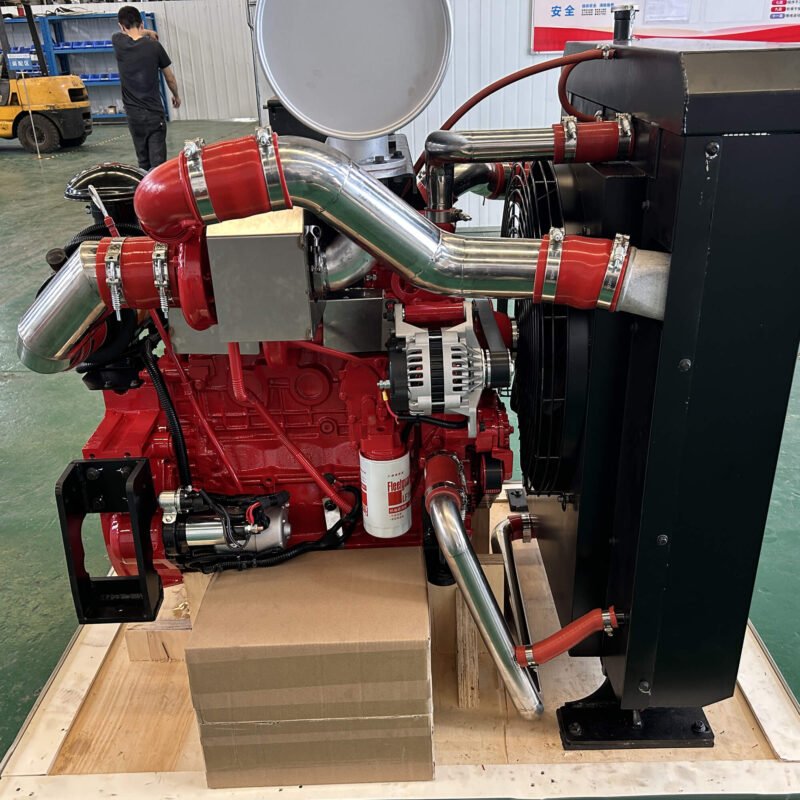
Redundancy is built into the power planning phase by using the 10% safety margin. This margin accounts for engine wear and tear over its service life. Over the years, carbon buildup can slightly reduce an engine’s maximum power output. The 10% buffer ensures the engine still meets the pump’s peak requirements in 2026 and beyond. A conservative approach to power calculation is the safest path for engineers.
Essential Design Features for High-Reliability Engines
The cooling system is a critical component for any diesel engine for fire pump. Standard radiators are common, but heat exchangers are often preferred for larger installations. A heat exchanger uses a portion of the fire water to cool the engine’s internal coolant. This design is highly efficient and saves significant floor space in the pump room. It also removes the risk of cooling fan failure during an emergency.
Fuel systems must follow strict safety protocols to ensure continuous operation. NFPA 20 dictates that the fuel tank must hold enough diesel for 8 hours of runtime. For a high-capacity diesel engine for fire pump, this requires a substantial tank. The fuel tank should be located near the engine to reduce the length of fuel lines. Using clean Number 2 diesel fuel is recommended to prevent fuel injector clogging.
Redundant Starting Mechanisms
Starting systems for these engines must be redundant to ensure maximum reliability. Most 2026 installations utilize dual battery sets and two independent electric starters. If the primary battery fails, the controller automatically engages the secondary set. In specialized high-risk environments, hydraulic or pneumatic starters are used as a backup. Redundant starting ensures the engine activates whenever a fire signal is detected.
Exhaust System Insulation and Safety
The exhaust system reaches very high temperatures during full-load operation. Proper insulation is mandatory to prevent the exhaust pipes from becoming an ignition source. Using exhaust blankets or ceramic coatings protects the engine room from excessive heat. The exhaust must be piped safely to the outdoors and away from any building air intakes. Effective exhaust management is a key part of the overall safety design.
Evaluating Water Pump Engines for Performance
When selecting a project-specific diesel engine for fire pump, look for heavy-duty construction. High-quality engines feature forged steel crankshafts and reinforced engine blocks. These materials help the unit withstand the vibration of sudden high-speed starts. Evaluating the torque curve is essential to ensure a perfect match with the pump’s impeller design. Modern water pump engines are built to handle the unique stresses of fire protection duty.
Understanding the selection criteria for professional water pump engines helps in choosing a long-term partner. Providers in 2026 offer a wide range of configurations from compact units to massive turbocharged models. Reliable suppliers ensure their engines are fully compatible with standard fire pump controllers. This compatibility reduces installation errors and ensures seamless communication between system components. Choosing a reputable manufacturer is as important as the engine’s mechanical specs.
Maintenance accessibility is another factor that impacts long-term performance and reliability. A well-designed diesel engine for fire pump allows easy access to all service points. Technicians must be able to change filters and check oil levels without specialized tools. Engines with advanced electronic control modules (ECM) provide detailed diagnostic data. This data is invaluable for identifying potential issues during routine 2026 maintenance inspections.
The engine’s speed rating also influences the overall system design and longevity. Standard speeds for a diesel engine for fire pump include 1500, 1800, or 3000 RPM. Higher speed engines are often more compact and lower in initial cost. However, lower speed engines generally experience less mechanical wear over time. Select the speed that best aligns with your pump’s hydraulic performance requirements.
Summary
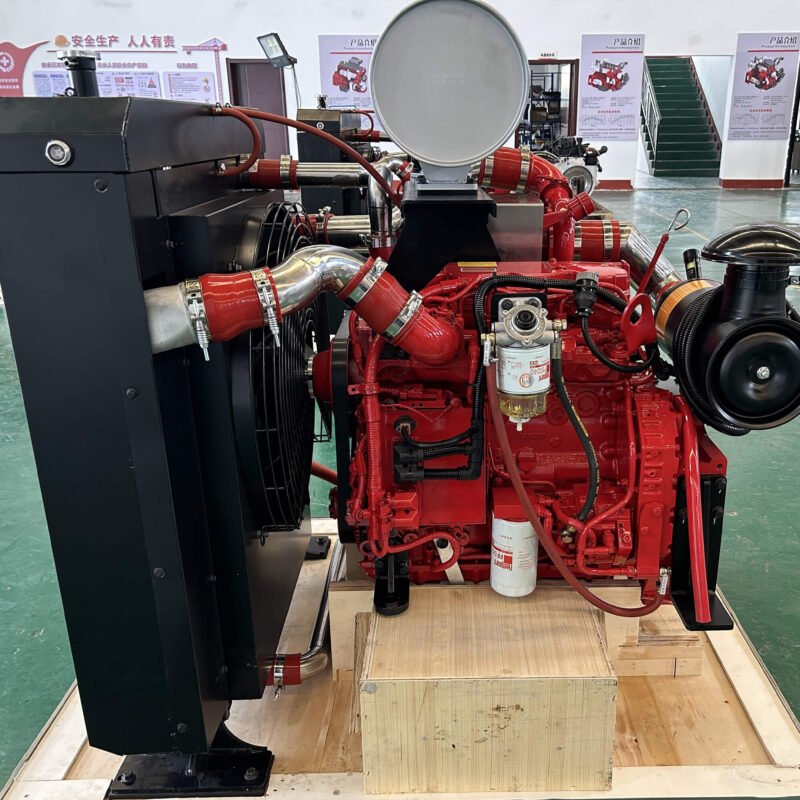
Selecting a diesel engine for fire pump requires verifying NFPA 20 compliance and calculating precise power needs. You must account for environmental derating and ensure the inclusion of redundant starting systems. Choosing high-quality engines from established manufacturers guarantees the long-term safety of your facility in 2026. A reliable fire pump engine is the most critical investment for emergency water supply readiness.
FAQ
1. What is the most important standard for a diesel engine for fire pump?
The most important standard is NFPA 20, which sets the rules for fire pump installation. It ensures that the engine is dedicated only to fire safety and has a 10% power reserve. This standard is recognized globally as the benchmark for fire protection reliability.
2. How long must the fuel supply last for a fire pump engine?
The fuel tank must hold enough diesel to run the engine for at least 8 hours. This duration ensures the pump can operate throughout the duration of a major fire event. The tank must be dedicated solely to the diesel engine for fire pump.
3. Why is environmental derating necessary for fire pump engines?
Derating is necessary because high temperatures and high altitudes reduce the oxygen available for combustion. This leads to a decrease in the engine’s maximum power output. If you do not derate, the engine might stall when the pump reaches full load.
4. What is the benefit of a redundant starting system?
A redundant starting system uses two separate battery banks to ensure the engine always starts. If one battery is dead or weak, the system automatically switches to the backup. This is a critical safety feature required by most fire codes in 2026.
5. Can a regular industrial engine be used as a diesel engine for fire pump?
No, a regular engine does not meet the specialized cooling and governing requirements of NFPA 20. A diesel engine for fire pump must be specifically listed or approved for fire service. Regular engines may fail to start quickly enough or stall under peak fire loads.
Reference Sources
UL Solutions Fire Pump Engine Testing and Certification Standards
FM Global Approval Standard for Diesel Engine Drivers for Fire Pumps
Cummins Inc. Technical Specifications for Fire Pump Drive Engines

