
How to Pick Efficient Engines for Mining Machinery

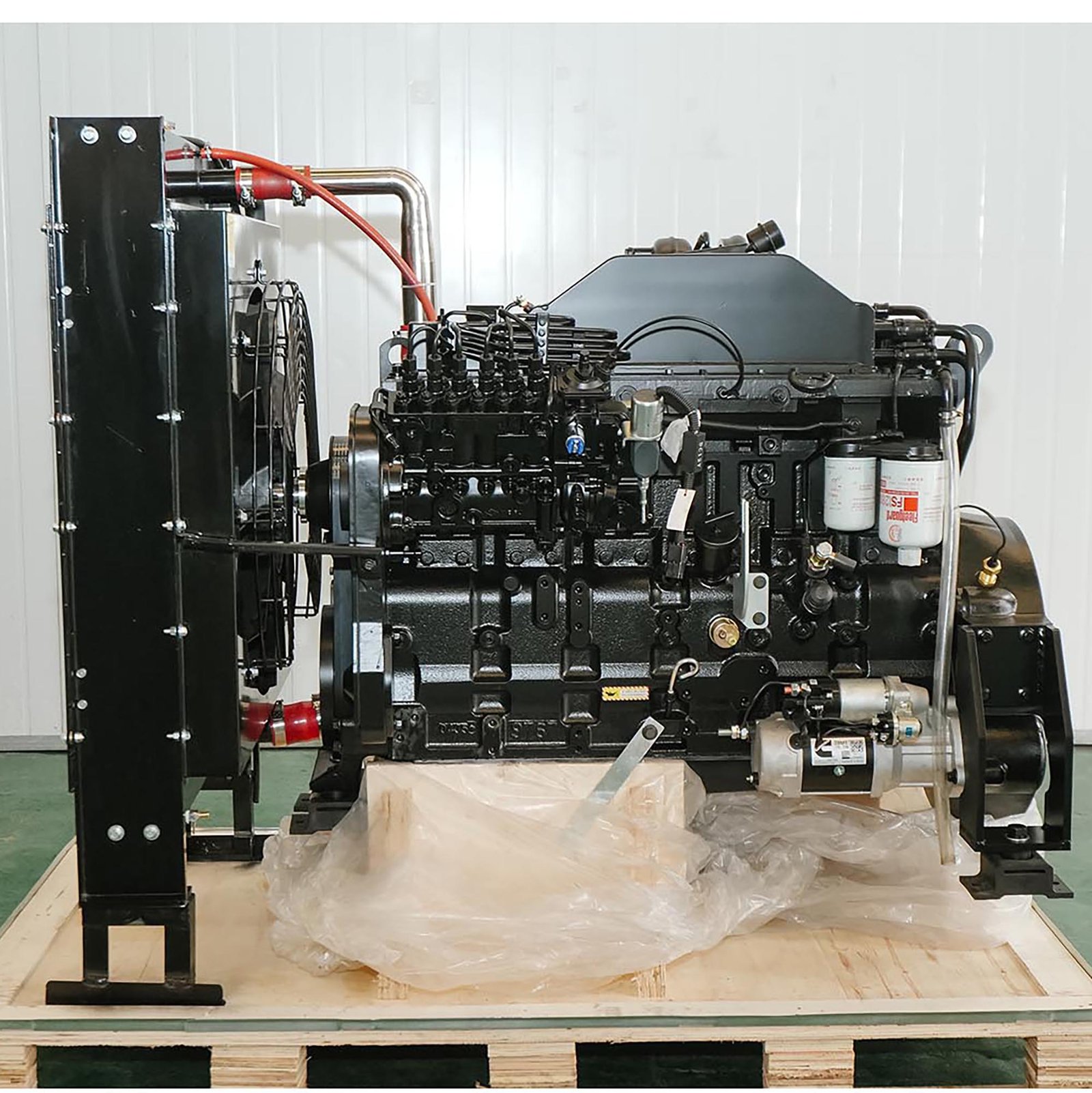
Selecting a high-performance diesel engine for mining equipment is the most critical decision for any mine operator. In 2026, the mining industry faces increasing pressure to maximize output while minimizing operational costs. These engines provide the primary power for excavators, haul trucks, and drill rigs. Their reliability directly determines the daily productivity of the entire site.
Modern mining environments are incredibly demanding and unforgiving for machinery. A robust diesel engine for mining equipment must withstand extreme temperatures and heavy dust. It also needs to handle constant vibration and high-load cycles. Choosing the wrong power plant leads to frequent breakdowns and lost revenue.
Efficiency is no longer just a luxury for mining operations. It is a fundamental requirement for maintaining a competitive edge in 2026. This guide explores how to evaluate engine performance and durability. We will focus on the technical factors that ensure long-term success.
How to evaluate the efficiency of a diesel engine for mining equipment?
Efficiency starts with understanding fuel consumption patterns under heavy loads. You should prioritize engines with low Brake Specific Fuel Consumption (BSFC) ratings. A 12% reduction in fuel consumption can save millions over a fleet’s lifespan. This makes BSFC a primary metric for any purchasing decision.
Torque delivery is another essential component of operational efficiency. A diesel engine for mining equipment needs a high torque rise to handle sudden load increases. This allows the machine to maintain speed when climbing steep mine ramps. Modern 2026 engines often feature a torque rise of 25% to 32% for better performance.
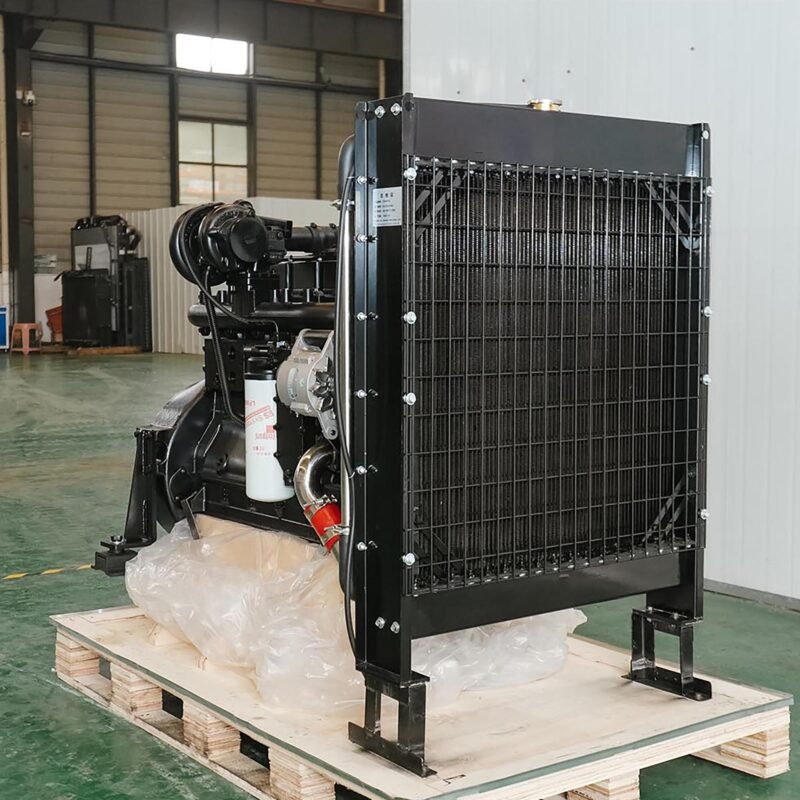
Thermal management also dictates how efficiently an engine operates. Advanced cooling systems prevent power derating during high-temperature shifts. Look for engines with electronically controlled variable-speed fans. Optimized cooling can improve overall fuel efficiency by an additional 3% to 5%.
Analyzing fuel system technology
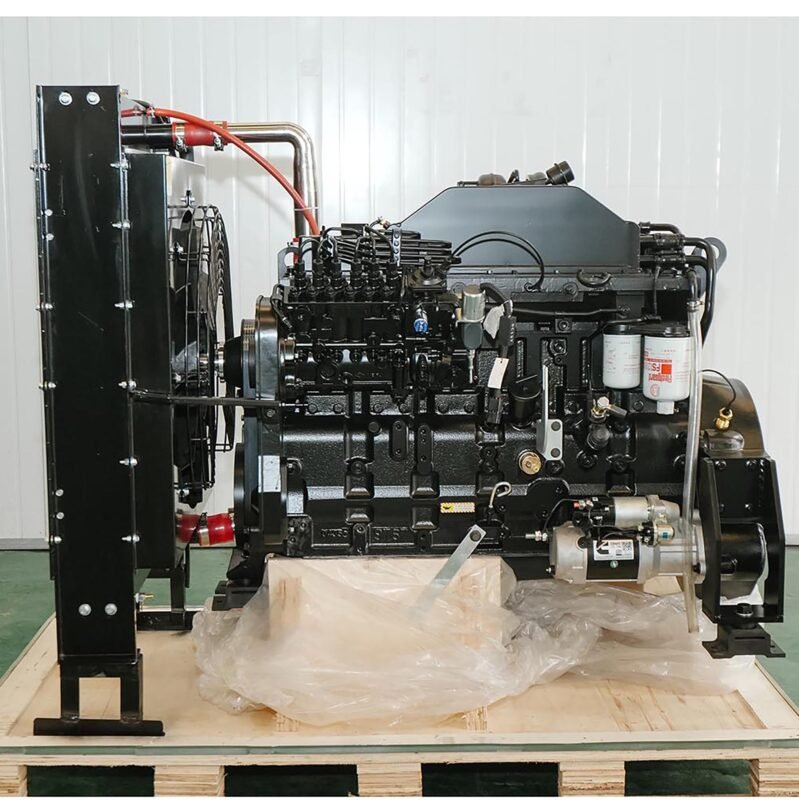
High-Pressure Common Rail (HPCR) systems are standard in 2026. These systems allow for multiple injection events per combustion cycle. This precision reduces noise and increases power density. Engines using HPCR technology show an 8% improvement in power-to-weight ratios.
Electronic injectors allow the engine to adapt to varying fuel qualities. This is vital in remote mining locations where fuel purity may vary. The system adjusts timing in real-time to prevent internal damage. Consistent injection timing can extend piston life by up to 15,000 hours.
The role of turbocharging in efficiency
Wastegate and Variable Geometry Turbochargers (VGT) are common in 2026. VGT technology provides optimal boost across the entire RPM range. This eliminates “turbo lag” when the machine starts a heavy lift. Engines with VGT technology respond 20% faster to operator commands.
Multiple-stage turbocharging is used for very large mining displacement engines. This setup ensures the engine breathes well even at high altitudes. Many mines operate at elevations above 3,000 meters. Properly turbocharged engines maintain 100% power even in thin mountain air.
Key technical factors for a diesel engine for mining equipment
The engine’s displacement must be correctly matched to the machine’s duty cycle. An undersized engine will wear out quickly due to constant overworking. Conversely, an oversized engine leads to excessive idling fuel waste. Most medium-sized mining trucks require displacements between 15 and 30 liters.
Emission standards in 2026 are stricter than ever before. Most regions now require Stage V or Tier 4 Final compliance. These engines use advanced after-treatment systems like Selective Catalytic Reduction (SCR). Stage V engines reduce nitrogen oxide emissions by 80% compared to older models.
Electronic Control Units (ECU) serve as the brain of the engine. A high-speed ECU processes thousands of data points every second. This enables features like automated engine protection and remote monitoring. Advanced ECUs can prevent 90% of catastrophic failures through early detection.
Understanding power density
Power density refers to how much horsepower an engine produces per liter. In 2026, manufacturers use stronger alloys to increase this metric safely. High power density allows for smaller, lighter engine packages. This can increase the payload capacity of a haul truck by 2,000 kilograms.
Lighter engines also reduce the overall stress on the machine’s chassis. This contributes to a longer lifespan for the entire vehicle. You should compare power-to-weight ratios when evaluating different brands. A superior ratio often leads to faster cycle times in deep-pit mining.
Integration with hydraulic systems
Mining machinery relies heavily on hydraulic power for digging and lifting. The diesel engine for mining equipment must integrate seamlessly with hydraulic pumps. Look for engines with multiple Power Take-Off (PTO) options. Efficient engine-hydraulic integration can reduce energy losses by 10% per cycle.
Proper integration also simplifies the overall machine design. It allows for easier access during routine maintenance tasks. Ensure the engine’s torque curve matches the hydraulic pump’s demand. Synchronized systems provide much smoother operation for the machine pilot.
| Performance Metric | Industry Standard (2026) | Impact on Productivity |
| Service Interval | 500 – 750 Hours | Lower labor costs |
| Torque Rise | 25% – 35% | Better ramp climbing |
| Overhaul Life | 20,000+ Hours | Lower total cost of ownership |
| Idle Fuel Rate | < 2.5 Liters/Hour | Reduced operational waste |
Why is durability the foundation of mining engine selection?
Durability is the only way to survive the abrasive nature of mining. Dust particles can act like sandpaper inside an engine block. A high-quality diesel engine for mining equipment uses specialized cylinder liners. Hardened liners can resist wear for 30% longer in high-dust environments.
The structural integrity of the engine block is equally important. Heavy-duty mining engines typically use Compacted Graphite Iron (CGI). CGI is much stronger and stiffer than traditional gray iron. Blocks made of CGI are 75% stronger and 20% lighter than standard blocks.
Filtration systems represent the first line of defense for the engine. Multi-stage air filters are mandatory for any 2026 mining operation. These systems include pre-cleaners that spin out heavy dirt particles. Nano-media filters can trap particles as small as 2 microns with 99% efficiency.
Importance of lubrication systems
Lubrication keeps internal components moving freely under extreme pressure. Mining engines require high-capacity oil pumps to maintain pressure on slopes. Many mines involve driving on grades of 10% to 15%. Deep-sump oil pans allow engines to operate at angles up to 45 degrees.
Oil cooling is also critical for maintaining lubricant viscosity. If the oil gets too hot, it loses its protective properties. Look for engines with high-efficiency plate-type oil coolers. Keeping oil below 110°C can double the life of engine bearings.
Resilience against vibration
Mining sites generate constant high-frequency vibrations during operation. These vibrations can loosen bolts and damage sensitive electronic components. Durable engines feature reinforced mounting points and vibration dampers. Effective damping reduces the risk of electrical connector failure by 40%.
Wiring harnesses must be encased in heavy-duty braiding or conduit. This protects the engine’s “nervous system” from physical abrasion. You should inspect the quality of the harness routing. Well-protected wiring prevents intermittent sensor faults that cause unexpected downtime.
How to determine if an engine supplier meets your needs?
Choosing a supplier is just as vital as choosing the technical specs. You need a partner who understands the unique pressures of the mining sector. They should offer a wide range of construction machinery engines to suit different equipment sizes. A good supplier provides comprehensive documentation for every unit sold.
Technical support must be available even in the most remote locations. Ask if the supplier offers remote diagnostic tools for 2026 operations. These tools allow technicians to troubleshoot issues from thousands of miles away. Remote diagnostics can reduce the time-to-repair by an average of 24 hours.
Inventory management is another crucial factor for a long-term partnership. The supplier must keep a stock of critical wear parts nearby. Waiting for international shipping is not an option when a mine is stopped. Top-tier suppliers maintain a 95% fill rate for emergency part orders.
Evaluating the supplier’s reputation
Research the supplier’s history with other mining and construction companies. Look for long-term testimonials that mention reliability and consistency. A supplier with decades of experience understands the evolution of engine technology. Experienced suppliers can often predict part needs before a failure occurs.
They should also be familiar with global shipping and customs regulations. This ensures that new engines or parts arrive without legal delays. Check if they provide localized service training for your onsite mechanics. Trained mechanics can increase engine uptime by 15% through better maintenance.
Customization and flexibility
Every mining project has slightly different requirements and environmental conditions. A flexible supplier can provide customized engine configurations for your fleet. This might include high-capacity alternators or specialized cold-start kits. Customized cold-start systems allow engines to start at -40°C in Arctic mines.
They should also offer different emission tiers for different global markets. This allows you to maintain a consistent fleet across various international sites. Standardizing your engine brand simplifies your parts inventory significantly. Fleet standardization can reduce maintenance overhead costs by up to 20%.
Summary
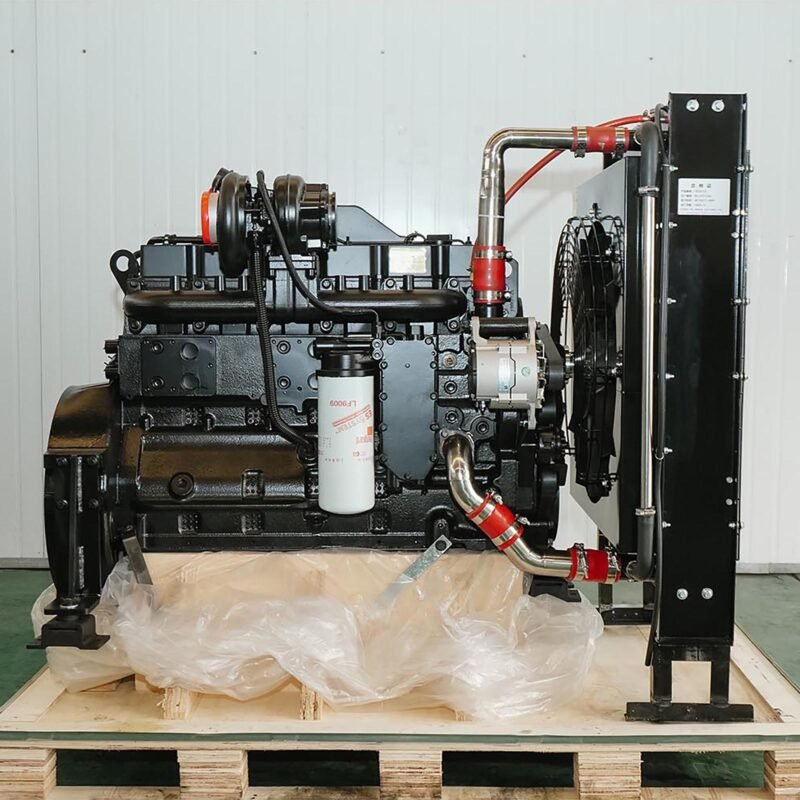
Choosing a diesel engine for mining equipment in 2026 requires a focus on efficiency and durability. You must analyze torque rise, fuel consumption, and emission compliance. Prioritizing robust filtration and structural integrity ensures the engine survives harsh mine conditions. Partnering with a reliable supplier for your machinery needs provides the technical support and parts availability essential for long-term productivity.
FAQ
1. What is the expected lifespan of a diesel engine for mining equipment?
The expected lifespan of a high-quality mining engine is typically between 15,000 and 25,000 hours. This depends on the load factor and the quality of regular maintenance performed. With proper overhauls, some blocks can last for over 50,000 hours in 2026 operations.
2. How do 2026 emission standards affect engine performance?
Modern 2026 emission standards actually improve performance by forcing better fuel management. While after-treatment systems add weight, the precision of electronic injection increases power density. Most operators find that Stage V engines are more responsive than older, unregulated models.
3. Why is air filtration so important for mining engines?
Air filtration is vital because mining dust is often silica-based and extremely abrasive. If dust enters the combustion chamber, it destroys the piston rings and cylinder walls in hours. Using high-efficiency nano-media filters is the only way to prevent rapid engine failure.
4. Can electronic diagnostics really reduce mining downtime?
Yes, electronic diagnostics allow for predictive maintenance by monitoring trends in oil pressure and temperature. In 2026, many engines can send alerts to headquarters before a component actually fails. This allows for scheduled repairs during planned downtime rather than emergency stops.
5. What are the benefits of high torque rise in mining?
High torque rise provides the “lugging” power needed to move heavy loads from a standstill. It also helps machinery maintain consistent speeds on steep inclines without excessive gear shifting. This reduces wear on the transmission and improves the overall cycle time of the machine.
Reference Sources
Environmental Protection Agency (EPA)

