
Best Diesel Engine for Excavator: Selection Guide


The machine’s heart is its power source. Choosing the right diesel engine for excavator operations determines your project’s overall speed. A strong engine ensures the hydraulic system functions at peak capacity.
In 2026, construction demands are higher than ever before. Heavy-duty digging requires consistent power without sudden drops in RPM. If the engine fails, the entire site stops moving.
Modern technology has changed how we evaluate these machines. We now look beyond just simple horsepower numbers. This guide helps you navigate the technical world of diesel engine for excavator selection.
What Are the Key Performance Metrics for a Diesel Engine for Excavator?
Power output is the first thing most buyers check. A standard 20-ton excavator typically requires 110 to 150 kilowatts of power. This energy drives the main pumps for all movement.
Torque rise is actually more important than peak horsepower. High torque allows the machine to dig through hard rock. A diesel engine for excavator should offer a torque backup of 20% to 25%.
Fuel efficiency remains a top priority for fleet managers. Advanced engines in 2026 use high-pressure common rail systems. These systems can reduce fuel waste by nearly 12% under heavy loads.
Understanding Horsepower Versus Torque
Horsepower determines how fast the machine can perform tasks. Torque determines the strength behind every bucket movement. You need a balance of both for maximum productivity.
Engines with low torque struggle in deep trenching operations. They often stall when the bucket hits high-density clay. A diesel engine for excavator must provide steady force at low RPM levels.
High-torque engines also reduce wear on the transmission system. They allow the excavator to work without constantly hitting maximum throttle. This saves internal components from premature heat damage.
The Role of Displacement in Engine Longevity
Larger displacement often correlates with higher durability in the field. A 6.7-liter engine typically lasts longer than a 4.5-liter engine. This is true even if they have the same power.
Smaller engines must work harder to achieve high output. This extra stress leads to faster wear on piston rings. It also increases the frequency of necessary oil changes.
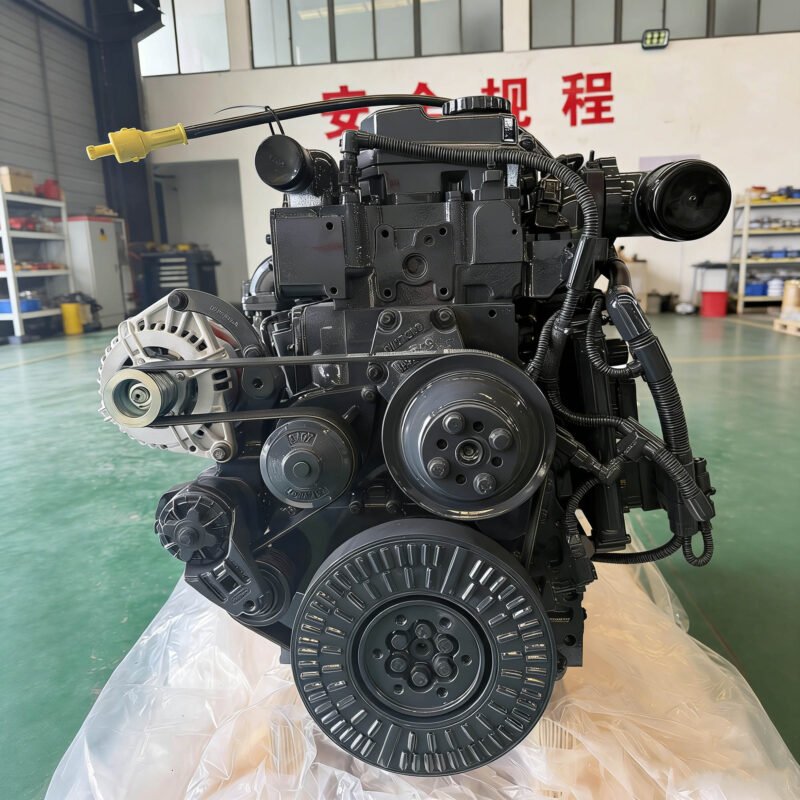
In 2026, manufacturers focus on optimizing cylinder pressure for longevity. They use reinforced blocks to handle higher internal combustion forces. Choosing a high-displacement diesel engine for excavator ensures a longer service life.
How Do Emission Standards Impact Your Engine Choice in 2026?
Environmental rules are stricter in the current 2026 market. Most urban projects now require Stage V or Tier 4 Final engines. These engines use complex filters to clean exhaust gases.
Selective Catalytic Reduction (SCR) is a common technology used today. It injects urea into the exhaust to reduce nitrogen oxides. This helps the diesel engine for excavator meet global green standards.
Diesel Particulate Filters (DPF) capture soot before it leaves the pipe. These filters require periodic cleaning through a process called regeneration. You must understand these cycles to avoid unexpected machine downtime.
Managing Diesel Exhaust Fluid (DEF)
Operating a 2026 model requires consistent access to DEF. The engine will lose power if the DEF tank becomes empty. This is a safety feature built into the electronic controller.
DEF consumption usually sits at 3% to 5% of fuel usage. You must factor this into your daily operating cost calculations. High-quality DEF prevents crystals from forming in the injection system.
Storage of DEF is also a critical consideration for sites. It must stay cool and out of direct sunlight. Contaminated DEF can cause expensive damage to the after-treatment system.
Benefits of Tier 4 and Stage V Compliance
Compliance allows you to bid on government-funded infrastructure projects. Many cities now ban older, high-emission machinery from downtown areas. A modern diesel engine for excavator ensures your fleet remains versatile.
These engines also feature better electronic monitoring systems. They provide real-time data on emissions and engine health. This data helps operators adjust their habits to save money.
Newer models are generally quieter than older mechanical engines. This makes them ideal for work near hospitals or schools. Noise reduction technology improves the work environment for the operator.
Evaluating Reliability and Maintenance Needs
Reliability is the foundation of a profitable construction business. A diesel engine for excavator must run for thousands of hours. Most premium units are designed for a 15,000-hour life cycle.
Maintenance costs can quickly exceed the initial purchase price. You should look for engines with extended service intervals. Many 2026 models only require oil changes every 600 hours.
Access to spare parts is the most overlooked selection factor. If parts are not local, repairs can take weeks. Always choose a brand with a strong regional support network.
The Importance of Advanced Cooling Systems
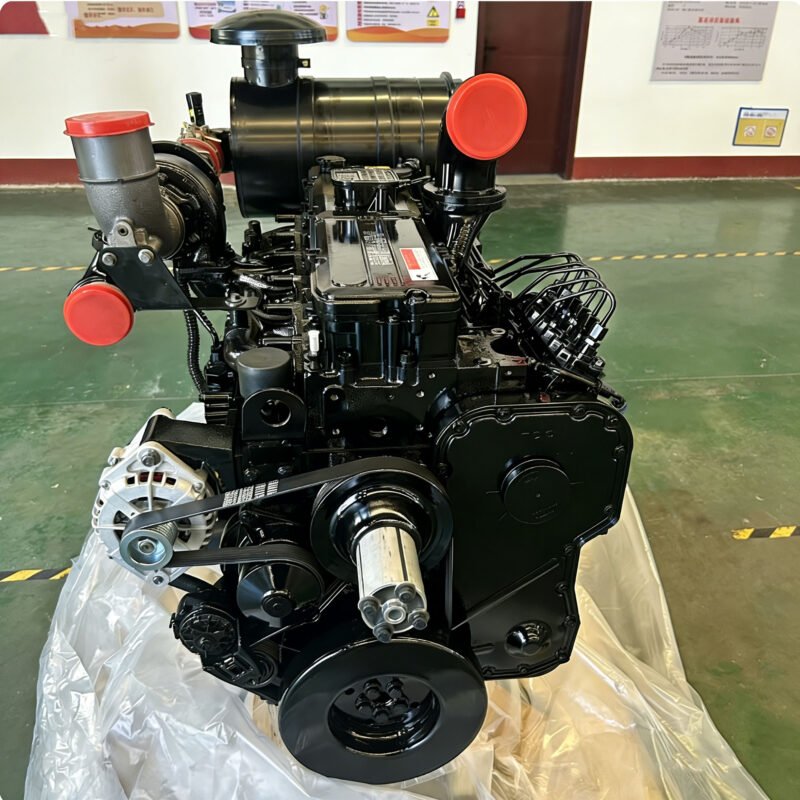
Excavators generate massive amounts of heat during heavy lifting. The cooling system must dissipate this heat even in 40°C weather. Inefficient cooling leads to warped cylinder heads and oil leaks.
Modern radiators feature wider fins to prevent dust buildup. Some diesel engine for excavator models include reversible fans. These fans blow debris out of the cooling stack automatically.
Coolant quality is just as important as the radiator design. You must use the specific coolant type recommended by the manufacturer. This prevents cavitation and erosion inside the engine block.
Digital Diagnostics and Remote Monitoring
In 2026, most engines connect directly to the cloud. You can monitor fuel levels and fault codes from your phone. This prevents small issues from turning into catastrophic engine failures.
Telematics systems track the idle time of your machinery. High idle time wastes fuel and shortens the engine’s life. Reducing idle time by 10% can save thousands of dollars annually.
Remote diagnostics allow technicians to identify parts before arriving on-site. This significantly reduces the time spent on repairs. It ensures your diesel engine for excavator stays productive.
How to Determine Compatibility for Construction Machinery Engines?
Choosing a replacement engine requires precise technical matching for success. You must ensure the physical dimensions fit the existing compartment. Even a small misalignment can cause severe driveline vibrations.
The flywheel housing must match the hydraulic pump adapter perfectly. Most heavy equipment uses SAE standard mounting interfaces for consistency. You should verify these specifications before making a final purchase.
Electrical compatibility is another major hurdle for modern equipment upgrades. The engine controller must communicate with the machine’s main computer. This allows for integrated control of the throttle and hydraulics.
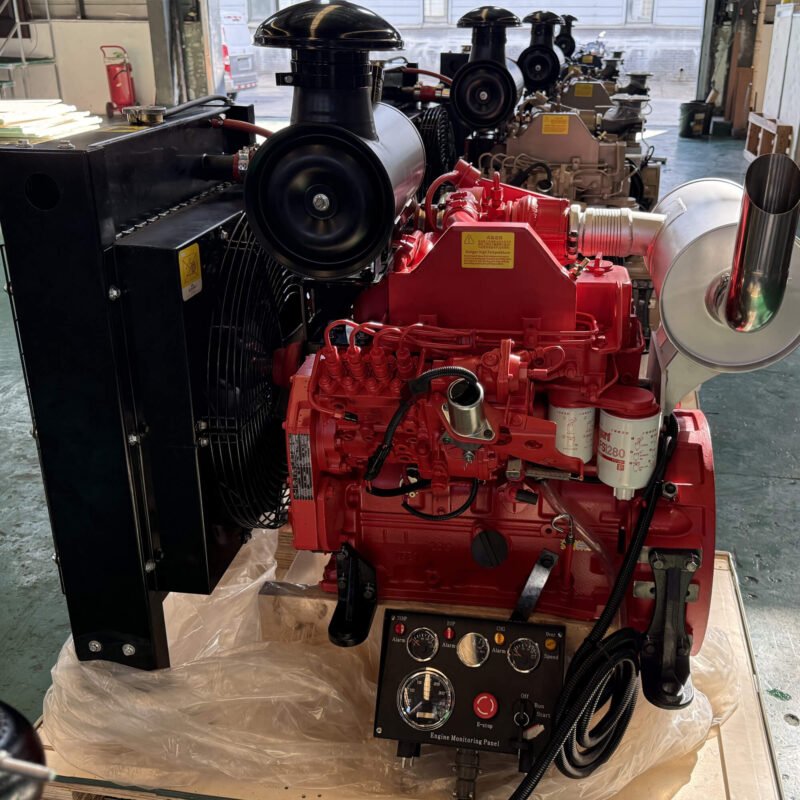
When looking for a reliable power unit, you should evaluate specialized construction machinery engines designed for high-stress environments. These engines are built to handle the variable loads of digging. They often include reinforced mounting points for better stability.
Proper matching extends the life of the entire machine. It ensures that the cooling system can handle the engine’s heat. It also guarantees that the fuel system provides enough flow.
Consulting a technical expert can prevent costly installation mistakes later. They can provide detailed drawings of the engine’s footprint and ports. This step is essential for a smooth and efficient transition.
Why Fuel Quality Matters for Modern Excavator Engines?
The fuel system in a 2026 engine is highly sensitive. Microscopic particles can ruin high-pressure injectors in a single day. You must use Ultra-Low Sulfur Diesel (ULSD) for all modern units.
Water is the primary enemy of the diesel engine for excavator. It causes rust inside the fuel pump and injectors. Every machine should have a high-quality water separator installed.
Fuel filtration has advanced significantly in recent years. Modern filters can trap particles as small as 2 microns. Changing these filters on schedule is the best way to protect your engine.
Dealing with Low-Quality Fuel on Remote Sites
Remote sites often suffer from contaminated fuel storage tanks. You should use a portable filtration cart when refilling your machine. This provides an extra layer of protection for the engine.
Fuel additives can help stabilize diesel during long storage periods. They prevent the growth of “diesel bugs” or bacteria in the tank. These organisms can quickly clog fuel lines and filters.
If the engine starts smoking, check the fuel quality immediately. Dark smoke often indicates incomplete combustion due to dirty fuel. A clean diesel engine for excavator should have a clear exhaust.
Cold Weather Performance Challenges
Diesel fuel can turn into a gel-like substance in freezing temperatures. This prevents the fuel from flowing through the filters to the engine. You must use “winter blend” fuel in cold climates.
Engine block heaters are essential for reliable starts in 2026 winters. They keep the oil and coolant warm while the machine is off. This reduces the friction during the initial start-up process.
Modern glow plugs heat up much faster than older versions. They allow a diesel engine for excavator to start in seconds. Always ensure your batteries are at full strength during the winter.
Summary
Choosing the best diesel engine for excavator requires a focus on torque and efficiency. In 2026, you must also prioritize emission compliance and digital diagnostics. Matching the engine to your specific hydraulic needs ensures maximum productivity. Always select an engine with a proven service history and local parts support to minimize downtime.
FAQ
1. What is the most important factor when choosing a diesel engine for excavator?
Torque is the most important factor because it provides the digging force. While horsepower helps with speed, high torque prevents the engine from stalling under load. Ensure the engine has a strong torque curve for better hydraulic performance.
2. How do 2026 emission standards affect engine maintenance?
Modern Stage V and Tier 4 engines require more frequent filter checks. You must maintain the DPF and SCR systems to avoid power derating. Using high-quality DEF and ULSD fuel is mandatory for these systems to function.
3. Can I upgrade an older excavator with a new diesel engine?
Yes, but you must ensure the electronic and physical interfaces match. A new diesel engine for excavator may require a different wiring harness or ECU. Physical mounting and cooling system capacity must also be verified before installation.
4. Why is fuel filtration so critical for modern engines?
Modern engines use high-pressure injectors with very tight tolerances. Even tiny contaminants can cause the injectors to fail or wear out prematurely. Using 2-micron filters and water separators is the best way to protect your investment.
5. What is the average lifespan of a high-quality excavator engine?
A well-maintained diesel engine for excavator should last between 10,000 and 15,000 hours. Regular oil changes and cooling system maintenance are the keys to reaching this milestone. Using genuine parts also significantly extends the engine’s operational life.
Reference Sources
Cummins Inc. Construction Engine Technical Specifications.
Association of Equipment Manufacturers. Machinery Maintenance and Safety Standards.
Weichai Power. Industrial and Construction Engine Product Data.

