
How to Choose the Right Diesel Engine Size for Generator

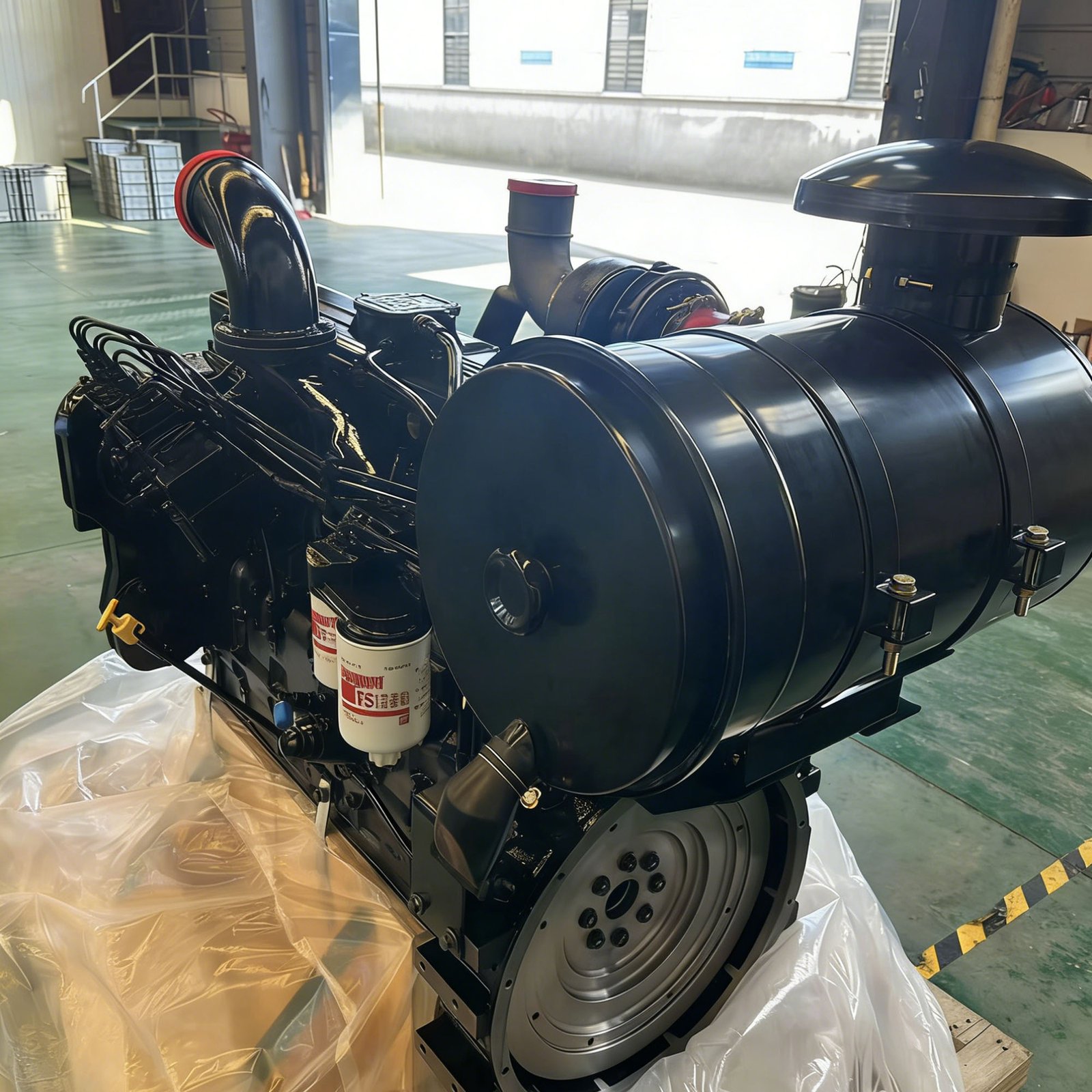
Selecting a power source requires precision and technical understanding. Many users struggle to determine what size diesel engine for generator applications they actually need. An undersized engine will fail under heavy loads. Conversely, an oversized engine leads to “wet stacking” and fuel waste. This guide provides a detailed roadmap for choosing the correct engine. We will explore calculations, environmental factors, and specific power ratings.
Choosing the right diesel engine size for a generator ensures operational reliability. Diesel engines are the workhorses of the industrial power world. They provide high torque and long-term durability. However, their performance depends entirely on matching the engine’s mechanical output to the alternator’s electrical needs. You must account for both continuous running and peak starting demands.
A miscalculation in engine size can lead to catastrophic system failure. In 2026, efficiency standards require even tighter tolerances for power generation. Modern engines are designed to operate within specific thermal windows. Operating outside these windows increases maintenance costs and reduces service life. This article simplifies the complex engineering required for proper engine selection.
Why Is Choosing the Right Diesel Engine Size for a Generator Important?
The relationship between an engine and an alternator is a delicate balance. The diesel engine provides the mechanical energy required to turn the alternator. If the engine lacks sufficient horsepower, the generator cannot maintain its frequency. This results in voltage drops that can damage sensitive electronics. Most modern equipment requires a stable 50Hz or 60Hz frequency to function safely.
Efficiency is another major reason to focus on what size diesel engine for generator sets you use. Diesel engines operate best when loaded between 60% and 80% of their rated capacity. Running at low loads causes incomplete combustion. This creates carbon buildup in the cylinders and exhaust valves. Industry experts refer to this damaging condition as wet stacking.
Longevity and maintenance costs are also tied to proper sizing. An overstressed engine will experience rapid wear on pistons and bearings. You will face more frequent overhauls and higher part replacement costs. A correctly sized engine balances fuel economy with power availability. It ensures that your investment lasts for decades rather than just a few years.
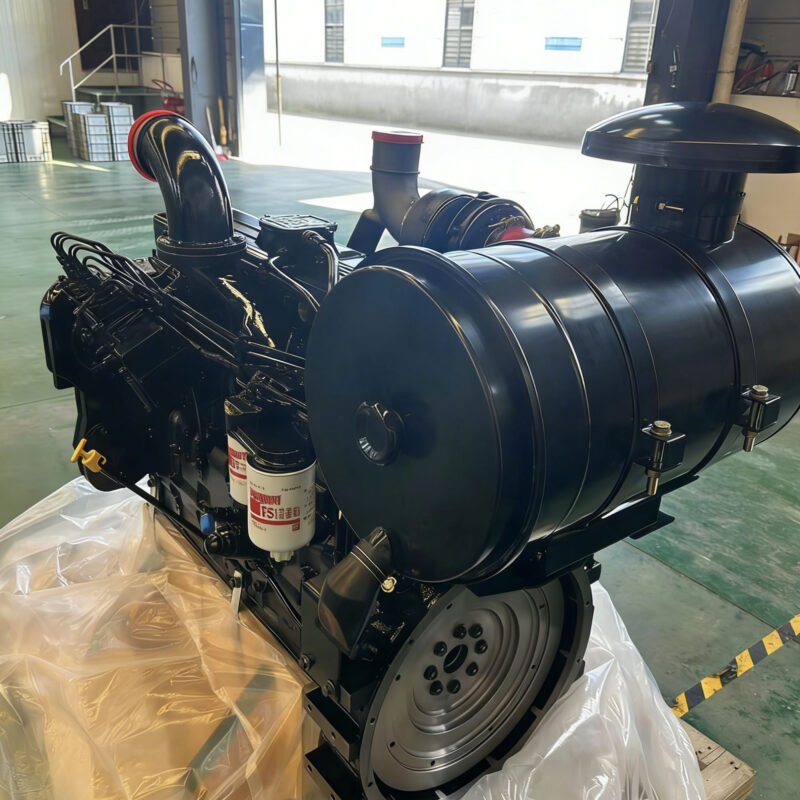
Impact on Efficiency and Fuel Consumption
Fuel is the largest ongoing expense for any generator operation. An oversized engine consumes significantly more fuel even when the electrical load is low. This inefficiency creates a higher total cost of ownership. Most 2026 diesel models optimize fuel injection based on specific load profiles. Deviating from these profiles wastes energy and increases carbon emissions.
Avoiding Mechanical Failure and Wet Stacking
Wet stacking occurs when an engine operates significantly below its rated output. The combustion chamber temperature remains too low to burn all the fuel. This leads to unburned fuel leaking into the exhaust system. It can cause permanent damage to the turbocharger and exhaust valves. Choosing the correct engine size ensures the unit runs hot enough to stay clean.
Reliability During Peak Demand Periods
Reliability is the primary reason most businesses invest in diesel generators. During a power outage, the engine must handle the sudden “step load” of starting equipment. A properly sized engine has enough rotating mass to maintain speed during these peaks. This prevents the generator from stalling when large motors or HVAC systems kick in. It provides peace of mind for critical facility managers.
| Equipment Type | Running Watts (Typical) | Starting Watts (Surge) |
| Industrial Air Compressor | 5,000 W | 15,000 W |
| Submersible Pump (2 HP) | 2,000 W | 6,000 W |
| Central Air Conditioner | 3,500 W | 10,000 W |
| Electric Motor (5 HP) | 3,750 W | 11,250 W |
How to Calculate the Required Diesel Engine Size for a Generator?
The first step is to calculate your total electrical load. You must list every piece of equipment the generator will power simultaneously. Identify the “running watts” and the “starting watts” for each item. Most inductive loads, like motors, require three times more power to start than to run. Summing these values gives you the peak demand.
Once you have the total electrical kilowatts (kWe), you must convert this to mechanical power. Diesel engines are usually rated in Brake Horsepower (BHP) or mechanical Kilowatts (kWm). To find the required engine power, use the formula: Engine kWm = Generator kWe / (Alternator Efficiency × Power Factor). Most high-quality alternators have an efficiency rating between 0.90 and 0.95.
A standard power factor for three-phase generators is 0.8. For example, if you need a 100 kW electrical output, the calculation is specific. Assuming 90% efficiency, you need approximately 111 kW of mechanical power from the engine. This ensures the engine can handle the friction and cooling fan losses. Always add a 10% to 20% safety margin for future load expansion.
Determining Total Electrical Load (kWe)
Accurate load profiling is the foundation of engine selection. You should analyze peak usage periods over the last twelve months. Note the highest simultaneous load recorded in your facility records. If you are planning a new facility, use the nameplate data for all planned equipment. Ensure you distinguish between continuous loads and intermittent loads.
Converting Electrical Power to Mechanical Brake Horsepower
Electrical output is always lower than mechanical input due to energy losses. The alternator generates heat during the conversion process, representing wasted energy. Cooling fans and friction also consume a portion of the engine’s power. Therefore, the engine must always be “larger” than the electrical output required. Most engineers use a conversion factor of 1.34 to switch from kW to Horsepower.
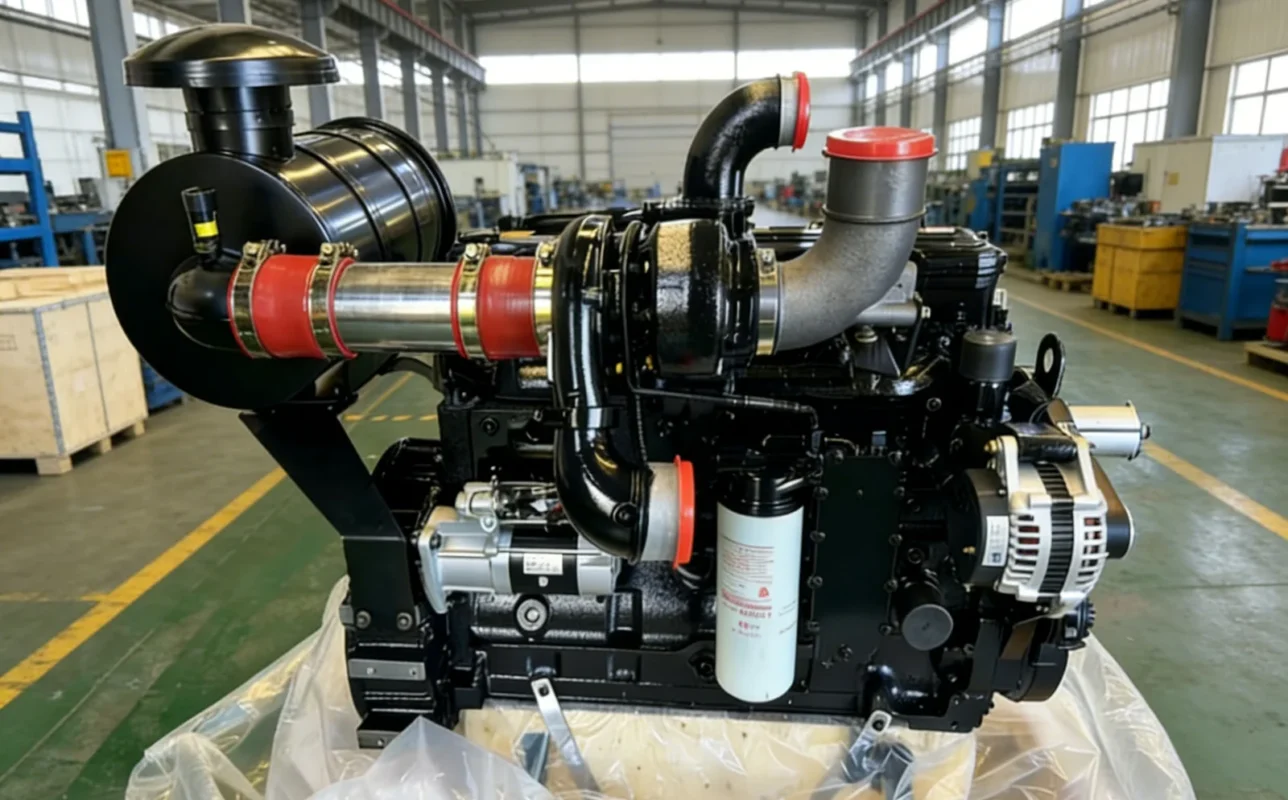
Accounting for Surge and Inrush Currents
Inrush current is the brief spike in power when a motor starts. This spike can be six to ten times the normal running current. Even though it lasts only milliseconds, the engine must have enough torque to overcome it. Failure to account for surge leads to frequency dips that trigger safety shutdowns. High-performance engines offer better transient response to handle these sudden changes.
| Generator Rating (kVA) | Estimated Engine Power (kWm) | Typical Application |
| 20 kVA | 18 – 22 kWm | Small workshops / Residential backup |
| 100 kVA | 85 – 95 kWm | Commercial buildings / Small factories |
| 500 kVA | 420 – 460 kWm | Data centers / Large industrial plants |
| 1000 kVA | 850 – 950 kWm | Mining / Grid support |
Key Factors in Determining What Size Diesel Engine for Generator Sets?
Environmental conditions significantly impact diesel engine performance. High altitudes feature thinner air, which reduces the oxygen available for combustion. Most diesel engines lose about 3% of their power for every 1,000 feet above sea level. If your site is at 5,000 feet, your engine will produce 15% less power. You must choose a larger engine to compensate for this “derating” effect.
Ambient temperature also plays a critical role in engine efficiency. High temperatures reduce air density and can lead to engine overheating. Standard ratings are typically based on a 25°C (77°F) environment. If the temperature exceeds 40°C, the engine might require a larger radiator or a power derating. How to choose the right diesel engine size for generator sets involves checking the manufacturer’s derating charts.
The type of load significantly dictates the engine’s response requirements. Linear loads, like heaters, are easy for an engine to handle. Non-linear loads, such as Variable Frequency Drives (VFDs), create harmonic distortion. These loads cause the engine’s governor and voltage regulator to work harder. In such cases, you may need an engine with a higher transient response capability.
Environmental Derating Factors
Heat and altitude are the silent enemies of engine performance. In 2026, many regions are experiencing record-high summer temperatures. This makes cooling system capacity a vital part of the sizing equation. An engine that works in a cool climate might fail in a desert environment. Always consult the specific derating curve provided by the engine manufacturer for your location.
Load Types and Duty Cycles
Duty cycles define how long the engine will run during each session. A standby engine might only run for 50 hours a year during emergencies. A prime power engine might run for 8 hours every single day. Continuous power engines are designed to run 24/7 without stopping. Matching the engine’s duty cycle rating to your actual usage prevents early failure.
Understanding Engine Power Ratings
Manufacturers categorize diesel engines into different rating tiers based on usage duration. Standby Power is for emergency use during a utility power outage. These engines can run at varying loads for the duration of the emergency. However, they are not designed for long-term continuous operation. Overloading a standby engine can lead to immediate mechanical failure.
Criteria for Selecting Professional Power Generation Engines
The process of selecting a high-performance engine depends on technical specifications and reliability. When you browse the current catalog of power generation engines, you should focus on displacement and aspiration. Turbocharged engines generally provide more power in a smaller footprint. However, naturally aspirated engines might offer simpler maintenance for low-power requirements.
Compatibility with the alternator is the most important technical hurdle. You must ensure the engine’s flywheel and housing match the alternator’s mounting flange. Most industrial engines use SAE standards for these connections to ensure a perfect fit. If the alignment is off, the resulting vibration will destroy the bearings. Proper sizing also involves checking the engine’s governor type.
Electronic governors are superior for modern power generation needs. They respond faster to load changes than mechanical governors. This speed ensures that the generator’s frequency remains stable when large motors start. A high-quality engine will also feature advanced fuel injection systems. These systems improve fuel economy and reduce exhaust emissions significantly. Always verify that the engine meets 2026 environmental regulations before purchasing.
Summary
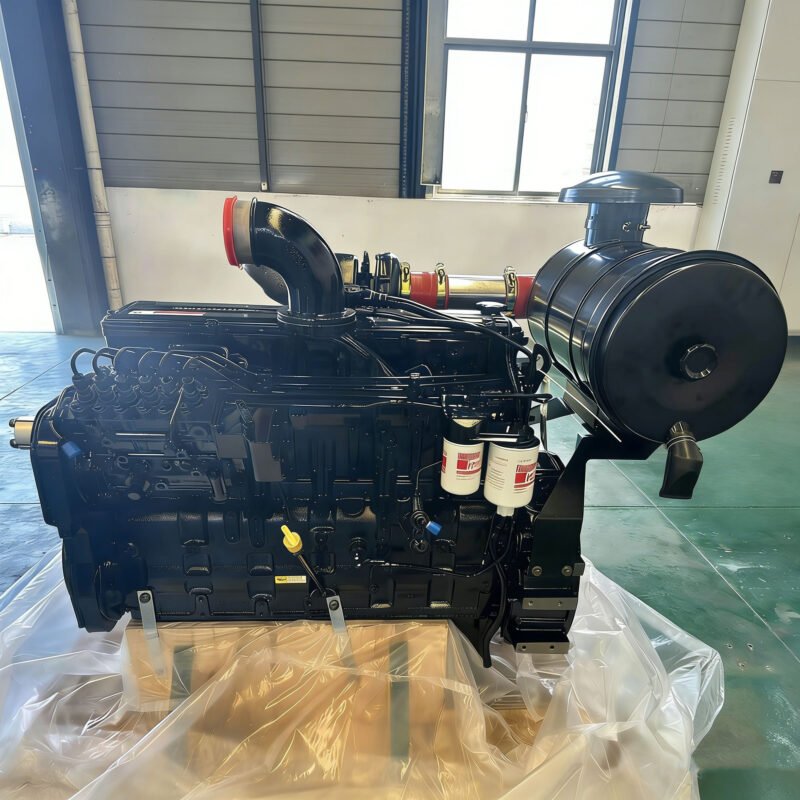
Choosing what size diesel engine for generator use involves calculating total watts and surge loads. You must adjust for altitude, temperature, and alternator efficiency. Matching the engine’s rating to your duty cycle prevents premature wear and costly downtime. A correctly sized engine ensures stable power and long-term cost efficiency for any industrial facility.
FAQ
1. What happens if the diesel engine is too small for the generator?
An undersized engine will struggle to maintain the required RPM. This causes the generator’s voltage and frequency to drop significantly. The engine will likely overheat and may eventually seize under the excessive thermal load.
2. How much extra capacity should I include when sizing an engine?
It is standard practice to add a 20% safety margin to your total calculated load. This buffer accounts for unexpected spikes and allows for future equipment additions. It also ensures the engine operates in its most efficient fuel-consumption zone.
3. Can I run a large diesel engine with a very small load?
Running a large engine at less than 30% load is generally discouraged. This leads to wet stacking, where unburned fuel and soot accumulate in the exhaust. If you must run at low loads, perform regular load bank testing to burn off deposits.
4. How does altitude affect diesel engine sizing?
High altitude reduces the amount of oxygen available for the combustion process. This leads to a loss of engine horsepower, typically 3% for every 1,000 feet of elevation. You must choose a larger engine to achieve the same output at higher altitudes.
5. What is the difference between kVA and kW?
kW is the actual power that does the work, while kVA is the apparent power. The relationship is defined by the power factor, typically 0.8 for industrial sets (kW = kVA × 0.8). Most industrial diesel engine calculations are based on the required kW of the alternator.
Reference Sources
Electrical Generating Systems Association (EGSA) – Standards for Generator Sizing
International Organization for Standardization (ISO) – ISO 8528-1:2026 Reciprocating internal combustion engine driven alternating current generating sets
Diesel Technology Forum – Benefits of Diesel for Power Generation

