
How to Choose the Right Diesel Engine for Your Needs

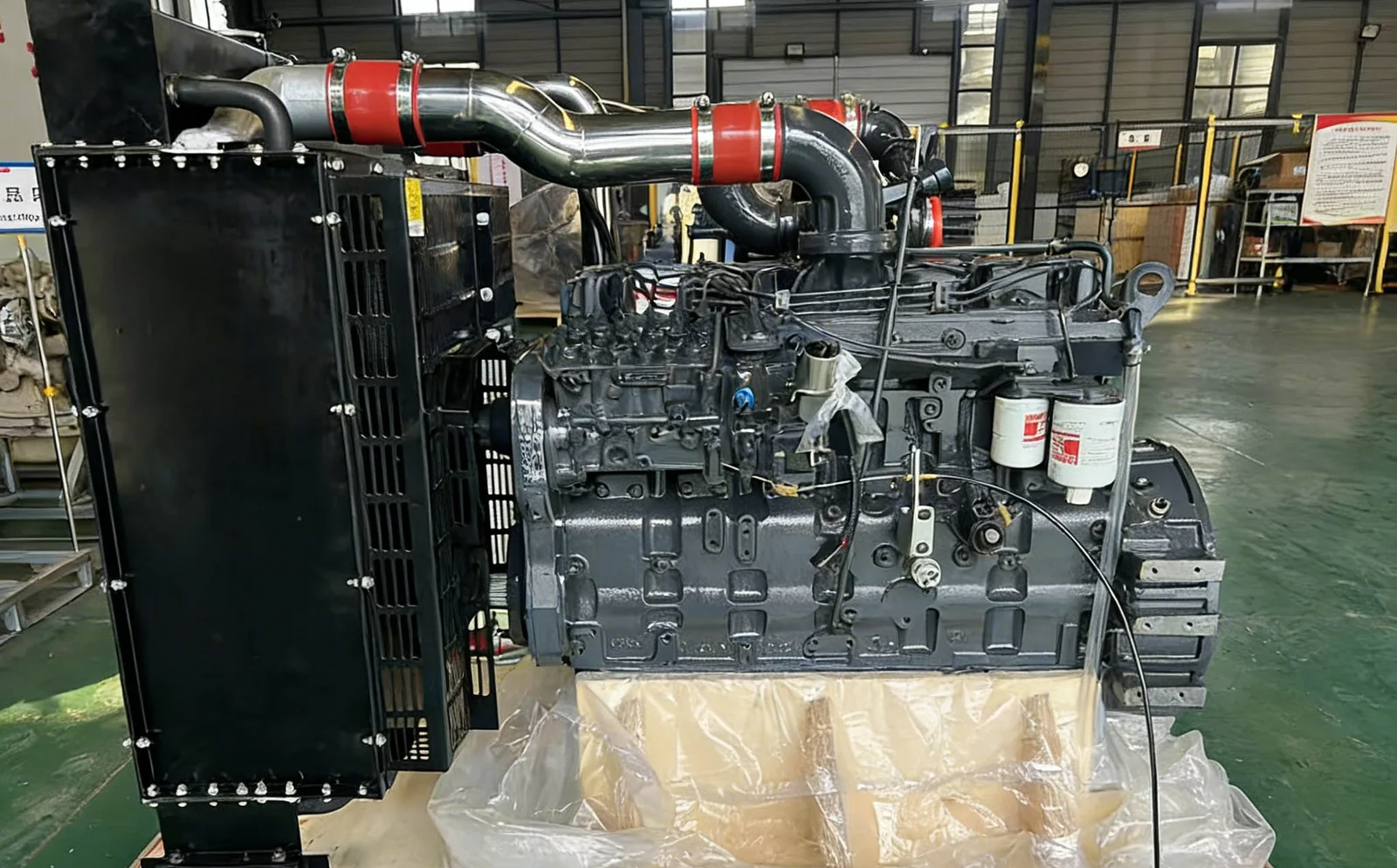
Selecting the ideal power source for industrial machinery is a complex but vital task. A diesel engine acts as the core of your equipment, influencing both productivity and operational costs. Understanding how to choose diesel engine models requires a clear analysis of your specific mechanical requirements.
Efficiency remains the primary reason most industries prefer diesel over other fuel types. These engines provide high torque at low speeds, which is essential for heavy-duty tasks. This guide will walk you through the critical factors to consider when making your investment.
Determining the Necessary Power and Torque
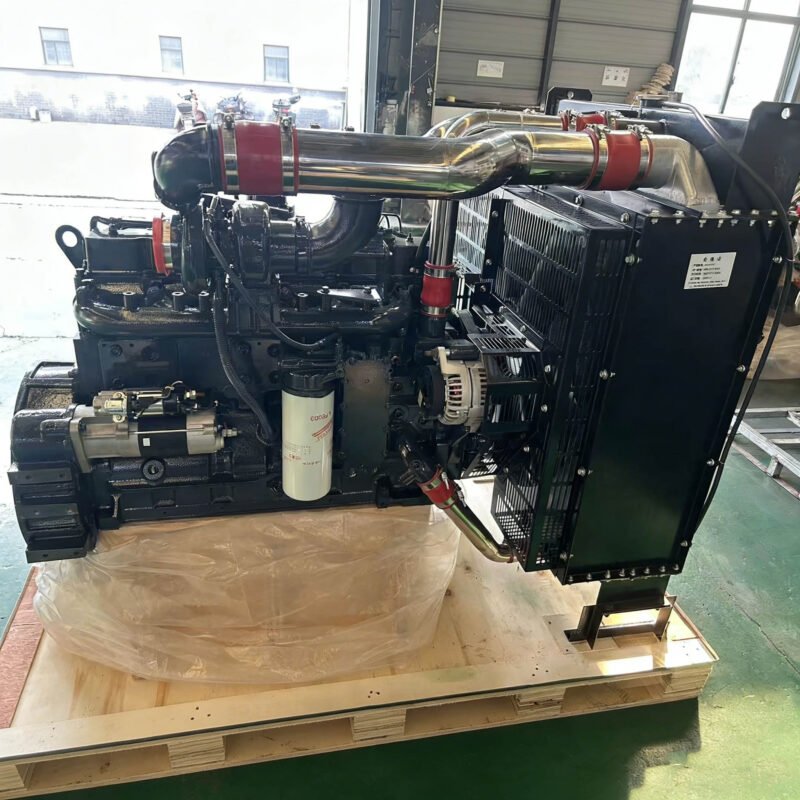
The first step in your selection process is calculating the required horsepower for your application. You must identify whether your equipment needs continuous power or intermittent bursts of energy. Continuous power is necessary for machines that run at a steady load for many hours.
Intermittent power is better suited for machines with varying workloads, such as excavators. Matching the engine’s power rating to your peak demand prevents premature engine failure. If you choose an engine that is too small, it will suffer from excessive heat and wear.
Torque is perhaps more important than horsepower in many industrial settings. High torque allows a machine to start moving heavy loads without stalling the engine. How to choose diesel engine units effectively depends on reviewing the torque curve provided by the manufacturer.
| Application Type | Load Profile | Critical Engine Feature |
| Generator Sets | Constant RPM | Frequency Stability |
| Construction | Variable Load | High Peak Torque |
| Marine Use | Steady High Load | Advanced Cooling |
| Agricultural | Seasonal/Heavy | Fuel Versatility |
Evaluating Displacement and Engine Configuration
Displacement refers to the total volume of all cylinders within the engine block. Larger displacement engines generally produce more torque and can handle heavier workloads over longer periods. For mid-range industrial needs, an 8.3-liter engine often provides the perfect balance of size and strength.
The configuration of the cylinders also impacts how the engine performs and fits your machine. In-line six-cylinder engines are highly popular because they are naturally balanced and vibrate less. Choosing a 6-cylinder diesel engine ensures smoother operation and easier access for maintenance.
You should also look for engines that utilize turbocharging and aftercooling technologies. Turbochargers force more air into the cylinders to increase power without increasing the engine’s weight. A turbocharged 8.3L engine can often outperform much larger naturally aspirated units.
Assessing Long-Term Reliability and Maintenance
Reliability is the most significant factor impacting your total cost of ownership over several years. You should investigate the materials used in the engine’s construction, such as high-strength cast iron. Engines with wet-sleeve cylinder liners are easier to rebuild and offer better cooling.
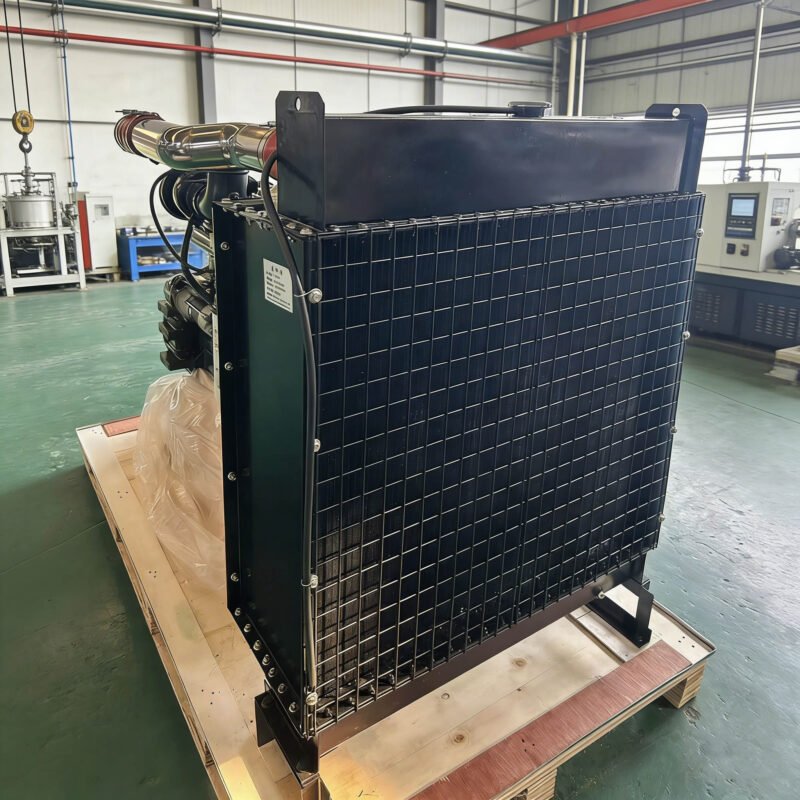
The cooling system must be robust enough to handle your specific operating environment. Air-to-air aftercooling is a standard feature for high-performance diesel engines today. It reduces the temperature of compressed air before it enters the engine, which improves combustion efficiency.
Furthermore, consider the availability of replacement parts and qualified technicians in your area. An engine is only as valuable as the support network that keeps it running. Choosing a widely recognized engine series simplifies the process of finding filters and gaskets.
| Technical Parameter | Typical 8.3L Specification | Benefit to User |
| Bore and Stroke | 114mm x 135mm | Optimized for high torque |
| Aspiration | Turbocharged & Aftercooled | Increased power density |
| Fuel System | Mechanical or Common Rail | Reliable fuel delivery |
| Compression Ratio | 17.0:1 to 18.0:1 | Efficient cold starting |
Understanding Fuel Efficiency and Emission Standards
Fuel consumption typically represents the largest ongoing expense for any diesel-powered machine. Modern engines use high-pressure fuel injection to ensure that every drop of fuel is burned completely. Checking the specific fuel consumption rate helps you predict long-term operational costs accurately.
Environmental regulations also play a role in how to choose diesel engine models for your fleet. You must ensure the engine meets the “Tier” or “Stage” requirements for your specific region. Engines with lower emissions often incorporate better technology that also improves fuel economy.
Some engines use mechanical fuel systems which are easier to maintain in remote locations. Others use electronic controls to provide precise fuel management and diagnostic capabilities. Your choice should depend on whether you prioritize simplicity or maximum technological efficiency.
Selecting the 6CTAA8.3 for Industrial Applications
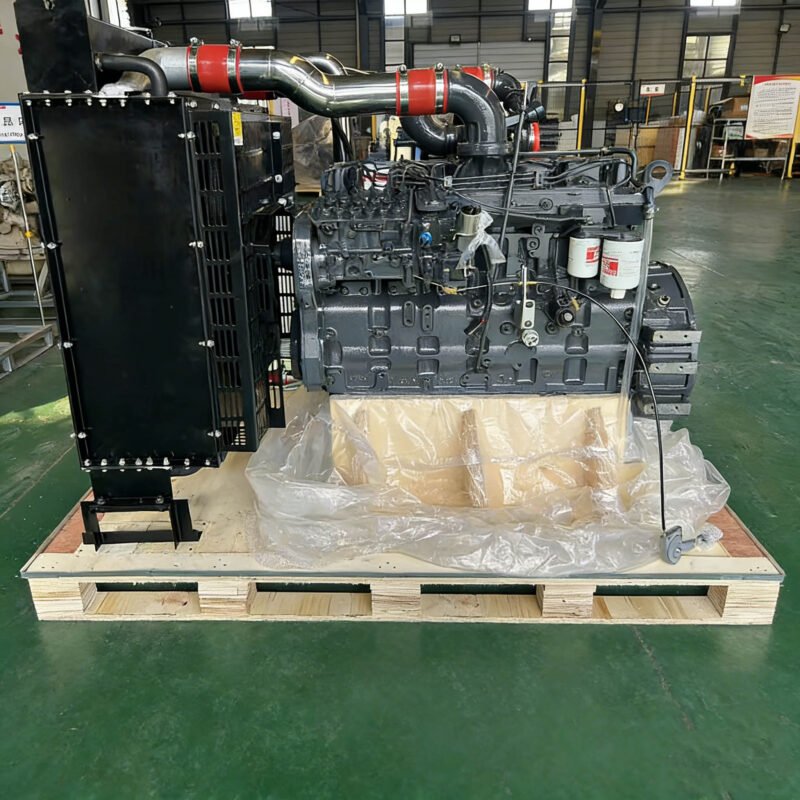
When you need a reliable mid-range power source, the 6CTAA8.3 diesel engine stands out as a top choice. This engine is specifically designed for demanding environments like construction sites and industrial plants. It offers a displacement of 8.3 liters, which provides enough power for heavy machinery.
The decision to choose a 6CTAA8.3 model is often based on its reputation for durability. This engine features a robust 6-cylinder design that balances power output with physical size. It is compact enough to fit into various equipment frames while delivering significant torque.
If your project requires an output between 160kW and 220kW, this engine series is a strong candidate. It uses proven turbocharging technology to maintain performance even at higher altitudes. Understanding these specific benefits will help you determine if this engine fits your technical criteria.
Summary
Knowing how to choose diesel engine units requires focusing on power ratings, displacement, and long-term maintenance needs. You should prioritize engines that offer high torque and efficient cooling systems for industrial tasks. By selecting a proven platform like the 8.3L series, you ensure reliability and lower operating costs.
FAQ
Q:What is the benefit of a 6-cylinder in-line engine?
In-line 6-cylinder engines are naturally balanced, which reduces vibration and extends the life of internal components.
Q:How does a turbocharger help a diesel engine?
A turbocharger increases the amount of air in the combustion chamber, allowing the engine to produce more power from the same displacement.
Q:Is displacement or horsepower more important for heavy machinery?
Displacement is often more important because it dictates the engine’s ability to produce sustained torque under heavy loads.
Q:What are wet-sleeve cylinder liners?
These are replaceable cylinder walls that are in direct contact with the engine coolant, allowing for better heat dissipation and easier repairs.
Q:How do I check if an engine is fuel-efficient?
You should review the manufacturer’s fuel map, which shows consumption rates at different RPM levels and load percentages.
Reference Sources
- Society of Automotive Engineers (SAE International)
https://www.sae.org/ - Environmental Protection Agency (EPA) – Diesel Emissions
https://www.epa.gov/ - DieselNet – Engine and Emission Technology
https://www.dieselnet.com/ - Association of Equipment Manufacturers (AEM)
https://www.aem.org/ - International Council on Clean Transportation (ICCT)
https://theicct.org/

