
Top Industrial Diesel Engine Applications: A Complete Guide

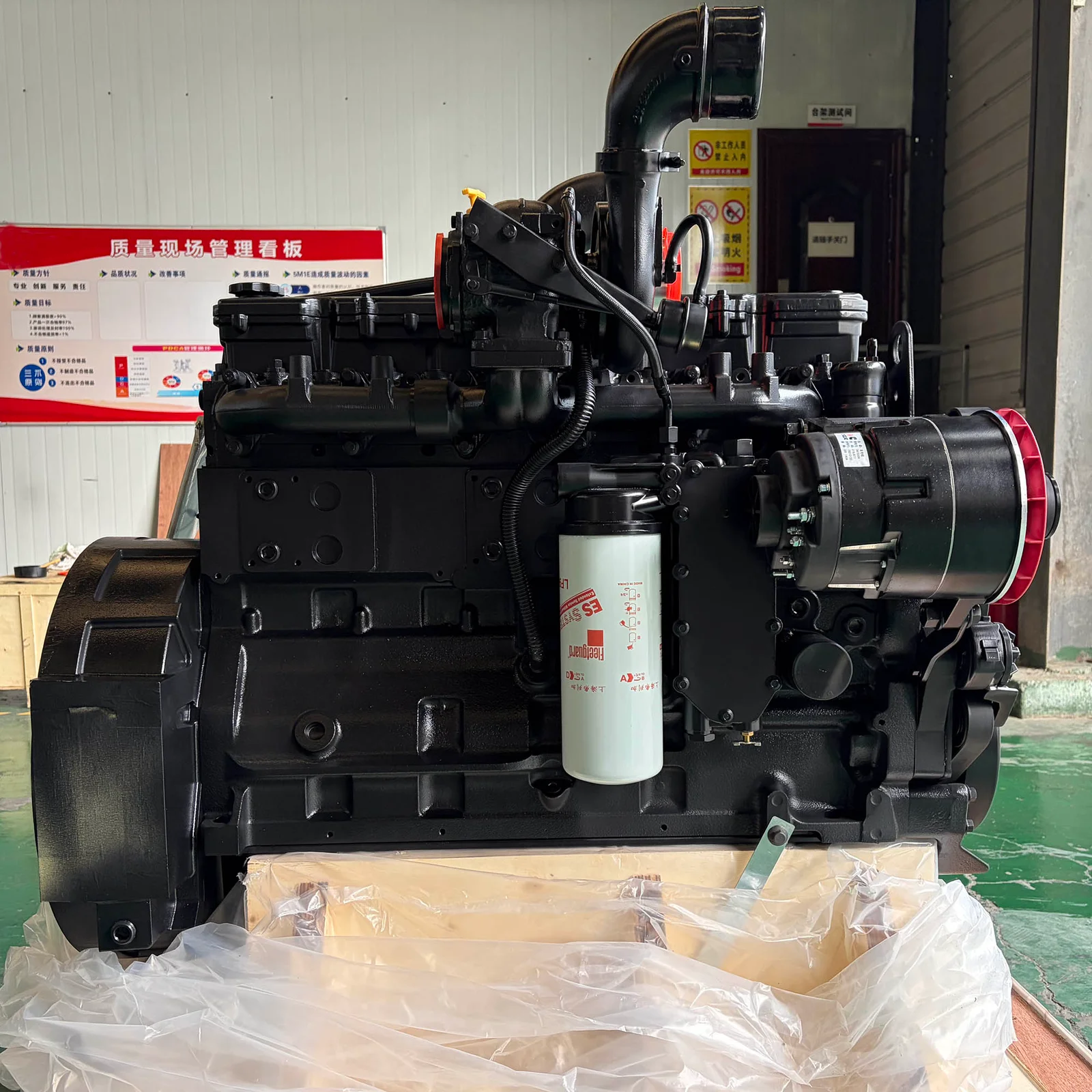
Diesel engines serve as the primary power source for global infrastructure. They offer unmatched reliability for heavy-duty tasks. Understanding the various industrial diesel engine applications helps businesses select the right equipment. These engines provide the high torque required for demanding environments. From construction sites to the open ocean, diesel technology remains indispensable.
Most industrial sectors rely on compression-ignition engines for continuous operation. These units provide more energy per gallon than gasoline alternatives. This efficiency makes them the standard for large-scale operations. Modern designs have also reduced emissions significantly. You will find these powerhouses in nearly every corner of the modern economy.
Why Are Diesel Engines Essential for Modern Industry?
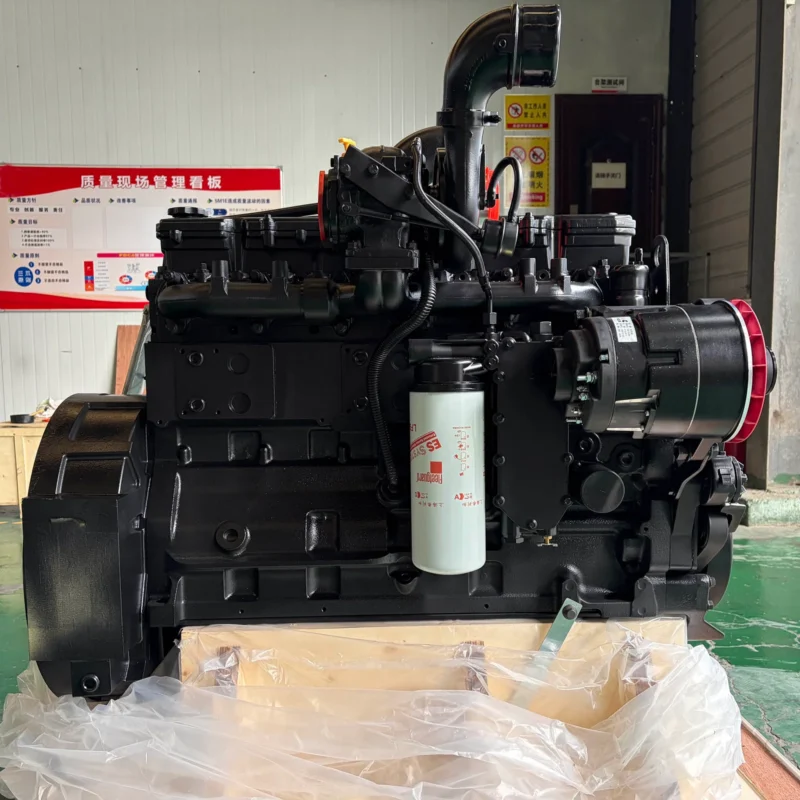
Thermal efficiency is a primary reason for their dominance. Most diesel engines convert about 40% to 45% of fuel energy into power. This far exceeds the efficiency of standard spark-ignition engines. High thermal efficiency reduces operational costs over long cycles. It also allows for longer periods between refueling.
Durability is another critical factor in industrial diesel engine applications. These engines are built to withstand high internal pressures. Many industrial units can operate for 20,000 to 30,000 hours before a major overhaul. This longevity ensures a high return on investment for companies. They rarely suffer from the ignition issues common in other fuel types.
Safety plays a significant role in industrial settings. Diesel fuel is much less flammable than gasoline or liquid propane. This lower volatility reduces the risk of fire on job sites. Consequently, diesel is the preferred choice for underground mining and marine environments. It provides a safer working atmosphere for technicians and operators.
What Are the Primary Industrial Diesel Engine Applications?
The construction industry is perhaps the most visible user of diesel power. Heavy machinery like excavators, bulldozers, and cranes requires immense torque. Diesel engines provide the “lugging power” needed to move tons of earth. Without these engines, large-scale infrastructure projects would be impossible. They operate reliably in dusty and harsh outdoor conditions.
Power generation represents another massive sector for industrial diesel engine applications. Many facilities use diesel generators for standby or prime power. Data centers, hospitals, and factories require 100% uptime. Diesel units can start and take full load within seconds. This rapid response prevents catastrophic data loss or equipment damage.
The maritime industry relies heavily on diesel for propulsion and auxiliary power. Large cargo ships use massive two-stroke engines for movement. Smaller vessels often utilize medium-speed engines for various onboard systems. These engines must resist salt-water corrosion and operate for weeks without stopping. They provide the backbone for international trade and logistics.
| Industry | Primary Engine Use | Key Benefit |
| Construction | Earthmoving Machinery | High Torque at Low RPM |
| Healthcare | Emergency Backup Power | Fast Start-Up Reliability |
| Marine | Propulsion & Auxiliaries | Durability in Harsh Air |
| Agriculture | Tractors & Irrigation | Fuel Economy for Large Areas |
| Mining | Haul Trucks & Drills | Enhanced Safety Features |
Technical Specifications That Drive Performance
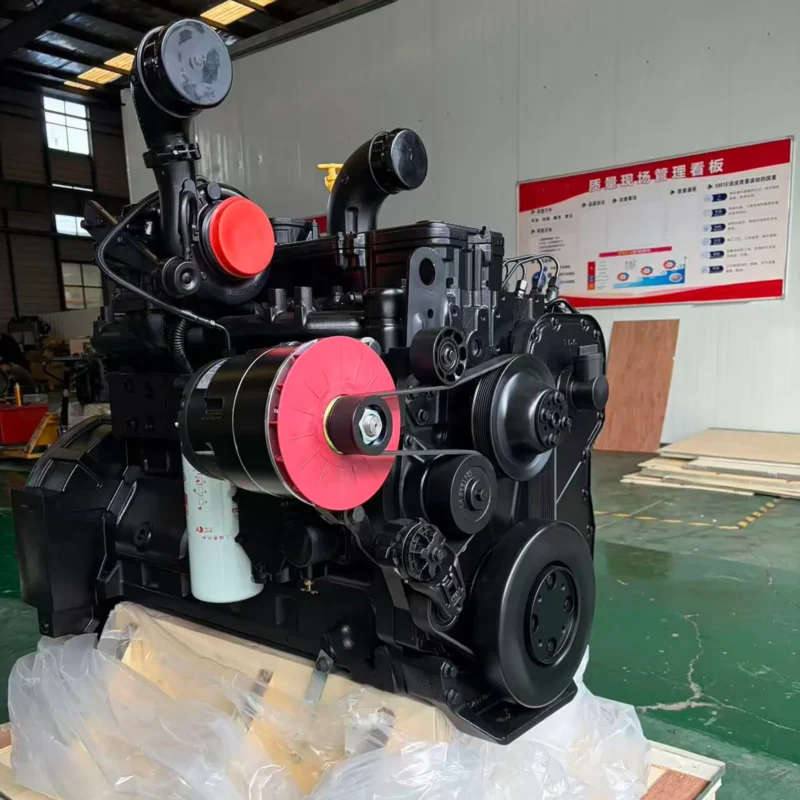
Performance in industrial diesel engine applications depends on specific engineering choices. Many modern units feature an In-line 6-cylinder configuration. This design offers a natural balance that reduces vibration. Reduced vibration leads to less wear on engine components. It also improves the comfort of operators using the machinery.
Turbocharging and aftercooling are standard in high-performance industrial models. A turbocharger forces more air into the combustion chamber. This allows the engine to burn more fuel and produce more power. Aftercoolers lower the temperature of the compressed air. Cooler air is denser and improves combustion efficiency.
Displacement also dictates the suitability of an engine for specific tasks. For example, an 8.9-liter engine is often a “sweet spot” for many industries. It provides enough power for medium-duty marine use or large generators. Such engines often produce between 200 and 400 horsepower. This versatility makes them popular across multiple industrial platforms.
How to Select the Right Diesel Engine for Your Needs
Choosing the correct engine requires an analysis of your specific load requirements. You must determine if your application needs prime or standby power. Prime power engines run continuously at varying loads. Standby engines are designed for emergency use during power outages. Matching the engine rating to your duty cycle prevents premature wear.
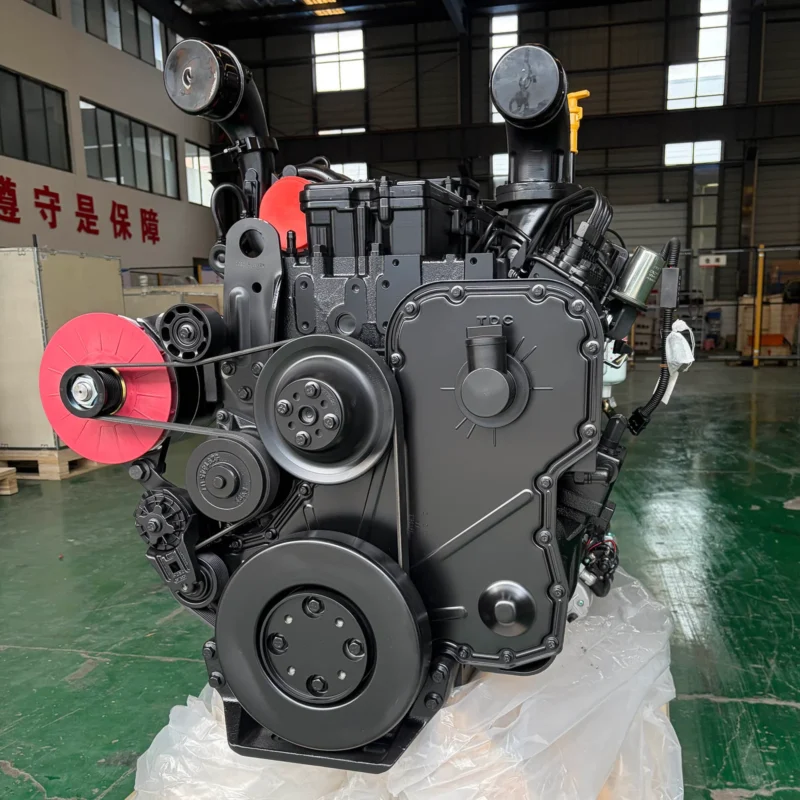
Environmental conditions significantly impact engine performance and longevity. Engines operating in high-altitude areas may require specialized turbocharging. Marine environments demand cooling systems that can handle raw water heat exchange. Always check if the engine model supports the necessary cooling configuration. Radiator cooling is standard for land-based industrial units.
Maintenance accessibility is a final but vital judgment standard. Ensure that filters and fluid check points are easy to reach. High-quality engines, like the 6LTAA8.9-M diesel engine, feature modular designs for easier service. Look for brands that offer robust technical support and parts availability. Reliability is only as good as the service behind it. Exploring options like the 6LTAA8.9-M can provide a baseline for high-standard industrial performance.
Summary
The wide range of industrial diesel engine applications proves their essential role in global growth. These engines offer the best balance of power, safety, and fuel efficiency. By selecting an engine based on load and environment, businesses ensure long-term operational success. Diesel remains the most reliable choice for heavy-duty industrial power.
FAQ
Q:What makes diesel engines better for industrial use than gasoline?
Diesel engines provide higher torque and better fuel efficiency. They are more durable and have a longer operational lifespan. Additionally, diesel fuel is safer to store in industrial environments.
Q:How long does an industrial diesel engine typically last?
Most well-maintained industrial engines last between 15,000 and 30,000 hours. This depends on the load factors and the quality of regular maintenance. Heavy-duty units are designed for multiple rebuilds.
Q:Are modern industrial diesel engines environmentally friendly?
Yes, modern engines utilize advanced filtration and injection technologies. These systems significantly reduce nitrogen oxide and particulate matter emissions. Many comply with strict international environmental standards.
Q:What is the role of an auxiliary diesel engine in marine settings?
Auxiliary engines provide power for onboard electrical systems and pumps. They operate independently of the main propulsion engine. This ensures the ship has electricity even when stationary.
Reference Sources
Diesel Technology Forum: Engine Efficiency and Applications
https://www.dieselforum.org/
U.S. Energy Information Administration: Diesel Fuel Explained
https://www.eia.gov/
Cummins Inc.: Industrial Engine Specifications and Power Ratings
https://www.cummins.com/
Association of Equipment Manufacturers: Construction Machinery Trends
https://www.aem.org/

