
What Is a Diesel Water Pump Engine and Its Cost?

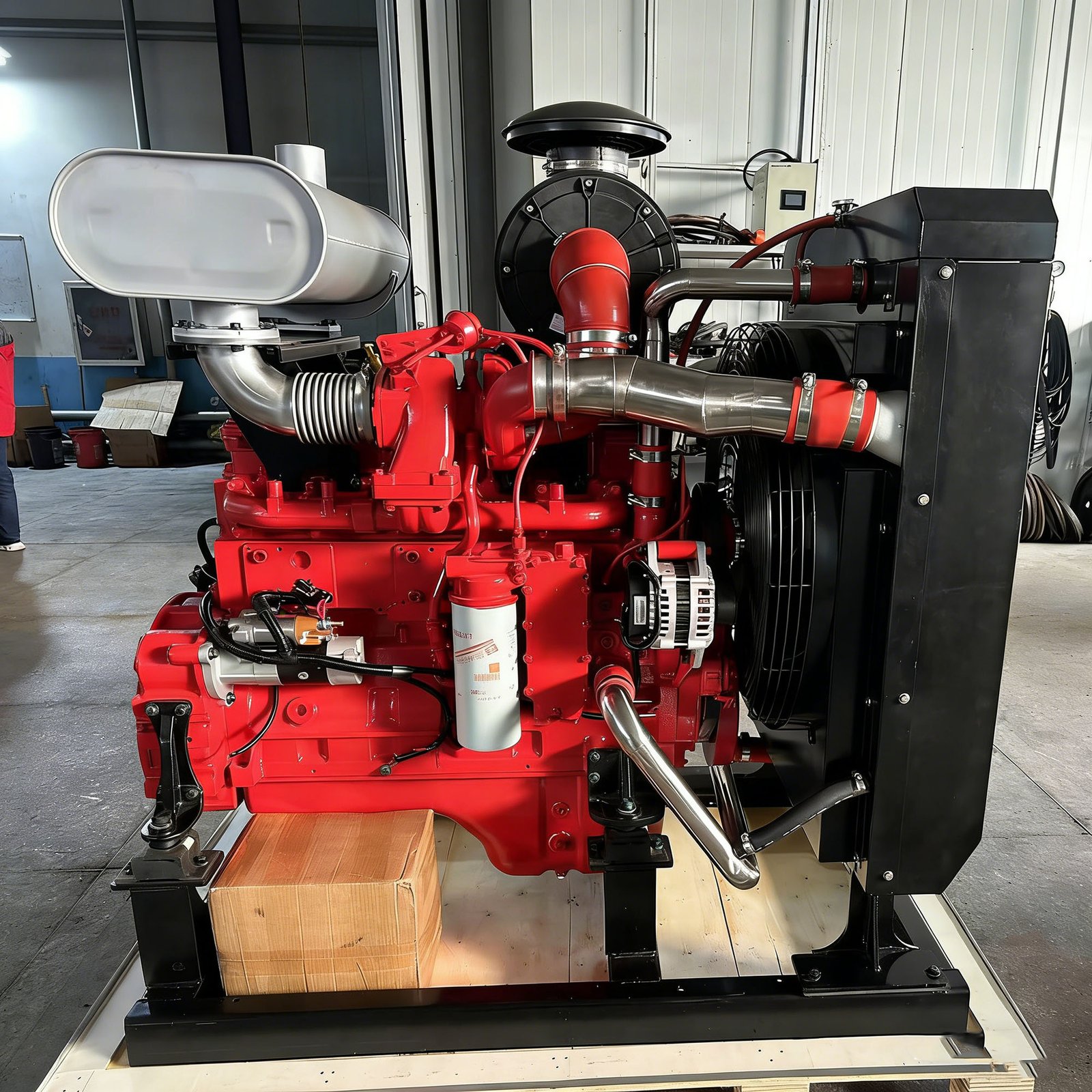
A diesel water pump engine is a dedicated internal combustion unit designed to drive mechanical pumps. These engines provide the necessary torque to move large volumes of water across varying elevations. Many industries rely on these systems when electrical power is unavailable or unreliable. Understanding the diesel water pump engine price is essential for budgeting large-scale irrigation or emergency projects.
These engines typically use compression ignition to burn diesel fuel. This process generates significant mechanical energy. A drive shaft then connects the engine to a centrifugal or positive displacement pump. This configuration allows for continuous operation in remote locations or harsh environments.
Heavy-duty applications often require specialized engines with high displacement. For example, industrial models like the Cummins QSL9.5 are designed specifically for these rigorous demands. They offer the durability needed for firefighting, mining, and large-scale agricultural drainage.
How a Diesel Water Pump Engine Functions
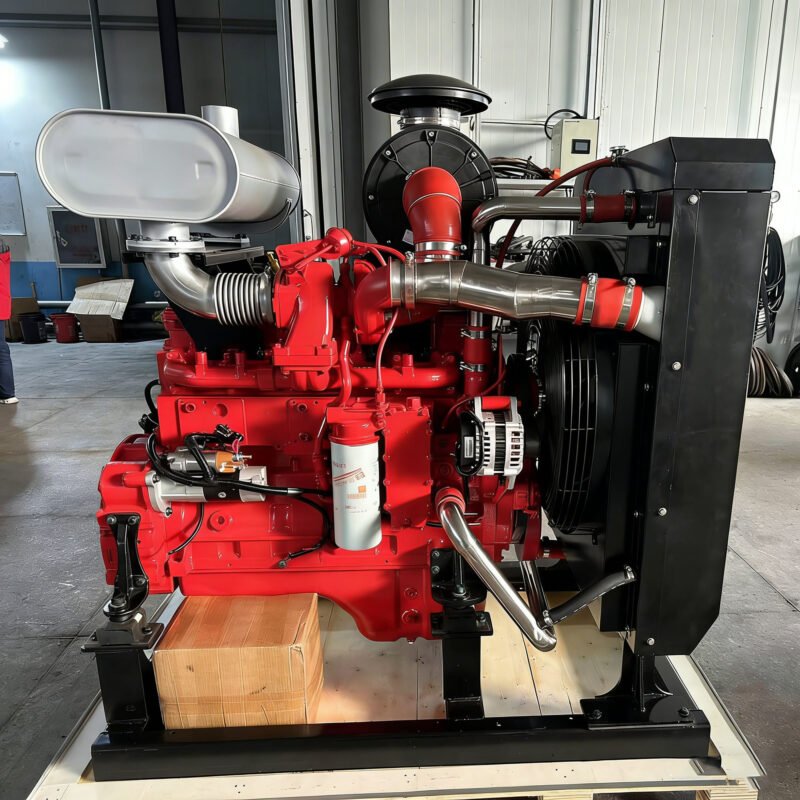
The primary role of the engine is to convert chemical energy into kinetic energy. Diesel fuel enters the combustion chamber under high pressure. The heat of compression ignites the fuel without a spark plug. This creates a powerful downward stroke on the piston.
The crankshaft converts this linear motion into rotational force. This rotation turns the pump impeller at high speeds. As the impeller spins, it creates a vacuum that draws water into the system. The centrifugal force then pushes the water out through the discharge pipe.
Modern engines incorporate turbochargers to increase efficiency. A turbocharger forces more air into the combustion chamber. This allows the engine to burn more fuel and produce more power. Consequently, a turbocharged engine can handle higher head pressures in complex piping networks.
Core Technical Specifications and Performance Data
Performance is measured by power output, displacement, and fuel consumption. An industrial-grade 6-cylinder engine often features a displacement of approximately 9.5 liters. This size provides a balanced ratio between fuel economy and high torque.
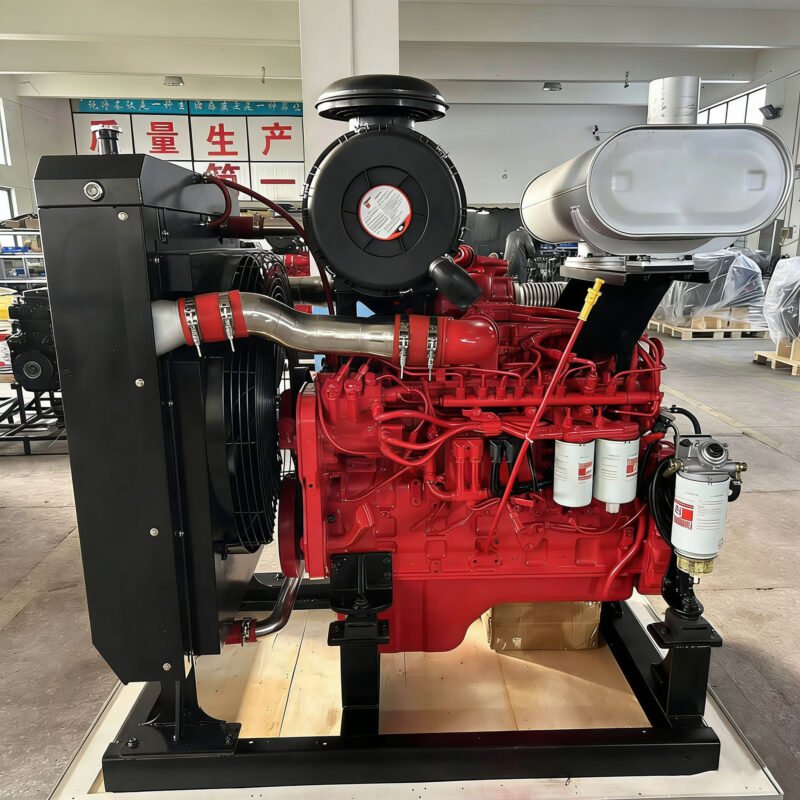
Rated power for these units typically ranges from 242 kW to 250 kW at 2100 RPM. High-capacity engines utilize water-cooling systems to maintain optimal temperatures during extended runs. Vertical, in-line configurations are common because they save space in pump houses.
| Feature | Industrial Diesel Engine Specification |
| Cylinder Arrangement | 6 Cylinders, In-line |
| Aspiration Type | Turbocharged & Charge Air Cooled |
| Typical Displacement | 8.9L to 9.5L |
| Cooling Method | Water-Cooled / Radiator |
| Injection System | Direct Injection |
Fuel systems are also a critical specification. Direct injection systems ensure that fuel is atomized perfectly. This leads to cleaner combustion and lower emissions. Many engines now comply with international standards to reduce environmental impact while maintaining high performance.
Key Factors Affecting the Diesel Water Pump Engine Price
The diesel water pump engine price varies significantly based on several technical factors. Power output is the most influential variable in determining the final cost. Higher kilowatt ratings require more robust components and larger blocks.
The inclusion of advanced cooling and aspiration systems also impacts the diesel water pump engine price. Turbocharged and charge air-cooled models cost more than naturally aspirated units. However, they provide better efficiency and power density for demanding tasks.
Brand reputation and after-sales support influence the total investment. Established manufacturers offer extensive warranties and readily available spare parts. While the initial diesel water pump engine price might be higher, these factors reduce long-term operational risks. Environmental compliance levels, such as Tier 3 or Tier 4 ratings, can also add to the manufacturing cost.
How to Determine the Best Engine for Your Application
Selecting the right engine requires a clear understanding of your flow rate requirements. You must calculate the total dynamic head of your pumping system. This calculation ensures the engine provides enough horsepower to overcome gravity and friction.
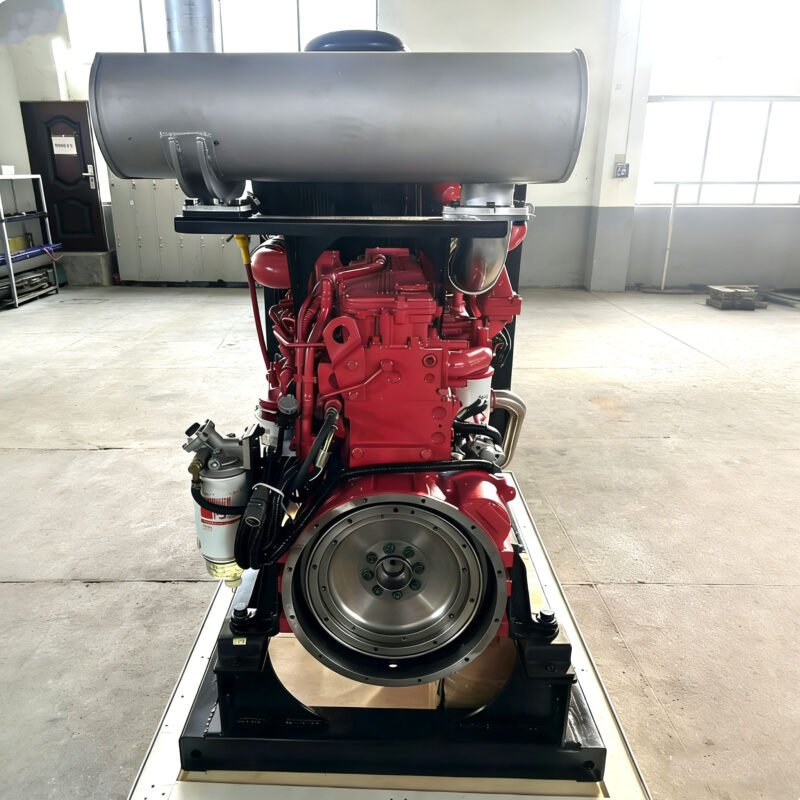
Durability is another vital factor for long-term satisfaction. Look for engines with a vertical, four-stroke design for maximum reliability. Engines with a 9.5-liter displacement often provide the necessary “buffer” for heavy-duty cycles. This prevents the engine from running at maximum capacity constantly, which extends its lifespan.
Consider the cooling environment where the pump will reside. Water-cooled engines are ideal for stationary pump houses with access to cooling loops. If the unit is mobile, integrated radiators are necessary. Evaluating these technical needs helps you justify the diesel water pump engine price relative to your specific project goals.
A high-quality engine should also offer ease of maintenance. Accessible filters and oil ports reduce downtime during routine service. Choosing a model with a proven track record in industrial drainage or firefighting ensures the system will perform when needed most.
Summary
A diesel water pump engine is a high-torque power source essential for moving large fluid volumes. It offers independence from the power grid and superior durability in extreme conditions. By analyzing power needs and cooling requirements, users can accurately evaluate the diesel water pump engine price for their industrial or agricultural applications.
FAQ
Q:What determines the diesel water pump engine price for industrial models?
The price is primarily determined by the engine’s power output (kW), displacement size, and the complexity of its cooling and aspiration systems. Higher-rated turbocharged engines generally command a higher market price due to their efficiency.
Q:How long does a diesel water pump engine typically last?
A well-maintained industrial diesel engine can last between 12,000 and 20,000 hours of operation. Regular oil changes and cooling system maintenance are critical to achieving this lifespan.
Q:Can these engines be used for firefighting applications?
Yes, high-displacement engines like the 9.5L series are frequently used in fire pump systems. They provide the immediate torque and reliability required by international safety standards.
Q:What is the advantage of a 6-cylinder engine over a 4-cylinder model?
A 6-cylinder engine offers smoother power delivery and higher torque capacity. This makes it more suitable for high-pressure industrial pumping tasks compared to smaller 4-cylinder units.
Reference Sources:
Cummins Inc. – Engine Products and Specifications
https://www.cummins.com/
National Fire Protection Association (NFPA) – Standard for the Installation of Stationary Pumps for Fire Protection
https://www.nfpa.org/
The Irrigation Association – Agricultural Irrigation Resources
https://www.irrigation.org/

