
OEM vs ODM in Engine Manufacturing: A Complete Guide


Choosing between different manufacturing models is a critical business decision. This choice determines your product development speed and total investment costs. In the industrial power sector, these models define how machinery comes to life. Many companies struggle to distinguish between Original Equipment Manufacturing (OEM) and Original Design Manufacturing (ODM).
Selecting an OEM diesel engine manufacturer provides a specific pathway for custom power solutions. This model allows businesses to maintain full control over technical specifications. Conversely, ODM offers a faster route to market with pre-existing designs. Understanding these nuances ensures your equipment performs reliably in demanding environments.
Modern engine production requires high precision and adherence to international standards. Whether you are building agricultural tractors or industrial pumps, the engine is the heart of your machine. This guide explores the mechanical and business implications of both manufacturing strategies. By the end, you will know which path suits your technical requirements and budget.
What is the Difference Between Engine OEM and ODM?
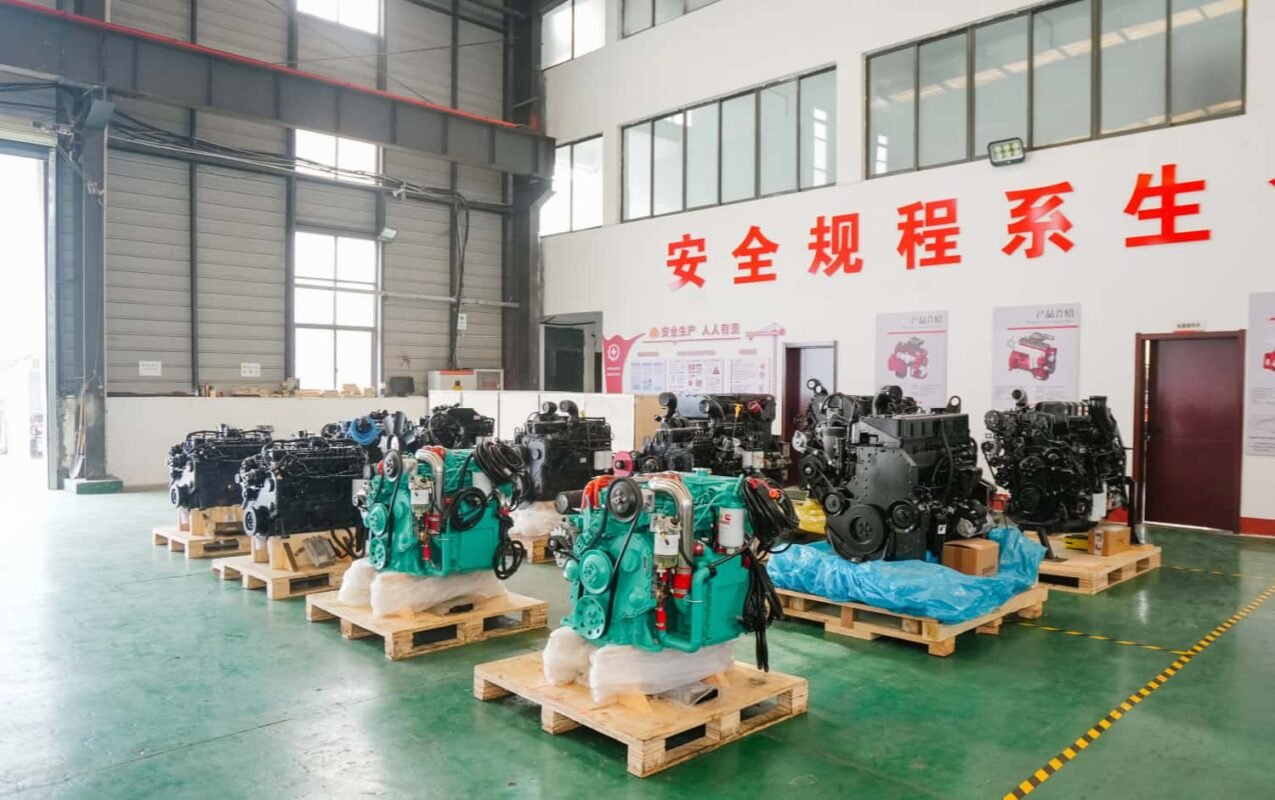
The primary difference lies in who owns the design and intellectual property. In an OEM arrangement, the client provides the technical blueprints and specific engineering requirements. The OEM diesel engine manufacturer then builds the engine according to those exact instructions. This model is ideal for companies with their own research and development teams.
In contrast, an ODM partner designs and manufactures the product themselves. The client simply selects a model from the manufacturer’s catalog and adds their branding. This “private labeling” approach significantly reduces the time needed for product testing and validation. Businesses often choose ODM when they want to avoid high initial engineering expenses.
Data from global manufacturing surveys suggests that the ODM market is growing rapidly. Many startups utilize ODM to enter the power generation market with lower capital risk. However, established industrial brands prefer the OEM route to ensure unique performance advantages. Each model serves a distinct purpose depending on your company’s internal capabilities and market goals.
Key Benefits of Partnering with an OEM Diesel Engine Manufacturer
Working with an OEM diesel engine manufacturer offers unparalleled flexibility in engine configuration. You can specify precise torque curves, cooling methods, and mounting points. This level of customization ensures the engine integrates perfectly with your existing chassis or machinery. Specialized cooling systems, such as water-cooled or air-cooled setups, can be tailored to specific climates.
Quality control is another significant advantage of the OEM manufacturing model. Clients often place their own inspectors within the factory to monitor production phases. This transparency ensures that every internal component meets the required hardness and tolerance standards. For high-stress applications like construction, this reliability is essential for long-term durability.
Customization also extends to meeting diverse international emissions standards, such as Tier 4 or Stage V. According to industry reports, engines that are optimized for specific fuel types can improve efficiency by up to 12%. An OEM diesel engine manufacturer can adjust fuel injection timing to achieve these results. This technical depth allows your brand to compete on performance rather than just price.
Technical Specifications and Performance Metrics in Engine Sourcing
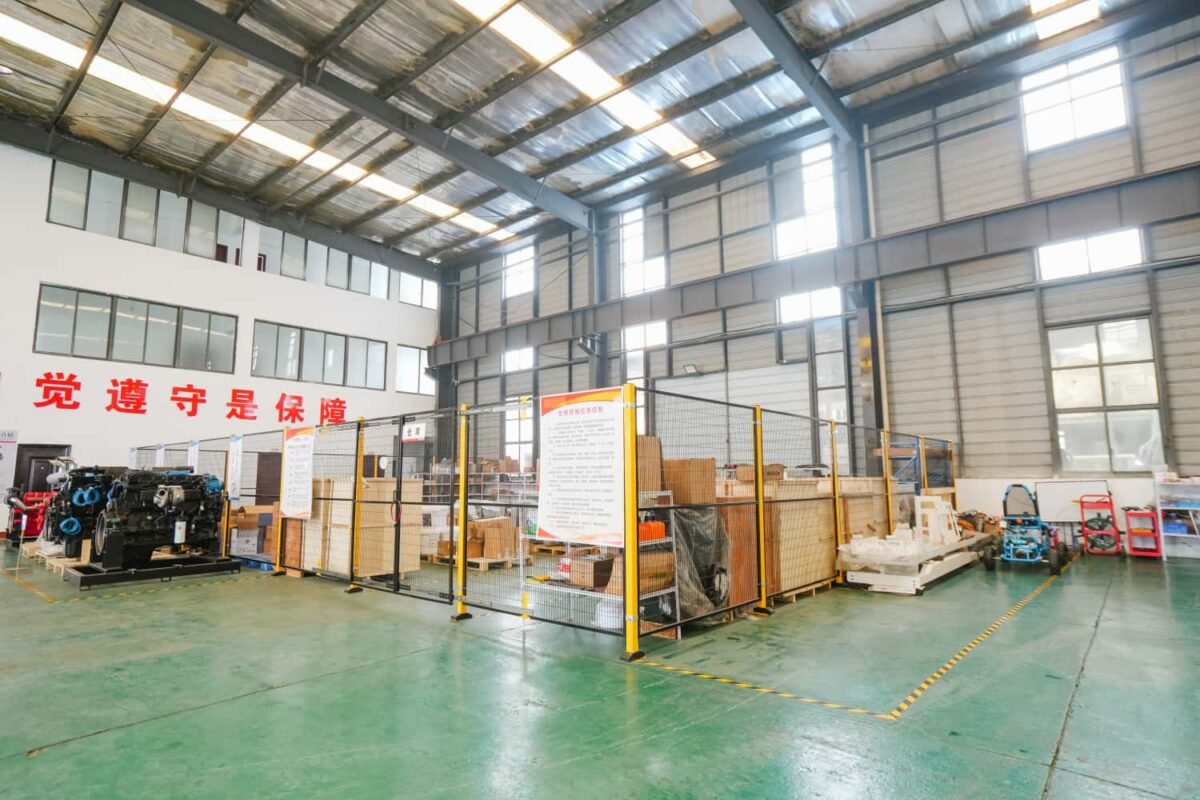
When evaluating an OEM diesel engine manufacturer, you must analyze specific technical data. Displacement and power-to-weight ratios are the most critical factors for mobile machinery. High-performance diesel engines typically offer power outputs ranging from 10kW to over 500kW. Modern compact designs now provide higher torque at lower RPMs compared to older models.
Fuel consumption rates serve as a primary indicator of engineering quality. Leading manufacturers aim for a specific fuel consumption of approximately 210g/kWh to 230g/kWh. Lower consumption rates directly reduce the operational costs for the end-user. Additionally, noise levels are increasingly regulated in urban construction environments. Many premium engines are now designed to operate below 95 decibels at full load.
Reliability data is often measured through Mean Time Between Failures (MTBF) statistics. High-quality engines often exceed 10,000 hours of operation before requiring a major overhaul. This longevity is achieved through advanced metallurgy and precision machining of the crankshaft and cylinders. Verifying these data points with your OEM diesel engine manufacturer is vital during the sourcing process.
| Feature | OEM Model | ODM Model |
| Design Ownership | Client | Manufacturer |
| Tooling Costs | High (Client pays) | Low (Included in unit price) |
| Time to Market | 12–24 Months | 3–6 Months |
| Customization | Full | Limited to branding/color |
| Minimum Order (MOQ) | Usually Higher | Usually Lower |
How to Determine the Best Manufacturing Model for Your Power Needs
Choosing the right manufacturing model depends on your specific application and technical expertise. If you require a unique power unit for a proprietary agricultural machine, OEM is necessary. You must evaluate if your team can handle the complex engineering documentation required. If the answer is yes, an OEM diesel engine manufacturer will be your best technical partner.
If your goal is to distribute standard generator sets or irrigation pumps, ODM is more efficient. This allows you to leverage the manufacturer’s existing certifications and safety ratings. You should look for partners who offer a wide range of power units to ensure scalability. For instance, having access to both air-cooled and water-cooled variants provides better market coverage.
Consider the environmental conditions where the engines will operate most frequently. Remote mining sites require rugged, simple engines that are easy to repair in the field. Conversely, urban backup power systems need quiet and highly efficient units with advanced electronic controls. Assessing these factors helps you decide whether to invest in a custom design or a proven platform. You can explore a variety of professional power solutions at Kangjin Power Products to compare different engine configurations.
Summary
Choosing between OEM and ODM depends on your need for design control versus speed to market. Partnering with an OEM diesel engine manufacturer provides the highest level of customization and brand differentiation. However, ODM remains the most cost-effective solution for standard industrial applications. Prioritize technical data and long-term reliability when making your final manufacturing decision.
FAQ
Q:What is the role of an OEM diesel engine manufacturer?
An OEM diesel engine manufacturer builds engines based on the specific designs and technical requirements provided by a client. They handle the physical production, assembly, and quality testing while the client retains the intellectual property rights.
Q:Is it more expensive to use an OEM or ODM service?
OEM services typically involve higher upfront costs due to custom tooling and engineering development. ODM is generally more affordable for small to medium enterprises because the development costs are shared across multiple buyers.
Q:Can an OEM diesel engine manufacturer help with emissions compliance?
Yes, most manufacturers have the technical expertise to adjust engine components to meet specific regional standards. This may include integrating specialized exhaust after-treatment systems or optimizing fuel injection for cleaner combustion.
Q:How do I verify the quality of an engine manufacturer?
You should request ISO certification documents and specific test reports regarding fuel efficiency and engine lifespan. Visiting the production facility to observe their quality control processes is also highly recommended for long-term partnerships.
Reference Sources
- International Organization for Standardization (ISO) – Quality Management Standards: https://www.iso.org/
- SAE International – Ground Vehicle Standards and Engine Testing: https://www.sae.org/
- DieselNet – Diesel Engine Emissions and Technology: https://www.dieselnet.com/
- S&P Global – Manufacturing and Industrial Market Insights: https://www.spglobal.com/

