
Diesel Generator Room Ventilation Requirements Guide

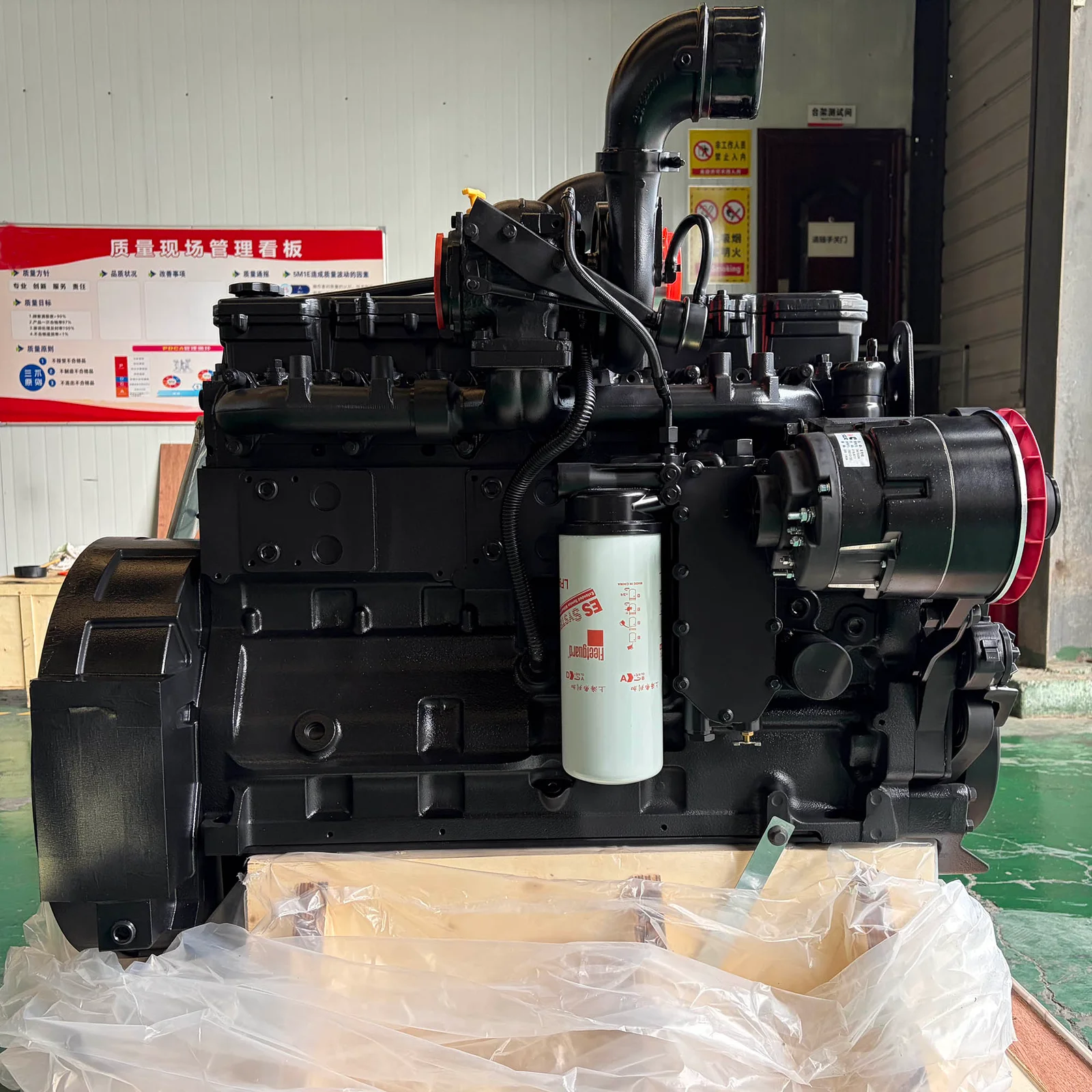
Diesel generator room ventilation requirements depend on the combustion air consumed by the engine, the heat released into the room, and the cooling airflow required by the radiator. An effective design brings sufficient outside air into the room, removes heat without recirculation, and directs engine exhaust gases safely outdoors. Air openings, fans, and ducts must also meet the generator manufacturer’s airflow and static-pressure limits.
There is no universal ventilation rate that applies to every diesel generator. A 100 kW unit with a factory-mounted radiator has different requirements from a larger generator using a remote cooling system. Equipment rating, ambient temperature, installation layout, and operating duty all affect the final design.
What Airflow Does a Diesel Generator Room Need?
Generator room ventilation serves three related but distinct functions: supplying combustion air, removing heat from the room, and supporting the installed radiator cooling arrangement. The engine exhaust system is separate and must discharge combustion products safely outdoors.
| Requirement | Purpose | Primary Design Input |
|---|---|---|
| Combustion air | Supplies oxygen for fuel combustion | Engine air consumption at rated load |
| Room ventilation air | Removes heat from the engine, alternator, and equipment | Heat radiated to room and allowable temperature rise |
| Radiator cooling air | Removes heat from engine coolant | Cooling package airflow and allowable restriction |
| Engine exhaust | Discharges combustion gases outdoors | Exhaust flow, temperature, and permitted backpressure |
The engine’s combustion air requirement is usually much smaller than the cooling airflow required by a radiator-mounted generator. However, both must be considered when designing the air inlet.
Cummins’ T-030 generator application manual explains that ventilation calculations should account for heat released by the generator, heat from other room equipment, combustion air, and installation conditions.
Combustion Air Is Not the Same as Cooling Air
Combustion air enters the engine intake system, where it supports fuel combustion. After combustion, the gases leave through the exhaust system.
Cooling air passes through or around the generator set and carries heat away. In a radiator-mounted installation, the fan usually draws outside air across the equipment before discharging it through the radiator.
When these requirements are confused, an installation may have enough air for combustion but insufficient airflow to prevent overheating.
How to Calculate Generator Room Ventilation Airflow
The correct starting point is the technical data sheet for the complete generator set. Engine displacement or electrical output alone cannot provide an accurate ventilation requirement.
The required information normally includes:
- Combustion air consumption at rated load.
- Heat radiated to the generator room.
- Alternator and auxiliary equipment heat losses.
- Radiator cooling airflow, if a set-mounted radiator is used.
- Maximum allowable radiator airflow restriction.
- Maximum outdoor ambient temperature and site elevation.
- Permitted room temperature rise.
Calculate Airflow Needed to Remove Room Heat
For a preliminary sensible-heat calculation, the ventilation airflow can be estimated using:
V = Q / (ρ × cp × ΔT)
Where:
- V: Volumetric airflow, in m³/s.
- Q: Heat released into the room, in kW.
- ρ: Air density, in kg/m³.
- cp: Specific heat capacity of air, in kJ/(kg·K).
- ΔT: Permitted temperature rise, in K.
Consider an illustrative generator room with 45 kW of sensible heat release, an allowable 10°C temperature rise, and air density of 1.2 kg/m³.
Using a specific heat capacity of approximately 1.005 kJ/(kg·K):
V = 45 / (1.2 × 1.005 × 10) ≈ 3.73 m³/s
This equals approximately 13,430 m³/h of ventilation airflow for removing the assumed room heat.
The result is not automatically the final room airflow requirement. Combustion air, equipment-specific cooling requirements, altitude, and installed fan performance must also be considered.
Account for Radiator Airflow
For a factory-mounted radiator, the cooling fan may already provide more airflow than the calculated room heat-removal requirement.
Cummins’ application method compares the adjusted room ventilation requirement against the radiator cooling airflow. The larger applicable airflow governs the room inlet and outlet design.
This avoids treating combustion air and radiator airflow as unrelated quantities that must always be added together. Airflow accounting depends on the physical cooling arrangement.
If the radiator is remotely mounted, the room still requires ventilation for combustion and internally released heat. The remote radiator’s own airflow is handled separately.
Air Inlet, Outlet and Radiator Duct Design
Correct airflow quantity is only part of the design. Air must enter and leave the building along a path that actually cools the generator set.
Position the Inlet and Outlet to Prevent Recirculation
For many radiator-mounted installations, outside air enters from the generator control or alternator end and passes along the engine toward the radiator.
Heated radiator air is then discharged directly outside through a suitably designed outlet duct.
Good practice includes:
- Locate the inlet away from exhaust outlets and other contamination sources.
- Keep the cooling-air path clear of equipment and stored materials.
- Prevent discharged radiator air from returning to the inlet.
- Consider prevailing wind direction and external obstructions.
- Use a flexible connection between the radiator and discharge duct where specified.
- Provide access for radiator cleaning, fan inspection, and equipment maintenance.
The exact inlet and outlet positions depend on fan direction, room geometry, and the generator manufacturer’s installation drawings.
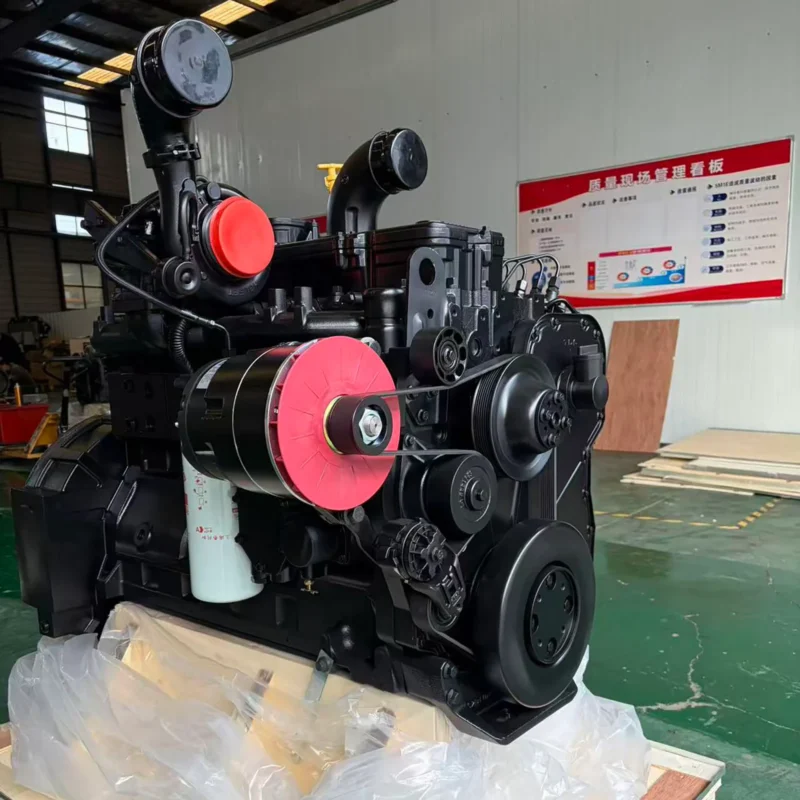
Size Louvers Using Effective Free Area
A common installation mistake is calculating ventilation openings from the overall dimensions of the wall louver.
The gross opening area is not the same as the effective open area. Blades, insect screens, weather protection, and acoustic treatments reduce the available airflow passage.
For a preliminary check, use:
Effective opening area = Airflow / Design air velocity
For example, 3 m³/s of airflow at an assumed effective opening velocity of 3 m/s requires approximately 1 m² of effective open area.
That does not mean a louver with a gross face area of 1 m² will perform adequately. Select the actual louver using manufacturer airflow and pressure-drop data.
Cummins recommends checking the total resistance of louvers, screens, ducts, and other restrictions against the generator set’s allowable static restriction.
Check Fan Performance Under Installed Conditions
A fan’s free-air rating does not represent its actual airflow through a restricted ventilation system.
Long ducts, tight bends, narrow louvers, acoustic attenuators, and clogged screens increase system resistance.
If the installed resistance exceeds the cooling fan’s capability, radiator airflow can fall below its design requirement even when the openings appear large.
The final installation should therefore include airflow or pressure measurements under representative operating conditions.
Heat, Combustion and Exhaust Safety Requirements
A generator room must remain within the equipment’s permitted operating temperature range. High temperatures can reduce engine performance, accelerate component aging, and cause cooling-system alarms or shutdowns.
Manage Heat from the Engine and Alternator
Not all generator heat is removed through the radiator. Engine surfaces, the alternator, exhaust manifolds, and internal piping also release heat into the room.
Radiated heat should be taken from the complete generator set data where available. Exhaust piping and silencers may require suitable insulation to reduce room heat gain.
Designers should also consider heat released by electrical equipment installed in the room.
Keep Exhaust Gases Separate from Ventilation Air
Engine exhaust contains hazardous gases, including carbon monoxide. It must be conveyed through an appropriately engineered exhaust system and discharged outdoors.
Exhaust discharge locations should prevent fumes from re-entering the generator room, occupied buildings, or nearby fresh-air intakes.
Ventilation alone is not a substitute for a correctly installed exhaust system.
Exhaust piping must also remain within the engine manufacturer’s maximum backpressure limit. Undersized piping, excessive bends, and restrictive silencers can impair engine performance.
Consider Fire Protection and Emergency Operation
Generator room design should follow applicable building, mechanical, fire, and electrical requirements in the installation jurisdiction.
For emergency-power installations, applicable requirements may include NFPA 110 and related local code provisions. Their use and enforceability depend on the project’s jurisdiction and classification.
Motorized ventilation louvers should open in coordination with generator startup. A standby unit may need to accept substantial electrical load shortly after starting.
Fire dampers, ventilation shutdowns, alarms, and fuel-system interfaces must follow the approved fire-protection strategy. They should not be installed solely according to a generic ventilation diagram.
Ventilation Design for Different Generator Applications
Generator room arrangements vary considerably between small standby installations and large industrial power stations.
Factory-Mounted Radiator Generator Sets
A factory-mounted radiator usually relies on the generator’s own cooling fan to move air through the room and reject engine coolant heat.
For engines in the Cummins QSB6.7 diesel engine range, the required cooling airflow depends on the exact generator configuration, radiator package, and engine rating.
The engine’s published shaft-power rating should not be treated as an airflow specification. The complete generator set data sheet is required.
Large Industrial Generator Rooms
Higher-output generator installations may have substantial radiator airflow requirements and significant heat released from the equipment.
The Cummins 6CTA8.3 diesel engine is used in several industrial applications, including power generation.
When such an engine is integrated into a generator package, the ventilation design must follow its actual operating speed, cooling arrangement, and generator set rating.
Larger installations may also require acoustic attenuation and longer duct runs. Both can increase airflow restriction and must be included in fan selection.
Remote-Radiator and Heat-Exchanger Systems
A remote cooling arrangement can reduce the large radiator airflow requirement inside the generator room. It does not eliminate combustion air or room heat-removal requirements.
For example, a heavy-duty engine platform such as the Cummins QSM11 diesel engine may be incorporated into industrial equipment with different cooling configurations.
The installed cooling circuit determines whether the room needs radiator airflow, independent ventilation fans, or a combination of systems.
Remote radiators also introduce piping pressure losses, coolant expansion, deaeration, and pump-head considerations.
Engine sizing is another separate issue. Kangjin Power’s diesel generator engine sizing guide explains the relationship between engine mechanical output and generator electrical demand.
Those power requirements establish the appropriate engine-generator configuration, after which ventilation must be calculated using its specific technical data.
Common Generator Room Ventilation Mistakes
Ventilation problems often appear only when the generator operates at high load or during hot weather.
| Design Mistake | Possible Consequence | Recommended Check |
|---|---|---|
| Using a fixed airflow per kW | Incorrect ventilation capacity | Use generator-specific cooling and heat data |
| Undersized or restrictive louvers | Reduced fan airflow | Verify free area and pressure drop |
| Hot-air recirculation | Higher radiator inlet temperature | Check discharge duct sealing and outdoor airflow |
| Ignoring combustion air | Insufficient engine intake air | Check rated-load combustion air consumption |
| Excessive duct resistance | Cooling fan performance loss | Compare installed pressure drop with allowable limits |
| Remote radiator without room fans | Room overheating | Calculate room heat-removal airflow separately |
| Exhaust discharge near air inlets | Exhaust gas re-entry | Review discharge location and prevailing winds |
Before commissioning, verify that the ventilation openings function during startup, all fans operate correctly, and the engine can sustain its required load without exceeding temperature limits.
Measurements should include room temperature, radiator inlet temperature, airflow restriction, and relevant engine operating temperatures.
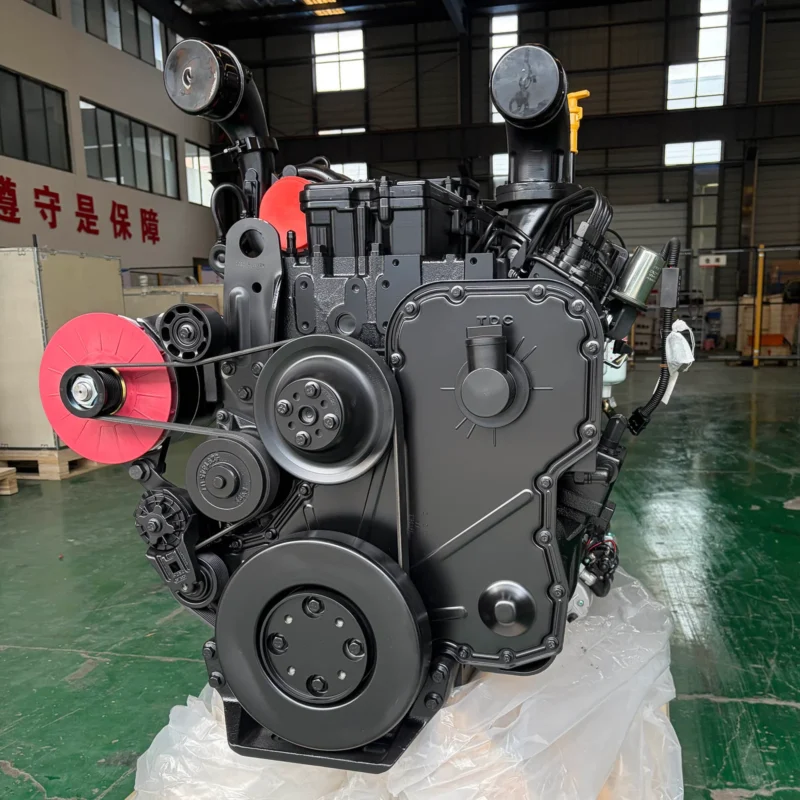
Conclusion
Diesel generator room ventilation must provide combustion air, remove equipment heat, and accommodate the cooling package’s airflow requirements. The design must also prevent radiator air recirculation and safely separate engine exhaust gases from ventilation air.
The most dependable approach is to use the complete generator set’s technical data, calculate the room heat-removal requirement, and verify the installed airflow and pressure losses. Final compliance and safety requirements should be confirmed against applicable codes and the manufacturer’s installation instructions.
Frequently Asked Questions
How much ventilation does a diesel generator room need?
The airflow depends on the generator’s combustion air demand, room heat release, radiator cooling airflow, and installation conditions. Use manufacturer technical data and heat-balance calculations rather than a fixed airflow rate per kW.
Does a diesel generator need fresh air for combustion?
Yes. The engine requires sufficient intake air to burn fuel efficiently. Its combustion air consumption should be obtained from the engine or generator set data sheet at the appropriate operating rating.
Can generator radiator air be discharged into the room?
For a conventional indoor radiator-mounted installation, heated radiator air should be directed outdoors through a suitable discharge arrangement. Recirculating hot air can raise room temperatures and reduce cooling performance.
Does a remote radiator eliminate generator room ventilation?
No. A remote radiator handles coolant heat rejection outside the room, but the engine still requires combustion air. Ventilation is also needed to remove heat from the engine, alternator, and other indoor equipment.
What standards apply to diesel generator room ventilation?
Applicable requirements depend on the installation location and use. Generator manufacturer instructions, local building and mechanical codes, fire requirements, and standards such as NFPA 110 may apply to particular emergency-power systems.

