
Cummins QSB5.9 Specs: Power, Torque & Applications

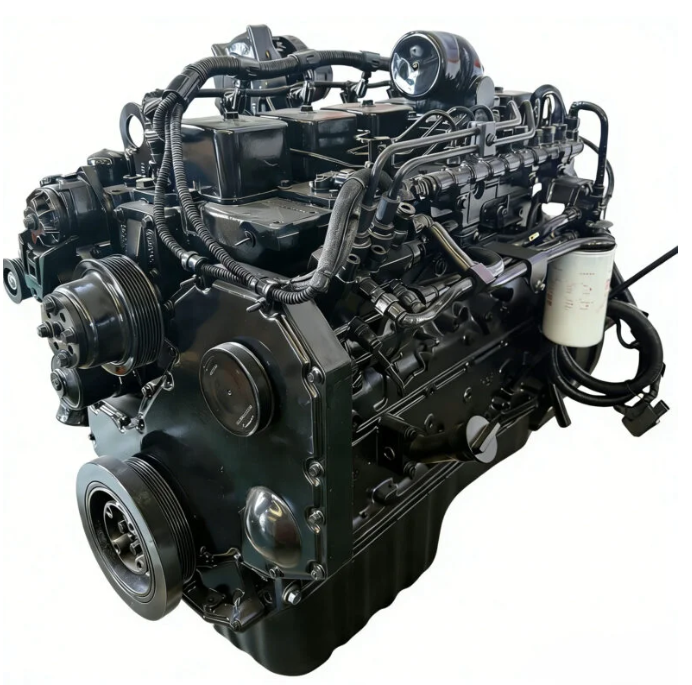
The Cummins QSB5.9 is a 5.9-liter, inline six-cylinder diesel engine commonly used in construction and industrial equipment. According to Kangjin Power’s QSB5.9 product specifications, available configurations deliver 130–210 hp and 650–800 N·m of peak torque. The engine combines electronic common rail fuel injection with turbocharging to support performance under varying loads.
Cummins QSB5.9 Engine Specifications
The QSB5.9 is designed for machinery requiring reliable power and torque across different operating conditions.
| Specification | Details |
|---|---|
| Engine Type | Inline 6-cylinder, 4-stroke |
| Displacement | 5.9 L |
| Bore × Stroke | 102 × 120 mm |
| Rated Power | 130–210 hp (97–157 kW) |
| Rated Speed | 2,200–2,600 rpm |
| Peak Torque | 650–800 N·m |
| Fuel System | Electronic common rail |
| Aspiration | Turbocharged, aftercooled |
| Cooling | Liquid-cooled |
Specifications represent the configurations listed by Kangjin Power. Actual ratings depend on the engine version.
How Much Power and Torque Does the QSB5.9 Produce?
The Cummins QSB5.9 delivers 130–210 hp, depending on its configuration. Peak torque ranges from 650 to 800 N·m in the listed versions.
Horsepower determines the engine’s ability to perform work over time, while torque influences its response to mechanical resistance.
For excavators and wheel loaders, strong mid-range torque helps maintain hydraulic performance during digging and loading.
Actual output depends on:
- Engine calibration and rated speed
- Turbocharger configuration
- Fuel injection settings
- Operating load and cooling conditions
Higher horsepower does not necessarily mean better fuel efficiency. Engine selection must account for the equipment’s operating requirements.
QSB5.9 Fuel Injection and Turbocharging
The QSB5.9 uses an electronic high-pressure common rail fuel system. Its engine controller adjusts injection timing and fuel quantity according to operating conditions.
This technology supports more precise combustion control than conventional mechanical injection.
The turbocharger increases intake airflow, while the aftercooler reduces compressed-air temperature before combustion.
Together, these systems help maintain engine output during demanding operations. Fuel consumption still varies with load, engine speed, and maintenance condition.
Cummins QSB5.9 Applications
The QSB5.9 is used in several types of off-highway machinery.
| Application | Engine Requirements |
|---|---|
| Excavators | Torque for hydraulic digging operations |
| Wheel Loaders | Power response during loading |
| Road Rollers | Output for propulsion and vibration |
| Motor Graders | Controlled power for grading operations |
| Industrial Equipment | Stable output for mechanical loads |
For larger machinery requiring different power characteristics, the Cummins 6LTAA8.9 specifications guide provides information about another Cummins engine platform.
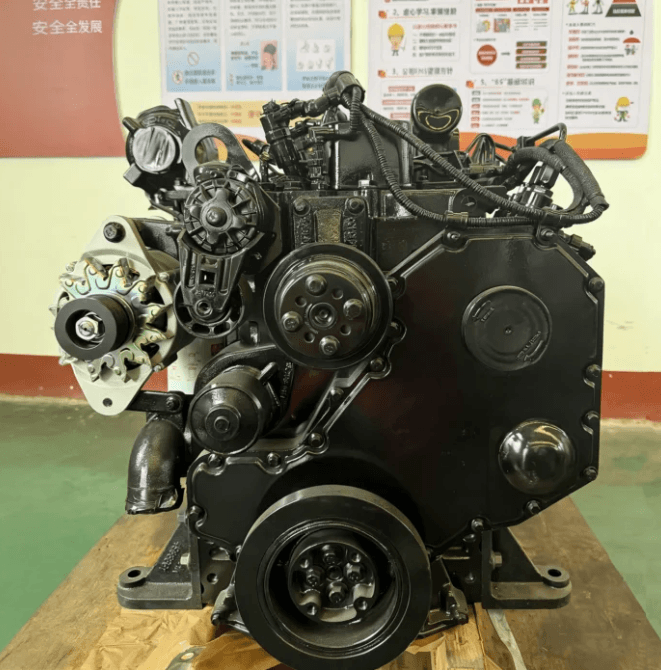
QSB5.9 Performance and Operating Considerations
Engine performance depends on more than rated horsepower.
Fuel consumption, cooling capacity, and operating speed all influence performance in real applications.
Three factors deserve attention:
- Load factor: Continuous heavy loads increase fuel demand and heat generation.
- Cooling: Restricted airflow or high coolant temperatures can reduce performance.
- Maintenance: Clean fuel filters, proper lubrication, and effective air filtration support reliable operation.
Kangjin Power’s QSB5.9 diesel engine page provides information about available configurations and applications.
Exact performance curves, dimensions, and emissions certification should be confirmed against the specific engine rating.
FAQ
What is the horsepower of the Cummins QSB5.9?
Kangjin Power lists 130–210 hp for its QSB5.9 configurations. Actual horsepower varies by engine rating and operating speed.
What is the maximum torque of the QSB5.9?
The listed configurations produce approximately 650–800 N·m of peak torque. Other QSB5.9 ratings may differ.
Does the QSB5.9 use common rail injection?
Yes. It uses an electronically controlled high-pressure common rail system to regulate fuel injection timing and quantity.
What equipment uses the Cummins QSB5.9?
Common applications include excavators, wheel loaders, road rollers, motor graders, and other industrial machinery.

