
Cummins QSB Engine Specs: Technical Overview & Applications

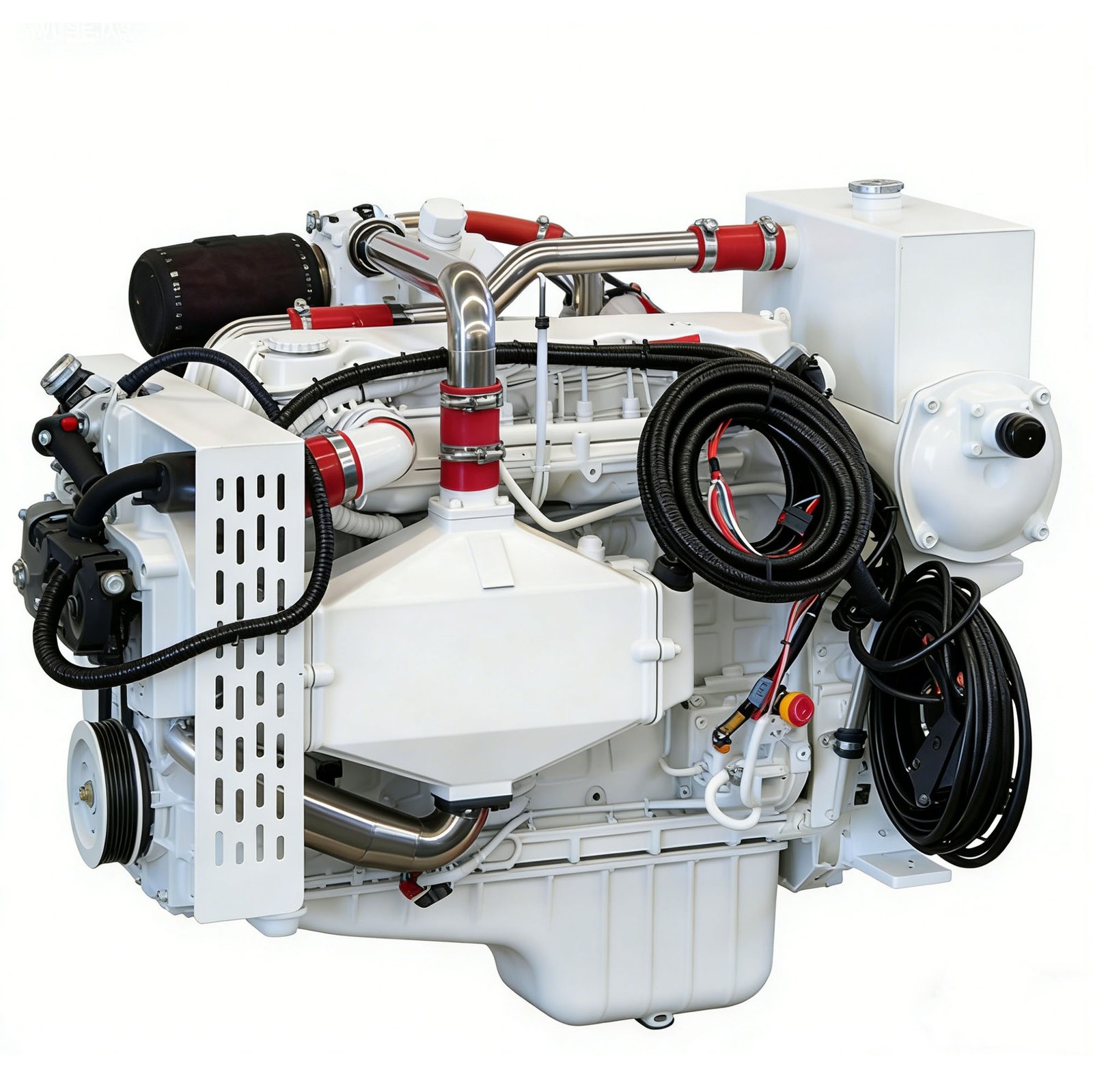
The Cummins B-Series has long been the backbone of mid-range diesel performance, but the transition to the “Quantum System” (QS) marked a significant leap in electronic integration and fuel efficiency. The Cummins QSB engine represents this evolution, moving from traditional mechanical injection to advanced High-Pressure Common Rail (HPCR) systems.
For engineers, fleet managers, and marine operators, the QSB series is defined by its high power-to-weight ratio and its ability to meet stringent Tier 3 and Stage IIIA emissions standards without sacrificing the ruggedness the B-series is known for.
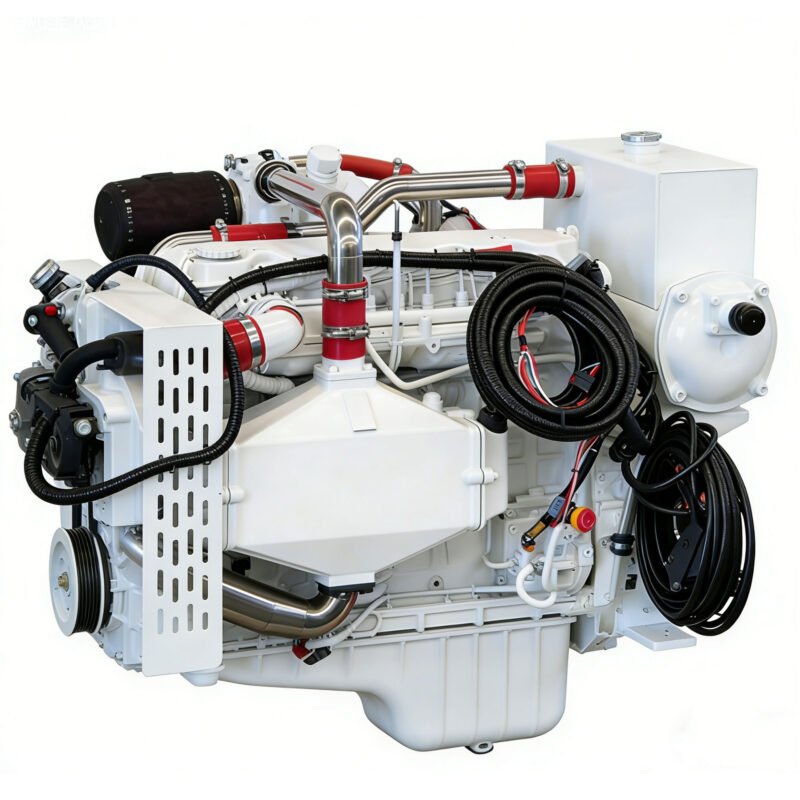
What is the Cummins QSB Engine?
The Cummins QSB (Quantum System B) is a family of off-highway and marine diesel engines ranging from 3.9 to 6.7 liters. Unlike its predecessor, the 6BT, the QSB utilizes a full-authority electronic control module (ECM) to optimize combustion.
The “Q” stands for Quantum System, which implies a suite of electronics that monitor engine parameters in real-time, adjusting fuel timing and pressure to match load demands. This makes the QSB significantly quieter and cleaner than legacy mechanical engines, a critical factor in modern marine and construction environments.
Core Cummins QSB Engine Specs: A Comparison
The most prevalent models in the current secondary and OEM markets are the QSB 5.9 and the QSB 6.7. Understanding the displacement and aspiration differences is vital for proper application matching.
| Feature | QSB 5.9 Specifications | QSB 6.7 Specifications |
| Configuration | Inline 6-Cylinder | Inline 6-Cylinder |
| Displacement | 5.9 Liters (359 cu in) | 6.7 Liters (408 cu in) |
| Aspiration | Turbocharged / Aftercooled | Turbocharged / Aftercooled |
| Bore x Stroke | 102 mm x 120 mm | 107 mm x 124 mm |
| Fuel System | HPCR (Common Rail) | HPCR (Common Rail) |
| Power Output | 230 – 480 hp (Marine) | 250 – 550 hp (Marine) |
| Peak Torque | Up to 940 lb-ft | Up to 1,250 lb-ft |
| Weight (Dry) | ~612 kg (1,350 lbs) | ~658 kg (1,450 lbs) |
Engineering Advantages: The Shift to HPCR Technology
The defining technical characteristic of the Cummins QSB engine is the High-Pressure Common Rail fuel system. In older mechanical engines, injection pressure was dependent on engine speed. In the QSB, the HPCR maintains high pressure regardless of RPM.
- Multiple Injection Events: The ECM can trigger five separate injection events per combustion cycle. This “pilot injection” softens the pressure rise, drastically reducing “diesel clatter” and vibration.
- Cold Start Performance: Electronic control allows for precise fueling during startup, eliminating the heavy white smoke typically associated with cold diesel engines.
- Torque Delivery: By maintaining high rail pressure at low speeds, the QSB provides superior “hole-shot” or low-end torque, which is essential for heavy equipment and marine vessels trying to get on plane.
Primary Applications of the QSB Series
The versatility of the QSB platform allows it to operate in diverse environments, provided the cooling and filtration systems are correctly configured for the specific use case.
Marine Propulsion and Auxiliaries
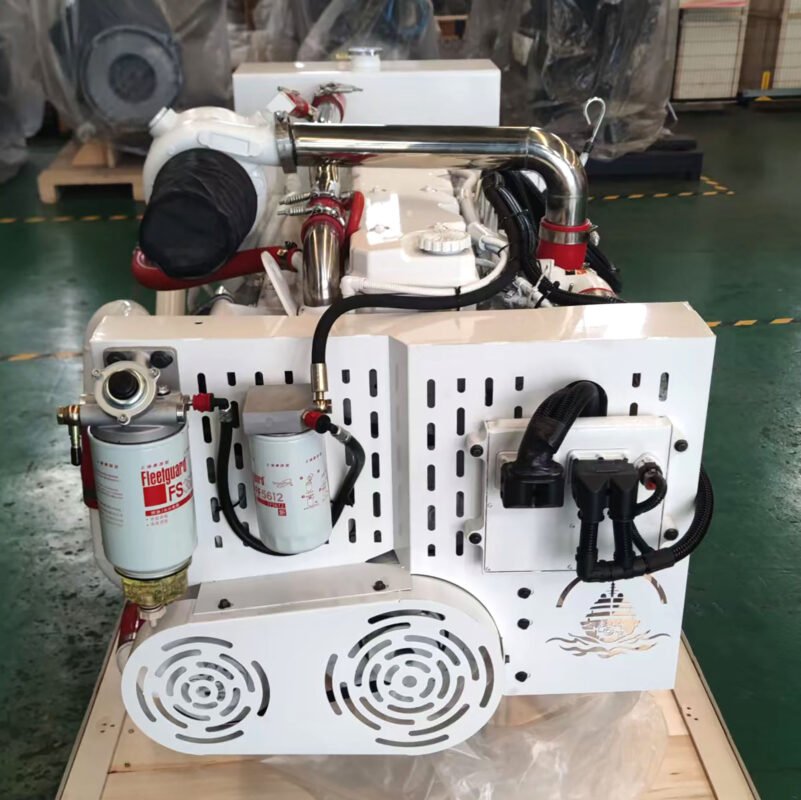
In the marine sector, the QSB series is a premier choice for recreational and commercial vessels. As noted in professional marine engine catalogs, the QSB is often utilized for its compact footprint.
- Recreational: Used in sportfishers and motor yachts due to its smoke-free operation and high power density.
- Commercial: Employed in pilot boats and light tugs where reliability and long service intervals (typically 500 hours for oil changes) are required.
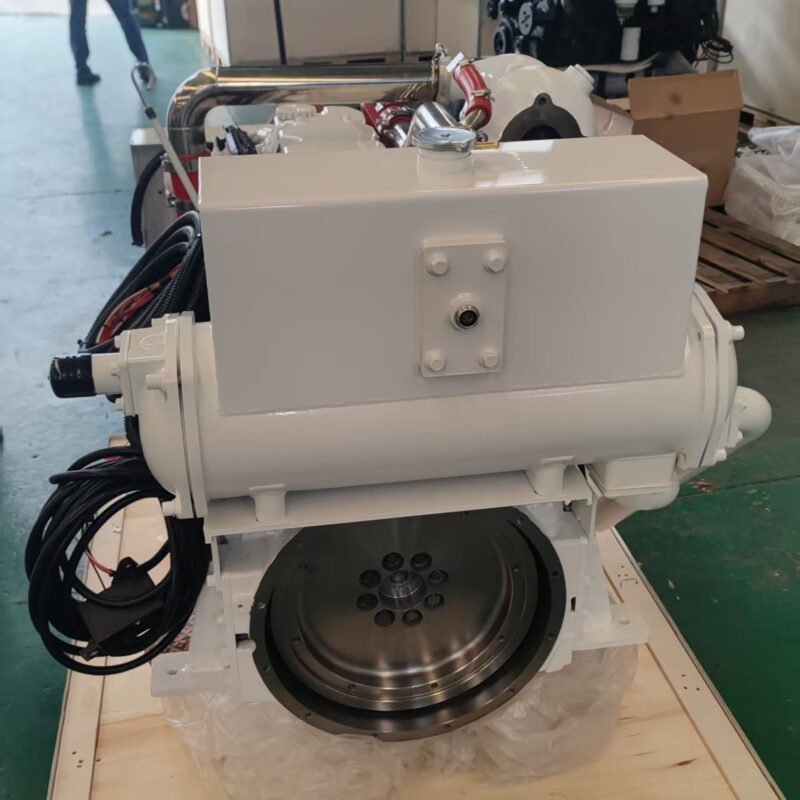
- Cooling Systems: Marine versions often feature integrated heat exchangers and water-cooled exhaust manifolds to handle high-duty cycles in saltwater environments.
Industrial and Construction Equipment
The industrial QSB 6.7 is a staple in high-duty cycle machinery.
- Excavators and Loaders: The high torque rise allows the engine to recover quickly under hydraulic load.
- Agricultural: Found in tractors and combines where constant power output is required across varying terrain.
- Power Generation: Used in mobile gen-sets where transient response—the ability to maintain frequency when a large load is applied—is critical.
Durability and Real-World Maintenance Logic
From a manufacturing and maintenance perspective, the QSB is built on a “solid block” design. It lacks cylinder liners (parent bore design), which increases the rigidity of the block but requires precise machining during an overhaul.
Key Maintenance Considerations:
- Fuel Filtration: HPCR systems are extremely sensitive to water and particulate contamination. Using 2-micron filters is generally non-negotiable to prevent injector erosion.
- Valvetrain: The QSB uses a 4-valve per cylinder head, which improves airflow but requires periodic valve lash adjustments (typically every 2,000 hours in industrial applications).
- Cooling System Electrolysis: In marine applications, zinc anodes within the heat exchanger must be inspected every 90 days to prevent galvanic corrosion of the internal copper/nickel bundles.
Why the QSB Remains Relevant
Despite the introduction of newer Stage V engines, the QSB remains a high-demand platform in the global market. Its balance of “electronic intelligence” and mechanical simplicity makes it easier to service in remote areas compared to engines requiring Selective Catalytic Reduction (SCR) and Diesel Exhaust Fluid (DEF) systems, especially in the earlier Tier 3 configurations.
For operators looking to repower a vessel or piece of equipment, the QSB offers a “drop-in” potential that few other modern diesels can match, especially when transitioning from older 6BT mechanical units.
FAQ
What is the difference between a Cummins B6.7 and a QSB 6.7?
The B6.7 is generally the designation for on-highway truck engines (EPA regulated), while the QSB 6.7 is the “Quantum System” version designed for off-highway, industrial, and marine use. While they share a block, the cooling systems, ECM calibrations, and turbocharger setups differ significantly.
Can a QSB 5.9 be converted to a mechanical injection system?
While technically possible by swapping the cylinder head, front gear housing, and installing a P7100 pump, it is generally not recommended. The QSB’s pistons and timing are optimized for HPCR; converting it removes the efficiency and emissions benefits that define the engine.
What are the common failure points on a Cummins QSB?
The most common issues stem from fuel contamination affecting the HPCR injectors and “clogging” of the aftercooler in marine environments if not flushed with fresh water. High-hour engines may also see wear in the lift pump, which can starve the high-pressure pump if not caught early.
Is the Cummins QSB 5.9 Tier 3 compliant?
Yes, the QSB 5.9 was designed specifically to meet Tier 2 and Tier 3 emissions levels using electronic controls and refined combustion, avoiding the need for complex aftertreatment like DPF filters in many configurations.
Reference Sources
- Cummins Inc. Technical Documentation: Official QSB6.7 Marine Spec Sheets (Bulletin 4081938).
- Society of Automotive Engineers (SAE): Analysis of Common Rail Fuel Injection in Mid-Range Diesel Engines.
- International Maritime Organization (IMO): Tier II and Tier III NOx Emission Standards for Marine Engines.
- ISO 8178: Test procedures for exhaust emissions from non-road mobile machinery.

