
Diesel Engine Export Supplier Guide: 5 Critical Factors for Global Procurement

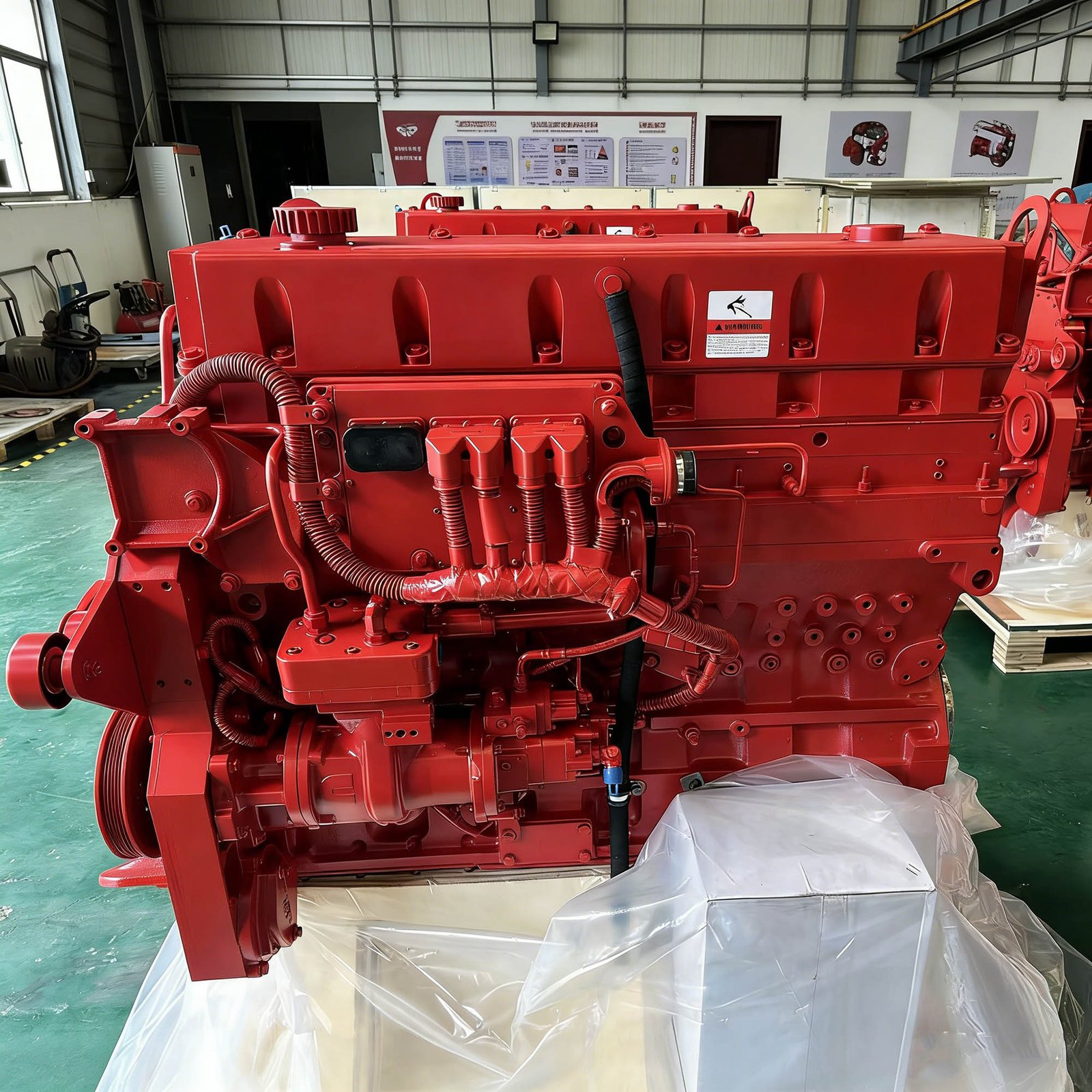
Navigating the global market for heavy-duty power units requires more than just a price-per-unit comparison. For procurement managers, OEM project leads, and fleet engineers, Selecting a diesel engine export supplier involves a deep technical audit of emission compliance, logistical protection, and genuine component verification.
Diesel engines are the heart of construction, mining, and agricultural infrastructure. When these units cross international borders, the complexity of technical specifications and regulatory frameworks increases exponentially. This guide breaks down the essential criteria for a successful international engine procurement strategy.
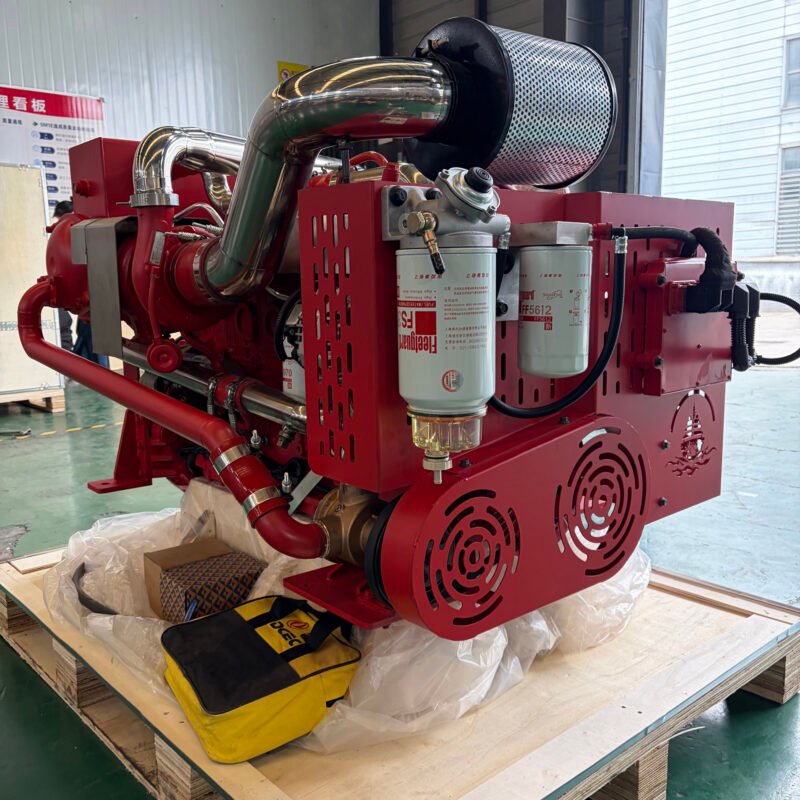
Navigating Global Emission Standards (EPA, EU, and Beyond)
The single most common “point of failure” in diesel engine exports is a mismatch between the engine’s emission technology and the destination country’s regulations.
- Tier 4 Final / Stage V: Required for North American and European markets. These engines utilize advanced Aftertreatment Systems (ATS), including Selective Catalytic Reduction (SCR) and Diesel Particulate Filters (DPF).
- Tier 3 / Stage IIIA: Common in many developing regions. These are often preferred for their “fuel sulfur tolerance,” as they can handle higher sulfur content in diesel which would instantly clog a Tier 4 DPF system.
- Tier 2 / Non-Regulated: Generally used in stationary applications or specific non-regulated regions where low-quality fuel is the only option.
A professional diesel engine export supplier must provide the technical data sheets (TDS) and emission certificates necessary to clear customs in your specific jurisdiction. Importing a Tier 2 engine into a Stage V region will result in immediate seizure and heavy fines.
Technical Evaluation: Genuine vs. OEM vs. Remanufactured
Buyers must decide where they sit on the cost-to-reliability spectrum.
| Engine Category | Origin & Warranty | Commercial Suitability |
| Genuine (Original) | Factory-direct (e.g., Cummins, Perkins, Weichai). | Critical mission-critical hardware where downtime costs exceed $5k/day. |
| OEM (Original Equipment Manufacturer) | Manufactured to original specifications, often without brand premium markup. | High-performance construction machinery where cost-efficiency is vital. |
| Remanufactured (REMAN) | Rebuilt to factory specs using core exchanges. | Older fleet maintenance where a new engine exceeds the machine’s residual value. |
When sourcing engines for construction equipment—such as the specialized units found in Kangjin Power’s construction machinery engine inventory—it is essential to verify that the cooling system and mounting points are configured for the specific machinery (excavators, loaders, or dozers).
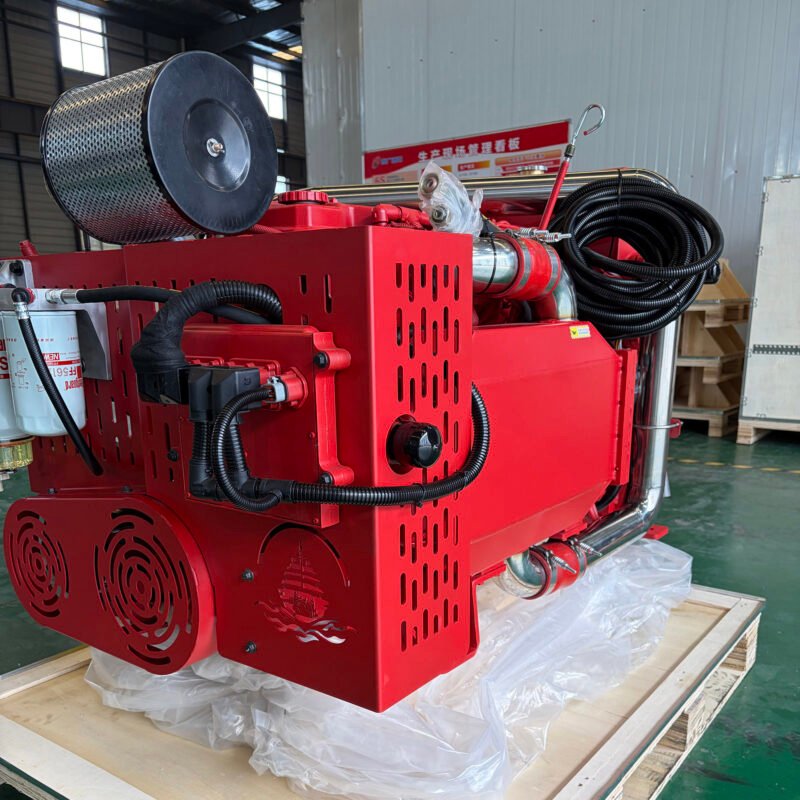
Verification of Engine Core Integrity and Preservation
In the export business, “preservation” is a technical term that defines how an engine is treated before it enters a shipping container. Diesel engines are susceptible to internal oxidation and cylinder rust during the 30–45 day ocean shipping transit.
A reliable diesel engine export supplier will implement the following preservation protocols:
- VCI (Volatile Corrosion Inhibitor) Packaging: Prevents moisture from condensing on internal metal surfaces.
- Inhibitor Oil Flushing: Running the engine briefly with specialized anti-corrosion oil before sealing.
- Desiccant Sealing: Using industrial-grade moisture absorbers within the shrink-wrap.
If an engine arrives with “frozen” rings or surface rust on the flywheel, the supplier likely failed in the preservation stage—a cost that often falls on the buyer if not specified in the purchase agreement.
Evaluating the Supplier’s Technical Support Depth
An engine is not a commodity; it is a long-term asset. You are not just buying a block of iron; you are buying a support window. Before finalizing a contract with an export supplier, ask:
Do they provide ECU (Engine Control Unit) remapping and calibration services? Many export engines require software configuration to match the machinery’s hydraulic system.
Is there a digital parts catalog support? Ensure your supplier can provide the specific part numbers for filters, gaskets, and injectors for that exact serial number.
What is the “First-Fill” policy? Verify if the engine ships dry (standard) or with break-in fluids, as this affects initial startup procedures.
Professional suppliers, like Kangjin Power, emphasize their role in the technical verification of the supply chain, ensuring that engines from brands like Weichai, Cummins, or Deutz are matched precisely to the torque and power curves required by construction machinery.
Logistics, Incoterms, and Documentation
The final hurdle is the “paperwork trail.” For a diesel engine, the documentation must be flawless to satisfy both maritime safety and environmental protection agencies.
- Bill of Lading (B/L): Must clearly state the engine serial number.
- SDS (Safety Data Sheet): Required even for “dry” engines to declare any residual fuel or battery hazards.
- Certificate of Origin (CO): Vital for preferential tariff rates under trade agreements (e.g., ASEAN-China, RCEP).
- Incoterms: Most engine exports are handled under FOB (Free on Board) or CIF (Cost, Insurance, and Freight). For first-time buyers, CIF is recommended as the supplier handles the maritime insurance—crucial if the container is lost at sea.
FAQ
Can a diesel engine export supplier convert a Tier 3 engine to Tier 2?
Technically, “de-tiering” is possible through ECU modification and removing ATS components, but it is illegal in many jurisdictions and voids the manufacturer’s warranty. It is always better to source the correct tier initially.
What is the typical lead time for a bulk engine order?
For stock items, lead times are usually 7-14 days for preservation and crating. For custom-configured OEM engines, lead times can range from 30 to 90 days depending on the factory’s production queue.
How do I verify if an engine is “Genuine”?
Every major engine manufacturer has a verification app or portal. You should require the supplier to provide photos of the engine nameplate and the QR code. Scanning this should link directly to the manufacturer’s database showing the production date and specification.
Why is “Sea-worthy Packaging” so expensive for engines?
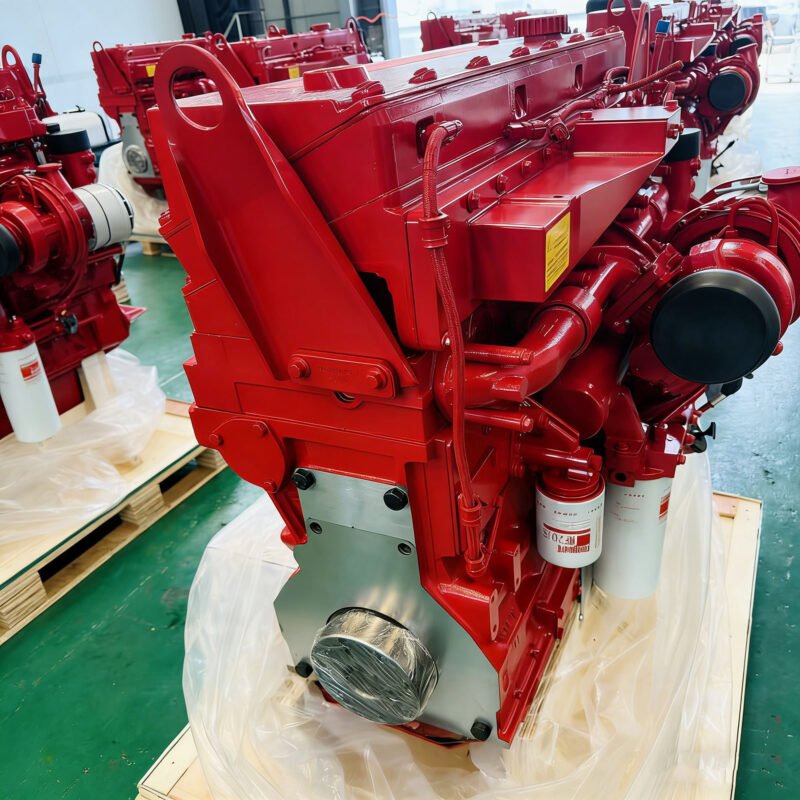
Heavy-duty engines require ISPM-15 compliant heat-treated wooden crates and reinforced steel bracing to prevent the engine (which can weigh 500kg to 2000kg+) from shifting and damaging the container or other cargo.
Reference Sources
- ISO 8178: International Standard for Reciprocating Internal Combustion Engines – Exhaust Emission Measurement
- EPA (Environmental Protection Agency): Diesel Engine Emission Standards Overview
- ASTM D975: Standard Specification for Diesel Fuel Oils .
- SGS Global: Machinery and Equipment Inspection and Testing Services

