
Cummins Engine Models List: Technical Guide to 4BT, 6BT, QSB, & ISF

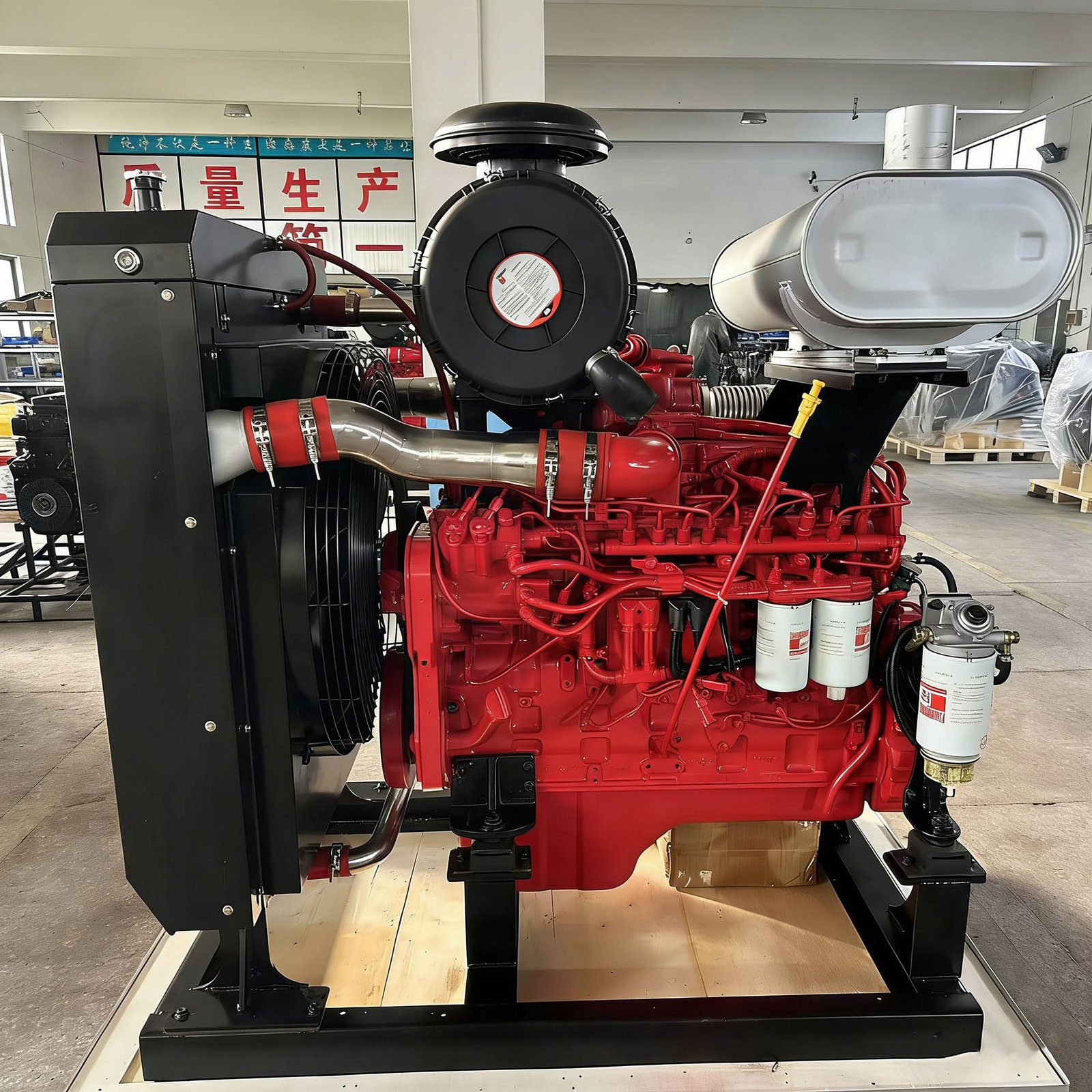
The landscape of industrial power is dominated by a few names, but none carry the weight of Cummins. For fleet managers, mechanical engineers, and OEM project leads, understanding the specific architecture of the Cummins lineup is essential for maintaining operational uptime.
Whether you are repowering a legacy excavator or specifying a power unit for a new compressor, the distinction between a mechanical B-series engine and a modern electronic QSB-series engine determines your maintenance protocol, fuel efficiency, and regulatory compliance.
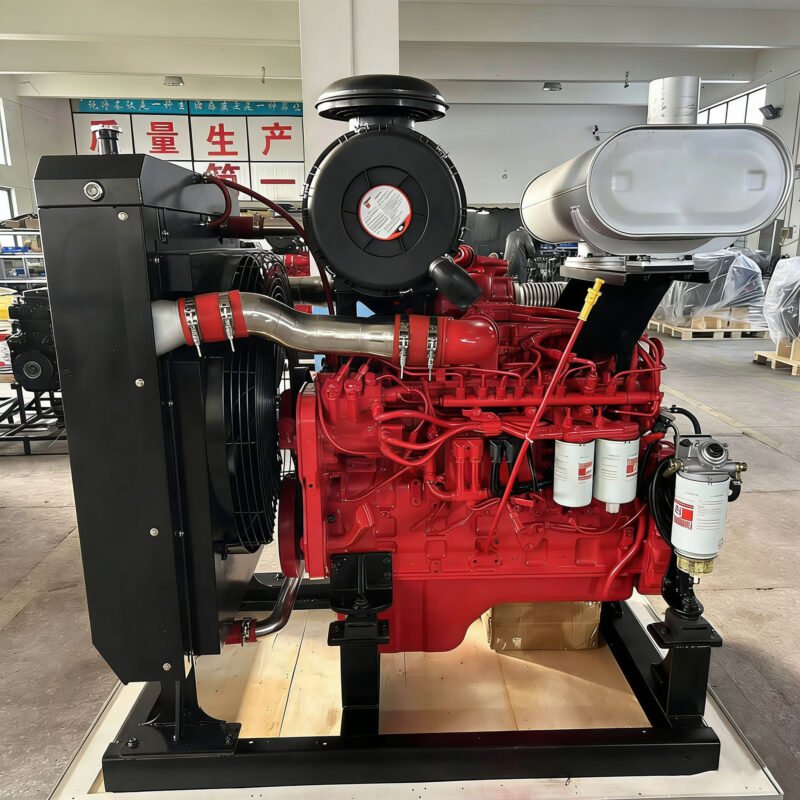
The Evolution of the B-Series: 4BT and 6BT Mechanics
The B-Series remains the most recognized family in the Cummins engine models list. Originally designed in the 1980s through a joint venture with Case, these engines redefined “heavy-duty” for mid-range applications.
4BT (3.9L) – The Compact Workhorse
The 4BT (4-cylinder, B-series, Turbocharged) is a 3.9-liter inline-four engine. Its reputation is built on simplicity. Unlike modern powerplants, the 4BT is primarily mechanical, meaning it requires very little electrical input to operate—typically just a single wire to the fuel shut-off solenoid.
Design Architecture: 8-valve head, gear-driven timing, and a cast-iron block and head.
Performance Profile: Known for producing high torque at low RPMs, making it ideal for skid steers, small wood chippers, and step vans.
Key Advantage: The absence of complex electronics makes it exceptionally resilient in remote environments where diagnostic tools are unavailable.
6BT (5.9L) – The Industrial Legend
The 6BT is the 5.9-liter, 6-cylinder sibling to the 4BT. Often referred to as the “12-valve,” this engine powered everything from RAM trucks to heavy-duty industrial rollers.
Fuel Injection: Most industrial variants utilize the Bosch P7100 inline pump, legendary for its durability and ease of adjustment.
Durability: It features a “B10” life (the point at which 10% of engines are expected to need a major overhaul) that often exceeds 350,000 miles in automotive applications and equivalent thousands of hours in construction settings.
Modern Context: While phased out in highly regulated markets due to Tier emission standards, the 6BT remains a global standard for reliability in non-regulated regions.
Transitioning to Electronics: The QSB Series
As global emission standards (EPA Tier 3 and Tier 4) became more stringent, the mechanical B-series evolved into the QSB (Quantum System B-Series). This represented a shift from mechanical fuel delivery to High-Pressure Common Rail (HPCR) technology.
The QSB series, particularly the 4.5L and 6.7L variants, integrates a “Full Authority” electronic control module (ECM). This allows the engine to communicate with the machine’s hydraulic systems, optimizing fuel consumption based on real-time load demands.
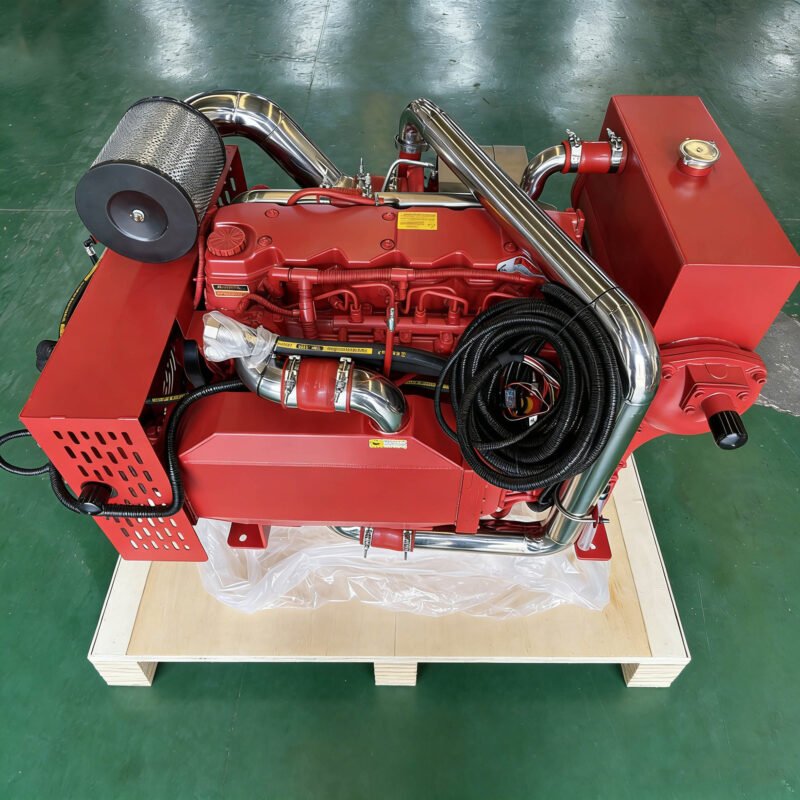
Technical Specifications Comparison:
| Feature | 4BT 3.9 | 6BT 5.9 | QSB 4.5 | QSB 6.7 |
| Cylinders | 4 | 6 | 4 | 6 |
| Displacement | 3.9 Liters | 5.9 Liters | 4.5 Liters | 6.7 Liters |
| Fuel System | Mechanical | Mechanical | HPCR (Electronic) | HPCR (Electronic) |
| Aspiration | Turbocharged | Turbocharged | Turbo / Intercooled | VGT or Wastegate |
| Emissions | Pre-Tier | Pre-Tier | Tier 3 / Tier 4f | Tier 3 / Tier 4f |
The QSB 6.7 is currently a dominant force in modern construction machinery. It utilizes a Variable Geometry Turbocharger (VGT) to reduce lag and improve throttle response, a critical factor for excavators and wheel loaders that experience rapid load fluctuations.
The ISF Series: High Power Density for Modern Fleets
The ISF (Interact System F-Series) represents the newer generation of Cummins light-duty engines, typically found in 2.8L and 3.8L configurations. These engines are designed for applications where weight and space are at a premium but high torque is non-negotiable.
Modular Design: The ISF series uses a modular architecture with fewer parts than traditional engines. This reduces the weight of the unit and simplifies the supply chain for replacement components.
Thermal Management: Advanced cooling circuits allow these engines to operate at higher power densities without the risk of thermal fatigue in the cylinder head.
Application Scope: Beyond light trucks, the ISF series is frequently found in small-scale construction equipment, such as compactors and light towers, where the power-to-weight ratio is a primary engineering constraint.
Identifying Engine Applications in Construction
In the heavy equipment sector, the choice of engine is rarely arbitrary. It is driven by the duty cycle of the machine.
Earthmoving Equipment: High-displacement QSB 6.7 engines are standard for 20-ton excavators because they can provide the sustained hydraulic pressure needed for deep digging.
Compaction & Paving: The 4BT and QSB 4.5 are preferred for road rollers. Their steady torque output ensures a consistent vibration frequency for asphalt compaction.
Power Generation: Many industrial generators utilize the 6BT or 6CT platforms because of their ability to maintain a steady 1500/1800 RPM frequency under varying electrical loads.
For organizations managing diverse fleets, sourcing reliable replacements or components for these engines is a logistical challenge. Specialists in construction machinery engines often emphasize the importance of matching the CPL (Control Parts List) number. Two 6BT engines may look identical, but different turbocharger orientations or oil pan depths can make them incompatible with specific chassis.
The Shift Toward Tier 4 Final and Stage V
Modern Cummins models in the QSB and ISF families now incorporate complex after-treatment systems, including:
DOC (Diesel Oxidation Catalyst): Reduces carbon monoxide and hydrocarbons.
DPF (Diesel Particulate Filter): Captures soot and particulate matter.
SCR (Selective Catalytic Reduction): Uses Diesel Exhaust Fluid (DEF) to break down NOx into harmless nitrogen and water vapor.
Understanding these systems is vital for modern operators. While the core “iron” (the block and pistons) remains as robust as the original 6BT, the peripheral sensors and after-treatment modules require precise maintenance to prevent “limp mode” or derating of the engine’s power.
FAQ
Q1: Can I replace a QSB engine with an older 6BT in a modern machine?
Technically, it may physically fit, but it is rarely advisable or legal. Modern machines rely on CAN-bus communication between the engine ECM and the hydraulic controller. Removing an electronic QSB for a mechanical 6BT will lead to a loss of machine functionality and violate environmental regulations in most jurisdictions.
Q2: What does the “B” stand for in Cummins 4BT or 6BT?
The “B” refers to the engine series or family. Cummins organizes its engines into families (B, C, L, M, N, K) based on displacement and cylinder block architecture.
Q3: How do I identify my specific Cummins engine model?
Every Cummins engine has an ESN (Engine Serial Number) located on the data plate, usually found on the gear housing or the oil cooler. This 8-digit number is the only way to accurately identify the specific build and parts list for your engine.
Q4: Is the ISF series suitable for heavy-duty construction?
The ISF is optimized for “light-to-medium” duty. For heavy-duty earthmoving, the QSB or the larger QSL (9.0L) series is preferred due to their higher thermal capacity and more robust internal components designed for 100% duty cycles.
Q5: What is the most common cause of failure in QSB and ISF engines?
Fuel contamination is the leading cause of failure in modern electronic engines. High-pressure common rail systems have extremely tight tolerances; even microscopic particles or water in the diesel can cause injector failure or fuel pump damage.
Reference Sources:
Cummins Inc. Official Documentation – B-Series Engine Specifications.
Diesel Progress Magazine – The Transition from Mechanical to Electronic Powerplants.
EPA Clean Air Act Standards for Nonroad Diesel Engines (Tier 3 and Tier 4).
Society of Automotive Engineers (SAE) Technical Paper 2004-01-0023: Development of the QSB Series.

