
Top Diesel Engine Manufacturers in China: Technical & Procurement Guide

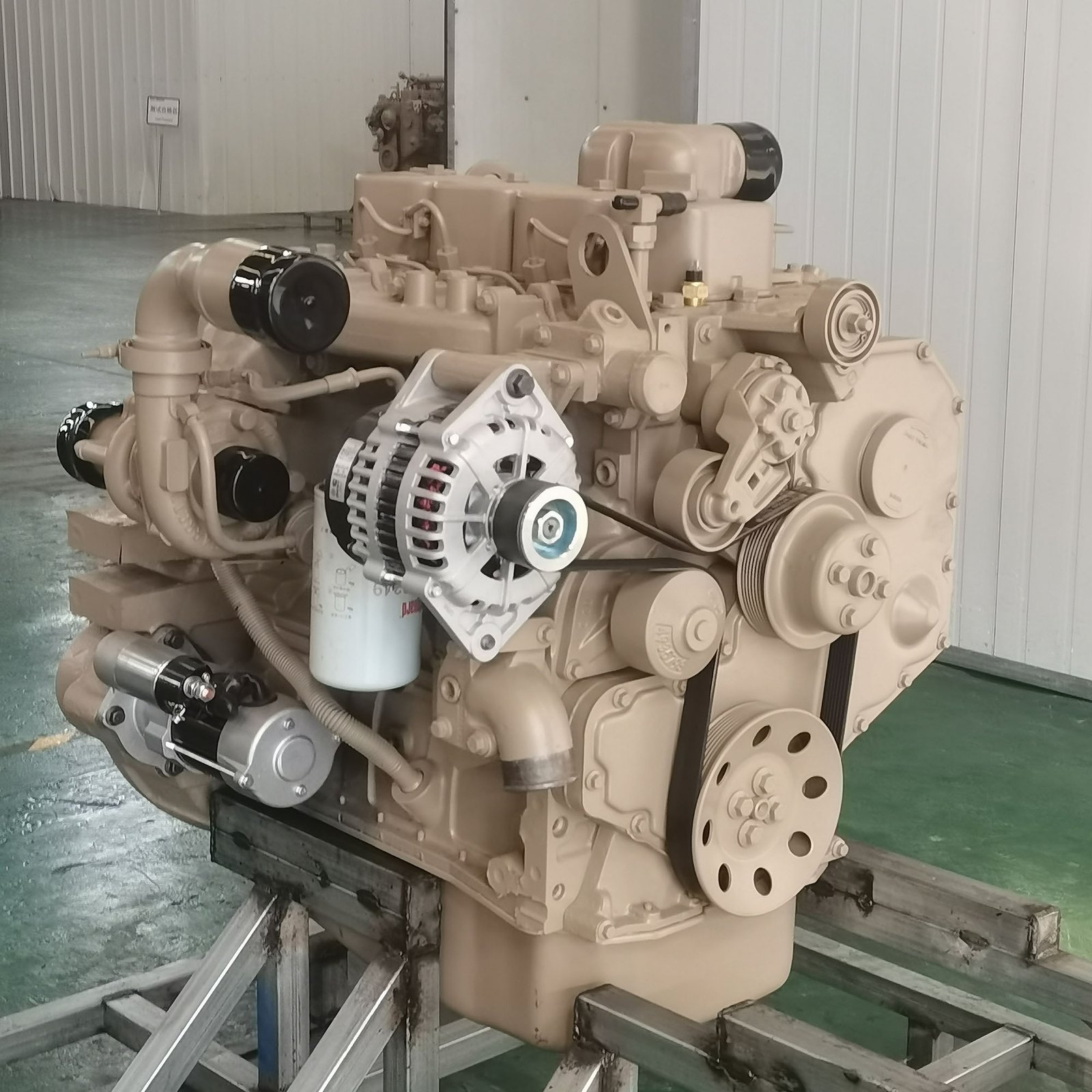
Selecting the right power unit in the heavy machinery sector is a high-stakes decision where technical compatibility, emission compliance, and long-term maintenance costs converge. China has evolved from a low-cost manufacturing hub into a global epicenter for diesel engine innovation, hosting both domestic giants and sophisticated joint ventures.
For procurement managers and OEM engineers, the challenge is no longer just finding a “cheap” engine, but identifying which manufacturer provides the specific torque-to-weight ratio and parts availability required for modern construction environments.
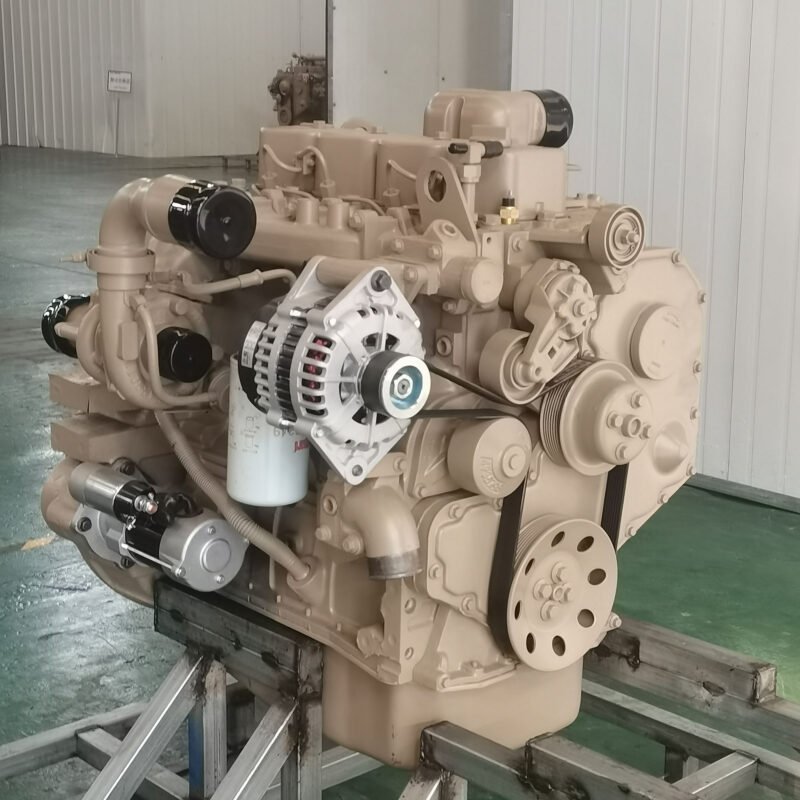
The Landscape of Diesel Engine Manufacturing in China
The Chinese market is bifurcated into two primary categories: massive domestic state-owned or private enterprises (SOEs/POEs) and high-level Joint Ventures (JVs) with international brands.
Domestic manufacturers like Weichai and Yuchai have dominated the heavy-duty truck and marine sectors for decades. Conversely, Joint Ventures such as Dongfeng Cummins (DCEC) or Chongqing Cummins (CCEC) bridge the gap between Western design standards and Chinese manufacturing efficiency. These JVs are particularly critical for machinery destined for export markets, where EPA Tier 4 or EU Stage V compliance is non-negotiable.
Technical Evaluation of Market Leaders
When evaluating top diesel engine manufacturers in China, the distinction lies in their R&D focus and application specializations.
1. Weichai Power (Domestic Leader)
Weichai is arguably the most dominant force in China’s heavy-duty diesel market. Their focus is on high-displacement engines (10L to 15L) with a heavy emphasis on thermal efficiency. Recently, Weichai announced a commercial diesel engine with a thermal efficiency surpassing 52%, a benchmark that challenges global competitors. For heavy-duty excavators and large-scale power generation, Weichai offers a robust, high-torque solution with a massive domestic service network.
2. Cummins (Joint Venture Excellence)
Cummins operates via several major JVs in China, including DCEC and CCEC. These facilities produce engines ranging from the 2.8L F-Series to the massive K-Series for mining. The primary advantage here is global standardization. A Cummins engine manufactured in China follows the same Global Quality System (GQS) as those in the US or UK, making them the preferred choice for international construction machinery brands like LiuGong or Sany.
3. Isuzu and Yanmar (Precision for Compact Machinery)
For the compact and medium excavator market, Japanese-Chinese partnerships remain the gold standard. Manufacturers like Qingling Isuzu provide the 4HK1 and 6HK1 series, renowned for fuel economy and high-speed stability. Similarly, Yanmar’s presence in China caters to the “mini” excavator trend, focusing on low vibration and noise levels, which are critical for urban construction projects.
4. Yuchai Group
Yuchai excels in the medium-duty sector and has been a pioneer in alternative fuels and hybrid diesel systems in China. Their engines are frequently found in agricultural machinery and medium-duty transport, offering a competitive balance between initial purchase price and fuel consumption.
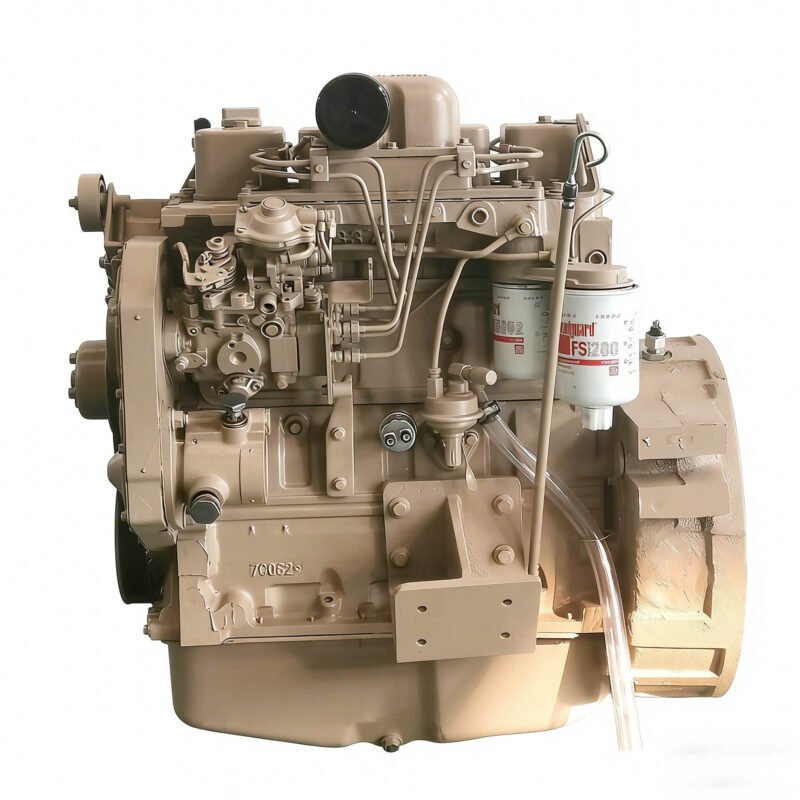
Comparison of Key Performance Indicators (KPIs)
| Manufacturer | Core Strength | Common Applications | Global Parts Support |
| Cummins (JVs) | Global Standard Compliance | Heavy Construction, Mining | Excellent (Global) |
| Weichai | Thermal Efficiency/Torque | Large Excavators, Marine | Good (Asia/Africa/CIS) |
| Isuzu | Reliability/Fuel Economy | Medium Excavators, Trucks | Very Good (Global) |
| Deutz (JVs) | Compact Design/Power Density | Pavers, Rollers, Air-cooled | Good (Europe/Asia) |
| Yanmar | Low Noise/Vibration | Mini Excavators, Generators | Excellent (Global) |
Technical Constraints in Construction Machinery Engines
In the construction sector, the engine’s integration into the hydraulic system is as vital as the engine itself. A mismatch between the engine’s torque curve and the hydraulic pump’s demand leads to “engine lugging” and excessive fuel consumption.
Leading suppliers often focus on “Total Integration” solutions. For instance, construction machinery engines such as the Cummins QSB series or the Isuzu 6BG1 are engineered specifically to handle the “shock loads” typical of hydraulic excavation.
Key Technical Considerations:
- Aspiration: Turbocharged and Charge Air Cooled (CAC) systems are now standard to maintain power at high altitudes.
- Fuel Systems: High-Pressure Common Rail (HPCR) is essential for meeting Stage III and Stage IV emission standards in China, though it requires high-quality fuel filtration.
- Electronic Control Units (ECU): Advanced ECUs allow for “Eco” and “Power” modes, optimizing the engine speed based on the load detected by the hydraulic sensors.
The Role of Specialized Suppliers in the Supply Chain
For international buyers, sourcing directly from a massive factory often presents hurdles regarding MOQ (Minimum Order Quantity) and technical support for single-unit or small-batch replacements. This is where specialized distributors and technical consultants play a vital role.
Companies like Kangjin Power provide a critical link by offering original, new diesel engines from brands like Cummins, Isuzu, Yanmar, and Deutz. Their expertise lies in matching the specific engine serial number (ESN) or “Arrangement Number” to the existing machinery, ensuring that the replacement engine is a “drop-in” fit without requiring expensive modifications to the chassis or cooling package.
This service is particularly valuable for fleet owners operating mixed brands who require a single point of contact for technical documentation and genuine parts sourcing for diverse engine types—from the 4BT Cummins to the 3TNV Yanmar.
Procurement Strategy: How to Evaluate a Chinese Manufacturer
When vetting a manufacturer or supplier, look beyond the glossy brochure and focus on these three pillars of EEAT (Experience, Expertise, Authoritativeness, and Trustworthiness):
Certification Veracity: Ensure the manufacturer holds ISO 9001 for quality management and IATF 16949 if they serve the automotive/trucking sector. For export to the EU or US, verify CE and EPA certifications for the specific engine model.
After-Sales Infrastructure: A high-performance engine is a liability if parts take six weeks to arrive. Evaluate the supplier’s ability to provide digital parts catalogs and their proximity to major shipping hubs (like Shanghai or Guangzhou).
Tier 4/Stage V Readiness: As global emissions tighten, ensure the manufacturer has a proven After-treatment System (ATS), including Diesel Particulate Filters (DPF) and Selective Catalytic Reduction (SCR) modules that are integrated into the engine’s CAN-bus communication.
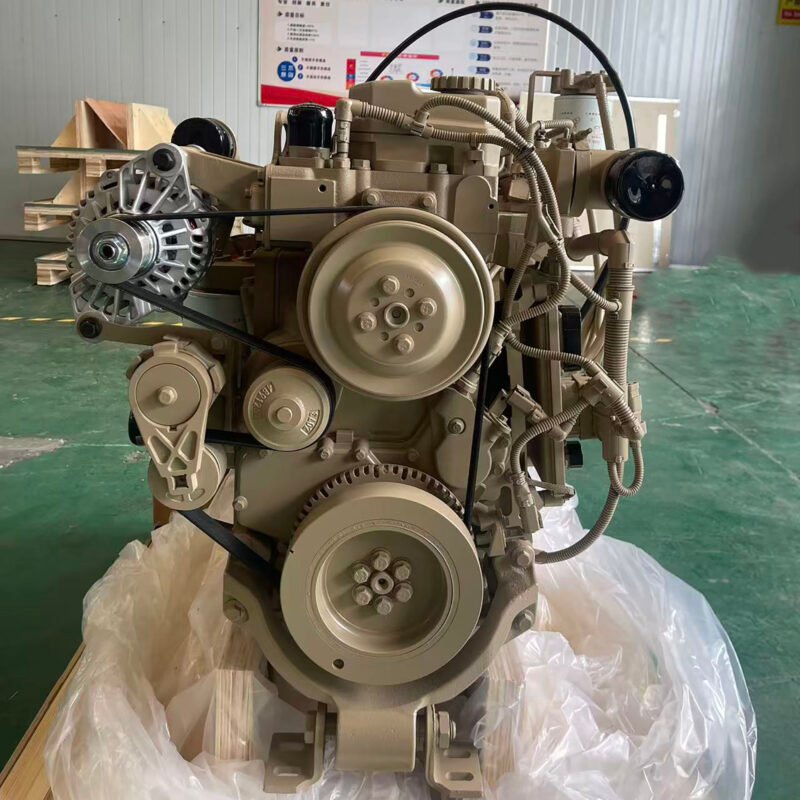
Summary
The “best” diesel engine manufacturer in China depends entirely on your application’s duty cycle. For heavy-duty mining and global standardization, Cummins JVs are difficult to beat. For cost-effective, high-torque industrial applications, Weichai offers world-class thermal efficiency. For precision and compact reliability, Isuzu and Yanmar remain the preferred choices for hydraulic machinery.
By partnering with a technical supplier who understands the nuances of construction machinery engines, procurement teams can mitigate the risks of downtime and ensure their equipment remains operational in the most demanding environments.
FAQ
Q: Can Chinese diesel engines meet US EPA Tier 4 or EU Stage V emissions?
A: Yes. Joint ventures like Dongfeng Cummins and major domestic brands like Weichai produce specific engine models equipped with SCR, DPF, and EGR technologies designed specifically for export to highly regulated markets.
Q: What is the typical MOQ for sourcing engines from China?
A: Large manufacturers often require high MOQs for OEM contracts. However, specialized technical suppliers like Kangjin Power can provide single-unit original engines for replacement or small-batch builds.
Q: How do I verify if an engine is a genuine “Original New” unit?
A: Check the engine nameplate for the Serial Number (ESN). This number can be verified through the manufacturer’s official service portal (e.g., Cummins QuickServe). Genuine engines will also have specific casting marks and holographic security labels on the ECU and fuel system components.
Q: Are parts for Chinese-made Cummins or Isuzu engines interchangeable with Western versions?
A: In most cases, yes. Engines produced under Joint Ventures use the same global part numbering system. However, always verify the specific “Parts List” or “Build Sheet” as some regional variations in cooling or filtration may exist.
Reference Sources
- ISO 9001:2015 – Quality management systems in engine manufacturing.
- China Association of Automobile Manufacturers (CAAM) – Annual reports on diesel engine market share and production data.
- Internal Technical Data: Kangjin Power Construction Machinery Engine Specifications.
- DieselNet – Technical standards for global engine emission regulations (Tier 1-4, Stage V).


Hello Supplier
We are interested in these product.
Can you please send me pictures of the Catalogue,
We need them to confirm validity
Kindly give us quote as required with freight.
Regards,
Ms. Maureen Brain
(Purchasing & Sales Administrator)
***************************************************
Damas Ponce Industrias Trading Ltd.
Carretera 517 Km 1.2 , Coto Laurel Ponce, PR 00760
Teléfono: +1-787-695-2340
E-mail: maureenbrain74@gmail.com
Hello Maureen,
Good day. Glad to know you are interested in our diesel engine products.
We supply Cummins series diesel engines and related spare parts, suitable for generator, marine, fire pump, construction machinery and vehicle modification.
Could you let me know which type of engines and application you need? I will prepare targeted offer for you.
One more question: do you have your own freight forwarder? We usually offer FOB Shanghai price. If needed, we can calculate ocean freight for your destination port.
I will send our cata. for you by mail, please check it
Waiting for your reply.
Best regards,
Winnie Wang