
New vs Used Diesel Engines: Pros, Cons & ROI Guide

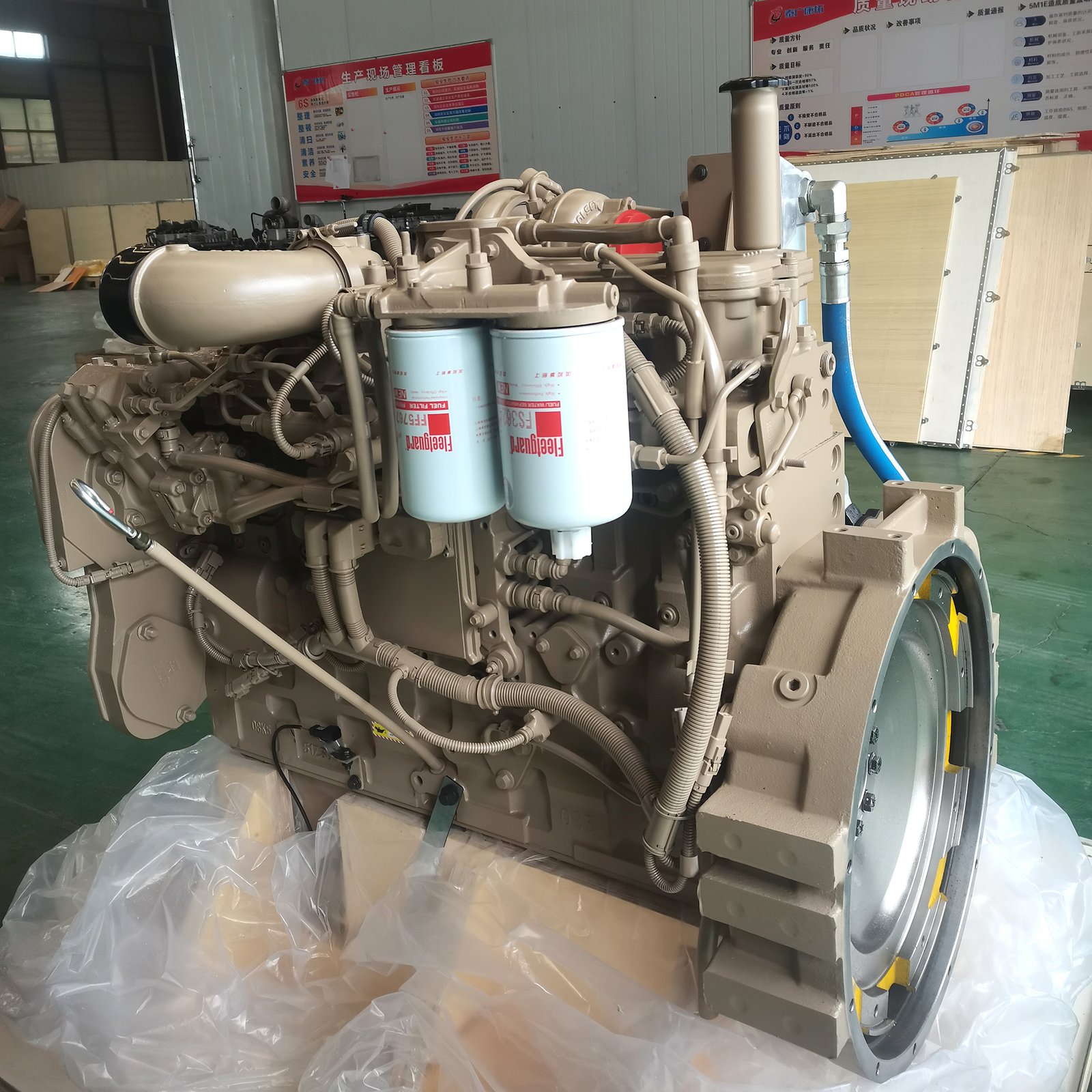
Selecting the right powerplant for heavy machinery is a high-stakes decision that dictates a project’s operational continuity and long-term profitability. Whether you are repowering an excavator, a wheel loader, or a stationary generator, the choice between a new vs used diesel engine involves more than just comparing price tags. It requires a nuanced understanding of metallurgical fatigue, emission compliance, and Tier-specific maintenance requirements.
In the industrial sector, an engine is not just a component; it is the primary driver of ROI. A wrong choice can lead to catastrophic downtime, while a strategic selection can extend the service life of a machine by another 10,000 hours.
Technical Performance and Metallurgy: The New Engine Advantage
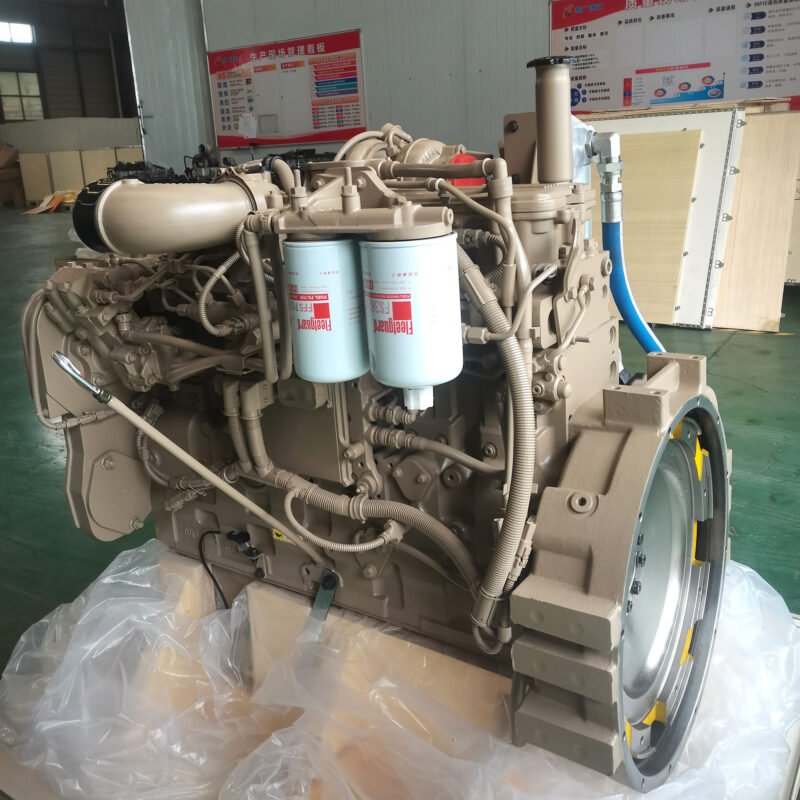
A new diesel engine represents the peak of contemporary engineering. When you opt for a factory-new unit, you are essentially purchasing “zero-hour” reliability. From a technical standpoint, this means all internal components—crankshafts, camshafts, and cylinder liners—possess their full fatigue life.
New engines are typically manufactured to the latest emission standards, such as EPA Tier 4 Final or EU Stage V. These units utilize advanced High-Pressure Common Rail (HPCR) fuel systems and sophisticated Electronic Control Modules (ECM) that optimize combustion cycles. For project managers, this translates to superior fuel efficiency and lower particulate emissions. Furthermore, new engines come with comprehensive manufacturer warranties that mitigate the financial risk of infant mortality failures in the first 2,000 to 3,000 hours of operation.
The Economic Logic of Used Diesel Engines
Conversely, the market for used diesel engines is driven by immediate availability and significant capital expenditure (CAPEX) savings. A used engine typically costs 40% to 60% less than its new counterpart. In the construction machinery industry, where machines often face harsh environments, a used engine can be a pragmatically sound choice for older fleets.
One technical advantage of used engines, particularly those from the “pre-DPF” (Diesel Particulate Filter) era, is their mechanical simplicity. Older engines are often easier to maintain in remote field locations where specialized diagnostic tools for modern ECMs are unavailable. However, the buyer must account for “hidden” wear. Issues such as liner pitting, valve recession, or bearing journal wear are not always visible during a standard external inspection.
New vs Used Diesel Engine: Comparison Matrix
| Feature | New Diesel Engine | Used Diesel Engine |
| Initial Cost | High (Premium Pricing) | Low (30%–60% Savings) |
| Service Life | Maximum (Full Fatigue Life) | Variable (Depends on prior hours) |
| Technology | Latest (Tier 4F / Stage V) | Legacy (Tier 2 / Tier 3 common) |
| Warranty | Comprehensive Factory Coverage | Limited or “As-Is” |
| Downtime Risk | Minimal | Moderate to High |
| Parts Support | Guaranteed 10+ Years | May face obsolescence |
Critical Decision Factors for Construction Machinery
When evaluating your options through the lens of construction machinery, three factors dominate the selection process:
Application Criticality
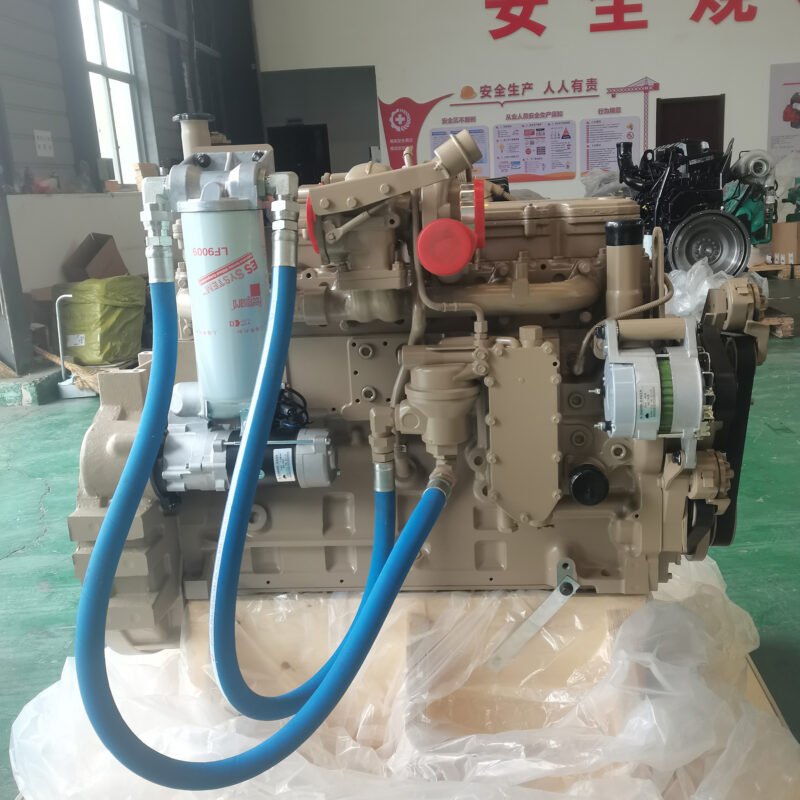
If the engine is destined for a “prime mover” role—such as the main engine of a 50-ton excavator on a high-penalty infrastructure project—the reliability of a new engine is usually worth the premium. If the application is intermittent or secondary (e.g., a backup water pump or a yard-use forklift), a high-quality used engine offers a better return on investment.
Emission Zones and Compliance
Modern urban construction sites often mandate strict emission compliance. If your equipment operates in “Green Zones” or regulated metropolitan areas, a used Tier 2 engine may result in fines or site bans. New engines ensure compliance with the most stringent environmental regulations.
The “Reman” Middle Ground
It is important to distinguish between “used” and “remanufactured.” A used engine is typically pulled from a donor machine and tested. A remanufactured engine is stripped to the bare block and rebuilt to OEM tolerances using new wear parts. For many operators, a remanufactured unit from a specialized supplier offers the balance of a “like-new” performance with a “used” price point.
Professional Inspection Protocols for Used Engines
If the decision leans toward a used diesel engine, a rigorous inspection protocol is mandatory to ensure the unit isn’t a liability.
Blow-by Analysis: Check the crankcase pressure while the engine is at operating temperature. Excessive blow-by indicates worn piston rings or cylinder liners.
Oil Analysis (S.O.S): Request a laboratory oil report. High levels of copper, lead, or chrome indicate bearing and ring wear that precedes catastrophic failure.
ECM Download: For electronically controlled engines, download the ECM history to verify total fuel burn and idle time. This provides a more accurate picture of engine “stress” than the hour meter alone.
Cold Start Performance: Observe the exhaust smoke color during a cold start. Blue smoke indicates oil burning, while white smoke may suggest unburned fuel or coolant leaks.
Strategic Sourcing for Construction Power
Whether you require the cutting-edge efficiency of a new unit or the cost-effective performance of a used one, sourcing from a reputable partner is vital. Specialized suppliers in the construction machinery engine sector, such as Kangjin Power, provide the technical vetting necessary to bridge the gap between cost and reliability. By offering a range of engines for major brands like Cummins, Komatsu, and Caterpillar, they ensure that the engine’s specifications—such as torque curves and mounting footprints—align perfectly with your existing machinery’s hydraulic requirements.
Summary
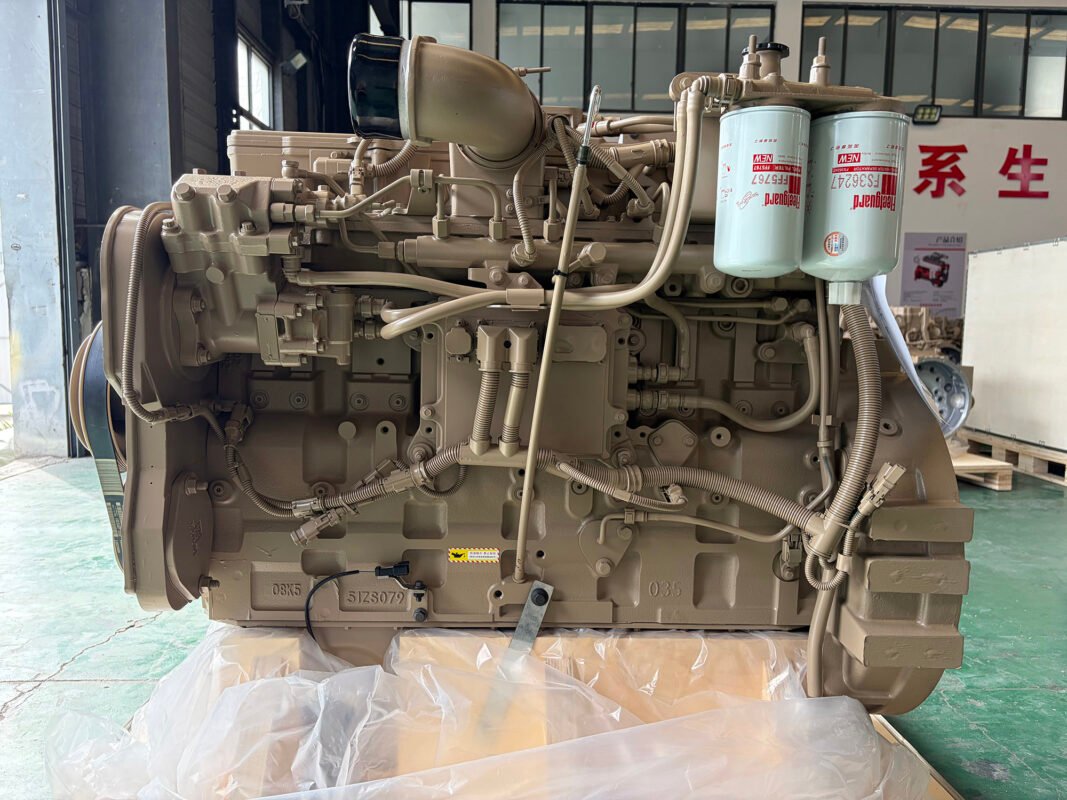
The choice between a new vs used diesel engine hinges on your project’s timeline, budget, and environmental requirements. New engines offer the ultimate security through warranties and the latest tech, while used engines provide a rapid, cost-effective alternative for older fleets. Rigorous inspection and sourcing from expert suppliers remain the best defenses against unexpected downtime.
FAQ
1. How many hours is “too many” for a used diesel engine?
This depends on the engine displacement and application. For high-speed diesel engines (like those in loaders), anything over 8,000 to 10,000 hours often requires a major overhaul. For medium-speed industrial engines, 15,000 hours might still be considered “mid-life.”
2. Can I replace a Tier 4 engine with a used Tier 2 engine?
Mechanically, it may fit, but legally and electronically, it is difficult. In many jurisdictions, “down-tiering” is a violation of environmental laws. Additionally, the machine’s existing wiring harness and sensors may not be compatible with an older mechanical fuel system.
3. What are the main signs of a “lemon” used engine?
Look for heavy carbon buildup in the exhaust manifold, evidence of “Stop-Leak” additives in the coolant, and uneven idling. A fresh coat of paint over oil-caked gaskets is also a common red flag.
4. Is it easier to get parts for new vs used diesel engines?
Generally, parts for new engines are readily available through dealer networks. For used engines, parts availability depends on the model’s popularity. Major brands like Cummins or Cat have excellent legacy support, but obscure or discontinued models may lead to long lead times for specialized components.
Reference Sources
SAE International: Diesel Engine Performance Standards.
EPA Nonroad Diesel Engine Emission Tier Requirements.

