
Diesel Engine Maintenance Schedule: Business Fleet Guide

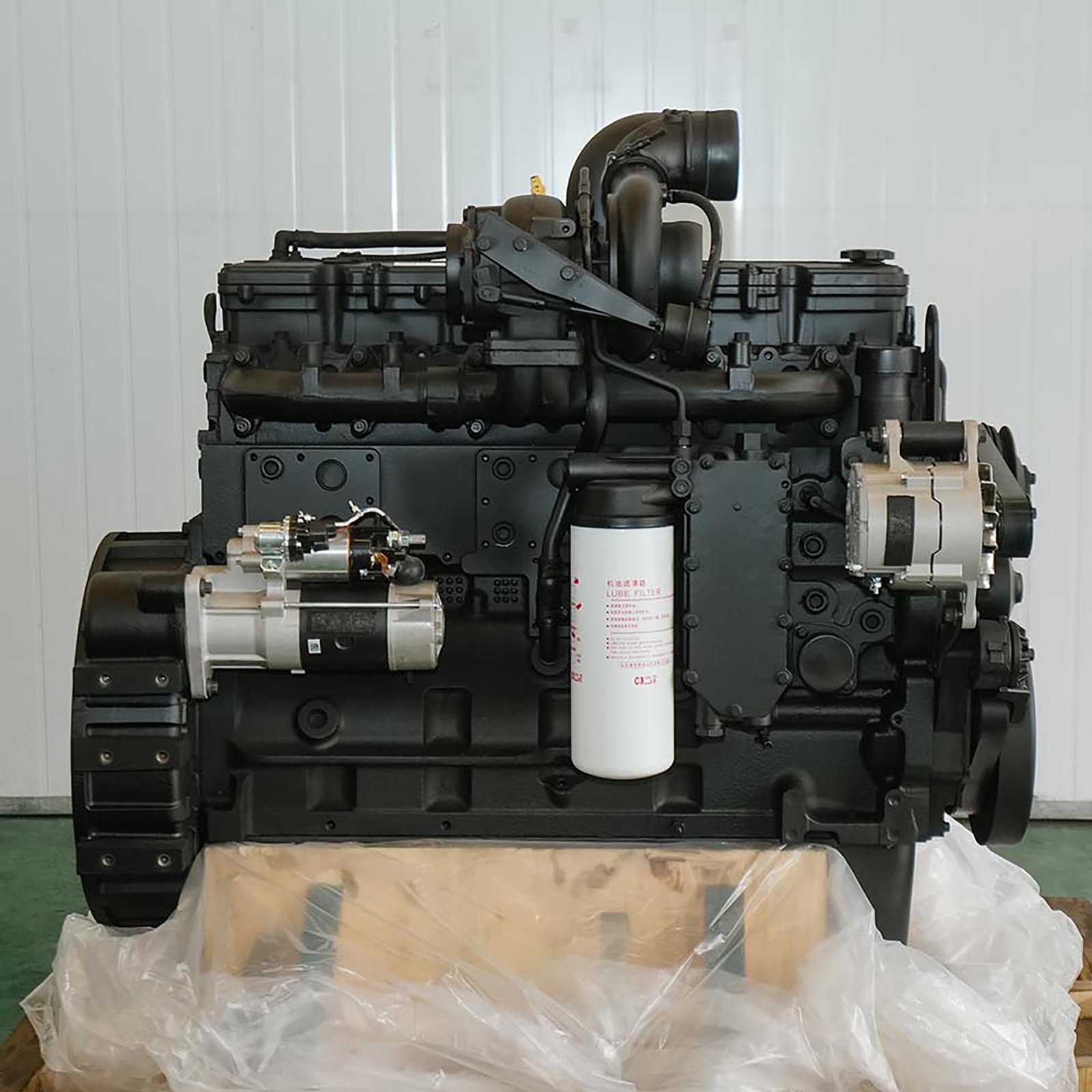
For businesses operating heavy machinery or transport fleets, a diesel engine is a primary asset impacting the bottom line. Neglecting a structured maintenance routine leads to more than just mechanical failure. It results in cascading costs from unplanned downtime and shortened asset lifecycles.
A professional diesel engine maintenance schedule transitions a business from a reactive repair mindset to a proactive reliability strategy. This guide outlines the technical requirements necessary to maintain high-performance industrial engines. These standards apply specifically to the construction and power generation sectors.
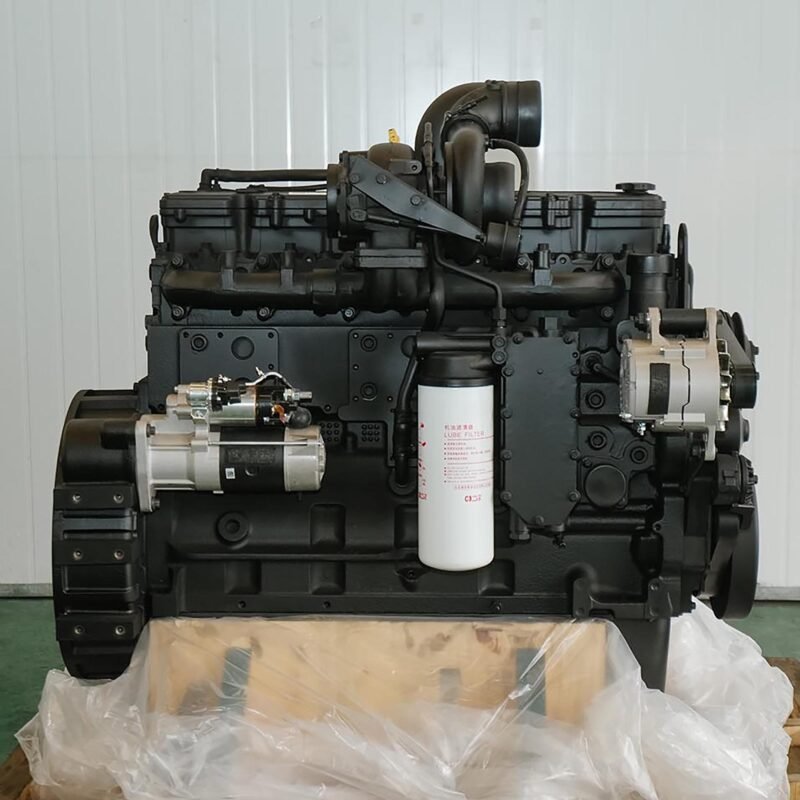
The Engineering Logic Behind Preventive Maintenance (PM)
Preventative maintenance is based on the degradation curves of lubricants and mechanical wear limits. In diesel engines, high compression ratios place extreme thermal stress on oil and cooling systems. This is especially true for engines in high-load construction environments.
A standard maintenance framework is usually divided by operating hours or calendar time. However, for industrial applications, “Duty Cycle” is the most critical variable. An engine idling in a warehouse requires a different approach than an excavator engine operating at full load.
Professional Diesel Engine Maintenance Intervals
To ensure maximum Total Cost of Ownership (TCO) efficiency, businesses should categorize maintenance into specific tiers. Below is a professional-grade schedule designed for industrial-duty diesel engines.
1. Daily / Pre-Shift Inspections (The Operator Level)
Daily checks are the first line of defense against catastrophic failure.
- Fluid Levels: Check engine oil, coolant, and fuel levels.
- Leads & Seals: Visual inspection for “wet” spots indicating oil or coolant leaks.
- Air Intake System: Check the air filter restriction indicator and inspect hoses for cracks or loose clamps.
- Water Separator: Drain accumulated water from the primary fuel filter to prevent injector corrosion.
2. Short-Term Service: 250 to 500 Operating Hours
This is the standard oil service interval for most modern industrial diesel engines.
- Lubrication System: Replace engine oil and oil filters. Use oil that meets OEM specifications (e.g., API CK-4).
- Fuel System: Replace primary and secondary fuel filters.
- Crankcase Ventilation: Inspect the CCV filter and replace if saturated.
- Battery Health: Check electrolyte levels and clean terminal oxidation.
3. Mid-Term Service: 1,000 to 1,500 Operating Hours
At this stage, maintenance shifts toward the external systems that support the engine core.
- Cooling System: Test the Supplemental Coolant Additives (SCA) concentration to prevent liner pitting and cavitation.
- Belt Drive System: Inspect serpentine belts for “chunking” or glazing; check automatic tensioner alignment.
- Induction System: Clean or replace air cleaner elements and inspect the turbocharger for compressor wheel play.
4. Long-Term Technical Service: 3,000+ Operating Hours
These tasks often require specialized tooling and diagnostic equipment.
- Valve Lash Adjustment: Reset valve clearances to OEM specs to maintain fuel efficiency and prevent exhaust valve burning.
- Coolant Flush: Completely drain, flush, and refill the cooling system with Long Life Coolant (LLC).
- Vibration Damper: Inspect for fluid leaks or rubber deformation; a failing damper can lead to a snapped crankshaft.
- Injector Testing: Perform a “cut-out” test to ensure uniform fuel delivery across all cylinders.
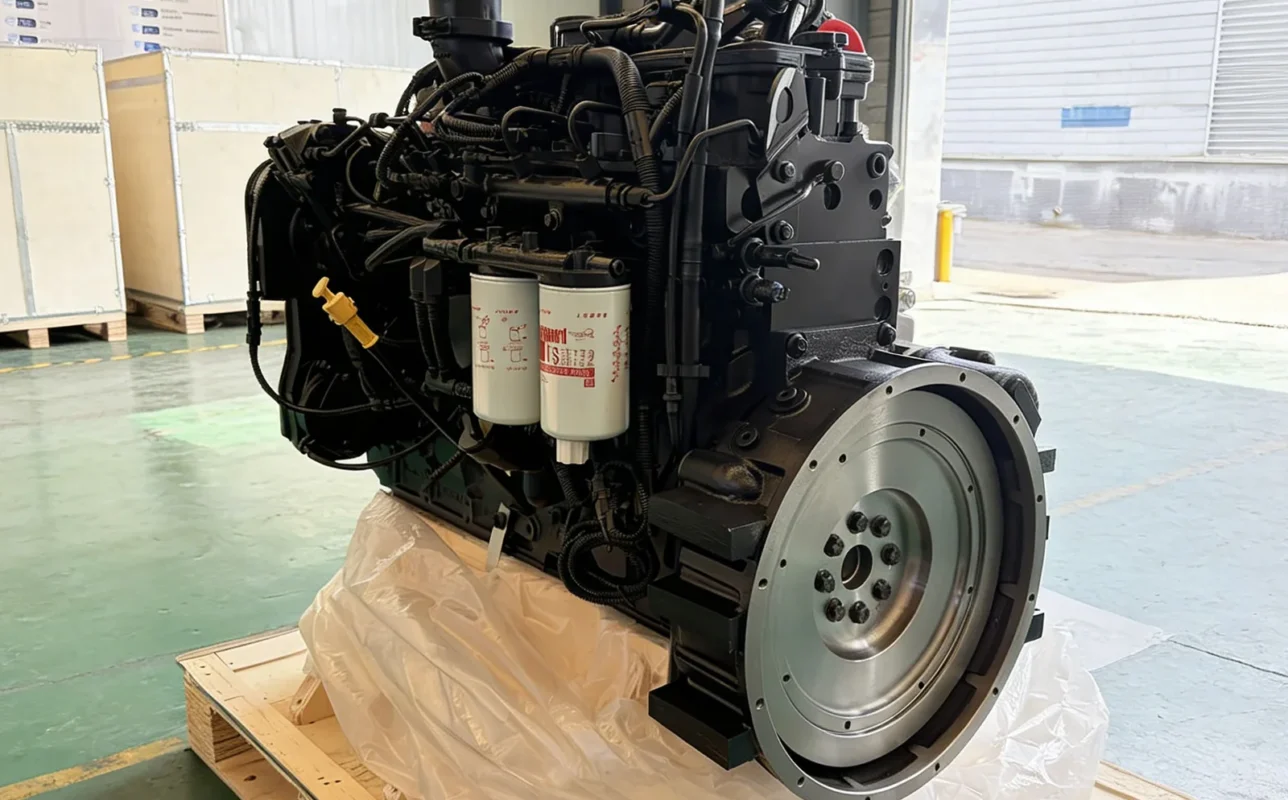
Comparison: Standard vs. Severe Duty Maintenance Needs
| Component | Standard Duty (Light Load/Clean Air) | Severe Duty (High Load/Dusty/Extreme Temp) |
| Engine Oil & Filter | Every 500 Hours | Every 250 Hours |
| Air Filter | Per Indicator (approx. 1000h) | Daily Inspection / Frequent Replacement |
| Fuel Filters | Every 500 Hours | Every 250 Hours or as needed |
| Cooling System | Annual Testing | Bi-Annual Testing |
Technical Deep Dive: Why Fluid Analysis Matters
For businesses managing multiple units, relying solely on hours can be inefficient. Scheduled Oil Sampling (S.O.S.) is a powerful diagnostic tool. By analyzing parts-per-million of metals in the oil, engineers can predict component failure.
High silicon levels in an oil sample indicate a leak in the air intake system. Conversely, high copper levels may point to premature thrust washer wear. Implementing fluid analysis allows for Condition-Based Maintenance, potentially extending oil life.
Integration with High-Performance Hardware
Maintenance requirements vary significantly based on the engine’s engineering pedigree. Professional-grade construction machinery engines, such as Cummins or Isuzu units, require strict adherence to filtration ratings.
Using a 10-micron fuel filter where a 2-micron filter is specified can ruin the injection system. When sourcing replacement components, it is vital to match the maintenance protocol to OEM standards. This ensures the warranty remains valid and performance remains optimal.
Mitigating Environmental Factors
Diesel engines operating in specialized environments require unique maintenance considerations.
- High Altitude: Thinner air increases exhaust gas temperatures (EGTs). Turbocharger inspections must be more frequent.
- Extreme Cold: Requires the use of block heaters and fuel conditioners to prevent paraffin waxing in the lines.
- High Humidity: Leads to accelerated moisture accumulation in fuel tanks, necessitating more frequent draining of water separators.
The ROI of a Structured Schedule
A well-executed maintenance plan is a profit-protection strategy. Proper care ensures the engine operates at peak thermal efficiency.
- Fuel Economy: Carbon buildup on injectors and incorrect valve lash can decrease fuel efficiency by 5-10%.
- Resale Value: A documented service history significantly increases the secondary market value of construction equipment and power units.
- Safety & Compliance: Properly maintained engines ensure that emission control systems (like DPF and SCR) function correctly, avoiding regulatory fines.
Summary
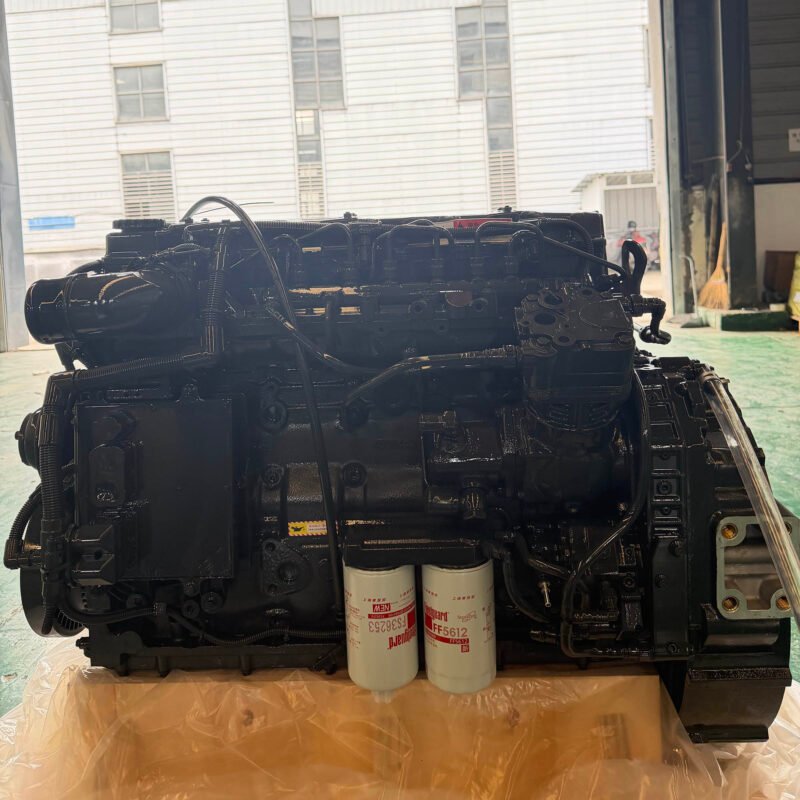
Successful fleet management relies on a rigorous and documented diesel engine maintenance schedule. By categorizing tasks into daily, short-term, and long-term intervals, businesses can prevent catastrophic failures. This proactive approach secures the longevity of industrial assets and maximizes operational profitability.
FAQ
1. Can I extend my oil change interval with synthetic oil?
While synthetic oils offer better thermal stability, the interval is often limited by soot loading. Only extend intervals if supported by a consistent oil analysis program.
2. What is the common cause of premature diesel failure?
Cooling system neglect and fuel contamination are the leading causes. Cavitation and water in the fuel can ruin an engine long before mechanical wear-out occurs.
3. How often should the Particulate Filter (DPF) be cleaned?
This varies by duty cycle, but professional cleaning is required every 2,000 to 4,000 hours. Regeneration cycles cannot clear all unburned ash from the filter.
4. Does idling count toward service hours?
Yes, idling counts. In many cases, excessive idling is harder on an engine than operating under load because it leads to lower combustion temperatures.
Reference Sources
EMA: Guidelines for Internal Combustion Engine Maintenance

