
How to Choose a Marine Diesel Engine for Boats

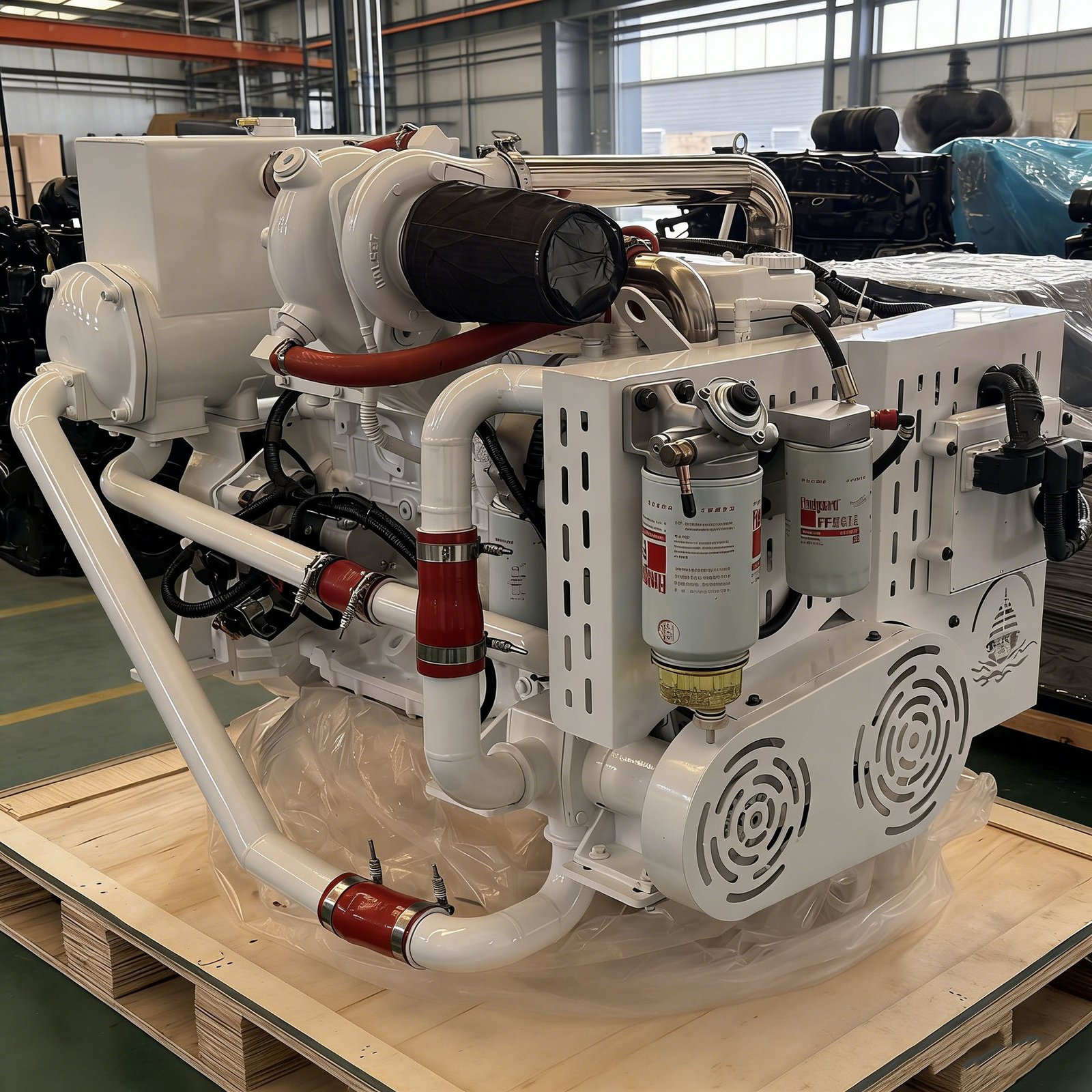
Selecting a marine diesel engine for boats is a major decision for any vessel owner in 2026. This equipment serves as the heart of your ship and ensures safety during long voyages. A well-chosen engine provides the necessary reliability to navigate through unpredictable weather and rough seas. Understanding the balance between power and efficiency is the first step toward a successful installation.
Modern marine diesel engines for boats offer a lifespan of 12,000 to 22,000 hours. This longevity is significantly higher than that of gasoline-powered alternatives. However, achieving these numbers requires a perfect match between the engine and the hull design. Owners must evaluate factors like displacement, cruising speed, and the overall weight of the propulsion system.
Choosing an undersized engine leads to premature wear and significantly higher fuel consumption. If an engine is too small, it must work at its maximum capacity constantly. This stress shortens the life of internal components like pistons and bearings. Conversely, an oversized engine may never reach its optimal operating temperature, causing carbon buildup.
What Technical Factors Define a Reliable Marine Diesel Engine for Boats?
When evaluating a marine diesel engine for boats, you must prioritize the power-to-weight ratio for your specific vessel. High-performance boats require lightweight engines that deliver rapid acceleration and high top speeds. In contrast, heavy workboats benefit from slower-turning engines that provide massive amounts of continuous torque. Most reliable boat engines in 2026 operate between 1,600 and 2,400 RPM for maximum durability.
Fuel consumption is a critical metric that dictates the operational range of your boat. Most modern diesel units have a Specific Fuel Consumption (SFC) rate of about 185 to 205 g/kWh. By calculating this rate against your typical cruising speed, you can accurately plan your fuel budget. Turbocharging has become standard because it improves efficiency without adding excessive physical weight.
Electronic control systems have revolutionized how a marine diesel engine for boats performs in modern maritime environments. Electronic Fuel Injection (EFI) ensures the engine receives the precise amount of fuel for every stroke. This precision reduces exhaust smoke and improves throttle response during difficult docking maneuvers. Digital diagnostics help prevent major failures by monitoring oil pressure and coolant temperatures in real-time.
Understanding Torque and Rotational Speed
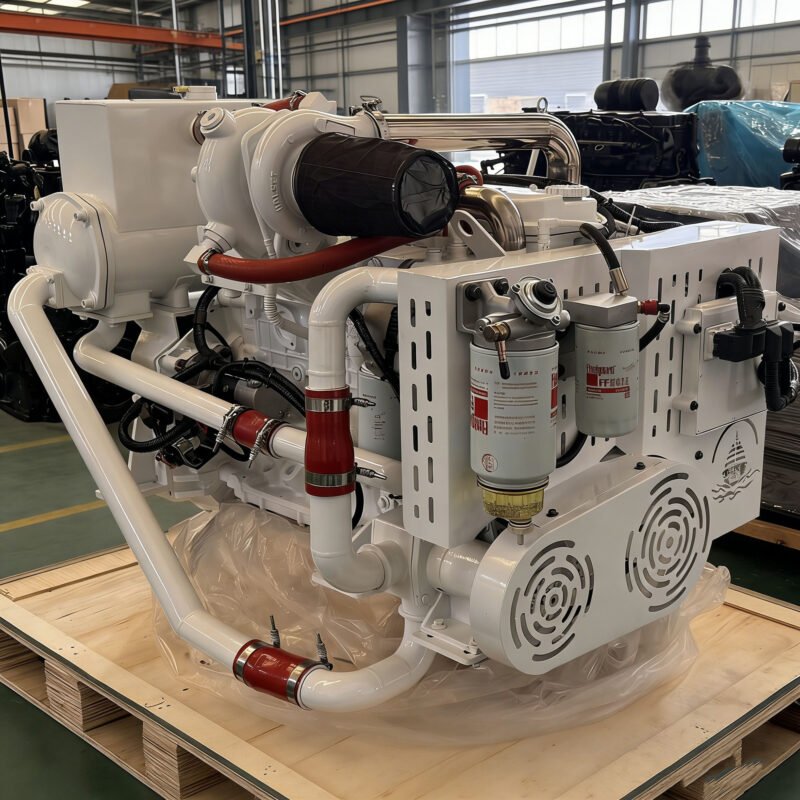
Torque is the force that turns the propeller and moves the boat through the water. For displacement hulls, high torque at low RPM is more valuable than high horsepower at high RPM. This allows the boat to maintain speed against strong currents without straining the engine. A high-torque engine reduces vibrations and creates a more comfortable environment for passengers.
Rotational speed, measured in RPM, directly affects the wear rate of the internal engine parts. Lower RPM engines generally have larger components that move more slowly, leading to less friction. These engines are often preferred for long-distance cruising or commercial fishing operations. Selecting an engine with a conservative RPM rating ensures a longer interval between major overhauls.
Weight Distribution and Power Ratios
The weight of a marine diesel engine for boats acts as fixed ballast within the hull. Placing a heavy engine too far forward or aft can negatively impact the boat’s trim. You must ensure the engine’s weight aligns with the original naval architect’s design specifications. Correct weight distribution improves fuel efficiency and ensures the hull performs as intended in 2026.
| Engine Category | HP Range | Typical Weight (kg) | Average Lifespan (Hours) |
| Compact Marine Diesel | 20 – 100 HP | 150 – 350 kg | 8,000 – 12,000 |
| Mid-Range Marine Diesel | 150 – 500 HP | 500 – 1,200 kg | 12,000 – 18,000 |
| Heavy Duty Commercial | 600 – 2,000+ HP | 2,000 – 6,000 kg | 20,000 – 30,000 |
| High-Speed Recreational | 300 – 800 HP | 600 – 1,100 kg | 5,000 – 10,000 |
How to Calculate the Horsepower Needed for Your Boat?
Determining the horsepower for a marine diesel engine for boats depends largely on the hull’s design. Displacement hulls move through the water and have a physical speed limit based on their waterline length. For these vessels, a power ratio of 4 to 6 horsepower per ton of displacement is usually optimal. Adding more power beyond this point will not increase speed but will waste fuel.
Planing hulls are designed to lift out of the water to reach much higher speeds. These boats require significantly more power to overcome the initial drag of the water surface. For a planing hull, you typically need 45 to 65 horsepower per ton to achieve reliable performance. Insufficient power prevents the boat from reaching a plane, causing the engine to overheat and fail.
Environmental conditions also play a role in determining your power requirements for 2026. If you operate in areas with heavy tides or frequent storms, you need a power reserve. A safety margin of 15% to 20% in horsepower allows for safe maneuvering during emergency situations. This reserve ensures you can always reach a safe harbor when the weather turns bad.
Power Requirements for Displacement Vessels
Displacement boats like trawlers and sailboats prioritize range over raw speed. The engine should be sized to run at about 70% to 80% of its maximum rated power at cruise. This “sweet spot” provides the best balance between fuel economy and engine longevity. Operating at this load prevents the cylinders from glazing and keeps the exhaust system clean.
It is also important to consider the auxiliary loads placed on the engine. Alternators, hydraulic pumps, and refrigeration compressors all consume horsepower from the main drive. Make sure to factor in these additional loads when selecting your marine diesel engine for boats. Failure to account for auxiliary power can leave the boat feeling sluggish under full load.
Power Requirements for Planing Hulls
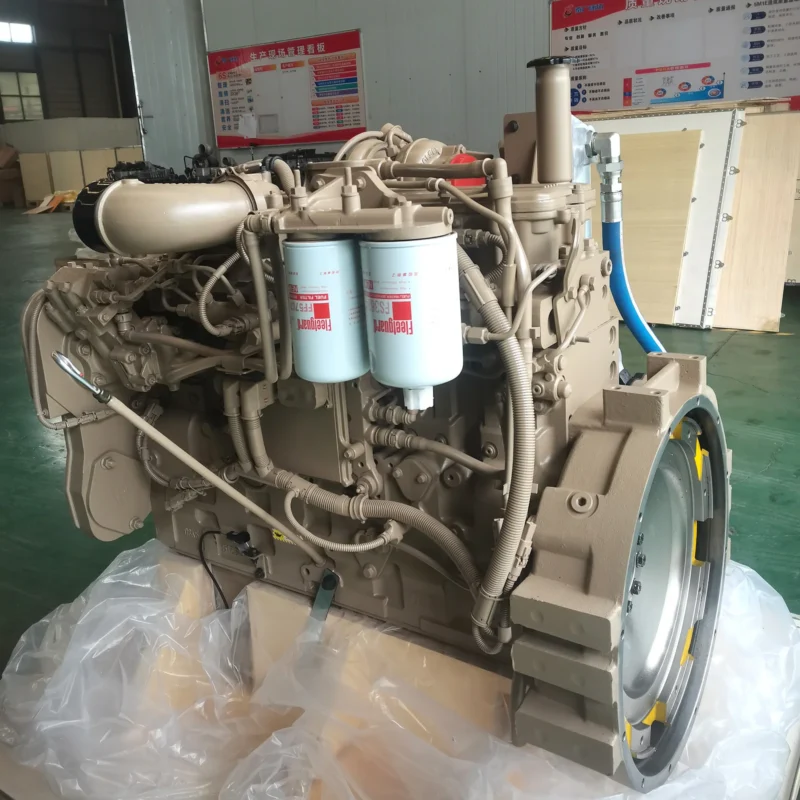
For planing hulls, the engine must have a strong “hole shot” to push the boat onto the water’s surface. Turbocharged and aftercooled engines are ideal for this application because they provide a boost in power when needed. Once on plane, the power requirement drops, allowing the engine to cruise efficiently. Selecting an engine with a wide power band is essential for versatile boat performance.
Modern engine manufacturers in 2026 often provide performance curves for their specific models. These curves show exactly how much horsepower and torque are available at every RPM level. You should compare these curves to your hull’s resistance data provided by the boat manufacturer. Matching the propeller pitch to the engine’s power curve is the final step in optimization.
Exploring Modern Cooling and Emission Standards in 2026?
Modern regulations like the IMO Tier III standards have changed the landscape for marine propulsion. Any new marine diesel engine for boats must now meet strict limits on nitrogen oxide and particulate emissions. Many engines achieve this through Selective Catalytic Reduction (SCR) or advanced common-rail fuel systems. Compliance with these standards is necessary for legal operation in most international waters.
Cooling systems are the most important factor in preventing engine failure at sea. There are two primary types of systems used in 2026: raw water and fresh water cooling. Raw water systems are simpler but expose the engine’s internal passages to corrosive salt water. Fresh water cooling uses a heat exchanger to keep the engine protected from corrosion and mineral deposits.
The cooling system must be sized to handle the maximum heat output of the engine at full load. In 2026, many owners are opting for keel cooling systems for workboats in shallow or sandy water. These systems eliminate the need for a raw water pump and intake strainers. A robust cooling system ensures the engine remains at a stable temperature regardless of the outside water conditions.
Environmental Compliance and Performance
Meeting emission standards does not have to mean a sacrifice in engine performance. In fact, many Tier III compliant engines are more fuel-efficient than their predecessors. The use of electronic sensors allows the engine to adjust its timing based on load and air temperature. This results in a cleaner-burning engine that produces less soot and carbon buildup.
Owners should also consider the noise and vibration levels of their chosen engine. Modern mounting systems and sound insulation have made diesel engines much quieter than older models. Reducing vibration not only increases comfort but also protects the boat’s structure and electronics. A quiet engine room is a sign of a well-engineered and properly installed propulsion system.
Advanced Heat Management Systems
Heat management is about more than just the engine block; it includes the exhaust and transmission too. Water-cooled exhaust manifolds are essential for keeping engine room temperatures low and safe. In 2026, advanced thermal sensors can alert the captain to “hot spots” before they cause a fire. Proper ventilation of the engine room is also required to provide the engine with cool, oxygen-rich air.
Selecting an engine with an integrated oil cooler will further extend the life of the lubricant. Oil breaks down quickly at high temperatures, leading to increased friction and potential engine seizure. Maintaining stable oil temperatures is critical for engines that run for long durations at high power levels. Always check the cooling capacity of the transmission as well, especially on heavy displacement boats.
How to Judge Maintenance Requirements Before Buying?
Before finalizing a purchase, you must evaluate how easy it is to service the engine. In many boats, the engine room is a confined space where access is very limited. You should be able to reach all filters, belts, and fluid dipsticks without removing major components. Ease of maintenance ensures that routine tasks are actually performed, which protects your investment.
The availability of spare parts and qualified technicians is another vital consideration for 2026. If you plan on long-distance cruising, choose a brand with a global support network. When you look at professional marine engines, check for the proximity of authorized service centers. A boat that is stuck waiting for a simple water pump is a boat that is not being enjoyed.
Finally, look for a marine diesel engine for boats that comes with a comprehensive warranty. A strong warranty from a reputable manufacturer indicates confidence in the product’s durability. It also provides peace of mind when you are far from home in remote coastal areas. Always read the warranty terms to understand what maintenance is required to keep the coverage valid.
Ease of Service and Global Logistics
Modern engines are increasingly complex, which makes digital diagnostic tools very important. Some manufacturers now offer remote monitoring services that allow technicians to troubleshoot engines via satellite. This can be a lifesaver if you encounter an engine issue in a remote part of the world. Having access to remote technical support reduces the risk of being stranded at sea.
Standardization of parts across an engine family can also make maintenance much simpler. If the oil filters and fuel filters are common sizes, they will be easier to find in local ports. It is also wise to carry a “cruising kit” of essential spares like impellers and gaskets. Proper preparation and a service-friendly engine are the keys to a stress-free maritime experience in 2026.
Summary
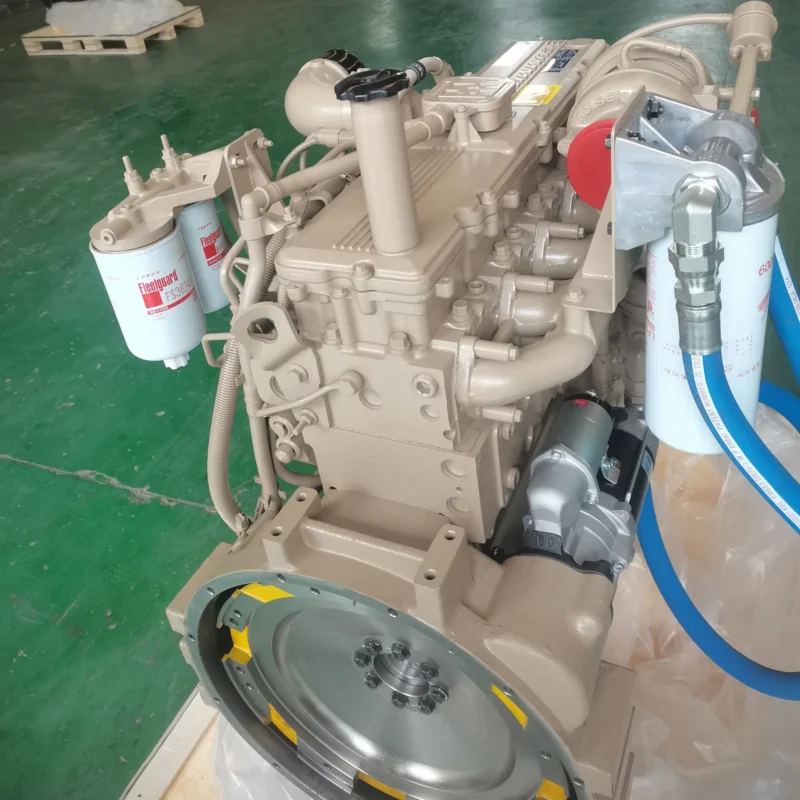
Choosing the right marine diesel engine for boats involves a deep analysis of your vessel’s horsepower needs and hull design. In 2026, buyers must prioritize fuel efficiency, emission compliance, and ease of maintenance to ensure long-term value. The ideal engine provides a 20% power reserve, meets Tier III standards, and has a global support network for parts. Investing in a properly sized and high-quality engine ensures safety and reliability for every voyage.
FAQ
1. How many hours will a marine diesel engine for boats last?
A high-quality marine diesel engine for boats typically lasts between 12,000 and 20,000 hours with proper care. Commercial-grade engines often exceed these numbers due to their heavy-duty construction and lower RPM operating ranges. Regular maintenance of the cooling system and oil changes are the most important factors in reaching this lifespan.
2. Should I choose a naturally aspirated or turbocharged engine?
Turbocharged engines are usually the better choice for modern boats because they offer a better power-to-weight ratio. They provide higher fuel efficiency and take up less space in the engine room than naturally aspirated engines of the same power. However, for very simple workboats where ease of repair is the only priority, a naturally aspirated engine may still be considered.
3. What is the most important maintenance task for a marine diesel engine?
Maintaining the cooling system is the most critical task to prevent catastrophic engine failure at sea. You must regularly inspect the raw water intake, clean the strainers, and replace the rubber impeller in the water pump. Overheating is the leading cause of engine damage, so a functional cooling system is your first line of defense.
4. How does the choice of engine affect the resale value of a boat?
A reputable and well-maintained marine diesel engine for boats significantly increases the resale value of any vessel. Buyers in 2026 look for brands with reliable track records and documented service histories. An engine from a major manufacturer with an active warranty is a strong selling point that can justify a higher asking price.
5. Are electronic engines better than mechanical engines?
Electronic engines are superior in terms of fuel efficiency, emission control, and diagnostic capabilities. They allow for more precise control over the engine’s performance and can protect themselves from damage by shutting down if sensors detect a problem. Mechanical engines are simpler to fix without computers, but they lack the efficiency and safety features of modern electronic units.
Reference Sources
American Boat and Yacht Council (ABYC) – Engine Installation Standards
DieselNet – Global Diesel Engine Emission Standards
Society of Naval Architects and Marine Engineers (SNAME) – Marine Propulsion Research
Professional BoatBuilder Magazine – Marine Engineering and Systems

