
How to Choose the Best Diesel Engine for Water Pump

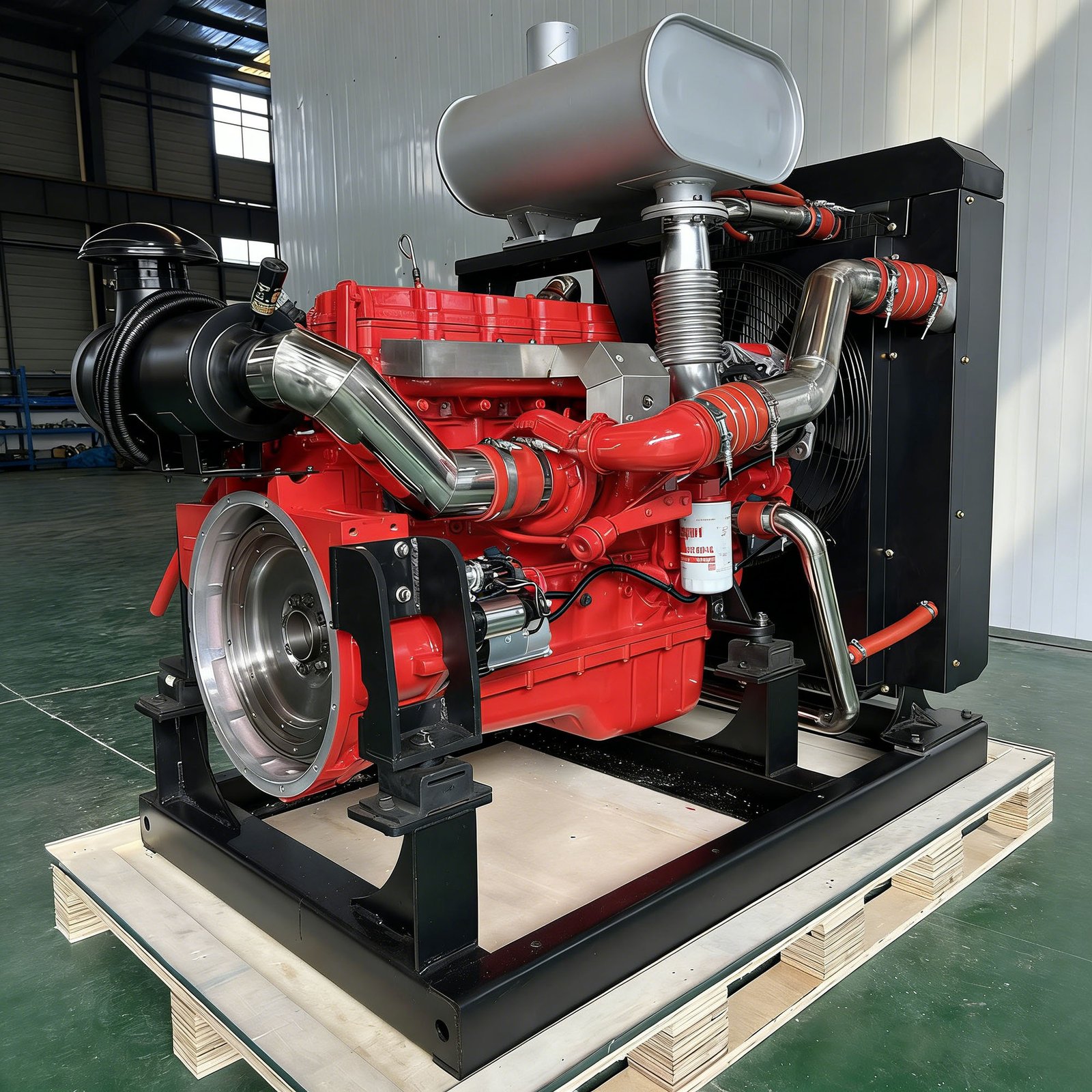
Selecting a reliable power source for irrigation or industrial drainage is a critical decision for any project. The best diesel engine for water pump systems provides consistent torque and high durability under heavy loads. Unlike gasoline alternatives, diesel engines offer superior thermal efficiency and a significantly longer service lifespan.
Operators must evaluate specific mechanical requirements to match the engine to the pump head perfectly. This guide explores the technical factors that define a high-quality diesel power unit in 2026. The performance of a water pump depends entirely on the engine’s ability to maintain steady RPM.
Fluctuations in power can lead to cavitation or reduced flow rates in the system. Choosing a robust diesel engine ensures your pumping system operates effectively in remote locations. Modern diesel technology has improved significantly, offering lower emissions and better fuel economy than older models.
Why is Diesel the Preferred Power Source for Water Pumping?
Diesel engines are the industry standard for large-scale water movement projects globally. They generate higher torque at lower revolutions compared to gasoline engines. This high torque is essential for priming large pumps and maintaining consistent water pressure.
Most agricultural and construction sites rely on diesel for its inherent stability. The energy density of diesel fuel allows for longer run times between refueling stops. This efficiency is vital for remote sites where fuel delivery is difficult.
Safety and fuel stability also play a major role in this engineering preference. Diesel fuel is less volatile than gasoline, which reduces fire risks on hot jobsites. Diesel engines lack a complex ignition system with spark plugs, which simplifies field repairs.
This design makes them highly resistant to moisture and humid environments. For water pumping, where the engine is often near spray, this moisture resistance is vital. It prevents electrical shorts that often plague gasoline-powered equipment.
Longevity is perhaps the most significant advantage of choosing a diesel power plant. A well-maintained diesel engine can last for 10,000 to 30,000 hours of operation. This durability makes the best diesel engine for water pump use a cost-effective long-term investment.
While the initial purchase price might be higher, the total cost of ownership remains lower. Regular oil changes and filter replacements are usually sufficient to keep these machines running. They withstand the rigors of continuous operation better than any other internal combustion engine.
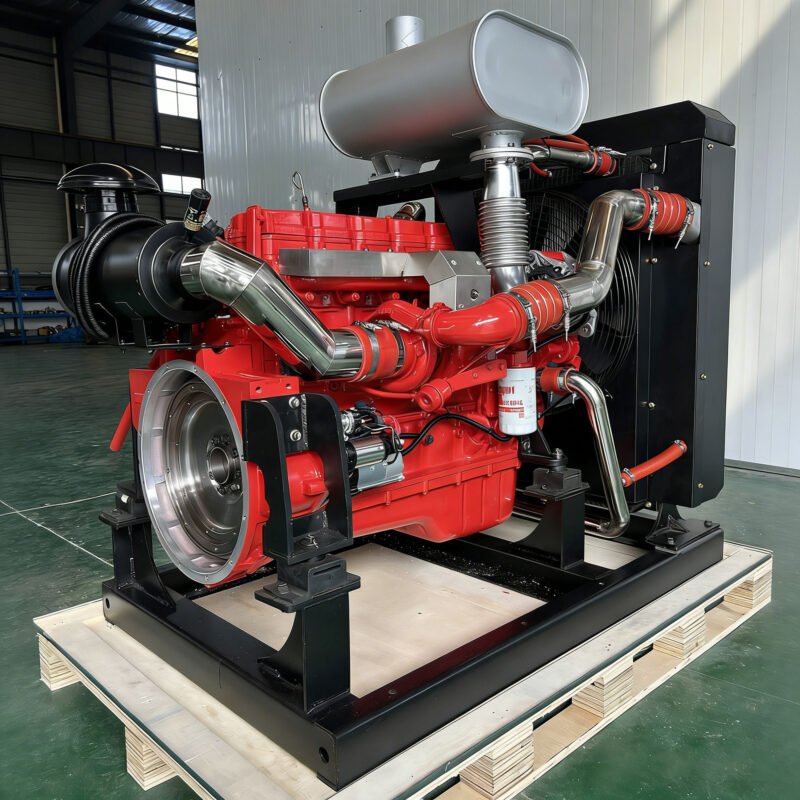
Crucial Selection Criteria for the Best Diesel Engine for Water Pump?
Matching the horsepower of the engine to the pump’s curve is the first step. You must calculate the Total Dynamic Head (TDH) and the required flow rate. An undersized engine will overheat and fail prematurely under the strain of heavy water loads.
Conversely, an oversized engine leads to “wet stacking” and wasted fuel. It is generally recommended to select an engine with 20% more power than the pump requires. This buffer accounts for potential wear and varying environmental conditions in 2026.
Evaluating Cooling Systems for Outdoor Environments
Cooling systems are another critical consideration for continuous pumping operations. Air-cooled diesel engines are lightweight and ideal for portable, smaller pump sets. Water-cooled engines are better suited for stationary, heavy-duty applications requiring 24/7 operation.
Air-cooled models require less maintenance because they have no radiator or coolant hoses. However, water-cooled models handle high ambient temperatures more effectively in tropical climates. They maintain a more stable internal temperature during peak summer months.
| Engine Feature | Air-Cooled Systems | Water-Cooled Systems |
| Portability | Extremely High | Moderate to Low |
| Maintenance | Simple (No liquid) | Requires Radiator Care |
| Running Time | Intermittent Use | Heavy Duty Continuous |
| Ambient Limit | Up to 40°C | Up to 52°C |
| Typical Use | Small Farms | Industrial Drainage |
Understanding Torque and Speed Matching
Understanding the torque curve of a diesel engine helps in predicting pump performance. Water pumps require a steady load, which fits the “flat” torque curve of a diesel engine. Verify that the engine’s peak torque aligns with the pump’s most efficient operating speed.
Most industrial water pumps run optimally between 1,800 and 3,000 RPM. Operating outside this range can cause excessive vibration and mechanical wear. Matching the RPM ensures the pump reaches its rated gallons per minute (GPM) effectively.
Fuel efficiency and tank capacity determine how often an operator must visit the site. The best diesel engine for water pump setups should feature a high-precision fuel injection system. This technology optimizes the air-fuel mixture for maximum combustion efficiency.
You should look for engines that offer a low specific fuel consumption rate. This is typically around 210 to 250 g/kWh for modern 2026 models. Efficient engines reduce operational costs and minimize the environmental footprint of the project.
Technical Specifications That Impact Long-Term Reliability?
Displacement is a physical measurement of the engine’s size and its power potential. A larger displacement usually indicates a more rugged engine capable of handling higher heads. High-quality engines utilize cast-iron cylinders to withstand the internal pressures of diesel combustion.
Look for engines with a compression ratio between 17:1 and 22:1. Higher compression ratios lead to better thermal efficiency and easier starting in cold weather. This is particularly important for pumps used in northern climates or high altitudes.
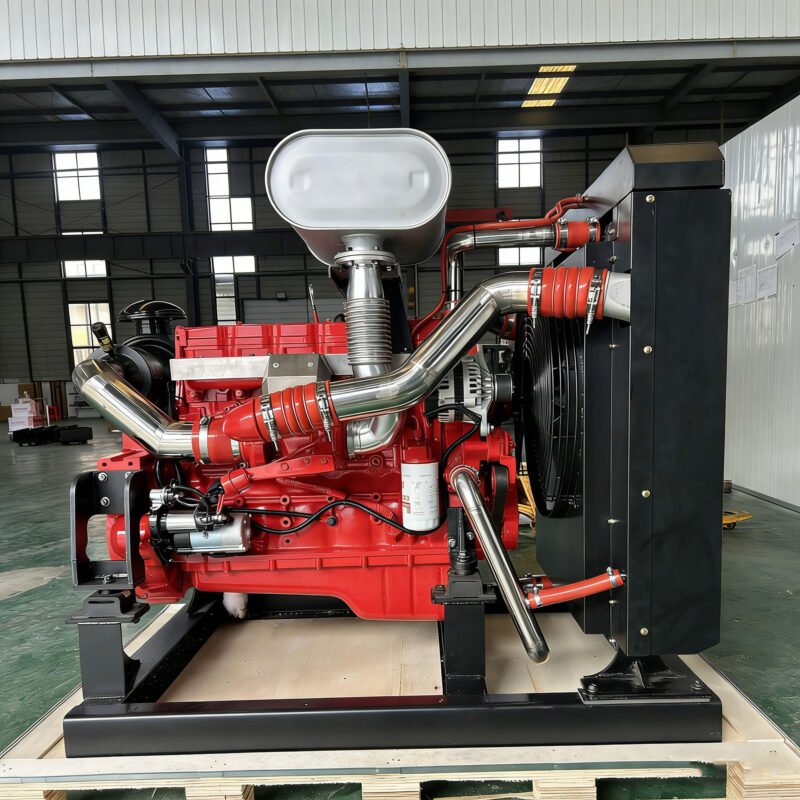
The Role of Precision Fuel Injection in 2026
Emission standards are increasingly important for both regulatory compliance and site safety. Many regions now require Tier 4 Final or Stage V compliant engines for industrial use. Modern engines incorporate Exhaust Gas Recirculation (EGR) to reduce nitrogen oxide emissions significantly.
While these systems add complexity, they ensure the engine meets modern 2026 environmental standards. Choosing an engine with advanced filtration also protects the internal components from dust. This is essential for engines operating in dry, agricultural fields.
The mechanical governor system is another part that requires careful inspection. A high-quality governor maintains a constant engine speed regardless of the water load changes. This prevents the engine from stalling when the pump encounters debris or air pockets.
Reliable governors are typically mechanical or electronic, depending on the engine size. Electronic governors provide more precise control for sensitive industrial applications. Mechanical governors are often preferred for their simplicity and ease of field repair.
Maintenance Protocols to Protect Your Pumping Assets?
Preventative maintenance is the only way to protect your investment in a high-quality engine. The fuel system is the most sensitive part of any diesel machine. Contaminated fuel can ruin injectors and high-pressure pumps within a few hours of operation.
Always use high-quality fuel filters and drain the water separator daily. Storing fuel in clean, sealed containers prevents algae growth and sediment buildup. This simple step can extend the life of your fuel injectors by thousands of hours.
The lubrication system requires regular attention to handle the soot produced by diesel combustion. Use only the oil grade recommended by the manufacturer, typically a high-detergent diesel oil. Changing the oil and oil filter every 250 to 500 hours is standard for water pump engines.
Clean oil reduces friction in the crankshaft and piston assemblies. It also helps dissipate heat away from the internal engine components. Neglecting oil changes leads to rapid wear of the piston rings and cylinder liners.
The intake system must remain clear of obstructions to ensure proper air-fuel ratios. Water pumping often occurs in dusty agricultural or construction environments. A clogged air filter forces the engine to work harder and increases fuel consumption.
Inspect the air intake housing for leaks that could allow “dirty” air to bypass the filter. Replacing air filters regularly prevents “dashing” or scoring of the cylinder walls. A clean engine is a powerful and efficient engine.
How to Determine the Ideal Configuration for Your Site Needs?
Determining the right fit for your equipment depends on your specific operational environment. If your project involves frequent relocation, a compact, single-cylinder engine is often the best choice. Evaluating the mounting configuration is essential to ensure the engine and pump align perfectly.
Misalignment causes catastrophic bearing failure and destroys the drive coupling between the units. Always check the shaft diameter and keyway dimensions before finalizing a purchase. This technical check prevents costly installation delays and mechanical failures.
When assessing different models, consider the availability of spare parts in your local area. Even the best diesel engine for water pump applications will eventually require replacement wear items. Selecting a brand with a strong global distribution network ensures you won’t face long downtimes.
You should also look for engines that offer modular designs for easier access to components. This includes the alternator, starter motor, and the cooling fan assembly. To explore high-performance options, you can view specialized water pump engines tailored for various flow requirements.
Reviewing technical datasheets allows you to compare flow-to-power ratios accurately for your 2026 project. Identifying an engine with a proven track record in irrigation and dewatering is vital for success. Professional-grade engines provide the structural integrity needed to survive harsh outdoor conditions.
This technical assessment ensures that your pumping system remains a reliable asset for years. Choosing a model with integrated safety shutdowns for low oil pressure is also recommended. These features protect the engine from total failure if a leak occurs during unattended operation.
Summary
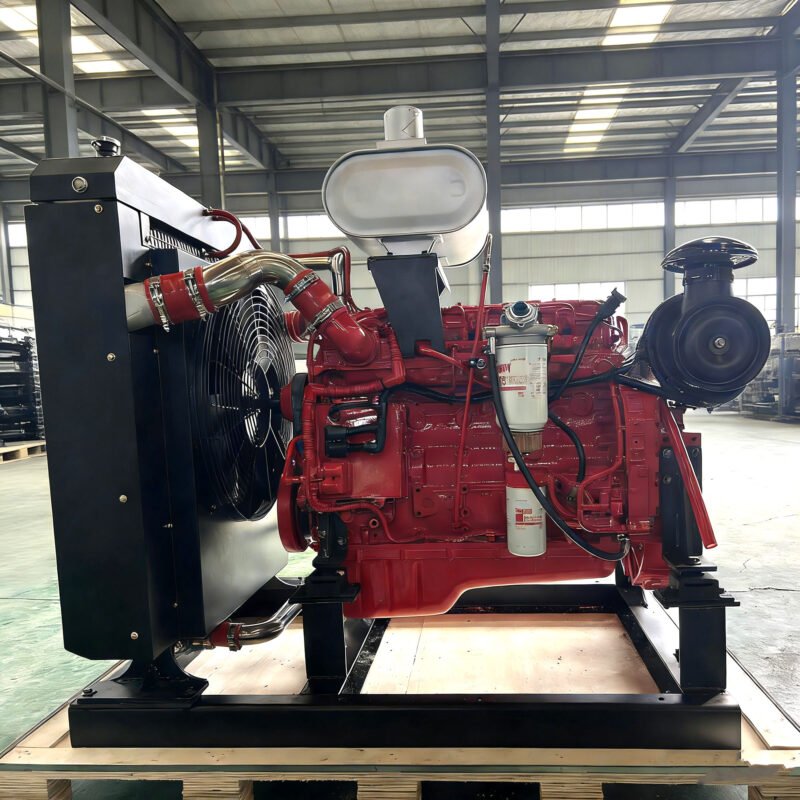
To find the best diesel engine for water pump use, prioritize torque, cooling efficiency, and fuel consumption. Match the engine’s horsepower to the pump’s specific head and flow requirements in 2026. Ensure the cooling type fits your environment and that parts are locally available. A well-selected engine guarantees reliable, long-term water management performance.
FAQ
1. What is the best RPM for a diesel water pump engine?
Most diesel engines for water pumps operate most efficiently between 1,800 and 2,400 RPM. This range provides a balance between high torque output and fuel economy.
Operating within this “sweet spot” also reduces mechanical vibration and extends the life of the pump’s seals. Running an engine at maximum RPM constantly will significantly shorten its operational lifespan.
2. Can I use an air-cooled diesel engine for 24/7 pumping?
Yes, but you must ensure the engine is rated for continuous duty and has adequate ventilation. Air-cooled engines rely on ambient air flow, so they should not be used in enclosed spaces without fans.
For extreme heat above 40°C, a water-cooled engine is generally more reliable for non-stop operation. Always check the manufacturer’s continuous power rating rather than the standby rating.
3. How often should I change the fuel filters on a diesel pump engine?
You should typically change fuel filters every 500 hours of operation or at least once per year. However, if you are using low-quality fuel or working in very dusty conditions, change them more frequently.
Monitoring for power loss or “hunting” at idle is a good way to identify a clogged filter. Using a primary and secondary filter system provides the best protection for modern high-pressure injectors.
4. Why is my diesel engine losing power while pumping?
Power loss is often caused by restricted air intake, clogged fuel filters, or air trapped in the fuel lines. It can also occur if the pump is trying to push water beyond the engine’s rated horsepower.
Regular maintenance of the injection system usually prevents these performance drops in 2026. If the engine emits black smoke, it is likely overloaded or starving for clean air.
Reference Sources
DieselNet Technical Information on Diesel Emissions and Engine Design
American Society of Mechanical Engineers (ASME) Internal Combustion Engine Performance Standards
Diesel Progress Global Industrial Engine Market and Technology Trends

