
Guide to Mining Equipment Diesel Engine Performance

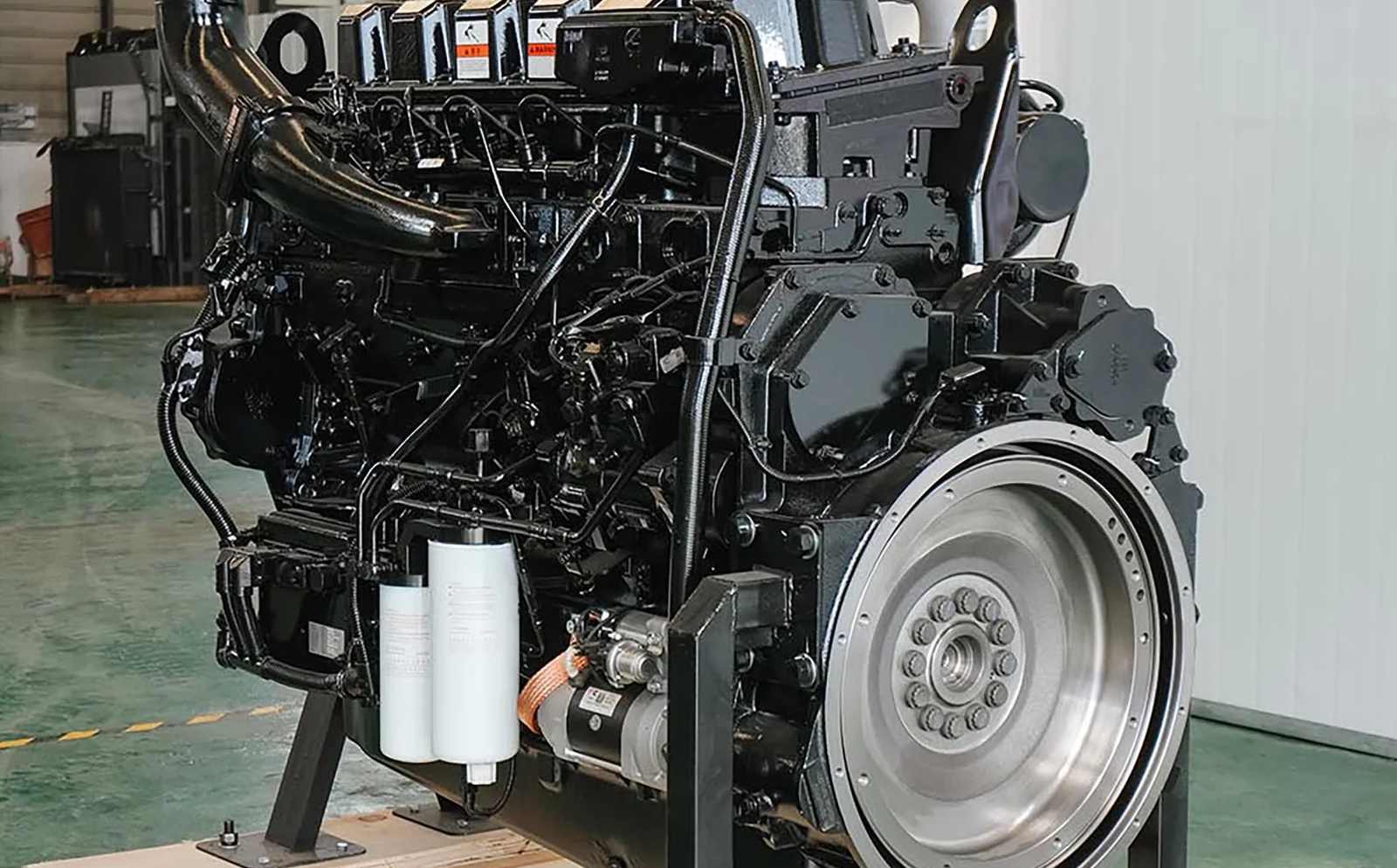
Heavy machinery defines the success of modern mining operations. These massive machines require immense power to move tons of earth daily. The mining equipment diesel engine remains the primary power source for the industry. It provides the necessary torque to navigate steep inclines and carry heavy loads.
Mining environments are often incredibly harsh and demanding. Engines must withstand extreme temperatures, thick dust, and constant vibration. Reliability is not just a preference; it is a operational necessity. A single hour of downtime can cost a mine thousands of dollars. Therefore, understanding how these engines function is critical for any operator.
Modern diesel technology has evolved significantly over the last decade. Current engines are more efficient and environmentally friendly than their predecessors. They utilize advanced electronic controls to optimize performance in real-time. This guide explores the mechanics and benefits of high-performance diesel engines in the mining sector.
Why the Mining Equipment Diesel Engine is Essential
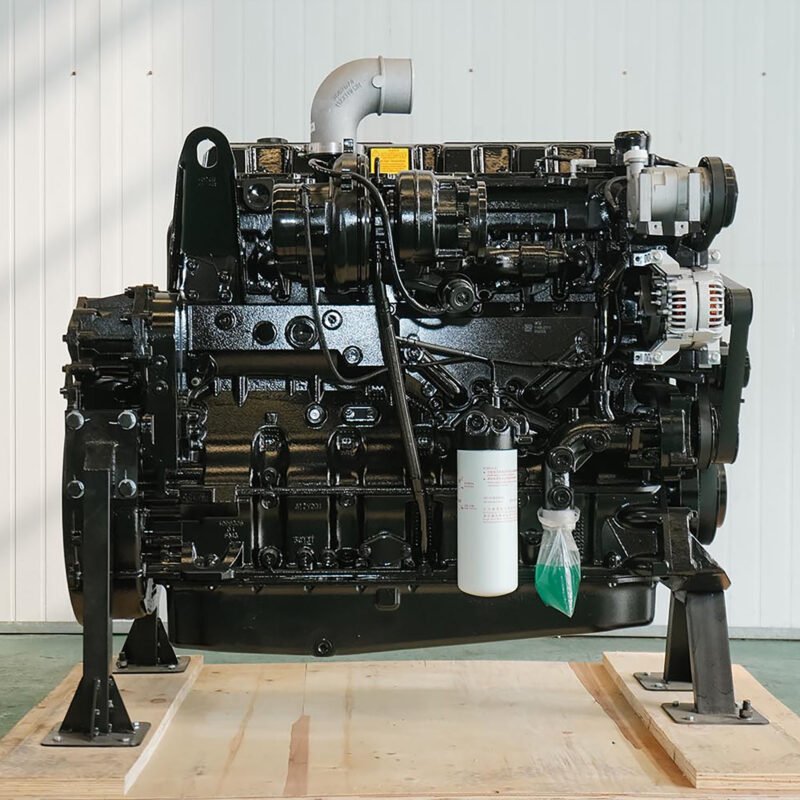
Diesel fuel possesses a very high energy density compared to other sources. This allows a mining equipment diesel engine to produce massive torque at low speeds. Torque is the force required to rotate the wheels of a massive haul truck. Without this low-end power, heavy machinery could not start moving under full load.
Research shows that diesel engines are roughly 30% to 35% more efficient than gasoline alternatives. In the mining industry, fuel costs often represent 40% of total operating expenses. Therefore, even small improvements in engine efficiency lead to massive savings. High-efficiency engines help mining companies maintain their profit margins during market fluctuations.
Safety is another reason for the dominance of diesel in mines. Diesel fuel is much less flammable than gasoline or natural gas. This lower volatility reduces the risk of fire in confined underground spaces. Furthermore, modern filtration systems significantly reduce harmful particulate matter in exhaust gases.
| Feature | Standard Mining Engine Spec | Performance Impact |
| Displacement | 10L to 15L | Increases torque capacity for heavy loads |
| Aspiration | Turbocharged / Intercooled | Enhances power density at high altitudes |
| Control System | Electronic Control Unit (ECU) | Optimizes fuel consumption and diagnostics |
| Cooling System | Heavy-duty Radiator | Prevents overheating in desert or deep mines |
What Features Define a Reliable Mining Engine?
A high-quality mining equipment diesel engine must feature a robust structural design. Manufacturers often use high-strength cast iron for the engine block. This material resists the thermal expansion caused by continuous high-load operation. Replaceable cylinder liners are also standard to simplify long-term maintenance.
Advanced fuel injection systems are a core component of modern engines. High-pressure common rail (HPCR) technology allows for multiple injection events per cycle. This precision results in more complete combustion and lower noise levels. For instance, engines like the QSZ13 utilize such systems to meet strict emission standards without losing power.
Turbocharging is essential for maintaining performance at varying altitudes. Many mines are located in mountainous regions where the air is thin. A turbocharger forces more oxygen into the combustion chamber to maintain power. This ensures the machine performs consistently whether it is at sea level or high elevation.
Comparing Engine Efficiency in Surface and Underground Mining
Surface mining requires engines that can handle massive payloads and long duty cycles. Haul trucks often operate for 20 hours a day with minimal rest. The mining equipment diesel engine in these machines must have superior cooling capabilities. High-capacity oil pans and advanced filtration help extend the intervals between services.
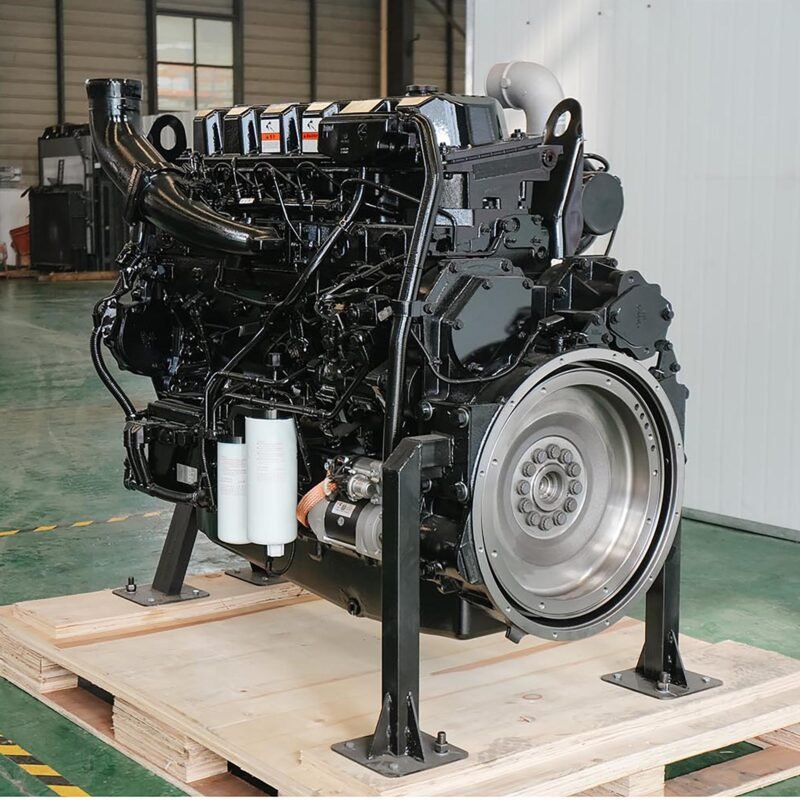
Underground mining presents a different set of engineering challenges. Space is limited, and ventilation is a critical safety concern for workers. Engines for underground use are often more compact but still highly powerful. They must incorporate specialized scrubbers or filters to remove carbon monoxide and particulates.
Data from industry reports suggest that electronic engine monitoring can reduce unexpected failures by 25%. Sensors track oil pressure, coolant temperature, and fuel flow constantly. If a parameter falls out of range, the system alerts the operator immediately. This proactive approach prevents a minor issue from becoming a catastrophic engine failure.
Optimizing Engine Life in Extreme Conditions
Proper lubrication is the most important factor in engine longevity. Mining environments introduce abrasive dust that can destroy internal engine components. High-quality synthetic oils and heavy-duty filters are mandatory for protecting the mining equipment diesel engine. Operators should conduct regular oil analysis to detect early signs of internal wear.
Cooling system maintenance is equally vital for preventing engine damage. Mining machines generate immense heat during deep-pit climbing maneuvers. Clogged radiators or leaking hoses can cause rapid overheating and head gasket failure. Regular pressure testing of the cooling system ensures the engine remains within safe limits.
Training for operators also plays a significant role in engine health. Excessive idling or “hot shutdowns” can damage turbochargers and injectors. Operators should allow the engine to idle for a few minutes before turning it off. This practice allows the turbocharger to cool down while oil is still circulating.
Criteria for Selecting Mining Power Solutions
Choosing the right power unit depends on the specific machine and task. You must evaluate the power-to-weight ratio to ensure the engine is not underpowered. For mid-to-large excavators and dump trucks, a 13-liter engine is often the ideal choice. This displacement provides a balance between high torque and manageable fuel consumption.
Durability should be the primary factor in your decision-making process. Look for engines that have a proven track record in the construction and mining sectors. Components should be easy to access for routine inspections and parts replacement. A modular design can significantly reduce the time required for major overhauls.
Finally, consider the availability of technical support and genuine spare parts. A mining equipment diesel engine is a long-term investment that requires expert care. Ensure the manufacturer provides comprehensive diagnostic tools and technical documentation. High-quality engines, such as the QSZ13, are designed for global serviceability in remote locations.
Summary
The mining equipment diesel engine is the heartbeat of the modern extraction industry. It provides the necessary torque, durability, and safety required for heavy-duty operations. By selecting the right engine and maintaining it properly, companies can maximize their productivity. Reliable power ensures that mining projects remain profitable and safe for all workers involved.
FAQ
Q:Why is diesel preferred over electric power in most large mines?
Diesel remains the standard because it offers superior energy density and rapid refueling capabilities. While electric options are growing, diesel provides the sustained power needed for massive 24/7 hauling operations.
Q:What is the average lifespan of a mining equipment diesel engine?
A well-maintained engine can typically run for 12,000 to 20,000 hours before a major overhaul. This lifespan depends heavily on fuel quality, load factors, and adherence to maintenance schedules.
Q:How does altitude affect a mining equipment diesel engine?
High altitudes have lower air pressure, which can lead to incomplete combustion and power loss. Modern turbocharged engines compensate for this by compressing more air into the cylinders.
Q:What are the benefits of electronic engine controls in mining?
Electronic controls optimize fuel injection for better efficiency and provide real-time diagnostics. This allows for predictive maintenance and helps prevent expensive mechanical failures through early warning systems.
Reference Sources
Cummins – Mining Engines and Power Solutions
https://www.cummins.com/
SAE International – Diesel Engine Research and Standards
https://www.sae.org/
Mining.com – Global Mining News and Equipment Trends
https://www.mining.com/
Association of Equipment Manufacturers – Heavy Equipment Insights
https://www.aem.org/

