
What Is a Diesel Engine and How Does It Work?

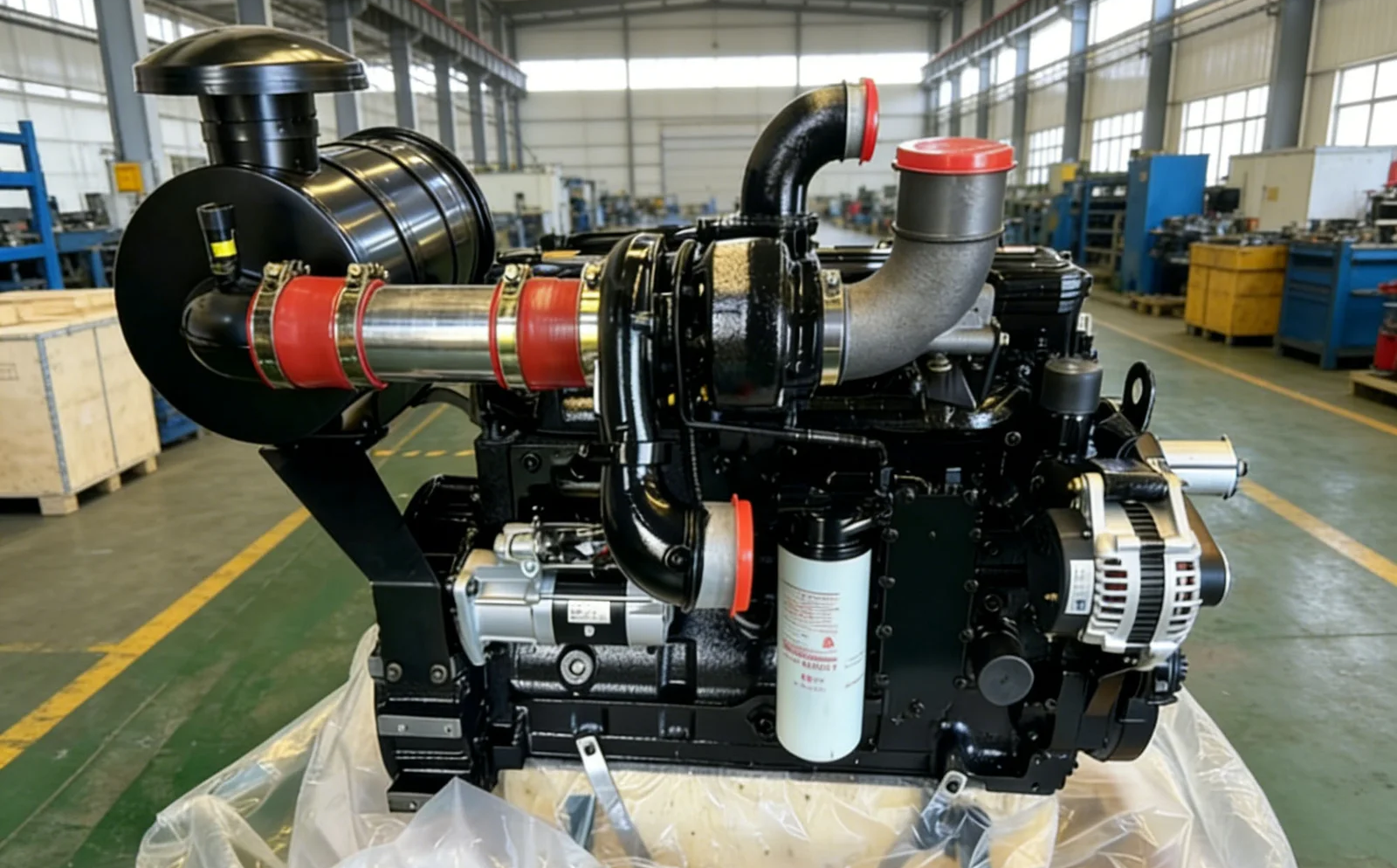
Diesel engines serve as the backbone of global industry and heavy-duty transport. These internal combustion engines convert chemical energy from fuel into mechanical rotation. Unlike gasoline engines, they rely on heat generated by high pressure to ignite fuel. Understanding how does a diesel engine work helps in selecting the right power solution for industrial needs.
The fundamental principle behind this technology is compression ignition. Air is squeezed inside a cylinder until it reaches an extremely high temperature. At this peak heat, a fine mist of diesel fuel enters the chamber. The fuel ignites spontaneously without the need for a spark plug.
Modern industrial engines are designed for high torque and long-term durability. They often power large-scale machines and electrical generators. Diesel engines remain preferred for heavy-duty applications due to their superior thermal efficiency. This efficiency ensures more work is done per gallon of fuel consumed.
Understanding the Core Principles of Compression Ignition
The primary difference between engine types lies in the ignition method. A gasoline engine uses a spark plug to start the combustion process. In contrast, a diesel engine relies solely on the heat of compressed air. This process requires a much higher compression ratio than standard automotive engines.
Most diesel engines operate with compression ratios ranging from 14:1 to 25:1. For comparison, gasoline engines typically stay between 8:1 and 12:1. The higher pressure translates directly to greater force and higher energy output. This mechanical advantage allows diesel engines to generate massive amounts of torque at low speeds.
Because they operate under high pressure, these engines must be built with robust materials. Heavy-duty blocks, often made of cast iron, house the internal components. These materials withstand the intense stresses of the combustion cycle. This structural integrity is why industrial diesel engines often last for decades.
How Does a Diesel Engine Work? The Four-Stroke Cycle
Most modern diesel units, such as those used in 300kW generators, follow a four-stroke cycle. This process includes intake, compression, power, and exhaust strokes. Each stage plays a critical role in converting fuel into usable mechanical energy. Understanding how does a diesel engine work requires a look at these four distinct phases.
- Intake Stroke: The intake valve opens as the piston moves downward. Only fresh air enters the cylinder during this phase. There is no fuel mixed with the air at this point.
- Compression Stroke: The piston moves upward, squeezing the trapped air. The volume of the air reduces significantly, causing its temperature to rise. Temperatures can reach over 1,000 degrees Fahrenheit (537°C) during this stroke.
- Power Stroke: Near the top of the stroke, fuel injectors spray diesel at high pressure. The hot air ignites the fuel immediately, creating an explosion. This pressure forces the piston back down, turning the crankshaft.
- Exhaust Stroke: The exhaust valve opens to release spent gases. The piston moves up again to clear the chamber for the next cycle.
| Feature | Diesel Engine Specification |
| Ignition Type | Compression Ignition |
| Fuel Delivery | Direct High-Pressure Injection |
| Typical Compression Ratio | 14:1 to 25:1 |
| Thermal Efficiency | 40% to 50% |
| Primary Cooling Method | Water-Cooled / Radiator |
Key Components of High-Performance Diesel Systems
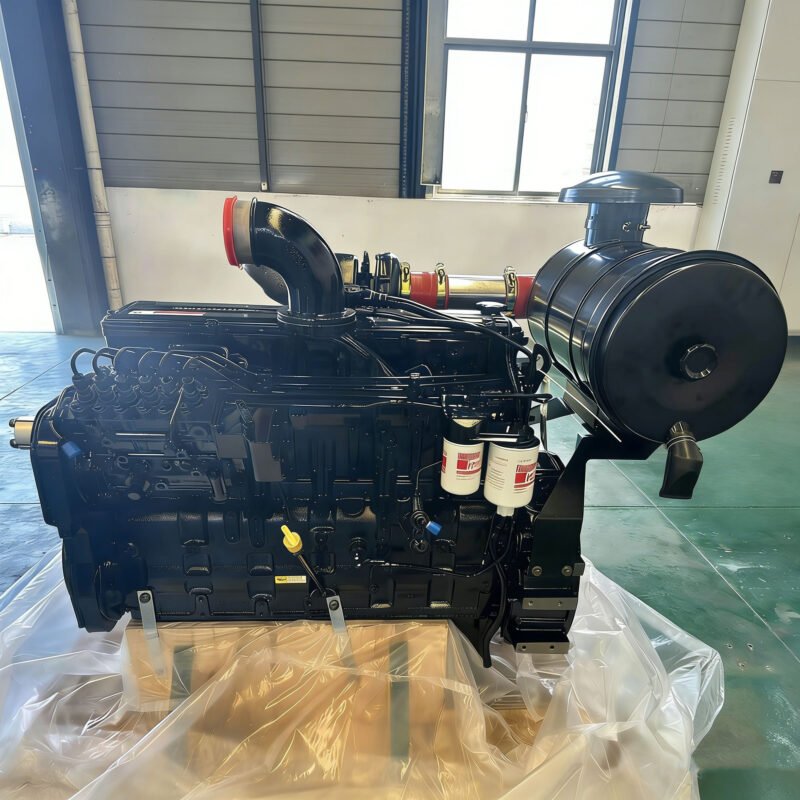
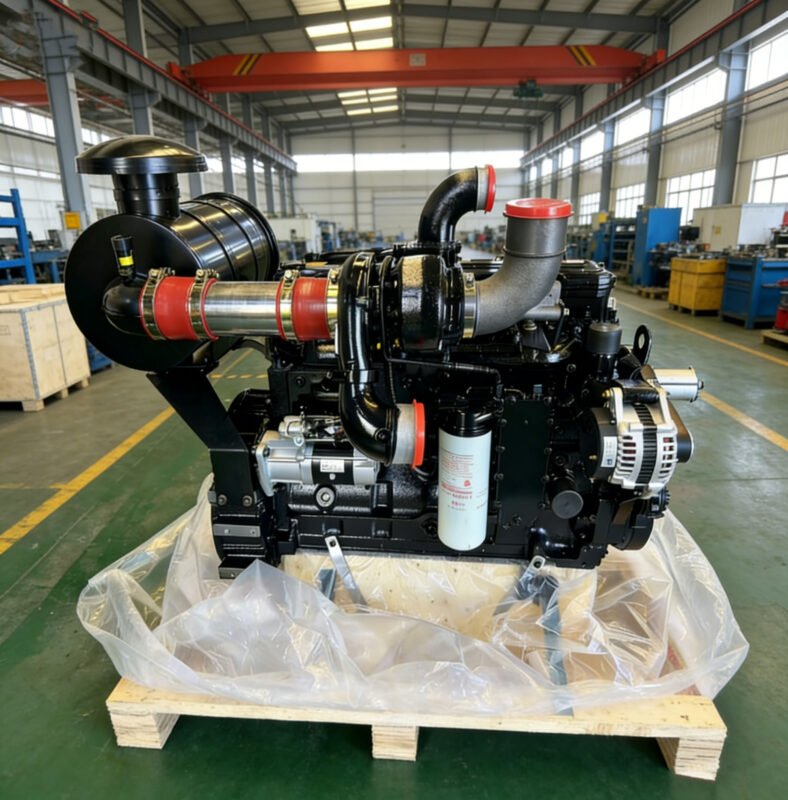
To achieve high power outputs, such as 300kW or more, specific components are essential. A 6-cylinder configuration is common for industrial reliability. Engines like the 6LTAA9.5 diesel engine utilize advanced forced induction to maximize performance. Turbocharging and intercooling are vital for increasing the density of the intake air.
A turbocharger uses exhaust gases to spin a turbine. This turbine forces more air into the combustion chamber. When more air is present, more fuel can be burned efficiently. This setup significantly boosts the power-to-weight ratio of the engine.
Intercoolers further enhance this process by cooling the pressurized air. Cooler air is denser and contains more oxygen for combustion. Advanced fuel injection systems ensure the timing is precise to the millisecond. This precision reduces fuel waste and lowers harmful emissions during operation.
Technical Comparison: Diesel vs. Gasoline Performance
Diesel fuel contains approximately 10% to 15% more energy by volume than gasoline. This higher energy density is why diesel vehicles travel further on the same amount of fuel. The inherent efficiency of the diesel cycle reduces operating costs for businesses. For stationary power, this translates to longer run times between refueling.
In terms of maintenance, diesel engines have fewer electrical components to fail. They do not require spark plugs, ignition coils, or distributors. However, they do require high-quality filtration for fuel and oil. Clean fuel is essential because modern injectors operate with microscopic tolerances.
While gasoline engines are lighter and quieter, they lack the “grunt” needed for heavy loads. Diesel engines provide steady power under varying load conditions. This makes them the industry standard for emergency backup and primary power generation. The durability of a water-cooled 6-cylinder engine is unmatched in harsh environments.
Selecting the Right Diesel Engine for Your Power Needs
Choosing an engine for a specific application depends on several technical factors. For a 300kW generator set, the engine displacement must be sufficient to handle the load. A 9.5-liter displacement is typically ideal for this power range. Ensuring the engine has a robust cooling system prevents overheating during continuous use.
One must also consider the engine’s aspiration type. Turbocharged and aftercooled (TAA) engines offer the best balance of power and fuel economy. These engines respond quickly to load changes, which is critical for electrical stability. Verify that the engine’s rated speed matches your generator’s alternator requirements.
Environmental conditions also play a role in the selection process. Engines used in high altitudes or extreme heat need specialized configurations. A well-designed 6-cylinder engine provides the balance and vibration control necessary for long-life cycles. Focus on engines with accessible parts to simplify future maintenance tasks.
Summary
A diesel engine works by using high compression to ignite fuel without a spark. This process results in high torque, exceptional fuel efficiency, and long-term durability. By utilizing a four-stroke cycle and advanced turbocharging, these engines power the world’s most demanding industrial applications. Understanding these mechanics ensures you choose the most reliable power source.
FAQ
Q:How does a diesel engine work without spark plugs?
Diesel engines use the heat of highly compressed air to ignite fuel. When air is compressed rapidly, its temperature rises enough to cause spontaneous combustion of injected diesel.
Q:Why are diesel engines more efficient than gasoline engines?
They possess higher compression ratios and use fuel with greater energy density. This allows them to convert a larger percentage of thermal energy into mechanical work.
Q:What is the purpose of a turbocharger in a diesel engine?
The turbocharger forces more oxygen into the combustion chamber. This allows the engine to burn more fuel and produce significantly higher power without increasing engine size.
Q:Is maintenance for diesel engines more expensive?
While parts can be costlier, the intervals between major services are usually much longer. The absence of an ignition system also removes several common points of mechanical failure.
Q:What does “6LTAA” signify in engine models?
It typically refers to a 6-cylinder engine that is Long-stroke, Turbocharged, and Air-to-Air aftercooled. This configuration is standard for high-performance industrial power sets.
Reference Sources:
U.S. Department of Energy – Alternative Fuels Data Center
https://afdc.energy.gov/
U.S. Energy Information Administration (EIA) – Diesel Fuel Explained
https://www.eia.gov/
Cummins Inc. – How a Diesel Engine Works
https://www.cummins.com/
Diesel Technology Forum – About Diesel Engines
https://www.dieselforum.org/

