
Types of Diesel Engines Explained: 2-Stroke vs 4-Stroke

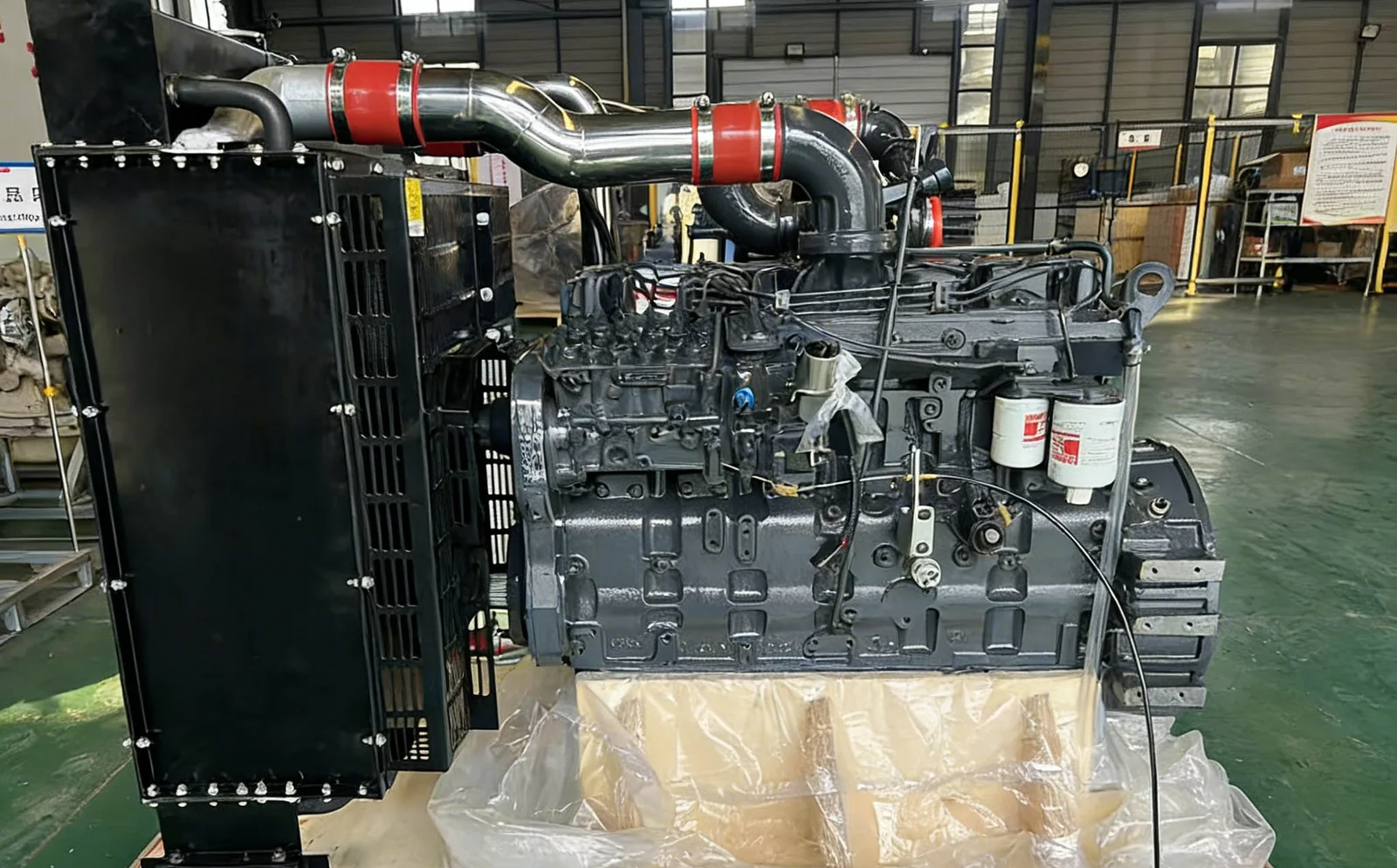
Diesel engines serve as the backbone of global industry and heavy transportation. These machines use high compression to ignite fuel without a spark. Understanding the various types of diesel engines is crucial for operational efficiency. Choosing the right engine impacts performance, fuel costs, and maintenance schedules.
Engineers categorize these power units based on their mechanical cycles. The two primary categories are two-stroke and four-stroke diesel engines. Each design offers specific advantages for different operating environments. From massive cargo ships to portable generators, these engines provide reliable power.
Technological advancements have significantly improved modern diesel engine designs. Higher fuel injection pressures and turbocharging have become standard features. These improvements allow for cleaner combustion and higher torque. This guide explores the technical differences between the most common types of diesel engines.
Understanding the Main Types of Diesel Engines
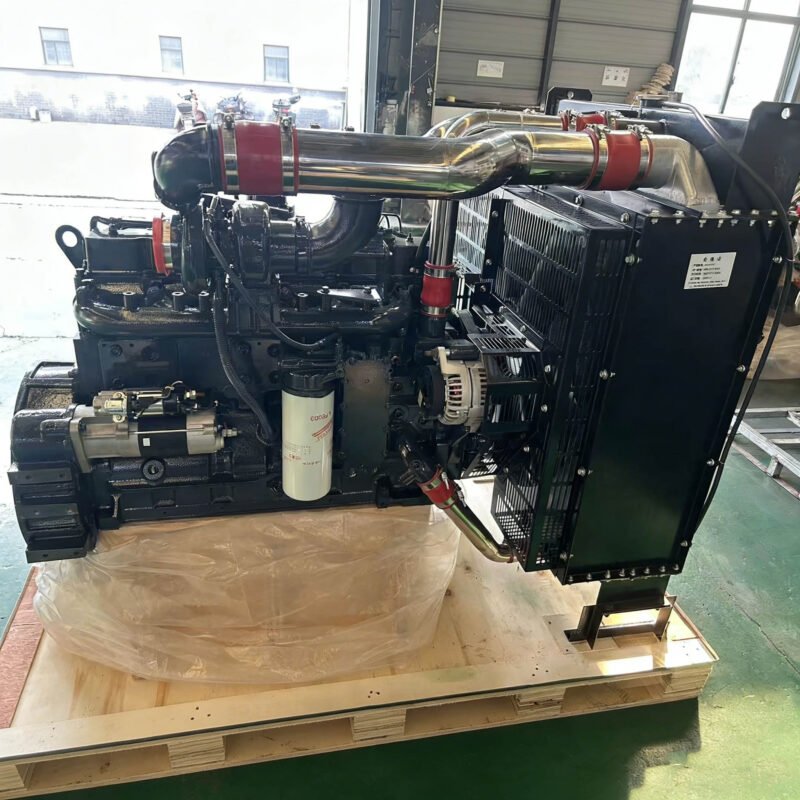
The most common way to classify these engines is by their operating cycle. A “stroke” is the distance a piston travels within the cylinder. Four-stroke engines are the most prevalent in the automotive and construction sectors. They complete a full power cycle every four movements of the piston.
Two-stroke diesel engines operate differently by completing a cycle in two movements. These engines are known for their high power-to-weight ratios. You will typically find them in massive marine applications or heavy industrial equipment. They provide a consistent flow of power because they fire every revolution.
Mechanical layout also differentiates various types of diesel engines. In-line engines feature cylinders arranged in a single row for simplicity. V-type engines use two rows of cylinders to save space in tight compartments. Both configurations are used extensively in heavy-duty machinery and power generation.
Technical Differences: 2-Stroke vs 4-Stroke Systems
The mechanical complexity of a four-stroke engine involves specific valves for air and exhaust. During the intake stroke, air enters as the piston moves downward. The compression stroke then squeezes this air to generate intense heat. Fuel is injected at the peak, causing a powerful combustion.
Two-stroke engines simplify this process by using ports in the cylinder walls. As the piston moves, it uncovers these ports to allow air in and exhaust out. This eliminates the need for complex camshafts and valve trains in many designs. Two-stroke engines often produce more power for their physical size.
Thermal efficiency remains a key comparison point for all types of diesel engines. Four-stroke models are generally more efficient at varying speeds and loads. Large two-stroke engines can achieve over 50% thermal efficiency in steady-state marine use. The following table highlights the technical specifications of these two systems.
| Specification | 4-Stroke Diesel Engine | 2-Stroke Diesel Engine |
| Power Strokes | One per two revolutions | One per one revolution |
| Lubrication | Separate oil sump | Often requires specialized systems |
| Efficiency | High at variable loads | High at constant low speeds |
| Design Complexity | Higher (Valves/Cams) | Lower (Ports/Scavenging) |
| Common Use | Trucks, Construction, Gensets | Large Ships, Heavy Rail |
What Are the Most Common Types of Diesel Engines?
In the current market, the 4-stroke in-line engine is the industry standard. These types of diesel engines are favored for their durability and balance. A six-cylinder in-line configuration provides smooth operation with minimal vibration. This makes them ideal for sensitive industrial equipment and long-haul trucks.
Turbocharging has become a defining feature of modern high-performance diesel engines. A turbocharger uses exhaust gases to force more air into the cylinders. This process significantly increases the engine’s power without increasing its size. Turbocharged engines offer better fuel economy and reduced emissions.
Cooling systems also define different types of diesel engines. Air-cooled engines are simpler and used for smaller, portable applications. Liquid-cooled engines are standard for heavy machinery and continuous power generation. They use a radiator and coolant to maintain stable operating temperatures.
Selecting the Right Diesel Engine for Your Needs
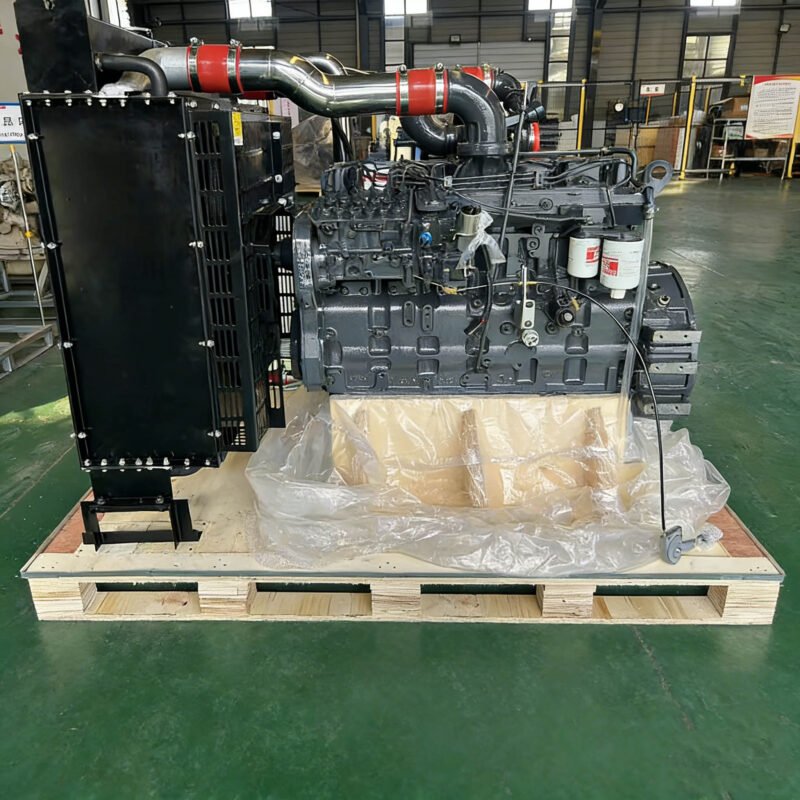
Choosing between various types of diesel engines requires evaluating your specific application. For construction and industrial tasks, reliability and parts availability are top priorities. You should look for engines that utilize a proven mechanical design. These systems are easier to maintain in remote or harsh environments.
Fuel system technology is another critical factor in your decision process. Mechanical fuel pumps are often preferred for their simplicity and robustness. Electronic fuel systems offer better precision but require specialized diagnostic tools. Matching the fuel system to your maintenance capabilities is essential for uptime.
The Cummins 6CTAA8.3 is a leading example of a versatile 4-stroke industrial engine. It features a displacement of 8.3 liters and a six-cylinder in-line layout. This engine uses a turbocharger and an aftercooler to optimize combustion efficiency. The 6CTAA8.3 is widely trusted for its high torque and simple mechanical fuel system.
Summary
The two fundamental types of diesel engines are 2-stroke and 4-stroke configurations. Four-stroke engines are the standard for most land-based industrial and automotive uses. Two-stroke engines excel in massive maritime and heavy-duty steady-state applications. Understanding these differences allows you to choose the most efficient power source for your equipment.
FAQ
Q1: Which type of diesel engine is more fuel-efficient?
Four-stroke diesel engines are generally more fuel-efficient for most applications. They allow for a more precise separation of the intake and exhaust cycles. This reduces the amount of unburned fuel that escapes the combustion chamber.
Q2: Why are 2-stroke diesel engines used in large ships?
Two-stroke engines generate massive amounts of torque at very low RPM levels. This makes them perfectly suited for driving large ship propellers directly. Their simpler mechanical design also allows them to be built to an enormous scale.
Q3: What are the main benefits of 4-stroke diesel engines?
Four-stroke engines offer superior durability and much lower exhaust emissions. They are quieter during operation and have better lubrication because of a dedicated oil sump. Most commercial vehicles rely on this design for its long-term reliability.
Q4: How does a turbocharger affect different types of diesel engines?
A turbocharger significantly increases the power output by forcing more oxygen into the cylinders. This allows the engine to burn more fuel efficiently during each power stroke. It improves the power-to-weight ratio of both 2-stroke and 4-stroke models.
Q5: Which types of diesel engines are easiest to maintain?
In-line 4-stroke engines with mechanical fuel systems are typically the easiest to maintain. Their open design provides easy access to the cylinder head and injection system. They do not require the complex electronic software often found in newer passenger car engines.
Reference Sources
Cummins Inc. – Industrial Engine Technologies and Specs
https://www.cummins.com/
SAE International – Professional Engineering Standards
https://www.sae.org/
U.S. Energy Information Administration – Diesel Explained
https://www.eia.gov/
International Maritime Organization – Marine Engine Regulations
https://www.imo.org/

