
What Is a Marine Diesel Engine? A Complete Guide

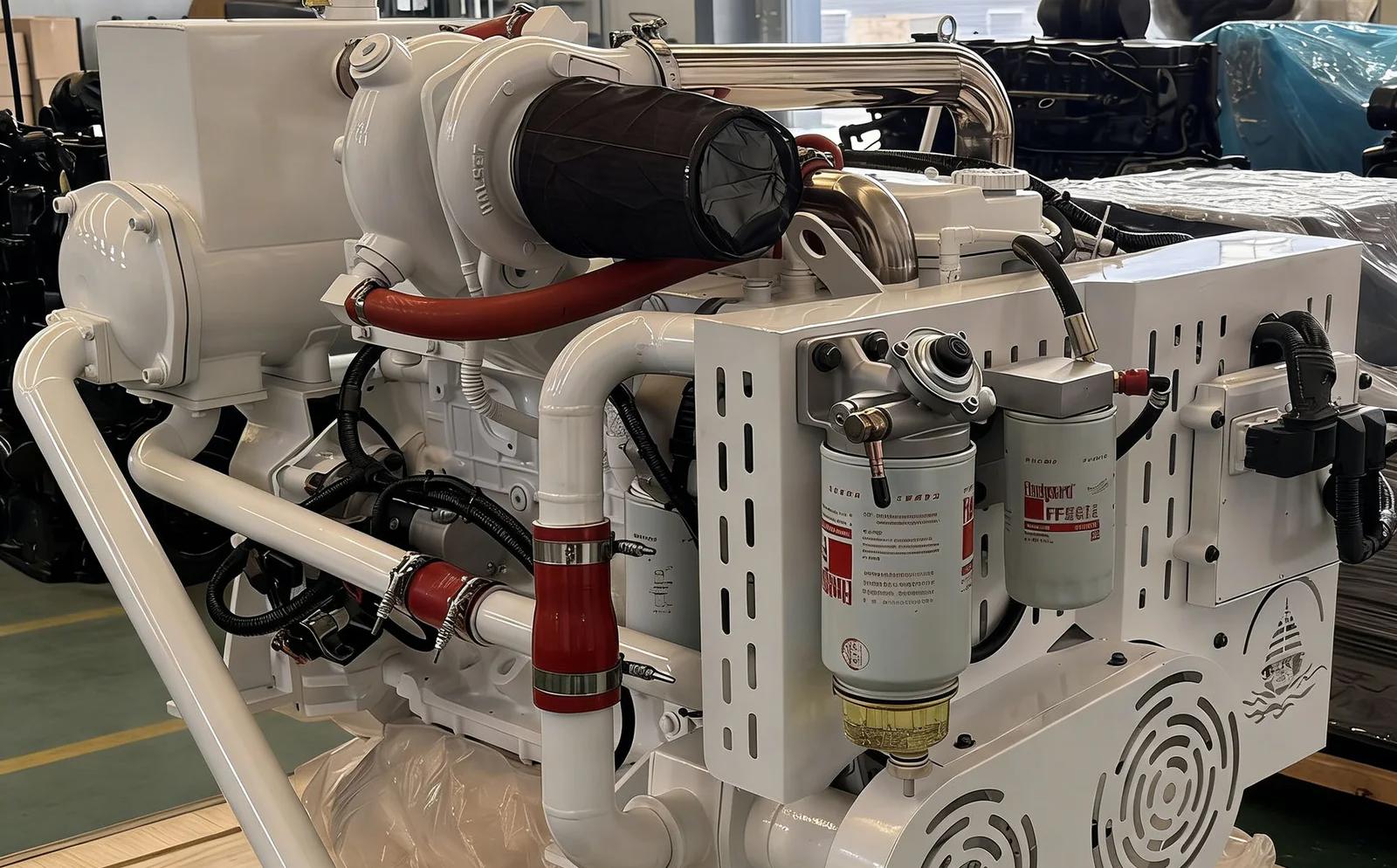
A marine diesel engine is a specialized internal combustion engine. It provides the necessary mechanical power to move a vessel across water. These engines convert the chemical energy of diesel fuel into thermal energy through combustion. This energy then turns a crankshaft to drive a propeller or a generator.
When boat owners look for a marine diesel engine for sale, they often seek reliability and efficiency. Marine environments are harsh due to moisture, salt, and constant load. Unlike automotive engines, marine versions must operate at high power for long periods. They are built with robust materials to withstand significant thermal and mechanical stress.
Understanding these machines is essential for any maritime professional or enthusiast. This guide covers the mechanics, components, and selection criteria for modern marine power plants. We will explore how these engines maintain performance in demanding sea conditions.
How a Marine Diesel Engine Works
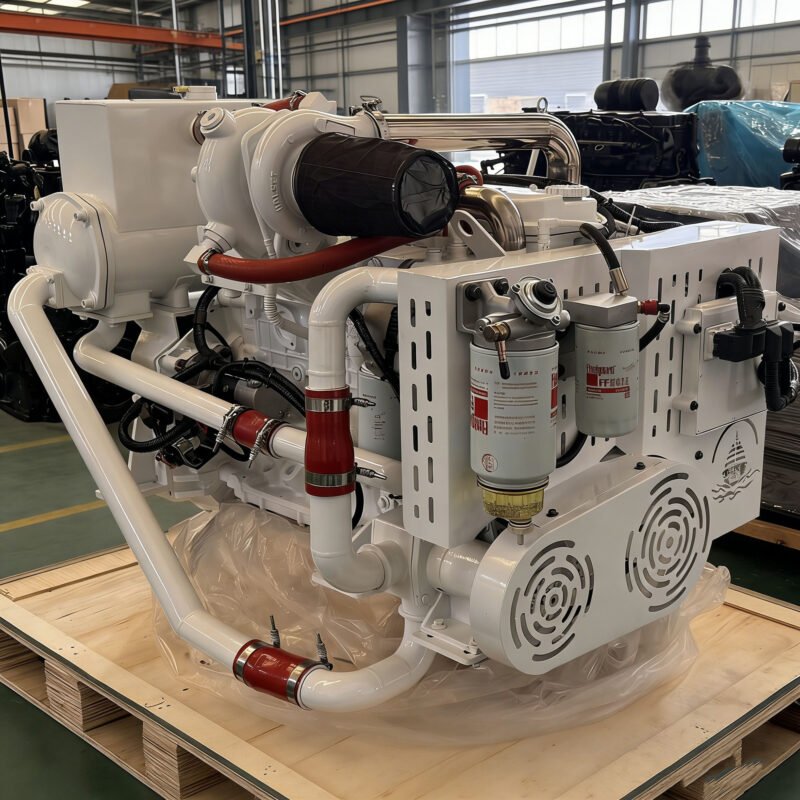
The core principle of a marine diesel engine is compression ignition. Air is drawn into the cylinder and compressed by a piston. This compression raises the air temperature to a point where fuel ignites spontaneously. Diesel engines do not require spark plugs like gasoline engines.
Most modern vessels utilize four-stroke cycles to maximize fuel economy. These cycles include the intake, compression, power, and exhaust strokes. During the power stroke, the expanding gases push the piston down with immense force. This linear movement is converted into rotational motion by the connecting rod.
Marine engines often feature turbochargers to increase power output without adding excessive weight. A turbocharger forces more air into the combustion chamber. More air allows the engine to burn more fuel efficiently. This process is vital for heavy-duty propulsion in commercial and recreational ships.
Key Technical Specifications and Components
Specific components define the performance of a high-quality marine engine. For example, many reliable models utilize an in-line 6-cylinder configuration for balanced operation. A displacement of 8.9 liters is common for medium-sized commercial vessels. This size provides a balance between physical footprint and torque delivery.
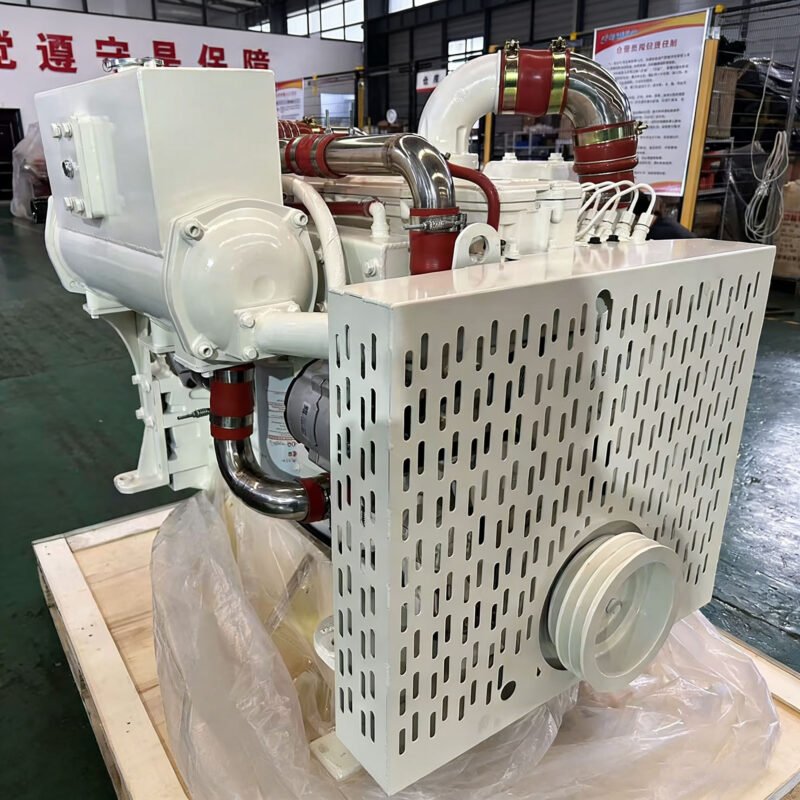
Engine dimensions such as a 114 mm bore and 145 mm stroke are industry standards for durability. The bore represents the diameter of each cylinder. The stroke indicates the distance the piston travels within that cylinder. These measurements dictate the engine’s displacement and its overall power potential.
Cooling systems are also critical in marine applications. Most engines use a heat exchanger system. Raw seawater cools an internal circuit of fresh water or coolant. This prevents salt deposits from clogging the internal engine galleries. Proper cooling ensures the engine maintains a stable operating temperature under load.
Technical Specification Comparison
| Feature | Small Marine Engine | Medium Marine Engine (e.g., 6LTAA8.9) | Large Ship Engine |
| Cylinder Count | 3 – 4 Cylinders | 6 Cylinders (In-line) | 8 – 14 Cylinders |
| Displacement | 2.0 – 4.5 Liters | 8.9 Liters | 50+ Liters |
| Cooling Method | Raw Water / Keel | Heat Exchanger | Central Cooling System |
| Common Use | Small Yachts | Tugs / Fishing Boats | Container Ships |
Why Reliability Matters When Choosing a Marine Diesel Engine for Sale
Purchasing a marine diesel engine for sale is a significant long-term investment. Reliability is the most important factor for any offshore operation. A mechanical failure at sea can lead to dangerous situations or costly towing fees. High-quality engines use cast-iron blocks and replaceable cylinder liners.
Fuel efficiency is another primary concern for vessel operators. Marine diesel engines typically consume less fuel than gasoline equivalents per unit of work. This efficiency reduces operating costs and extends the cruising range of the vessel. Modern electronic governors precisely control fuel injection for optimal combustion.
Weight-to-power ratios also play a role in vessel design. An engine must be powerful enough to overcome hull resistance. However, it should not be so heavy that it affects the boat’s stability or draft. Engines like the 6LTAA8.9 offer a high power density suitable for various hulls.
Evaluating the Right Engine for Your Vessel
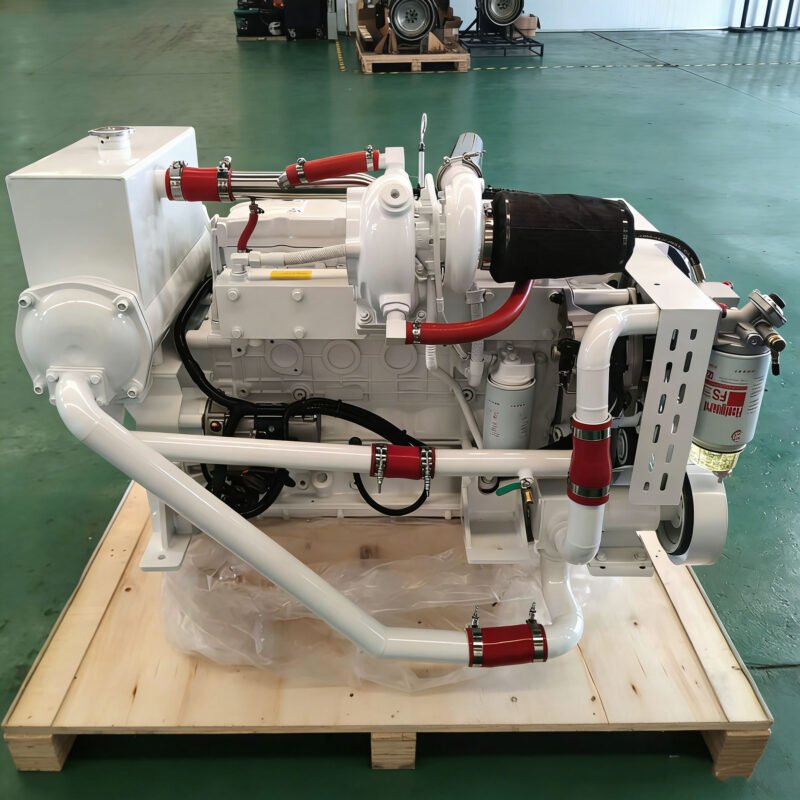
Selecting the correct propulsion system requires a deep understanding of your vessel’s requirements. You must consider the intended use, such as continuous commercial work or intermittent cruising. The engine’s rated power and torque curve should match the propeller’s characteristics. An undersized engine will struggle and wear out prematurely.
An oversized engine might lead to “light loading” issues. This happens when the engine does not reach its optimal operating temperature. It can cause carbon buildup and reduced service life. You should evaluate the specific displacement and cylinder configuration to ensure a perfect fit. The 6LTAA8.9 model is often favored for its versatility in mid-range applications.
Ease of maintenance is the final pillar of a good selection. Look for engines with accessible filters and service points. Availability of spare parts is also a critical factor for long-term ownership. A well-maintained diesel engine can last for over 10,000 operating hours before requiring a major overhaul.
Summary
A marine diesel engine is the heart of a vessel, providing the power needed for propulsion and safety. These engines rely on compression ignition and robust cooling systems to survive at sea. When searching for a marine diesel engine for sale, prioritize displacement, cylinder design, and fuel efficiency to ensure long-term performance.
FAQ
Q:What is the average lifespan of a marine diesel engine?
A well-maintained marine diesel engine typically lasts between 8,000 and 12,000 hours. Factors like load levels, fuel quality, and regular oil changes directly impact this duration. Engines in commercial use often reach higher hour counts due to consistent operating temperatures.
Q:Why are diesel engines preferred over gasoline engines for boats?
Diesel engines are preferred because they are more fuel-efficient and safer than gasoline engines. Diesel fuel is less volatile and has a higher flash point, reducing fire risks. Additionally, diesel engines provide the high torque required to move heavy hulls through water.
Q:What maintenance does a marine diesel engine require?
Regular maintenance includes changing oil, replacing fuel filters, and checking the cooling system. You must also inspect the zinc anodes frequently to prevent galvanic corrosion. Monitoring the exhaust color can help identify combustion issues before they become serious.
Q:Can I use a truck diesel engine in a boat?
You cannot use a standard truck engine without significant “marinization.” A marine engine requires specialized cooling systems, water-jacketed exhaust manifolds, and corrosion-resistant components. Using a non-marine engine leads to overheating and rapid failure in a salt-water environment.
Reference Sources
International Maritime Organization (IMO) – MARPOL Regulations
https://www.imo.org/
Cummins Inc. – Marine Propulsion Engines
https://www.cummins.com/
American Boat and Yacht Council (ABYC) – Standards and Technical Reports
https://abycinc.org/
Society of Naval Architects and Marine Engineers (SNAME)
https://www.sname.org/

