
High-Performance 6 Cylinder Automotive Diesel Engine Guide

Selecting the right automotive diesel engine is a critical decision for fleet managers and industrial operators. For professional applications, the 6 cylinder diesel engine offers the optimal balance of power, durability, and fuel efficiency. This guide helps you identify high-performance units that minimize downtime and maximize operational output. A quality engine must deliver high torque at low speeds to handle demanding workloads effectively. Modern standards require integration of electronic controls and advanced fuel systems to meet both performance and environmental goals. By focusing on proven engineering designs, professionals can ensure long-term reliability for their commercial vehicles and machinery.
Why Professionals Choose a 6 Cylinder Diesel Engine
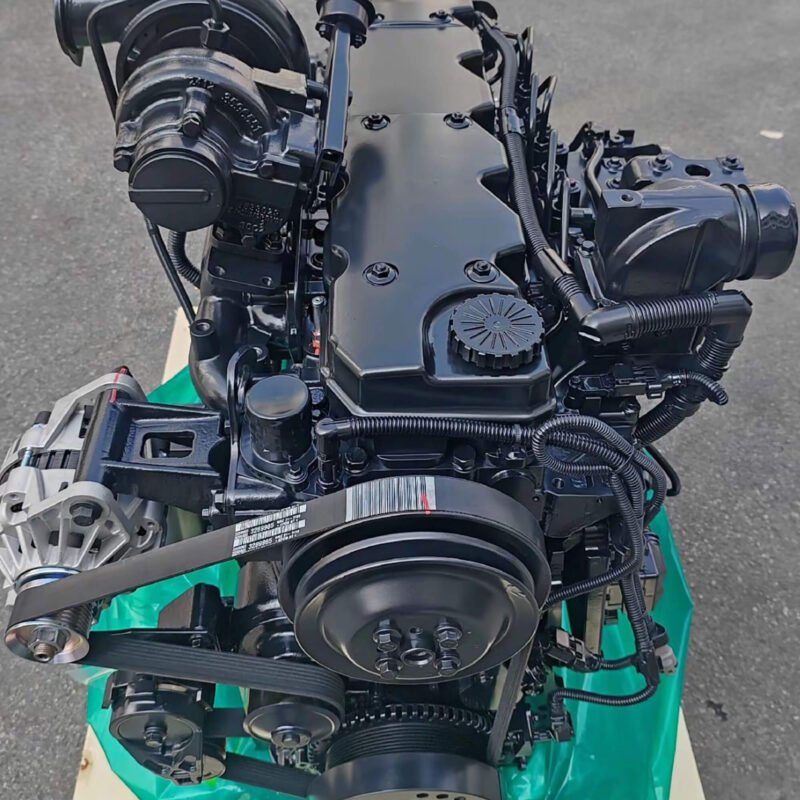
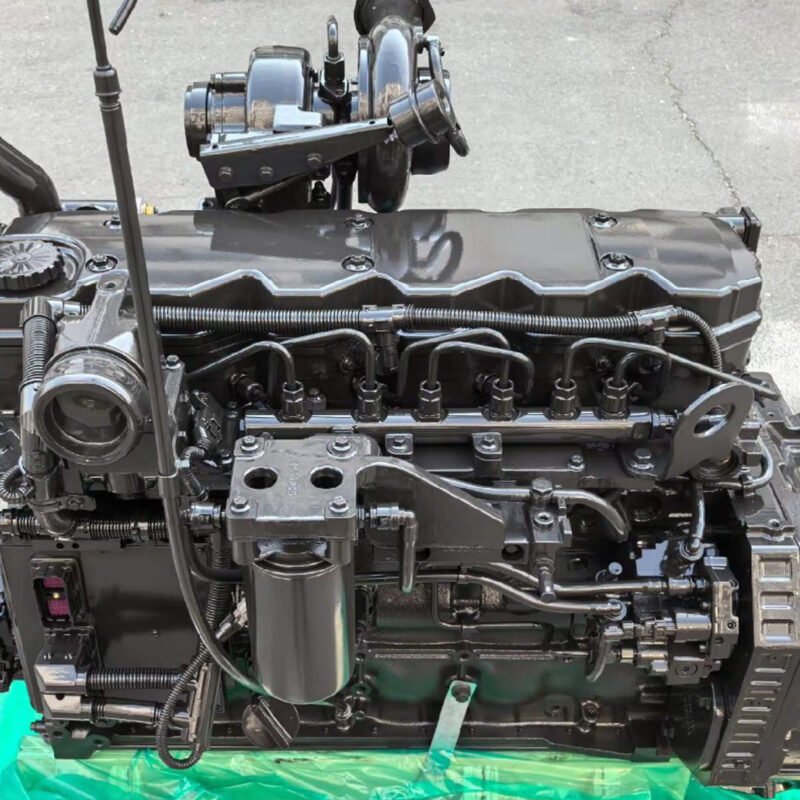
The 6 cylinder diesel engine is the industry standard for medium to heavy-duty commercial applications. This configuration provides superior natural balance compared to four-cylinder alternatives. The inherent design reduces internal vibrations, which extends the lifespan of engine components. Professionals value the smooth power delivery that a 6-cylinder setup provides during heavy acceleration.
These engines typically offer displacements between 5.9 and 6.7 liters for mid-range commercial use. For example, a 6.7-liter displacement is widely considered the “sweet spot” for balancing weight and power. This size allows for robust torque production without excessive fuel consumption. Data shows that in-line 6-cylinder designs have 25% fewer moving parts than V8 engines. Fewer parts directly lead to lower maintenance costs and higher mechanical reliability.
Torque is the primary metric for professional users. A high-quality automotive diesel engine should produce peak torque as low as 1,500 RPM. This allows the vehicle to move heavy loads with minimal strain on the transmission. Modern 6-cylinder units often reach torque outputs exceeding 800 Nm. This performance ensures consistent operation across varied terrains and load conditions.
Evaluating Automotive Diesel Engine Manufacturers
Choosing the right automotive diesel engine manufacturers requires a strict assessment of their engineering standards. Top-tier manufacturers prioritize the integration of High Pressure Common Rail (HPCR) fuel systems. This technology allows for multiple injection events per combustion cycle. It results in a quieter engine and significantly better fuel atomization.
Reliable manufacturers utilize electronic control modules (ECM) to monitor engine health in real-time. These systems protect the engine from damage caused by overheating or low oil pressure. When evaluating automotive diesel engine manufacturers, verify their compliance with international emission standards. Professional-grade engines should meet at least Tier 3 or Stage IIIA requirements.
Manufacturing consistency is another vital factor for B2B buyers. Leading brands invest heavily in precision casting for engine blocks and cylinder heads. A high-strength cast-iron block is essential for handling the high cylinder pressures of turbocharged diesel cycles. Professionals should look for manufacturers who offer comprehensive technical support and documented testing procedures.
Advantages of a China Cylinder Diesel Engine Wholesaler
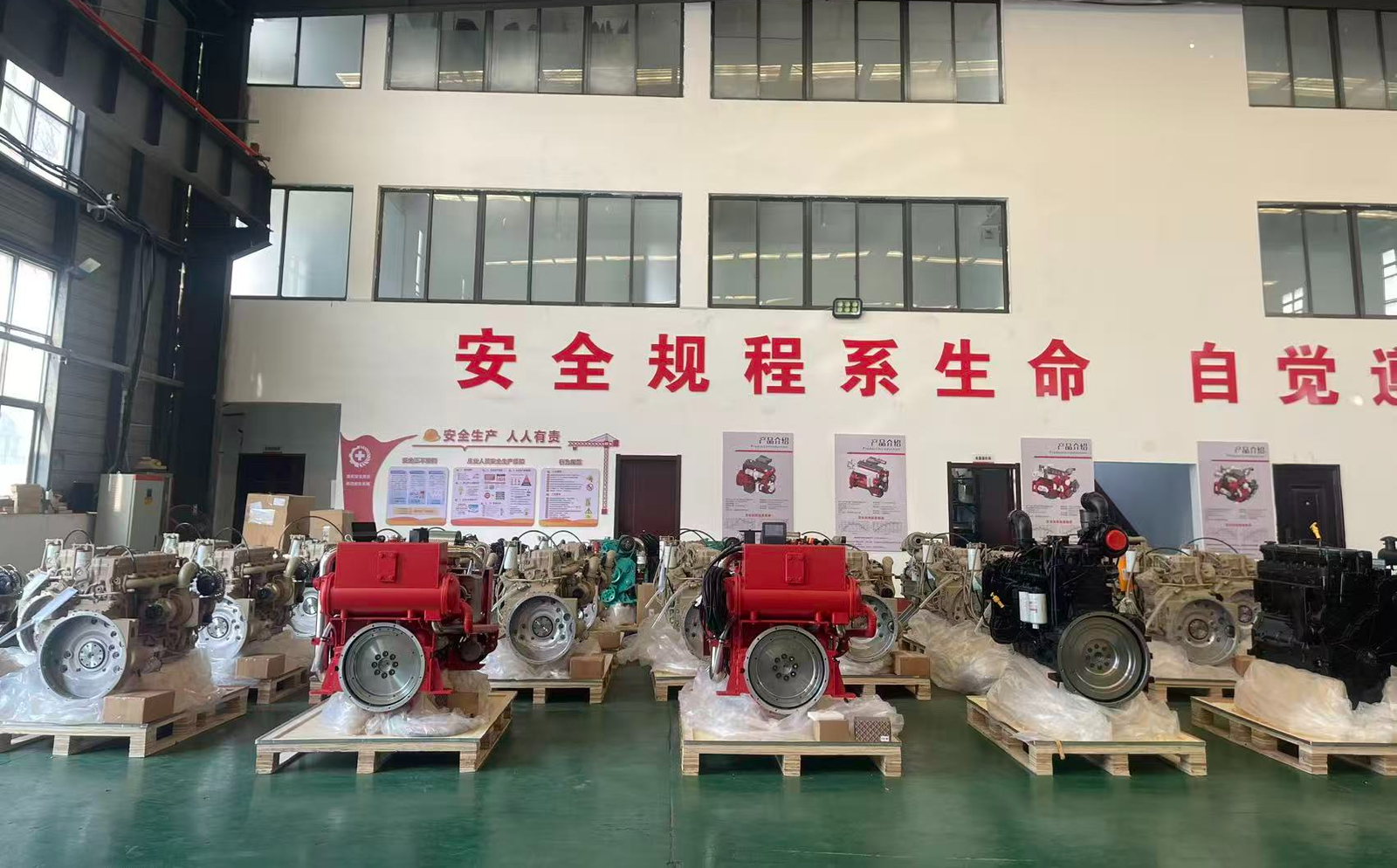
Sourcing from a china cylinder diesel engine wholesaler provides a strategic advantage in terms of cost-efficiency. These wholesalers often provide access to engines built on globally recognized platforms. You can obtain high-specification engines that share parts with major international brands. This compatibility simplifies maintenance and reduces the cost of replacement components.
A reputable china cylinder diesel engine wholesaler maintains large inventories of popular configurations. This ensures faster lead times for urgent fleet replacements or new equipment builds. Many professional users find that these engines offer a 30% to 40% cost saving compared to Western-branded units. The price gap allows for better budget allocation toward other operational needs.
Quality assurance has improved significantly among leading Chinese suppliers. Many wholesalers now provide engines that undergo rigorous dynamometer testing before shipment. This ensures that every 6 cylinder diesel engine meets its rated horsepower and torque benchmarks. Working with a wholesaler also allows for bulk purchasing options, which further lowers the unit cost for large-scale operations.
Technical Benchmarks for Diesel Performance and Longevity
The performance of an automotive diesel engine depends heavily on its cooling and aspiration systems. Turbocharging is mandatory for achieving professional power density requirements. A wastegated turbocharger improves response times and provides consistent boost across the power band. Charge air cooling (aftercooling) is equally important to maintain low intake temperatures.
Effective cooling systems increase air density, which allows for more efficient combustion. This directly impacts the thermal efficiency of the engine. Most professional-grade diesel engines achieve a thermal efficiency rating of approximately 40% to 45%. Higher efficiency means more energy from the fuel is converted into mechanical work.
Component durability is non-negotiable for professional users. Features like piston cooling nozzles and replaceable cylinder liners are indicators of a high-quality build. These features prevent localized overheating and allow for easier engine overhauls in the future. A well-maintained 6 cylinder diesel engine should reach a service life of over 500,000 kilometers in typical commercial use.
How to Select Your Next 6 Cylinder Engine
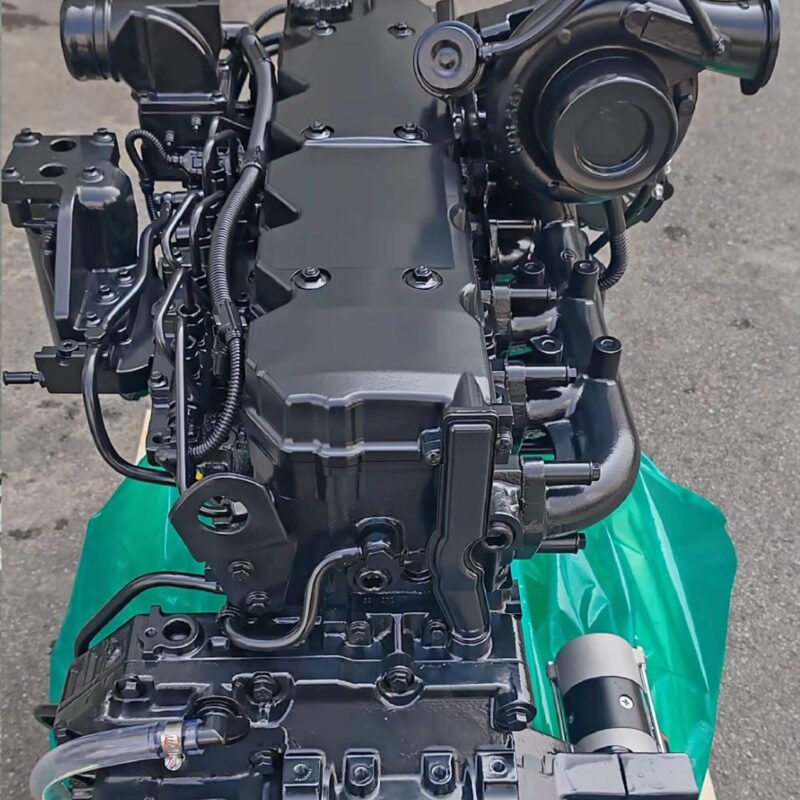
Choosing a replacement engine requires a clear understanding of your power requirements and mounting constraints. The QSB6.7 series is a prime example of a versatile 6-cylinder platform used globally. It features a fully electronic system that optimizes performance based on load and altitude. This adaptability is crucial for equipment operating in diverse environmental conditions.
When reviewing specifications, prioritize engines that offer a high “torque rise” percentage. This ensures the engine does not stall when encountering sudden load increases. It is also important to confirm that the automotive diesel engine fits the existing cooling package of your vehicle. A direct-fit solution reduces installation labor and specialized fabrication costs.
Consider the availability of diagnostic tools for the engine’s electronic system. Professional users need to retrieve fault codes quickly to minimize vehicle downtime. Engines utilizing standardized communication protocols, like J1939, allow for easier integration with existing fleet management software. This connectivity is essential for modern data-driven maintenance strategies.
Summary
The best automotive diesel engine for professional use is a 6-cylinder model that balances high torque with modern electronic controls. By sourcing from a reliable china cylinder diesel engine wholesaler, you gain access to cost-effective, high-performance power solutions. Always prioritize HPCR fuel systems and robust block designs to ensure long-term operational success.
FAQ
Q:What are the main benefits of a 6 cylinder diesel engine?
A 6-cylinder engine provides superior balance and smoother power delivery than 4-cylinder models. This configuration reduces vibration and extends the overall mechanical life of the vehicle.
Q:Why is an HPCR fuel system important for professional engines?
HPCR systems allow for precise control of fuel injection timing and pressure. This results in better fuel economy, lower noise levels, and reduced exhaust emissions.
Q:How does a China cylinder diesel engine wholesaler reduce costs?
Wholesalers offer competitive pricing through large-scale manufacturing and lower overhead costs. They often provide engines that are parts-compatible with major global brands, lowering maintenance expenses.
Reference Sources
Cummins Inc. – QSB6.7 Engine Technical Specifications
https://www.cummins.com/
SAE International – Standards for Diesel Engine Performance
https://www.sae.org/
Association of Equipment Manufacturers (AEM) – Industrial Engine Trends
https://www.aem.org/

