
Diesel vs Gasoline Engines: Which Is Better?

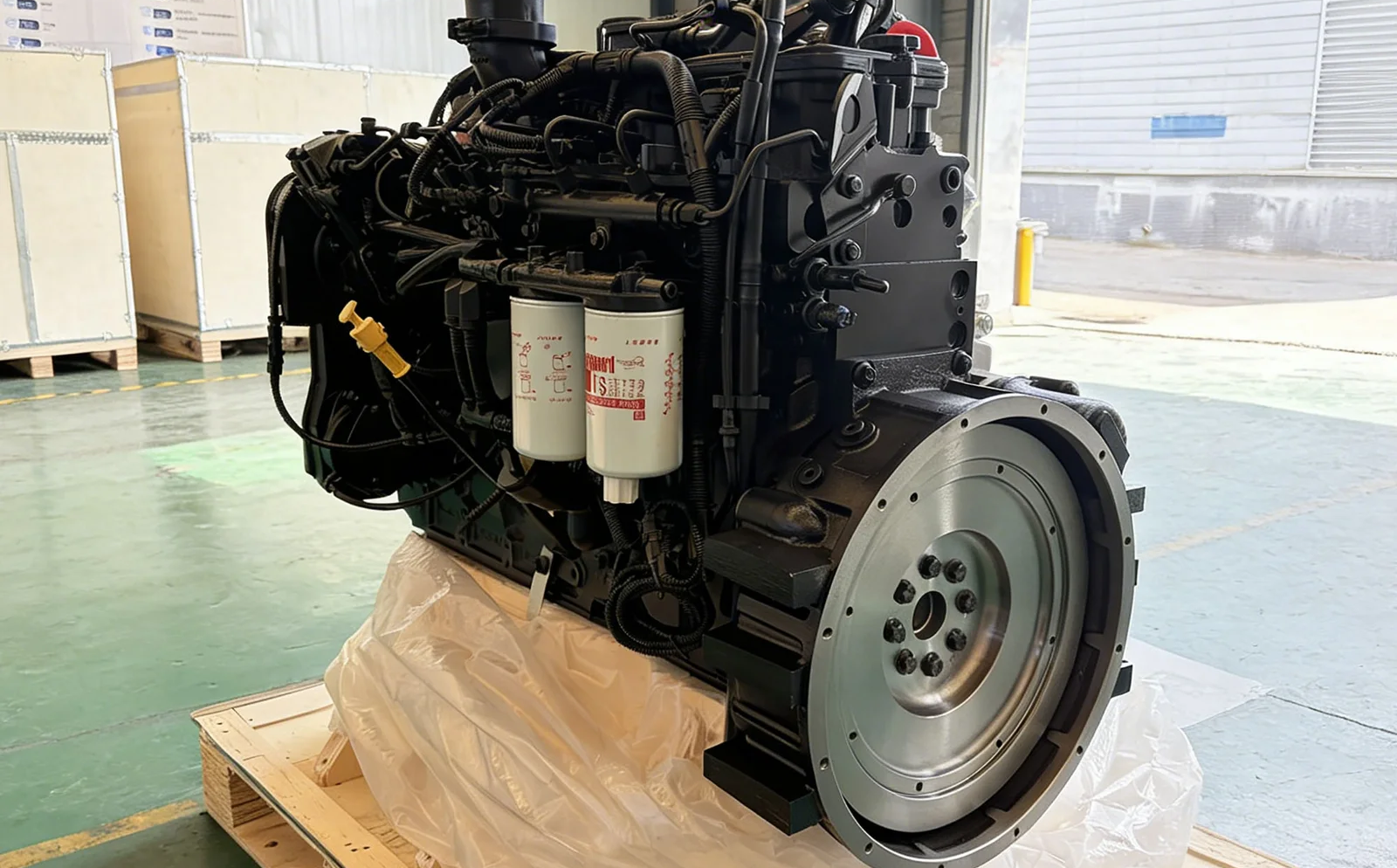
Choosing between a diesel and a gasoline engine is a major decision. Both technologies have evolved significantly over the last century. Most buyers focus on fuel costs or initial purchase prices. However, the choice involves deeper mechanical differences and long-term operational needs.Engine selection affects fuel economy, towing capacity, and maintenance schedules. Gasoline engines are common in light vehicles and passenger cars. Diesel engines typically dominate the heavy-duty and industrial sectors. Understanding the diesel vs gasoline engine pros and cons helps you make an informed investment.
The fundamental difference lies in the ignition process. Gasoline engines use spark plugs to ignite a fuel-air mixture. Diesel engines rely on compression ignition. Air is compressed until it reaches a high temperature. Then, fuel is injected and ignites spontaneously.
How Do Diesel and Gasoline Engines Differ in Performance?
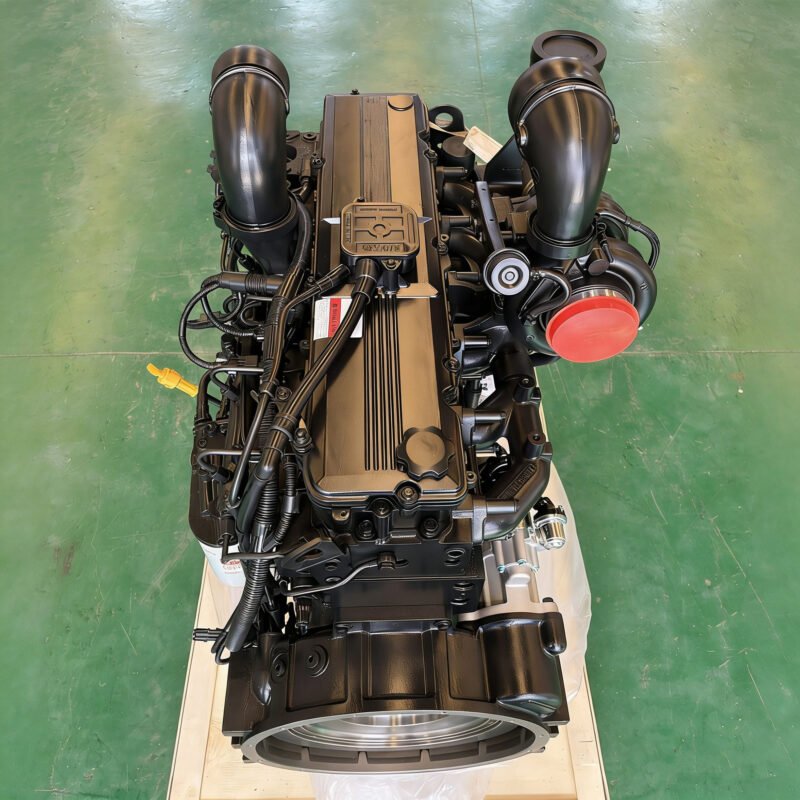
The mechanical design of an engine dictates its power delivery. Gasoline engines are generally lighter and capable of higher speeds. They provide quick acceleration and a smoother driving experience. This makes them ideal for daily commuting and high-performance sports cars.
Diesel engines are built with heavier components to withstand high compression. This robust construction leads to a longer operational lifespan. Diesel engines often last 350,000 to 500,000 miles with proper care. In contrast, gasoline engines typically require major overhauls around 200,000 miles.
Thermal efficiency is another critical performance metric. Diesel engines convert about 45% of fuel energy into power. Gasoline engines usually hover between 30% and 35% efficiency. This higher efficiency translates directly into better fuel economy for diesel users.
| Feature | Gasoline Engine | Diesel Engine |
| Ignition Type | Spark Ignition | Compression Ignition |
| Typical Lifespan | 150,000 – 200,000 miles | 350,000 – 500,000+ miles |
| Thermal Efficiency | 30% – 35% | 40% – 45% |
| Torque Output | Lower | Higher |
| Fuel Economy | Standard | 20% – 35% Better |
Analyzing Diesel vs Gasoline Engine Pros and Cons
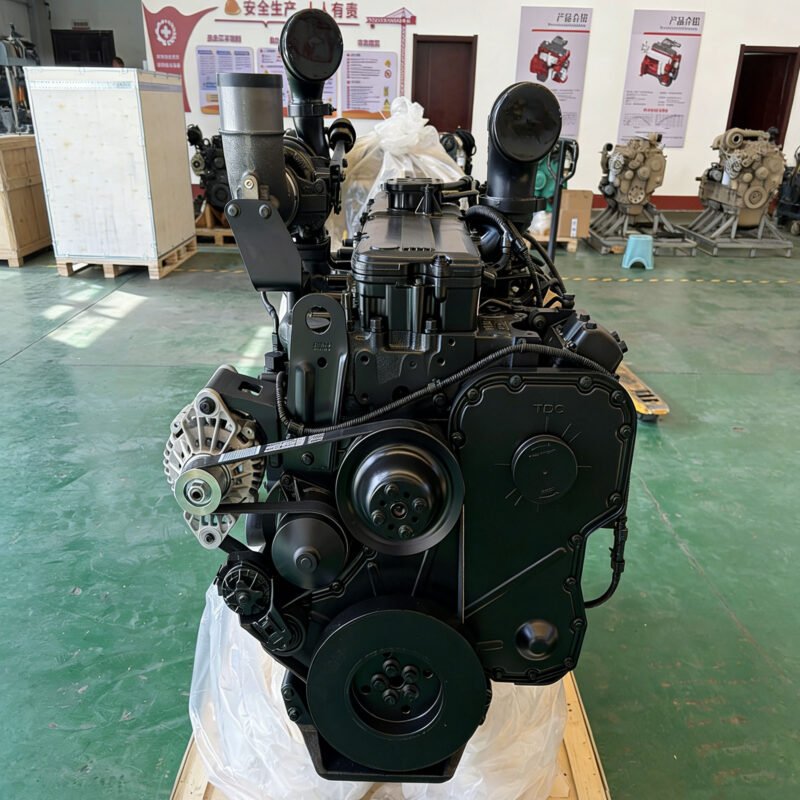
When evaluating diesel vs gasoline engine pros and cons, torque is a primary factor. Diesel engines produce massive amounts of torque at low engine speeds. This makes them superior for towing heavy loads or climbing steep grades. Torque is the force that gets a heavy vehicle moving from a stop.
Gasoline engines offer higher horsepower relative to their weight. They are quieter and produce less vibration during operation. Most modern gas engines are also cheaper to maintain for short-term owners. Parts are widely available and service labor is often less specialized.
However, fuel consumption favors the diesel side of the scale. Diesel fuel contains about 10% to 15% more energy by volume than gasoline. This allows diesel vehicles to travel significantly further on a single tank. For long-distance transport or industrial work, these savings accumulate quickly over time.
Maintenance requirements differ greatly between the two types. Gasoline engines need regular spark plug and ignition system checks. Diesel engines do not have spark plugs but require strict fuel filter management. Contaminated fuel can damage high-pressure injection systems very quickly.
Total Cost of Ownership and Environmental Impact
The initial cost of a diesel engine is usually higher. This is due to the reinforced materials and complex turbocharging systems. Buyers often pay a premium of $2,000 to $10,000 depending on the vehicle size. You must calculate if your annual mileage justifies this upfront cost.
Insurance and repair costs can also be higher for diesel units. Specialized technicians are required for modern emission control systems. These systems include Diesel Particulate Filters (DPF) and Selective Catalytic Reduction (SCR). These components are essential for meeting modern environmental standards.
Gasoline engines have traditionally been seen as cleaner regarding local air quality. They emit fewer nitrogen oxides (NOx) and particulate matter. Modern diesel technology has closed this gap significantly. New diesel engines utilize advanced filtration to trap nearly all soot particles.
Carbon dioxide (CO2) emissions are generally lower in diesel engines. This is a direct result of their superior fuel efficiency. If reducing your carbon footprint per mile is a priority, diesel remains a strong contender. However, the production of diesel fuel is sometimes more energy-intensive.
Choosing the Right Power Solution for Heavy-Duty Tasks
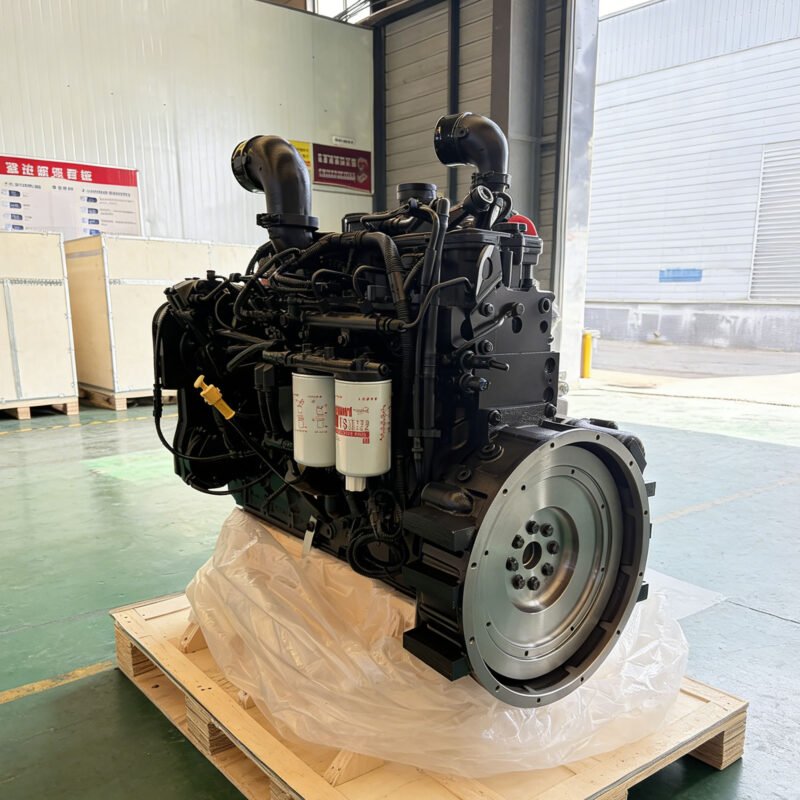
Determining the best engine requires looking at your specific duty cycle. If you operate in construction or heavy industry, reliability is the top priority. You need an engine that handles constant loads without overheating or losing power. This is where high-displacement diesel units prove their worth.
The QSL8.9 diesel engine serves as an excellent example of industrial-grade engineering. It utilizes a high-pressure common rail (HPCR) fuel system. This technology allows for multiple injection events per cycle. The result is a much quieter engine with improved combustion efficiency.
Choosing a platform like the QSL8.9 diesel engine ensures high torque at low RPMs. This is vital for heavy machinery that must operate in rugged environments. It also features a heavy-duty design that minimizes downtime. Proper selection depends on balancing power needs with long-term fuel savings.
Summary
The choice between engine types depends on your specific usage patterns. Gasoline engines excel in light-duty, high-speed, and low-initial-cost scenarios. Diesel engines provide unmatched torque, fuel efficiency, and durability for heavy-duty applications. Always weigh the higher purchase price against the long-term benefits of lower fuel consumption and engine longevity.
FAQ
Q:Which engine lasts longer, diesel or gasoline?
Diesel engines typically last significantly longer than gasoline engines. They are built with stronger components to handle higher compression ratios. Most diesel engines can exceed 350,000 miles before needing a major rebuild.
Q:Why are diesel engines more fuel-efficient?
Diesel fuel has a higher energy density than gasoline. Additionally, the compression-ignition process is more efficient at converting fuel into work. This results in 20% to 35% better fuel economy in most applications.
Q:Is maintenance more expensive for diesel engines?
Yes, routine maintenance for diesel engines often costs more. They require more oil and specialized filters. However, they lack spark plugs and often have longer service intervals for major components.
Q:Do diesel engines perform better in cold weather?
Historically, diesel engines struggled in extreme cold due to fuel gelling. Modern engines use fuel heaters and advanced additives to solve this. Gasoline engines generally start more easily in sub-zero temperatures without extra equipment.
Reference Sources
U.S. Department of Energy
https://www.energy.gov/
Environmental Protection Agency (EPA)
https://www.epa.gov/
SAE International
https://www.sae.org/
U.S. Energy Information Administration (EIA)
https://www.eia.gov/
American Petroleum Institute
https://www.api.org/

