
Diesel Engine Spare Parts Guide: Maximizing Engine ROI

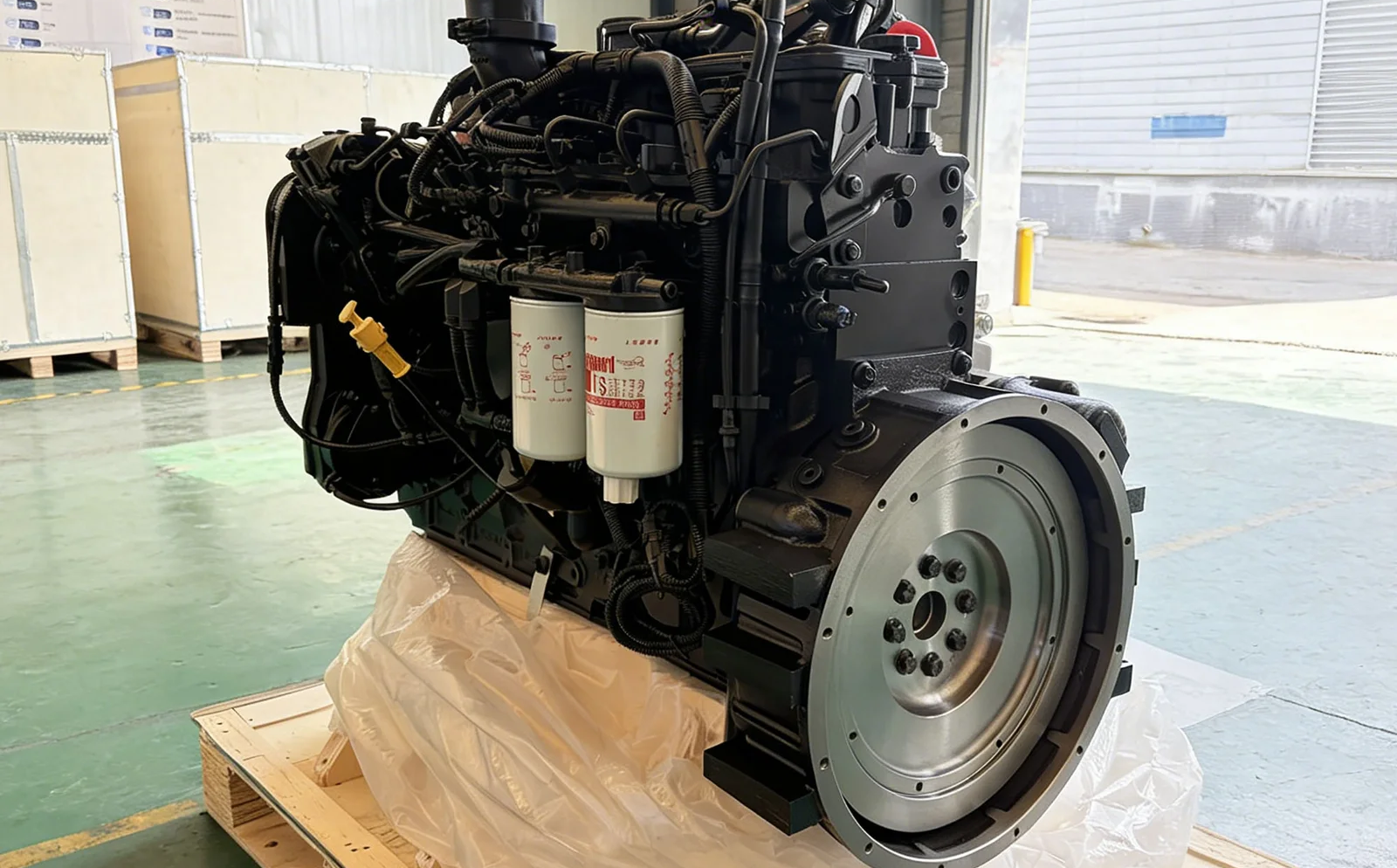
The reliability of a heavy-duty diesel engine is not a result of luck; it is a direct consequence of the metallurgical integrity and dimensional precision of its internal components. In industrial power generation, marine propulsion, and heavy construction, the cost of a part failure far exceeds the price of the part itself. A single compromised fuel injector or a fractured piston ring can lead to catastrophic engine seizure, resulting in thousands of dollars in lost productivity.
Navigating the global market for diesel engine spare parts requires more than just a part number. It demands an understanding of how different components interact under extreme thermal and mechanical stress. This guide provides a technical roadmap for engineers and procurement managers to evaluate part quality and optimize engine lifecycles.
Essential Categories of Diesel Engine Components
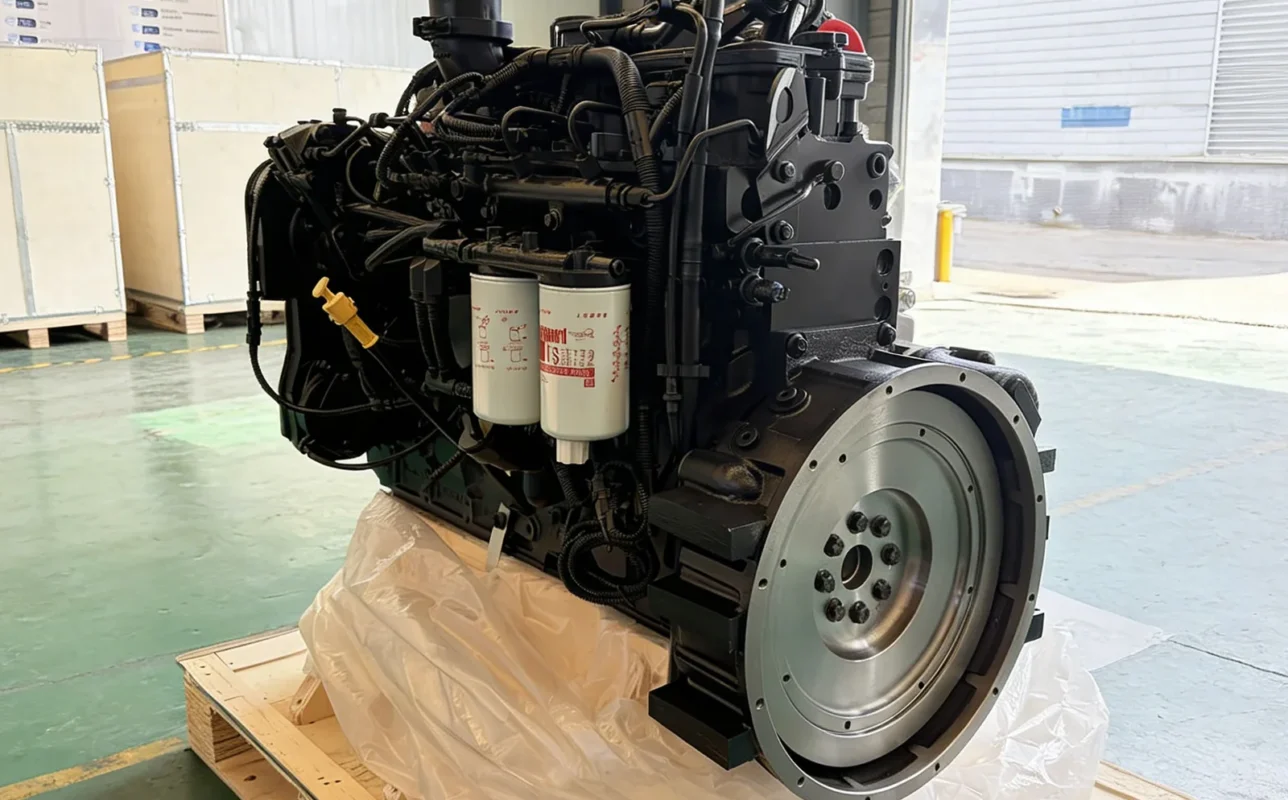
Diesel engines are complex assemblies where tolerances are often measured in microns. To manage inventory and maintenance effectively, components are generally categorized by their functional role within the combustion cycle.
- Core Internal Components: These include the cylinder block, crankshaft, and camshaft. As the “skeleton” of the engine, these parts must withstand immense torsional forces.
- Power Assembly Groups: Pistons, piston rings, connecting rods, and cylinder liners. These are the primary wear parts subject to constant friction and high-temperature gradients.
- Fuel Injection Systems (FIE): High-pressure fuel pumps and injectors. In modern Common Rail Diesel (CRD) systems, these parts manage pressures exceeding 2,000 bar.
- Air Induction & Exhaust: Turbochargers, manifolds, and valves. These components optimize volumetric efficiency and manage thermal discharge.
- Sealing & Filtration: Gaskets, oil seals, and high-efficiency filters that prevent contamination and maintain fluid pressure.
The Technical Divide: OEM vs. Genuine vs. Aftermarket
The most critical decision in procurement is the choice between different manufacturing tiers. Understanding these distinctions is vital for balancing maintenance budgets with operational risk.
| Category | Definition | Best For |
| Genuine Parts | Parts installed during original assembly, branded by the engine maker. | Warranty-period repairs and critical mission-profiles. |
| OEM (Original Equipment Manufacturer) | Produced by the same company that made the original part, but sold under their own brand. | High-performance needs where cost-savings are required without losing quality. |
| Aftermarket (Premium) | Parts engineered by third parties to meet or exceed original specifications. | Out-of-warranty fleet maintenance and older engine models. |
For high-hour engines, premium aftermarket parts often provide the best ROI. However, buyers must verify that the manufacturer utilizes ISO-certified quality management systems to ensure that metallurgical properties—such as tensile strength and heat resistance—match the original design.
Material Science in Component Longevity
Why do some diesel engine spare parts fail prematurely while others exceed their service life? The answer usually lies in the alloy composition and heat treatment processes used during manufacturing.
For instance, cylinder liners must be produced using centrifugal casting techniques to ensure a dense, uniform grain structure. This prevents “scuffing” under high-pressure conditions. Similarly, valves are often treated with Stellite facing to resist the corrosive effects of high-sulfur fuels and extreme exhaust temperatures.
When evaluating a supplier, it is essential to inquire about their testing protocols. Reputable manufacturers perform Non-Destructive Testing (NDT), such as ultrasonic or magnetic particle inspection, to identify internal flaws in crankshafts and cylinder heads before they reach the field.
Critical Selection Criteria for Procurement Managers
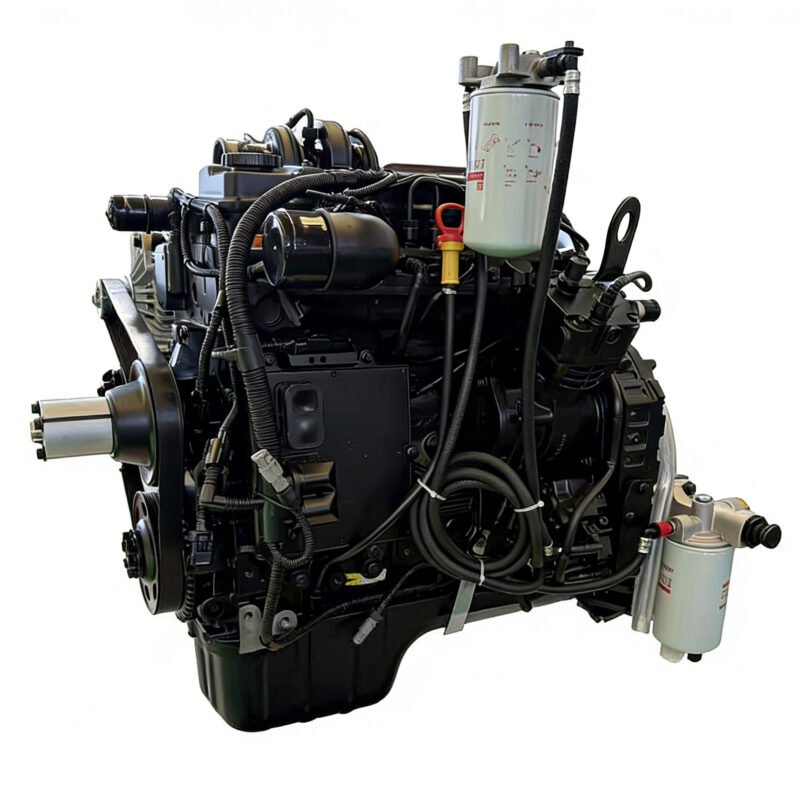
Selecting the right diesel engine spare parts involves more than comparing prices. A professional procurement workflow should prioritize the following factors:
- Interchangeability and Fitment: Ensure the part matches the specific engine “build list” or “arrangement number.” Even minor variations in piston bowl geometry can lead to poor combustion and increased emissions.
- Certification Compliance: For marine or hazardous environments, parts must often meet specific classification society standards (e.g., ABS, Lloyd’s Register).
- Lead Time and Logistics: In the B2B sector, “Part-In-Hand” time is a critical metric. A cheaper part that takes six weeks to arrive is often more expensive than a premium part available for next-day shipping.
- Warranty and Support: Professional suppliers offer transparent warranty terms that cover not just the part, but potentially the consequential damage if the part is proven defective.
Strategic Sourcing with Kangjin Power
For operations requiring a robust supply chain, Kangjin Power offers a comprehensive inventory of engine parts designed for heavy-duty applications. Their range covers critical systems including cylinder heads, crankshafts, and fuel system components.
By focusing on precision engineering and rigorous quality control, Kangjin Power bridges the gap between high-cost genuine parts and unreliable low-end alternatives. Their catalog supports a wide variety of industrial engine models, ensuring that fleet managers can find compatible components that maintain engine integrity while optimizing operational costs.
Final Inspection and Installation Logic
The best spare part will fail if installed incorrectly. We recommend that all critical components undergo a “pre-fit” inspection. This includes cleaning protective shipping oils, verifying oil passage clearances, and using calibrated torque wrenches to meet manufacturer-specified clamping loads. Maintenance teams should also document the serial numbers of new components to track “Mean Time Between Failures” (MTBF) and refine future procurement strategies.
FAQ
Q1: How can I verify if a diesel engine spare part is a high-quality aftermarket component?
Check for ISO 9001 certification and material data sheets. High-quality parts will have clean machining marks, consistent weight, and will often come with a documented warranty. Avoid parts with no branding or those priced significantly below the market average.
Q2: What are the most frequently replaced diesel engine parts?
The most common wear items are filters (oil, fuel, air), fuel injectors, piston rings, and gaskets. In higher-hour engines, turbochargers and water pumps are also common replacement items.
Q3: Can I mix different brands of parts in one engine?
While possible, it is not recommended for “matched” systems. For example, all injectors or all pistons in a single engine should ideally be of the same brand and specification to ensure balanced cylinder pressure and thermal loading.
Q4: What is the typical lead time for industrial engine parts?
Standard wear parts are usually in stock and ship within 24–48 hours. Major components like crankshafts or engine blocks may require 1–2 weeks depending on regional warehouse availability and customs requirements.
Q5: How does fuel quality affect the lifespan of engine spare parts?
Low-quality or contaminated fuel quickly erodes injector nozzles and can cause carbon buildup on valves. If you operate in regions with poor fuel quality, you must shorten your filtration replacement intervals and use premium-grade fuel system components.
Reference Sources
- ISO 9001:2015: Quality Management Systems – Requirements for manufacturing consistency.
- SAE International (Society of Automotive Engineers): Standards for engine oil viscosity and metallurgical testing (J434/J435).
- ASTM International: Standard Specification for Castings, Iron-Chromium, Iron-Chromium-Nickel, Corrosion Resistant, for General Application.
- CIMAC (International Council on Combustion Engines): Technical recommendations for large diesel engine maintenance and component reliability.

