
How to Import Diesel Engines from China: A Technical Sourcing Guide

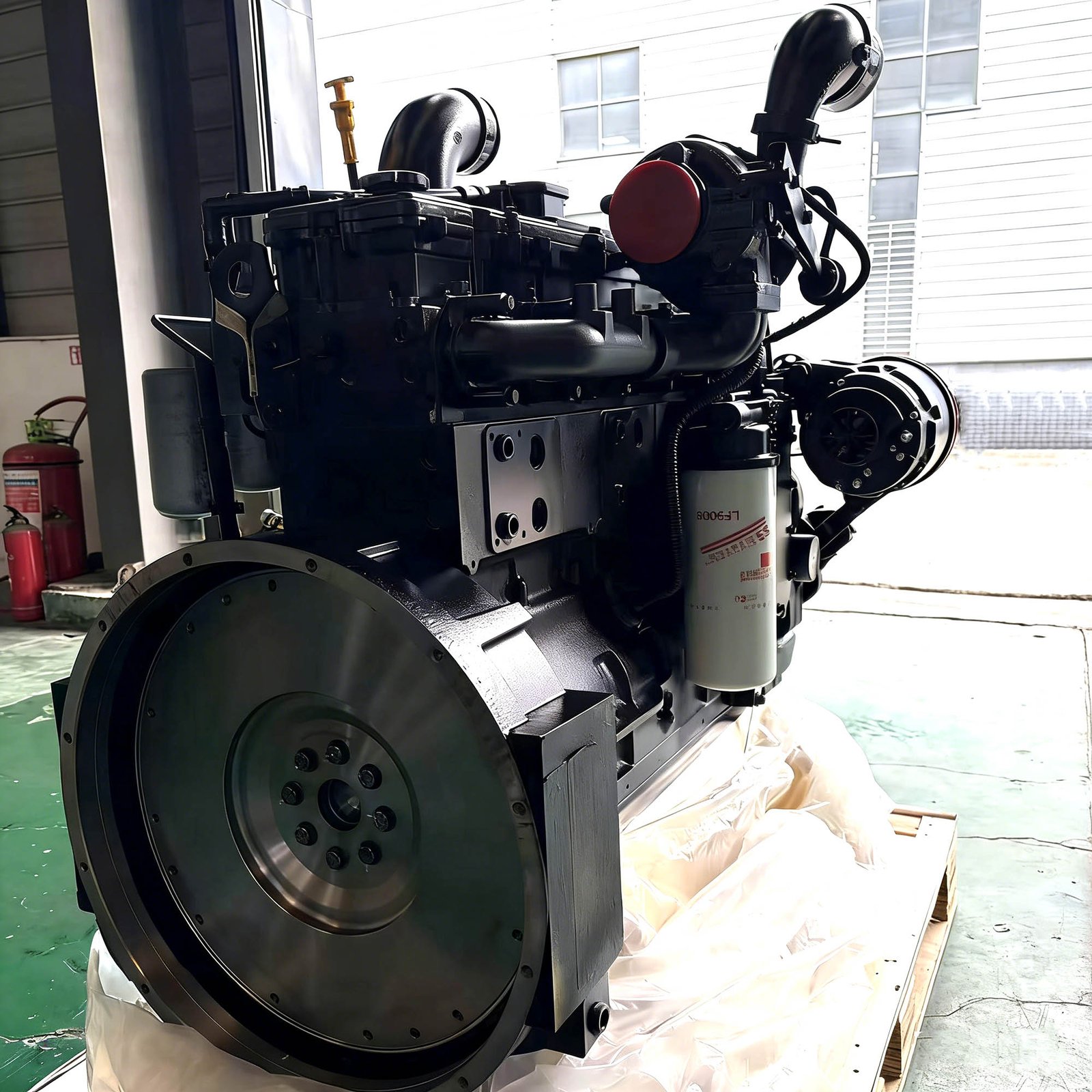
Importing diesel engines from China involves navigating a complex landscape of technical specifications, environmental regulations, and logistics. For procurement managers and fleet engineers, the objective is to secure high-performance power units that meet specific torque requirements while adhering to regional emissions standards like EPA Tier 4 or EU Stage V.
China’s manufacturing ecosystem, particularly for construction machinery engines, has evolved into a global hub for both OEM-equivalent units and specialized aftermarket solutions. This guide outlines the professional workflow for sourcing industrial engines, ensuring mechanical compatibility and regulatory compliance.
Determining Technical Specifications and Application Fit
Before initiating a search, you must define the precise mechanical parameters required for your application. Diesel engines are not “one size fits all” components; a unit designed for a stationary generator will have a different torque curve than one intended for a 20-ton excavator.
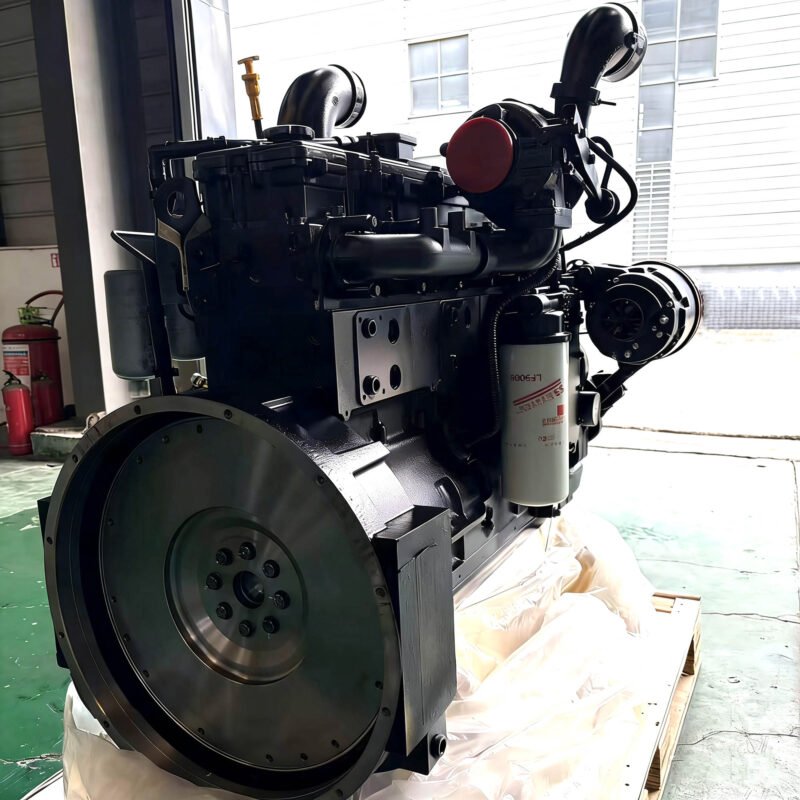
Identify the displacement (L), rated power (kW/HP), and peak torque (Nm) at specific RPM ranges. You must also verify the mounting configuration, including the flywheel housing size (typically SAE standards) and the cooling system requirements. For instance, construction machinery engines often require robust integrated oil coolers to handle high-duty cycles in dusty environments.
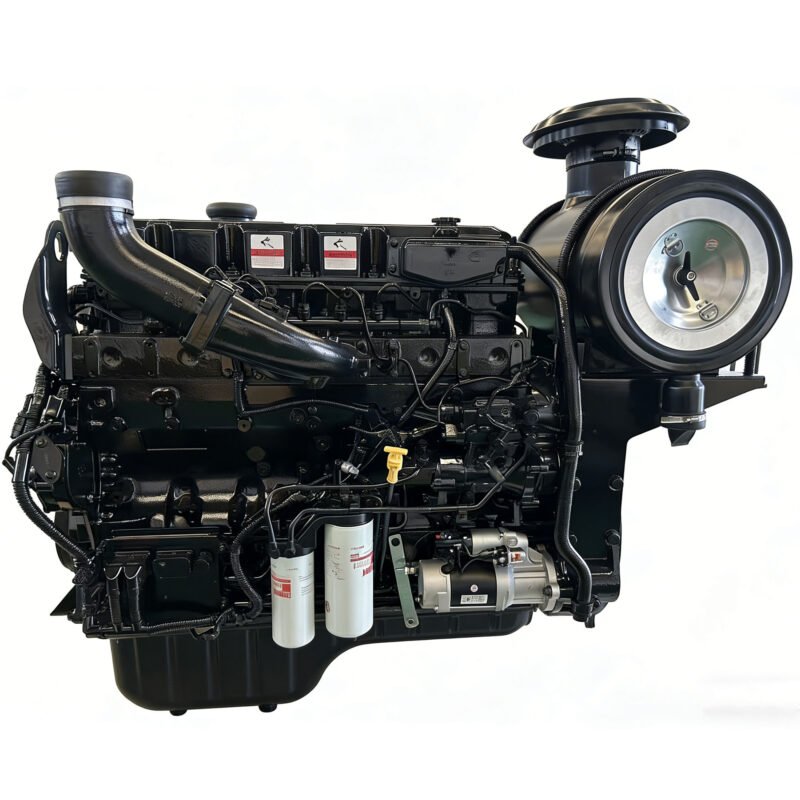
Consider the peripheral systems. Will the engine include the radiator, air cleaner, and control panel, or are you sourcing a “long block” for an existing chassis? Defining these boundaries early prevents costly integration failures during the installation phase.
Navigating Global Emissions Compliance
The most significant hurdle in importing diesel engines is environmental regulation. Different regions enforce strict limits on Nitrogen Oxides (NOx) and Particulate Matter (PM). Importing an engine that does not meet your local standards can lead to customs seizures or heavy fines.
- North America: Requires EPA Tier 4 Final compliance for most new off-road applications.
- Europe: Requires EU Stage V certification.
- Less Regulated Markets: Many regions in Southeast Asia, Africa, and South America still accept Tier 2 or Tier 3 engines, which are mechanically simpler and more cost-effective.
When communicating with Chinese manufacturers, request the “Type Approval” or emission certification documents. Verify if the engine utilizes Selective Catalytic Reduction (SCR) or Diesel Particulate Filters (DPF), as these systems add complexity to the engine footprint and maintenance schedule.
Vetting Suppliers and Quality Assurance
The Chinese market ranges from small-scale assembly shops to massive state-owned enterprises like Weichai or Yuchai. For international buyers, the challenge lies in identifying suppliers who provide consistent metallurgy and assembly precision.
Evaluate the supplier’s quality management system. ISO 9001 is a baseline, but IATF 16949 is preferred for engine components. Professional suppliers often provide “Dyno Test Reports” for each unit, showing real-time performance data across the power band.
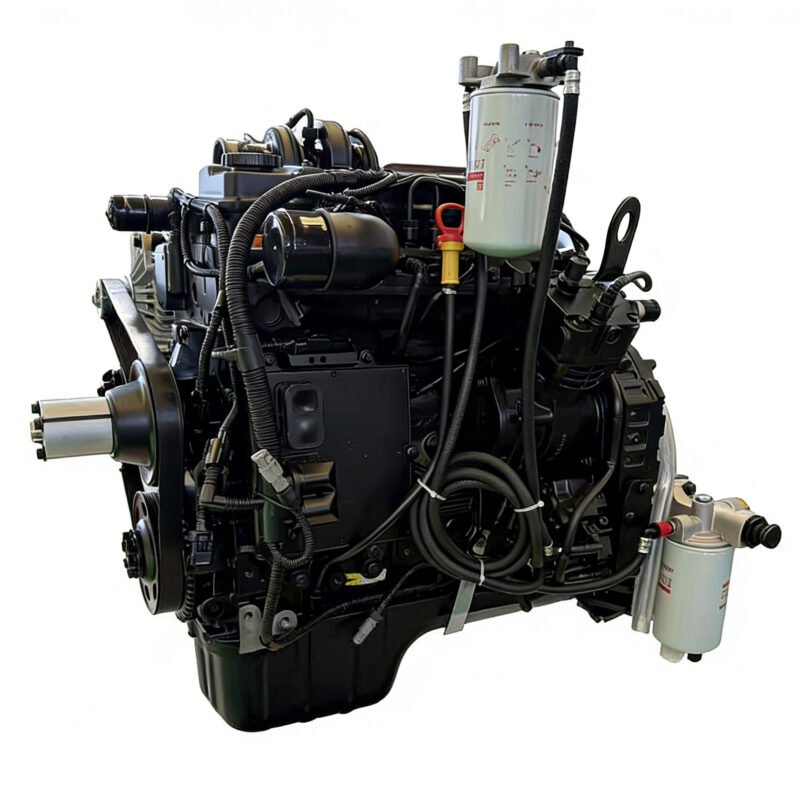
If you are sourcing engines for heavy equipment, such as those found in the Kangjin Power construction machinery engine range, look for evidence of core component brands. Reliable exporters typically use high-quality fuel injection systems (such as Bosch or Denso) and premium turbochargers to ensure longevity in the field.
Logistics, Incoterms, and Hazardous Goods Handling
Shipping a diesel engine requires more than standard container loading. Because engines contain residual oil and fuel, they are often classified as “Dangerous Goods” (UN3166) under international shipping regulations.
- Packaging: Engines must be secured on heavy-duty, fumigated wooden pallets or steel frames. Use VCI (Volatile Corrosion Inhibitor) plastic wrapping to prevent cylinder wall rusting during sea transit.
- Documentation: Ensure the Commercial Invoice, Packing List, and Bill of Lading clearly state the engine serial numbers. You will also need a Certificate of Origin (CO) to potentially benefit from preferential trade agreements.
- Incoterms: For first-time importers, CIF (Cost, Insurance, and Freight) is common. However, experienced buyers often prefer FOB (Free on Board) or FCA (Free Carrier) to maintain control over the shipping lines and terminal handling fees at the destination port.
Integration and Aftersales Support
The transaction does not end when the crate arrives at your facility. The technical success of the import depends on aftersales accessibility. Diesel engines require consumable parts—filters, gaskets, and injectors—that must be available for the life of the machine.
Work with suppliers who provide detailed parts manuals and electronic catalogs. Confirm if the diagnostic software for Electronic Control Units (ECU) is available in English and compatible with standard OBD or J1939 protocols. Establishing a “wear-parts kit” as part of the initial purchase is a recommended strategy to minimize future downtime.
FAQ
What is the typical MOQ for importing diesel engines from China?
For standard industrial engines, the Minimum Order Quantity (MOQ) is often as low as 1 unit. However, customization of flywheel housings or specific electrical harnesses may require a larger volume or a “sample fee.”
How do I verify if a Chinese engine is genuine?
Genuine engines from major brands (like Cummins or Perkins licenses) feature anti-counterfeit labels with QR codes. You can verify these through the manufacturer’s official global database. For OEM-spec engines, check the casting marks on the cylinder block.
Can I import a used or remanufactured engine?
Regulations on used engines are much stricter than new ones. Many countries, including the US and EU, prohibit the import of used engines that do not meet current emission standards. Always check local environmental laws before purchasing remanufactured units.
What are the average lead times?
Standard engine models usually ship within 15–30 days. Custom configurations or engines requiring specific emission certifications may take 45–60 days for production and testing.
How is the warranty handled for imported engines?
Warranty terms vary. Most professional exporters offer a 12-month or 1,000–2,000 hour warranty. Since shipping the entire engine back to China is impractical, manufacturers usually provide replacement parts and technical guidance for local repairs.
Reference Sources
- EPA (Environmental Protection Agency): Nonroad Diesel Engines Emissions Standards
- ISO 8178: International standard for exhaust emission measurement for non-road internal combustion engines.
- CITA (International Motor Vehicle Inspection Committee): Technical standards for engine performance and safety.
- SGS/Intertek: Leading inspection bodies for factory audits and pre-shipment engine inspections in China.

