
Best Diesel Engine Suppliers: Industrial Procurement Guide

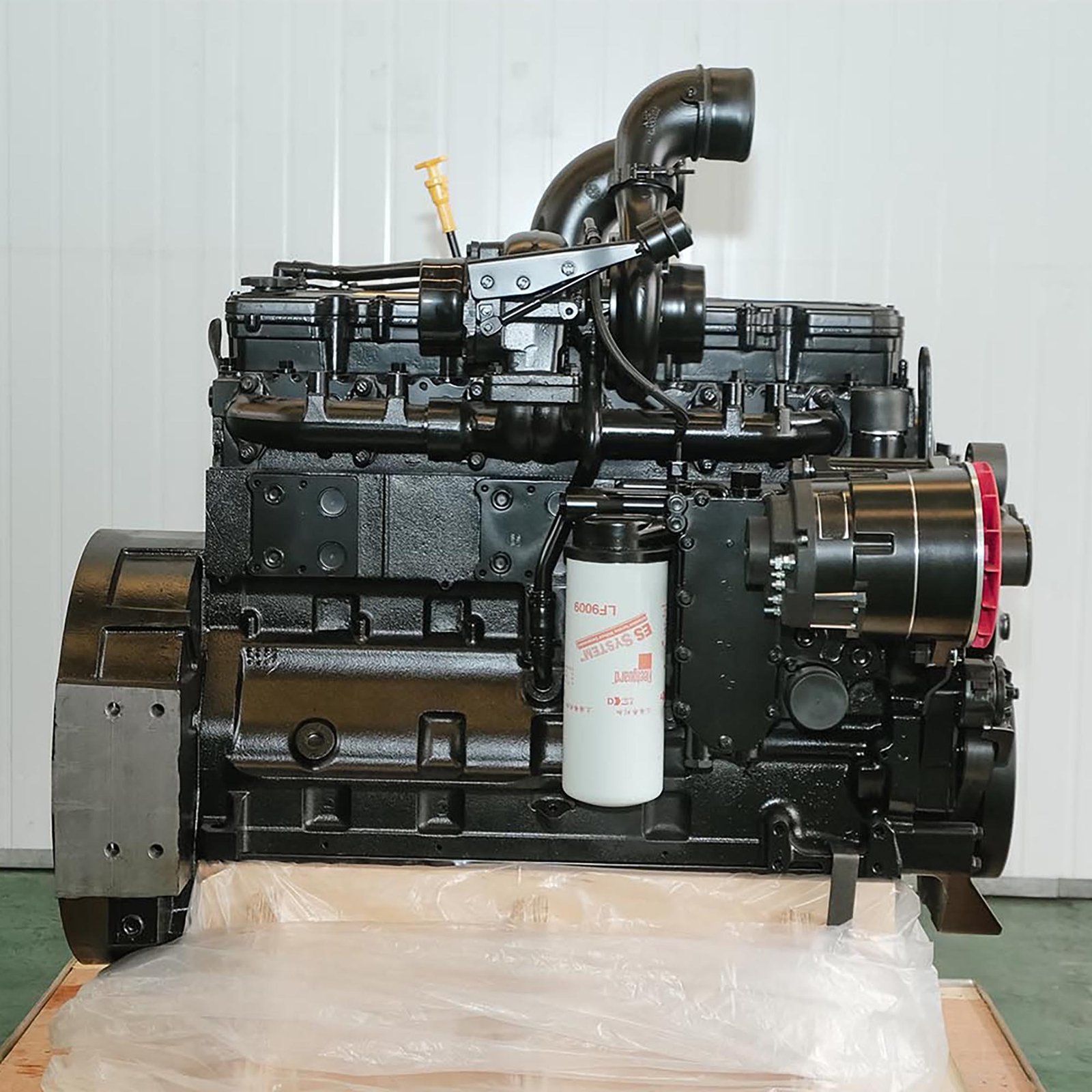
Selecting a diesel engine supplier for heavy-duty industrial applications is a decision that dictates five to ten years of operational uptime. In sectors like construction, mining, and power generation, the engine is not merely a component; it is the heartbeat of the asset. A suboptimal choice leads to catastrophic downtime, specialized maintenance hurdles, and regulatory non-compliance.
The global industrial engine market is currently navigating a transition between high-output mechanical reliability and the stringent electronics required for Tier 4 Final and Stage V emission standards. For procurement managers and project engineers, the “best” supplier is no longer defined just by the brand on the block, but by the technical support, parts availability, and integration expertise they offer.
Defining Industrial Engine Reliability: Technical Benchmarks
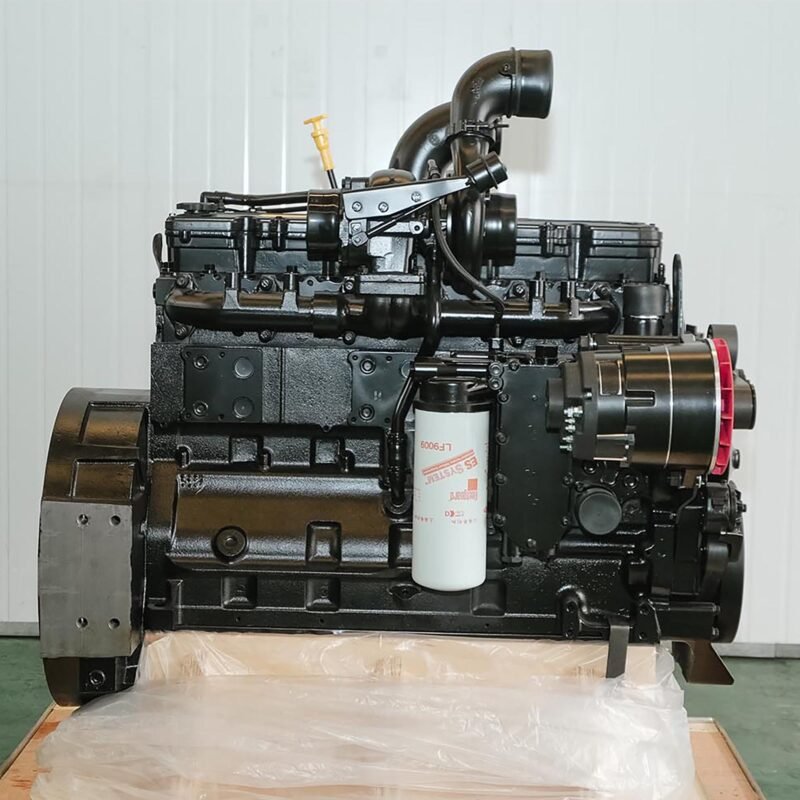
Before evaluating a diesel engine supplier, one must define the technical parameters that constitute “industrial grade.” Unlike automotive engines, industrial power units operate under high load factors for extended durations, often in environments saturated with dust, vibration, and extreme thermal fluctuations.
A reputable supplier should provide engines that excel in three specific areas:
Torque Rise and Governing: For construction machinery, such as excavators or cranes, the ability of the engine to maintain RPM under sudden load increases (torque rise) is critical. Suppliers offering brands like Cummins or Weichai often highlight these power curves to ensure the machine doesn’t stall during peak hydraulic demand.
Thermal Management: Industrial engines must dissipate massive amounts of heat. High-tier suppliers provide complete power packs that include heavy-duty radiators and charge-air coolers designed for ambient temperatures exceeding 40°C.
Fuel Quality Tolerance: In global operations, fuel quality varies. A sophisticated supplier understands the necessity of advanced filtration systems to protect high-pressure common rail (HPCR) systems from low-lubricity or contaminated fuel.
Evaluating a Diesel Engine Supplier’s Portfolio
When browsing a supplier’s inventory, such as the construction machinery engine categories at Kangjin Power, technical buyers should look for diversity in displacement and brand specialization. A supplier that stocks multiple brands—ranging from Deutz and Cummins to Yuchai and Weichai—demonstrates a deep understanding of different market niches.
Cummins & Deutz: The Global Standards
Suppliers providing these brands are typically catering to international projects where parts interchangeability is the primary concern. These engines are the “safe” choice for fleet owners who operate across borders and require a universal service network.
Weichai & Yuchai: The Value and Durability Leaders
For heavy-duty construction and earthmoving equipment, Chinese-manufactured engines have become the industry standard for durability at a lower Total Cost of Ownership (TCO). Suppliers specializing in these units often support large-scale mining and infrastructure projects where the cost-per-hour of operation is the most scrutinized metric.

Comparative Analysis: Top Industrial Engine Brands
| Engine Brand | Primary Strength | Typical Industrial Application | Emission Compliance |
| Cummins | Power Density | Generators & Mining Trucks | Tier 4 Final / Stage V |
| Deutz | Air/Oil Cooling Options | Compact Construction Equipment | Global Standards |
| Weichai | Heavy-Duty Torque | Wheel Loaders & Marine | Tier 2 / Tier 3 / Stage IV |
| Yuchai | Fuel Efficiency | Power Gen & Specialized OEM | Tier 3 / Stage V |
Critical Factors in Supplier Selection for OEMs
For Original Equipment Manufacturers (OEMs) and large-scale contractors, the supplier relationship is transactional but also technical. You are not just buying a block of iron; you are buying a logistical pipeline.
1. Integration and Engineering Support
Does the supplier provide technical drawings, 3D models, and wiring diagrams for the Electronic Control Units (ECU)? A high-quality supplier acts as a bridge between the engine manufacturer and your engineering team to ensure the engine mountings and PTO (Power Take-Off) configurations align with your machine’s design.
2. Compliance and Certification Knowledge
Industrial engines are subject to a patchwork of global regulations. A knowledgeable supplier will guide you through the differences between EPA (USA), EU Stage (Europe), and National Stage (China) requirements. If you are exporting machinery, your supplier must ensure the engine meets the destination country’s environmental laws to avoid customs seizures.
3. Lead Times and Logistics
In the current supply chain climate, “available” is often better than “perfect.” Suppliers who maintain a steady inventory of long-blocks, short-blocks, and complete power units are essential for minimizing project delays. Evaluate a supplier’s ability to handle international shipping, including the crating standards required for heavy industrial machinery.
Matching Engines to Specific Industrial Use Cases
The application dictates the engine specification. A supplier should be able to consult on the following nuances:
Constant Speed Applications: For power generation, the supplier should focus on G-Drive engines optimized for 1500/1800 RPM stability and transient response.
Variable Speed Applications: For excavators and loaders, the focus shifts to the torque curve and the engine’s ability to work with hydraulic pumps.
Stationary vs. Mobile: Stationary engines (pumps/compressors) may have different cooling and vibration dampening requirements compared to mobile units used in off-road construction.
Summary
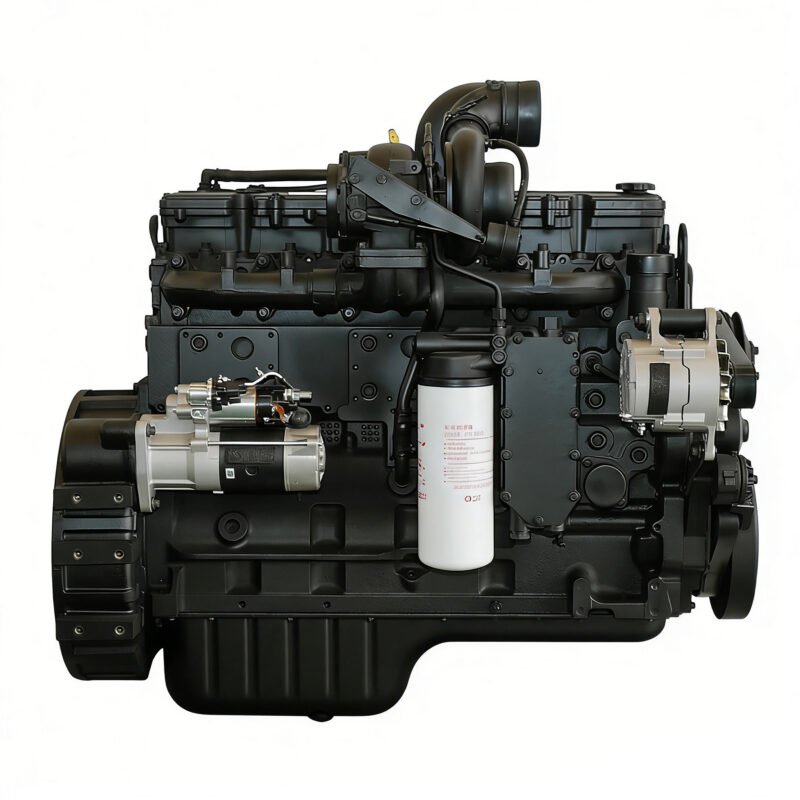
The commercial value of a diesel engine supplier is realized long after the initial purchase. The “Best” suppliers offer comprehensive “Engine Kits” that include necessary peripherals—alternators, starters, and filters. Furthermore, verify the supplier’s transparency regarding genuine components. For mission-critical industrial use, genuine parts are mandatory to maintain the manufacturer’s warranty and ensure the structural integrity of the engine under high-pressure cycles.
FAQ
1. What is the difference between Tier 3 and Tier 4 engines?
The primary difference lies in emission controls. Tier 4 engines utilize advanced exhaust after-treatment systems like DPF (Diesel Particulate Filter) and SCR (Selective Catalytic Reduction). Tier 3 engines are simpler and often preferred in regions with less stringent regulations due to their lower maintenance complexity.
2. How do I verify if a supplier provides genuine units?
Genuine engines come with a unique Serial Number (ESN) stamped on the data plate. You can verify this number through official manufacturer databases like Cummins QuickServe. A reputable supplier will always provide the documentation necessary for registration and warranty support.
3. Can I replace a Deutz engine with a Weichai or Cummins?
It is possible but requires technical evaluation of the “footprint.” You must check the engine mount dimensions, flywheel housing (SAE) size, and cooling system requirements. A specialized supplier can often provide technical drawings to check for interchangeability.
4. What is the typical lead time for an industrial engine?
For in-stock units, lead times range from 7 to 15 days for preparation and crating. For custom OEM configurations or large volume orders, lead times can extend from 30 to 90 days depending on the manufacturer’s production cycle and global logistics.
5. Why is “Torque Rise” important for machinery?
Torque rise allows an engine to provide more “lugging power” as the RPM drops under load. This prevents the machine from stalling when an excavator bucket hits hard rock or a loader climbs a steep grade during heavy earthmoving operations.
Reference Sources
ISO 8528: Reciprocating internal combustion engines
EPA Nonroad Compression-Ignition Diesel Engine Standards
SAE J1939 Standards for Engine Network Communications

