
How to Improve Diesel Engine Fuel Efficiency: Technical Guide

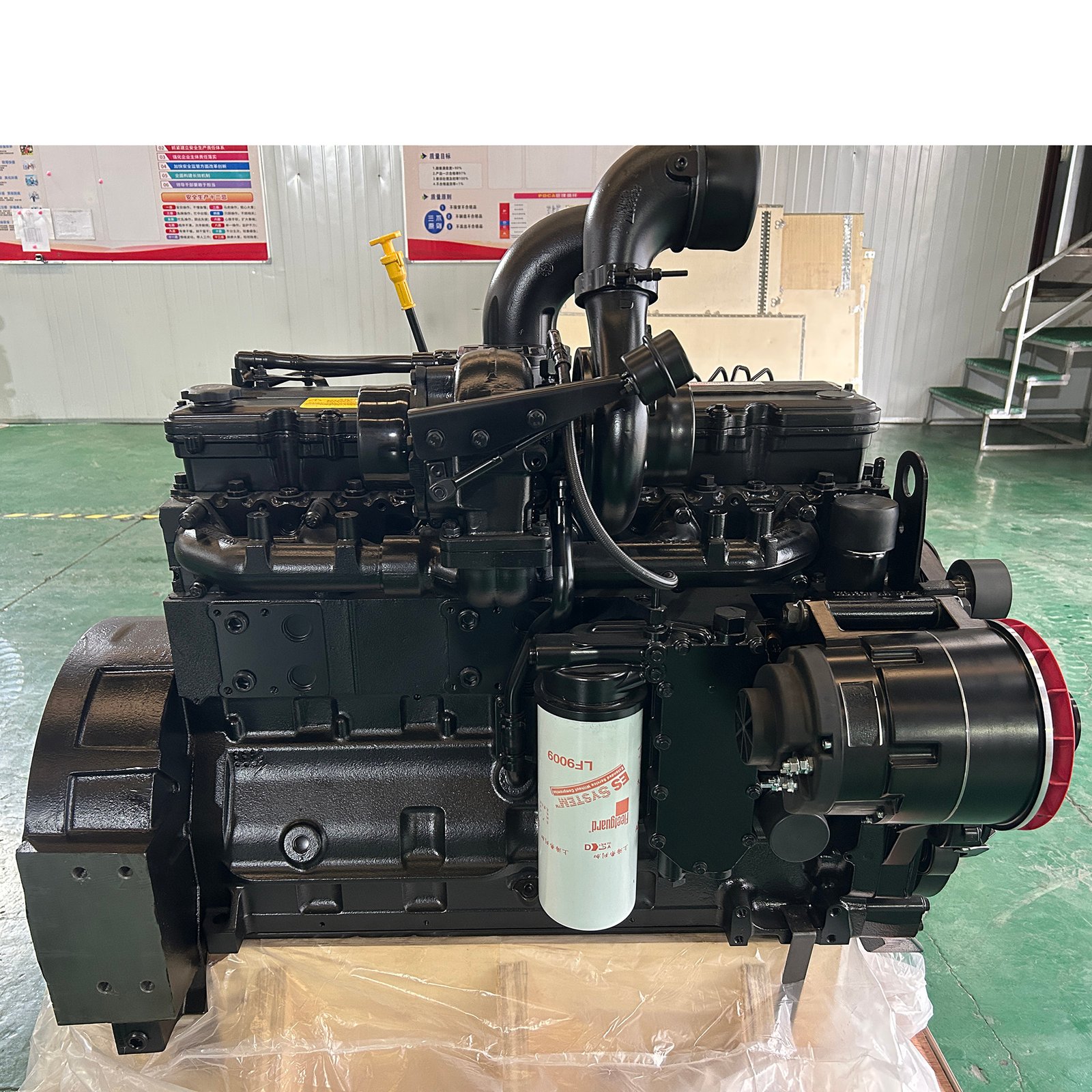
In the heavy-duty construction and industrial sectors, fuel consumption is the primary driver of operational expenditure. For engineers and fleet managers, understanding how to improve diesel engine fuel efficiency requires a deep dive into thermodynamics and mechanical precision. A modern diesel engine is a finely balanced system where air, fuel, and heat must interact with millisecond accuracy to convert chemical energy into mechanical work with minimal loss.
The following guide explores the technical levers available to optimize these systems, specifically focusing on high-performance construction machinery engines used in demanding environments.
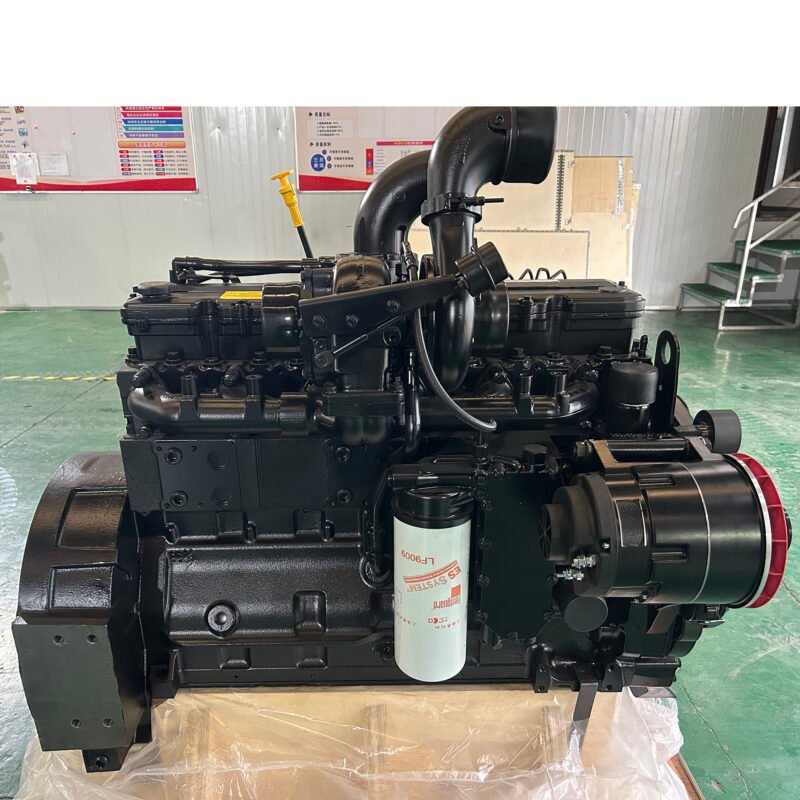
Maximizing Efficiency through Technical Precision
The efficiency of a diesel engine is largely defined by its Brake Specific Fuel Consumption (BSFC). Improving this metric requires a multi-faceted approach targeting the combustion cycle, air handling, and internal friction.
1. How Does Injection Pressure Affect Fuel Consumption?
Modern Common Rail Direct Injection (CRDI) systems have revolutionized fuel economy by allowing for ultra-high injection pressures, often exceeding 2,000 bar. This pressure is critical for achieving optimal atomization. When fuel is broken down into a finer mist, the surface-area-to-volume ratio increases, allowing for a more rapid and complete chemical reaction with oxygen.
Technical Action Steps:
- Monitor Injector Wear: Even microscopic erosion in the nozzle can lead to “streaming” rather than “misting,” which increases Specific Fuel Consumption (SFC).
- Fuel Quality Filtration: Ensure 2-micron filtration standards to prevent high-pressure pump wear that drops injection pressure.
- ECU Calibration: Use factory-spec mapping to ensure the timing of multiple injection events (pilot, main, and post-injection) remains optimized for the current load.
2. Why is Volumetric Efficiency Crucial for Savings?
A diesel engine’s ability to produce power efficiently is limited by its volumetric efficiency—the ratio of the mass of air trapped in the cylinder to the mass of air that could occupy the cylinder volume under static conditions. If the engine struggles to “breathe,” it performs more “pumping work,” which consumes fuel without contributing to torque.
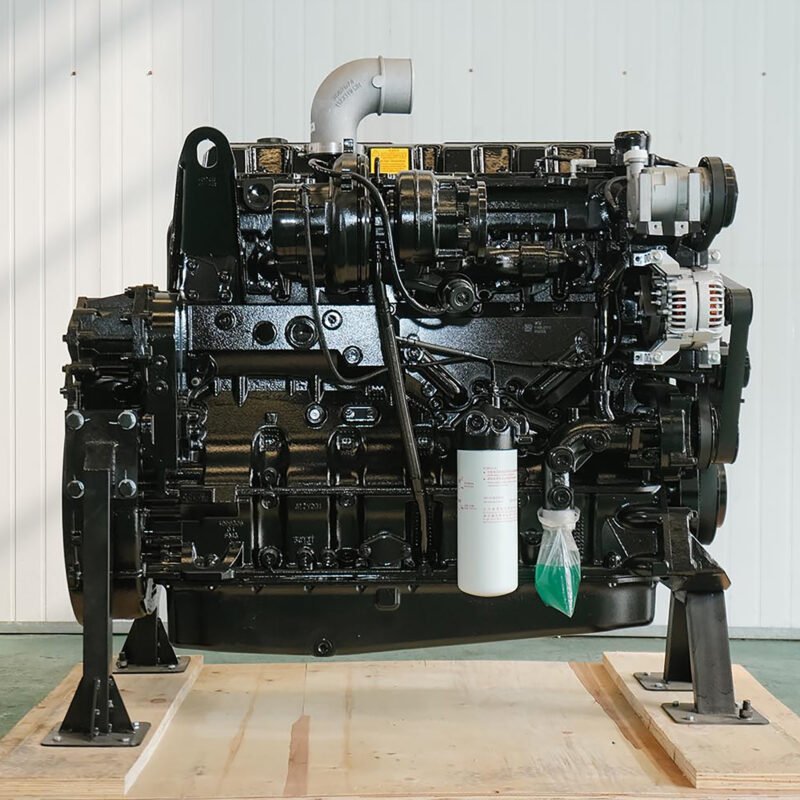
Engineering Considerations:
- Charge Air Cooling (CAC): Denser air contains more oxygen. Ensure the intercooler or aftercooler is free of external debris and internal oil mist to maintain low intake temperatures.
- Air Filter Delta-P: Monitor the pressure drop (Delta-P) across the air filter. A restriction of just 25 inches of water can increase fuel consumption by 3–5% as the Electronic Control Module (ECM) compensates by increasing pulse width.
- Turbocharger Health: Inspect the Variable Geometry Turbocharger (VGT) vanes. Sticking vanes cause the engine to operate outside its “efficiency island,” leading to excessive backpressure.
| Operating Parameter | Impact on Fuel Efficiency | Recommended Maintenance |
| Injection Pressure | High (Direct Correlation) | Calibrate every 3,000 hours |
| Intake Temperature | Moderate (Air Density) | Clean intercooler annually |
| Oil Viscosity | Low to Moderate (Friction) | Use synthetic CK-4 oils |
| Idle Time | High (Wasted Energy) | Limit to < 5 minutes |
Operational and Thermal Optimization Strategies
Beyond the mechanics of the engine, the environment in which the engine operates dictates its thermal efficiency. A diesel engine is essentially a heat engine; managing that heat is paramount to reducing waste.
3. How Does Thermal Management Impact Fuel Economy?
Diesel engines are designed to operate within a specific temperature window, typically 85°C to 105°C. Running an engine too cold is often more inefficient than running it hot. Cold engines suffer from increased oil viscosity—which creates parasitic drag—and excessive heat loss through the cylinder walls, which reduces the peak pressure needed to drive the piston.
Thermal Optimization Checklist:
- Thermostat Verification: A stuck-open thermostat can increase fuel burn by 10% as the engine never reaches its optimal thermal state.
- Coolant Chemistry: Use the OEM-recommended Organic Acid Technology (OAT) coolants to prevent “pitting” and scale buildup, which can cause localized hot spots and uneven thermal expansion.
- Fan Drive Control: If using hydraulic or viscous fan drives, ensure they are not “locked on” unnecessarily, as cooling fans can consume up to 50 HP on large industrial engines.
4. How Does Load Matching Prevent Fuel Waste?
Operating a large engine at low loads is one of the most common causes of poor fuel economy in construction machinery. When an engine runs at 20% load, the friction of the moving parts (pistons, crankshaft, valvetrain) consumes a disproportionate amount of the fuel energy. This is known as poor “mechanical efficiency.”
Efficiency Benchmarks:
- Optimal Load Range: Aim for 60% to 80% load for peak BTE.
- Idle Management: Implement auto-shutdown timers set to 3–5 minutes.
- Operator Training: Train operators to avoid “power braking” and to utilize “Eco-modes” that optimize hydraulic pump torque to match engine RPM.
Summary
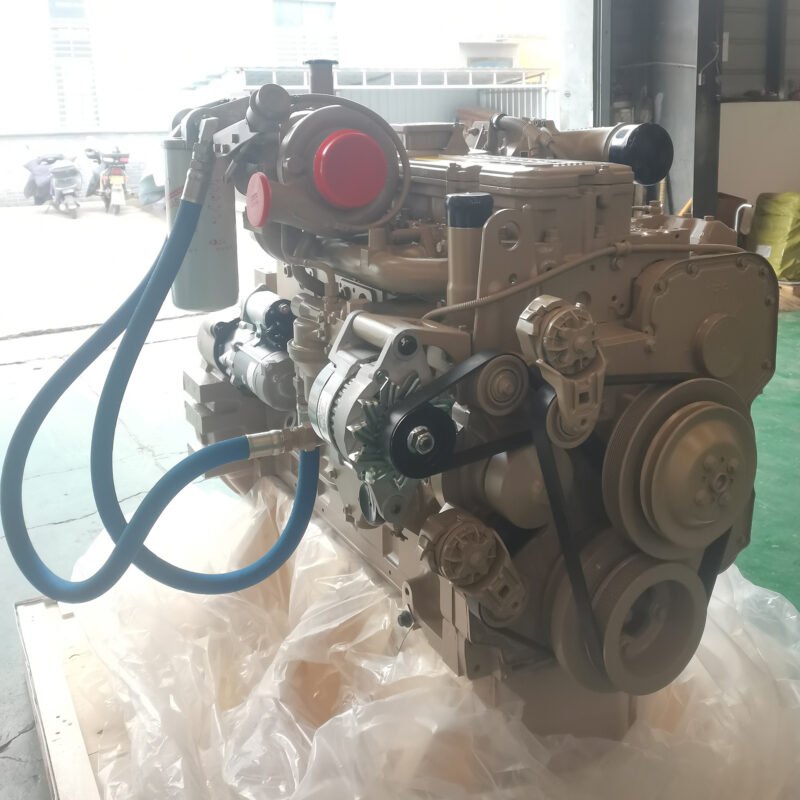
Improving diesel engine fuel efficiency is a continuous process of maintenance and operational discipline. By focusing on injection precision, air intake integrity, and proper thermal management, fleet operators can achieve significant reductions in fuel costs. For high-output applications, using specialized construction machinery engines that are designed for these efficiency standards is the first step toward long-term profitability.
FAQ
1. Can a dirty air filter impact fuel economy on electronic engines?
Yes. While modern ECMs adjust fuel delivery to prevent smoke, the restriction forces the engine to work harder to pull in air (pumping loss), which consumes more fuel to produce the same amount of net power.
2. Why does diesel fuel consumption increase in cold weather?
Several factors contribute: “Winter blend” diesel has lower energy density, higher oil viscosity increases internal friction, and the engine takes longer to reach its efficient thermal operating range.
3. How often should fuel injectors be tested for peak efficiency?
For construction machinery, a bench test or diagnostic “cylinder contribution test” is recommended every 3,000 to 5,000 hours, or immediately if a sudden 5% increase in fuel consumption is noted.
Reference Sources
SAE International: Fuel Consumption Test Procedure Standard.
U.S. Dept of Energy: Internal Combustion Engine Basics.

