
Air-Cooled vs Water-Cooled Diesel Engine: How to Spec the Right Power System

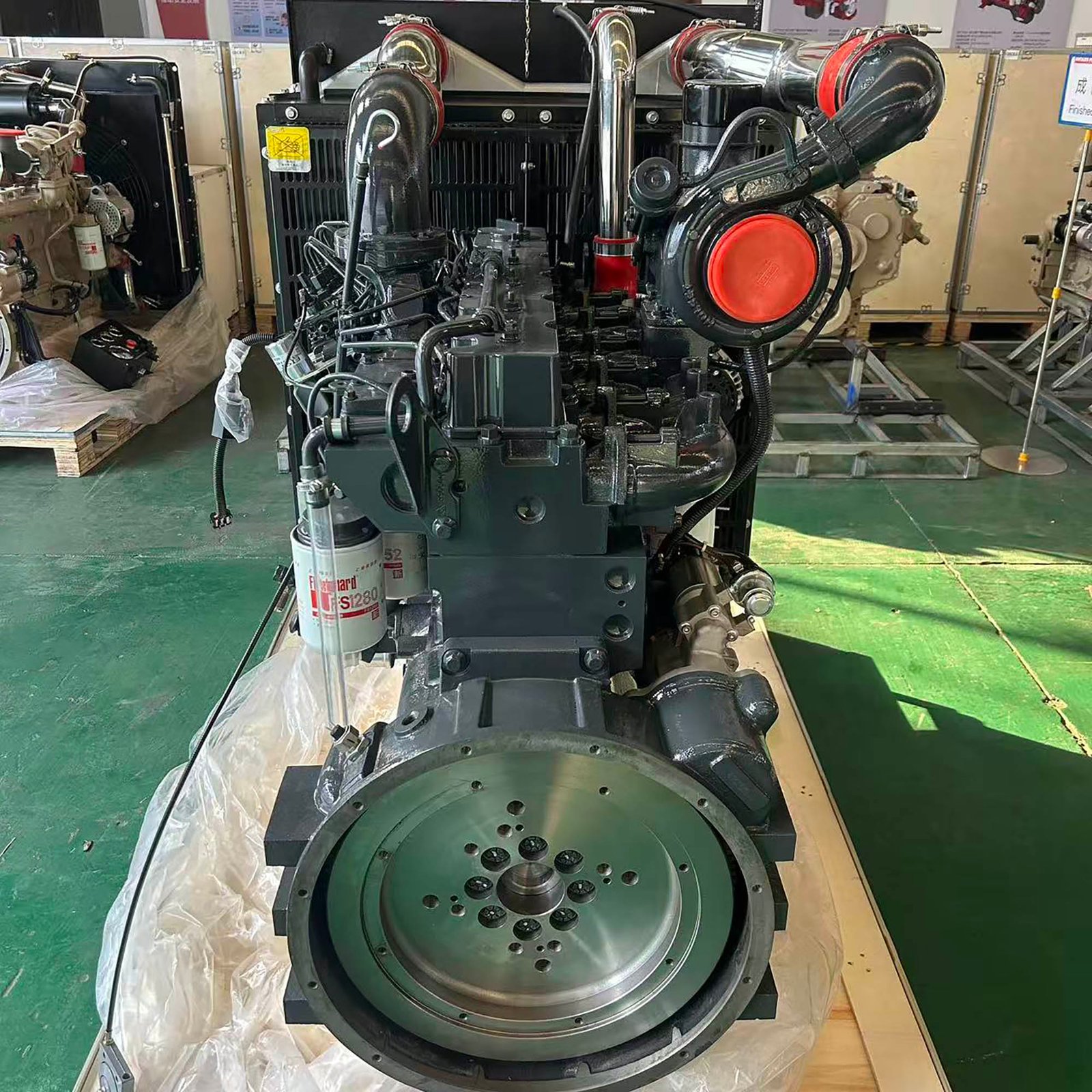
Pick the wrong cooling system, and you’re looking at either unnecessary maintenance bills or equipment that overheats the moment it hits a heavy load.
Whether you are spec’ing out a fleet of off-grid generators or sourcing powerplants for heavy loaders, the debate between an air cooled vs water cooled diesel engine rarely has a one-size-fits-all winner. It comes down to matching the engine’s thermal dynamics with what you actually plan to put the machine through.
If you’re just looking for the bottom line, here is how most fleet managers make the call:
- Go with air-cooled if you need a lightweight, highly portable setup, or if the equipment will be running in sub-zero environments where freezing coolant is a massive headache. They thrive on simplicity.
- Go with water-cooled if you need a continuous duty diesel engine running heavy loads all day, or if you have to meet strict Tier 4/Euro 6 emission standards. They offer the temperature stability that heavy industry demands.
But to really understand which diesel engine cooling system makes sense for your next build, you need to look at how these engines behave in the field.
The Reality of Duty Cycles and Thermal Stability
Engine load dictates heat. When a diesel block is running at maximum output for eight hours straight, that heat has to go somewhere fast.
This is where a liquid-cooled block typically shines. Water and glycol mixtures have a high heat capacity. Guided by a thermostat, the liquid absorbs heat from the cylinder water jackets and moves it to the radiator, keeping the engine block within a very narrow, stable temperature window (usually between 85°C and 105°C). This stability reduces thermal expansion stress on internal components over time.
An air cooled diesel engine, on the other hand, relies entirely on ambient air forced over its cooling fins by a blower fan. Cylinder head temperatures will naturally fluctuate more depending on how hard the engine is working and the outside weather. For intermittent loads or smaller displacement engines, this is rarely an issue. But for sustained, heavy-duty applications, thermal fatigue can accumulate faster without liquid regulation.
Job Site Conditions: Dust, Heat, and Freezing Cold
Where the equipment operates is often more important than how long it runs.
Take freezing conditions, for example. Winterization crews often lean toward air-cooled systems simply because you can’t freeze what isn’t there. While a liquid-cooled engine works perfectly fine in sub-zero temps with the right antifreeze ratio, air-cooling removes that variable entirely.
Then there is the issue of job site debris. On construction sites, airborne dust is a constant reality. A water-cooled engine relies on a radiator packed with incredibly fine fins that can clog with dirt, leading to quick overheating if not blown out regularly. Air-cooled engines feature much wider cooling fins cast directly into the block. While they can still suffer from “fin fouling”—especially if an oil leak mixes with the dust to form an insulating crust—they are generally easier to clean in the field.
(If you are currently evaluating power systems for rugged environments, we cover more on site-specific sizing in our 2026 Guide on the Best Diesel Engine for Construction Equipment).
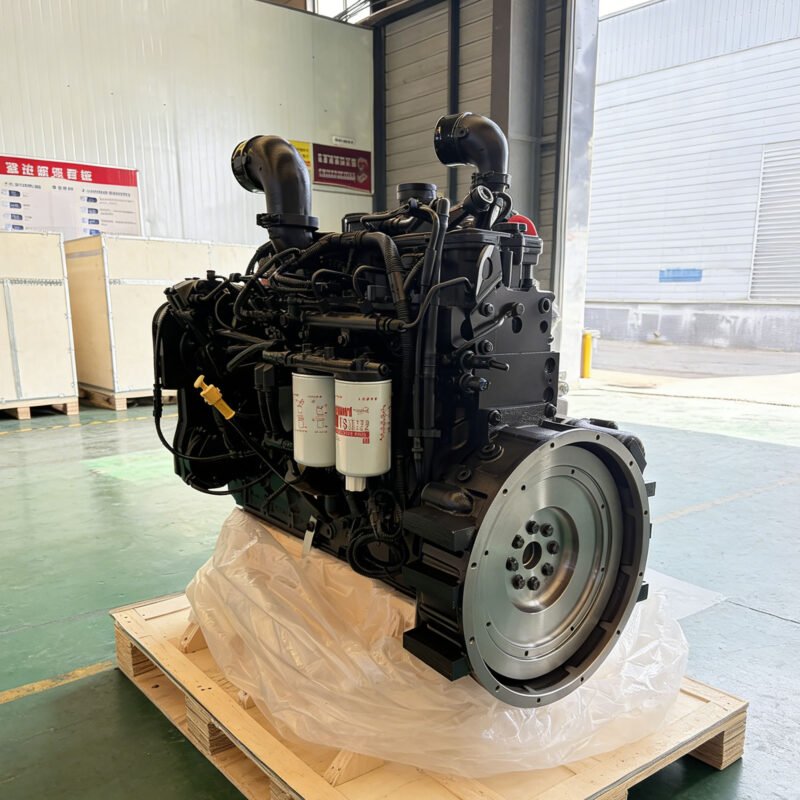
Maintenance Profiles: What Fails and Why
When evaluating an air cooled vs liquid cooled diesel engine, look at your maintenance crew’s capacity.
Water-cooled systems introduce more potential points of failure. Hoses crack, radiators corrode, water pump bearings wear out, and coolant degrades. These aren’t necessarily flaws, but they require a structured preventative maintenance schedule to avoid downtime.
Air-cooled systems are famously simple. There is no water pump and no coolant to leak. Maintenance mostly boils down to keeping the cooling fins clean and making sure the fan blower belt doesn’t snap. If that belt breaks, however, an air-cooled engine can overheat in minutes.
Sizing and Equipment Integration
For OEMs, the choice often comes down to packaging and power density.
If you are designing heavy machinery like excavators or large wheel loaders, the sheer power output and thermal consistency of liquid-cooled units make them the industry standard. However, compact equipment often utilizes air-cooled blocks to shave off weight and save the physical space a radiator would take up. You can see how varying cooling profiles are applied across different form factors in our lineup of construction machinery engines.
Conversely, stationary setups like high-volume fluid transfer systems almost exclusively rely on the sustained performance of water cooling. Heavy-duty water pump engines often run continuously for days, making liquid cooling a necessity for long-term survival.
Spec-by-Spec Comparison
| Feature | Air-Cooled System | Water-Cooled System |
| Cooling Medium | Ambient Air (Forced by fan) | Liquid Coolant (Glycol/Water mix) |
| System Complexity | Low (No external fluid lines) | High (Radiator, pump, thermostat, hoses) |
| Physical Footprint | Generally lighter, more compact | Heavier, requires radiator mounting space |
| Temperature Control | Variable (Fluctuates with load/weather) | Precise (Thermostat regulated) |
| Operating Noise | Tends to be higher (Fins radiate sound) | Tends to be lower (Liquid dampens block noise) |
Frequent Questions from Buyers
1. Which type of engine actually lasts longer?
It really depends on how you treat them. Water-cooled engines often log more hours in high-load industrial settings because stable internal temperatures reduce thermal fatigue on piston rings and valves. However, an air-cooled engine tends to survive neglect much better. If deployed in a remote area with poor maintenance, an air-cooled block will usually outlast a liquid-cooled one simply because it lacks vulnerable hoses and water pumps.
2. Is there a noticeable difference in fuel efficiency?
Sometimes, yes. Because water-cooled engines maintain a very strict temperature range, manufacturers can design the combustion chambers with tighter tolerances. This stable thermal environment can help optimize fuel atomization, occasionally resulting in slightly better Brake Specific Fuel Consumption (BSFC) compared to air-cooled models under varying loads. But it’s rarely a large enough margin to base your entire purchase decision on.
3. Why do emissions regulations favor water-cooled engines?
Modern emission standards (like EPA Tier 4 Final or Euro 6) require sophisticated exhaust after-treatment systems, such as DPFs and SCRs. These systems only work efficiently when exhaust gases hit very specific, consistent temperatures. Liquid-cooling provides the exact thermal management required to keep these systems functioning and compliant.
4. Can an air-cooled engine be modified to water-cooled later?
No. The cooling method is dictated by the actual metal casting of the engine block. A liquid-cooled engine has internal voids (water jackets) cast around the cylinders, while an air-cooled block is cast solid with external heat-dissipation fins. They are entirely different architectures.
Reference Sources:
ISO 3046-1: Performance of Internal Combustion Engines
SAE International: Thermal Management Research

