
How Diesel Engines Power Construction Equipment

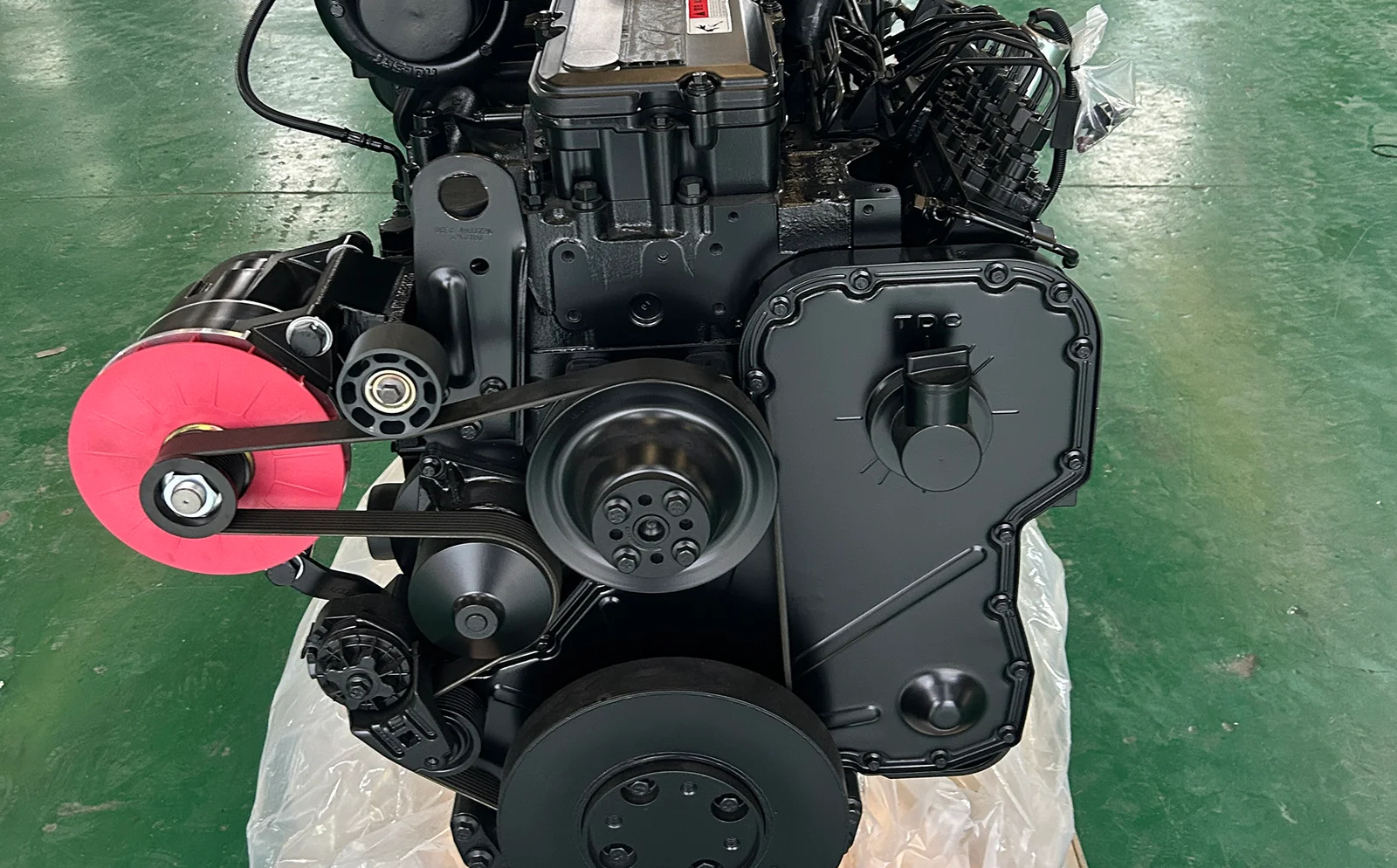
Diesel engines are the primary power source for the heavy machinery used in modern infrastructure. They provide the necessary strength to move massive amounts of earth and materials. Selecting a high-quality diesel engine for construction equipment ensures project efficiency and operational longevity.
These engines operate on the principle of compression ignition, which offers superior thermal efficiency. Construction sites demand high power output under extreme conditions. Diesel engines are the industry standard because they handle these stresses better than other fuel types.
Modern construction projects rely on machines like excavators, loaders, and cranes. Each of these machines requires a specific power profile to function effectively. Understanding how these engines integrate into equipment helps in making better procurement decisions.
Why the Diesel Engine for Construction Equipment is Essential
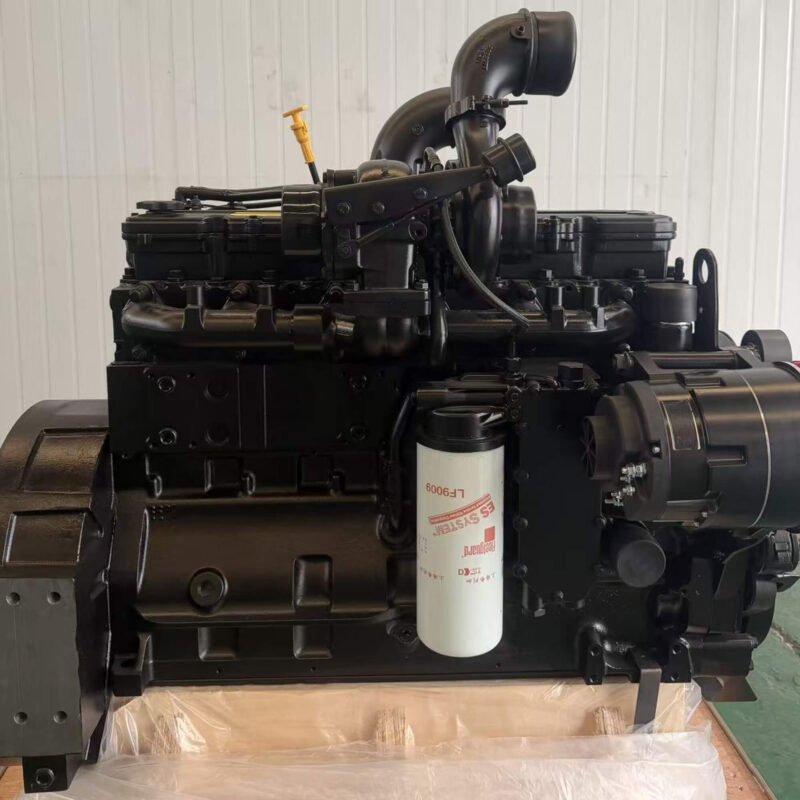
The most critical factor in construction is torque, not just raw horsepower. A diesel engine for construction equipment produces high torque at low rotations per minute (RPM). This allows heavy machinery to lift or push heavy loads without stalling the engine.
Fuel efficiency is another major advantage for large-scale projects. Diesel fuel has a higher energy density than gasoline, containing approximately 35.8 megajoules per liter. This means machines can work longer hours between refueling stops. Lower fuel consumption directly reduces the total operating cost of a construction fleet.
Durability is built into the design of these heavy-duty engines. Construction environments are often dusty, hot, and physically demanding. Most diesel engines are built with heavy-duty components to withstand internal pressures that exceed 2,000 PSI. Longer service lives make diesel the most economical choice for long-term investments.
Key Applications of Diesel Engines in Construction
Different machines utilize the power of a diesel engine for construction equipment in unique ways. For instance, excavators use engine power to drive hydraulic pumps. These pumps then move the boom, arm, and bucket with immense force.
In bulldozers, the engine focus is on tractive effort. The power must be transferred efficiently to the tracks to move earth. High-torque diesel engines allow for steady movement even when pushing massive piles of debris.
Generators on construction sites also rely on these engines. They provide a stable power supply for tools and temporary lighting. Reliable power generation is critical for maintaining safety and productivity during night shifts or in remote areas.
| Equipment Type | Typical Engine Displacement | Primary Power Function |
| Mini Excavator | 1.5L – 3.3L | Hydraulic Pumping |
| Medium Loader | 6.0L – 9.0L | Traction & Lifting |
| Large Bulldozer | 15.0L – 18.0L | Heavy Pushing |
| Mobile Crane | 8.0L – 13.0L | Precision Hoisting |
Technical Features of Heavy-Duty Construction Engines
Many modern machines utilize specialized designs like the 6LTAA8.9 series. This type of diesel engine for construction equipment features an inline 6-cylinder configuration. This layout provides a balance of power and mechanical simplicity for easier maintenance.
Turbocharging is a standard feature in high-performance construction engines. It forces more air into the combustion chamber, increasing power without significantly increasing engine size. Turbocharged engines perform better at high altitudes where air is thinner.
Water-cooling systems are essential for maintaining stable operating temperatures. Construction machines often run at high loads for 10 to 12 hours straight. Advanced cooling systems prevent thermal fatigue and extend the life of engine gaskets and seals.
How to Select the Right Engine for Your Machinery
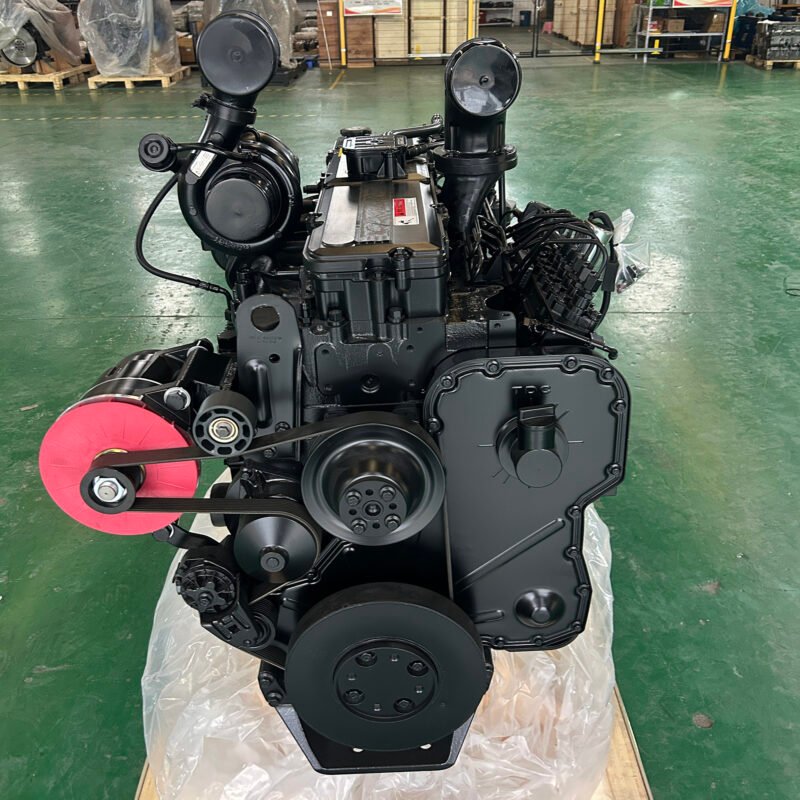
Choosing the correct diesel engine for construction equipment requires analyzing your specific workload. You must consider the required horsepower and the environment where the machine will operate. Matching engine output to hydraulic demand prevents the system from being underpowered.
Evaluate the cooling capacity if your project is in a high-temperature region. Look for engines with robust aftercoolers and high-efficiency radiators. Adequate cooling is the best defense against unplanned downtime during summer months.
Assess the availability of spare parts and technical support. A specialized engine like the 8.9L series is popular globally, making maintenance more accessible. Standardized engine platforms reduce the complexity of managing a diverse fleet of construction machines.
Reliability often comes from the integration of the fuel system. High-pressure common rail systems improve fuel atomization for cleaner combustion. Better combustion leads to lower emissions and better compliance with local environmental regulations.
Summary
Diesel engines provide the high torque and fuel efficiency required for heavy infrastructure tasks. They power everything from small loaders to massive excavators with unmatched durability. Choosing a robust diesel engine for construction equipment is the most effective way to ensure project success and reduce long-term costs.
FAQ
Q:What makes diesel engines better than gasoline for construction?
Diesel engines provide higher torque and better fuel density. This allows them to handle heavy lifting and continuous operation more efficiently than gasoline engines.
Q:How long does a typical diesel engine for construction equipment last?
A well-maintained engine can last between 10,000 and 15,000 hours. Proper oil changes and cooling system maintenance are key to reaching this lifespan.
Q:Does altitude affect the performance of construction engines?
Yes, but turbocharged engines compensate for lower air density. They maintain power levels in mountainous regions where naturally aspirated engines would fail.
Q:Why is the 6LTAA8.9 engine popular in construction?
It offers a perfect balance of displacement and power for mid-sized machinery. Its 6-cylinder inline design is known for being reliable and easy to repair.
Reference Sources
U.S. Energy Information Administration (EIA)
Diesel Fuel Explained
https://www.eia.gov/
DieselNet
Engine Basics and Emissions Standards
https://www.dieselnet.com/
Association of Equipment Manufacturers (AEM)
Construction Equipment Industry Trends
https://www.aem.org/
Cummins Inc.
Industrial Engine Specifications and Technology
https://www.cummins.com/

