
Main Parts of a Diesel Engine and Functions Explained

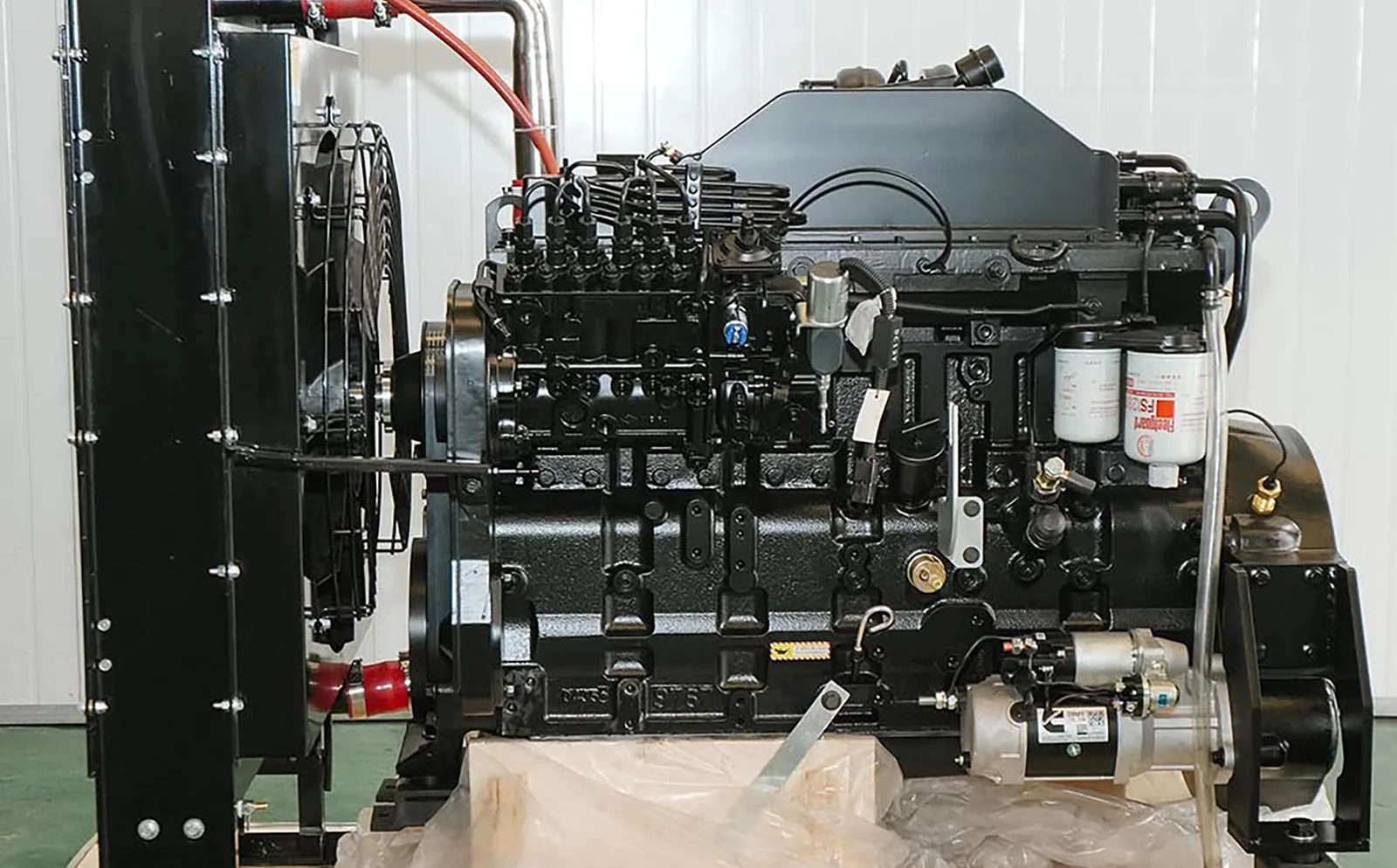
Diesel engines provide the primary power for heavy-duty industrial applications and transport. Understanding the parts of a diesel engine and functions is essential for maintaining mechanical efficiency. These engines rely on compression ignition rather than spark plugs to generate power. This process requires robust components capable of withstanding extreme pressure and heat.
Every component must work in perfect synchronization to ensure reliable operation. From the massive cylinder block to the precision fuel injectors, each piece has a specific role. Knowing these parts helps operators diagnose issues and perform timely maintenance. This guide explores the foundational elements that make diesel technology a global standard for power.
What are the Core Parts of a Diesel Engine and Functions?
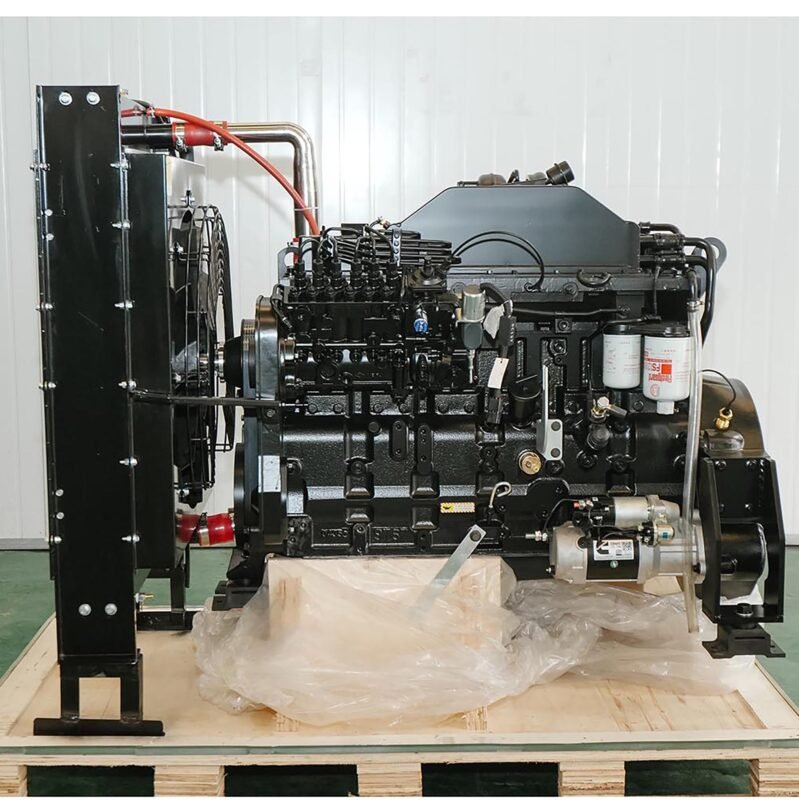
The cylinder block serves as the main structural framework for the entire engine. It houses the cylinders where combustion occurs and provides mounting points for other parts. Most heavy-duty blocks are cast from high-strength iron alloys to resist thermal stress. The block also contains internal passages for coolant and oil circulation.
Inside the cylinders, pistons move up and down to convert gas pressure into mechanical energy. Pistons are critical parts of a diesel engine and functions include sealing the combustion chamber. They are typically made of aluminum alloy or steel to balance weight and durability. Precision-engineered piston rings prevent combustion gases from leaking into the crankcase.
The crankshaft sits at the bottom of the engine block. It transforms the linear motion of the pistons into rotational force. This rotation eventually drives the vehicle’s wheels or industrial equipment. Modern crankshafts must handle massive torque loads, often exceeding 1,000 Newton-meters in large industrial models.
| Component | Primary Material | Key Function |
| Cylinder Block | Cast Iron / Alloy | Structural support and housing |
| Piston | Aluminum / Steel | Energy conversion and sealing |
| Crankshaft | Forged Steel | Converting linear to rotary motion |
| Cylinder Head | Cast Iron / Aluminum | Sealing the top of the cylinders |
How Fuel and Air Systems Drive Combustion
The fuel injection system is arguably the most complex part of a diesel engine. Unlike gasoline engines, diesels inject fuel directly into highly compressed air. The fuel injector must deliver fuel at pressures ranging from 1,500 to 3,000 bar. This high pressure ensures the fuel atomizes into a fine mist for rapid burning.
The turbocharger is a vital component for increasing power density. It uses exhaust gases to spin a turbine, which forces more air into the intake. More air allows the engine to burn more fuel efficiently. High-performance engines, like the 8.3L series, often use wastegate turbochargers to regulate boost pressure. This system can improve engine power output by 30% to 50% compared to naturally aspirated versions.
The air intake manifold distributes filtered air to each individual cylinder. It must be designed to minimize airflow resistance for maximum volumetric efficiency. Proper air distribution ensures that every cylinder contributes equally to the total power output. Clean air is vital because even small particles can damage high-precision injector tips.
Why Precision Valves and Cooling Systems are Essential
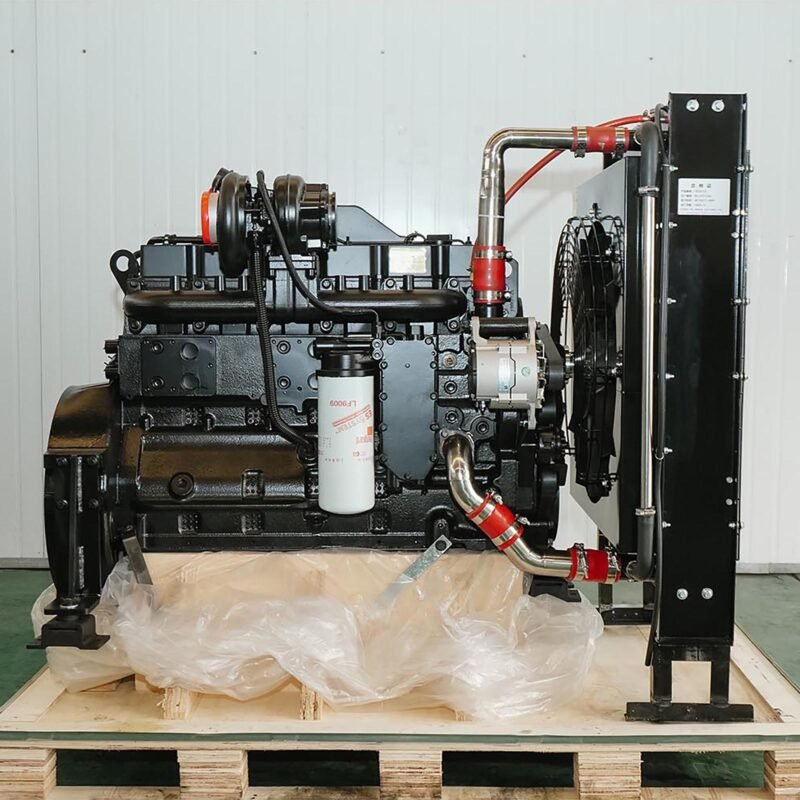
The cylinder head houses the intake and exhaust valves. These valves control the flow of air into the cylinders and the exit of exhaust. Valves are essential parts of a diesel engine and functions involve maintaining an airtight seal. They open and close hundreds of times per minute with extreme precision.
The camshaft coordinates the timing of these valve movements. It is driven by the crankshaft through gears or a timing belt. Precise timing ensures that the intake stroke and exhaust stroke happen at the exact right moment. Even a slight deviation in timing can lead to significant power loss or engine damage.
Thermal management is handled by the cooling system and radiator. Diesel combustion generates temperatures exceeding 2,000 degrees Celsius inside the chamber. The water pump circulates coolant through the block and head to absorb this heat. Effective cooling prevents the metal components from warping or melting under heavy loads.
Essential Data for Diesel Engine Performance
Reliable diesel performance depends on specific technical parameters. For instance, compression ratios in diesel engines typically range from 14:1 to 25:1. This is significantly higher than gasoline engines, which usually stay below 12:1. Higher compression results in better thermal efficiency, often reaching 45% or more in modern designs.
Lubrication is another critical factor for longevity. The oil pump must maintain a consistent pressure, usually between 40 and 60 psi at operating speeds. Proper oil film thickness prevents metal-on-metal contact between the crankshaft and bearings. Regular oil analysis can predict component wear before a catastrophic failure occurs.
Displacement also dictates the engine’s capability for heavy work. An 8.3-liter displacement, common in mid-range industrial engines, provides a balance of fuel economy and torque. These engines often feature six cylinders in an inline configuration. This setup offers natural mechanical balance and simplified maintenance access compared to V-shaped engines.
Choosing the Right Engine Based on Component Quality
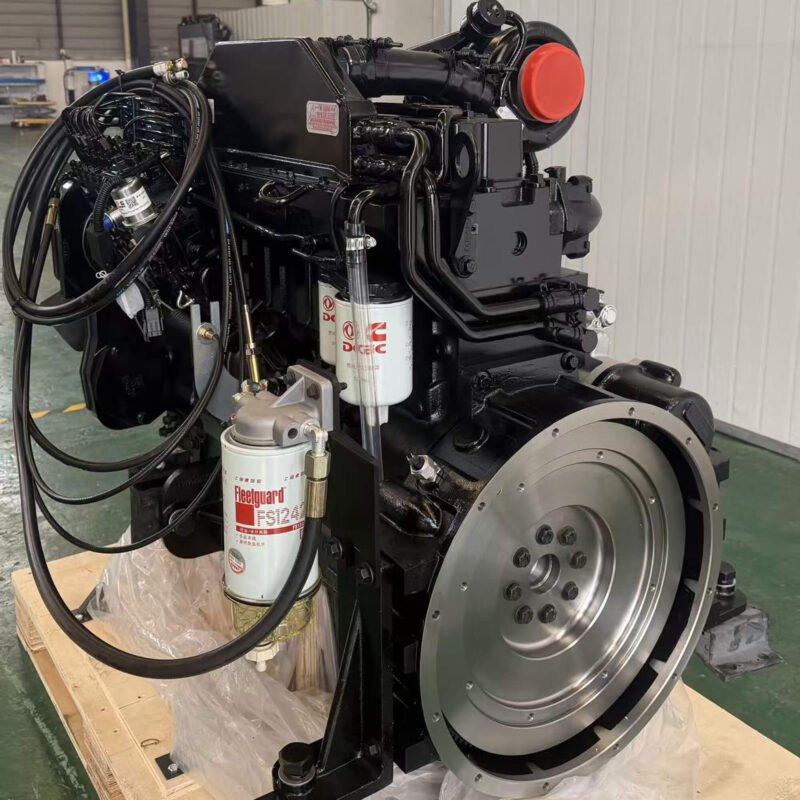
When selecting a diesel engine for industrial or marine use, component specifications are the best guide. High-quality engines feature replaceable wet-cylinder liners which simplify future overhauls. You should also look for engines equipped with robust fuel filtration systems to protect the injectors.
The parts of a diesel engine and functions must align with your specific environmental conditions. For example, engines used in high-altitude areas require efficient turbocharging to compensate for thinner air. If your application involves continuous heavy loads, a heavy-duty oil cooler is a non-negotiable feature.
Evaluating the build quality of the 6CTA8.3 series reveals why it is a popular choice for mechanical reliability. It utilizes a simplified design that avoids overly complex electronics while maintaining high output. This makes it easier to repair in remote locations where advanced diagnostic tools are unavailable. You can find detailed specifications for these robust power units on the 6CTA8.3 diesel engine product page.
Summary
Understanding the parts of a diesel engine and functions helps you maximize equipment lifespan and efficiency. From the structural cylinder block to the high-pressure fuel injectors, every part plays a role in the combustion cycle. High-quality components and regular maintenance are the keys to achieving reliable, long-term industrial power performance.
FAQ
Q:What is the most important part of a diesel engine?
The fuel injection system is the most critical part because it controls the timing and volume of combustion. Without precise fuel delivery, the engine cannot generate power or maintain efficiency.
Q:Why do diesel engines use turbochargers more often than gas engines?
Diesel engines rely on high air density for efficient compression ignition. Turbochargers provide the necessary air volume to burn fuel completely, significantly increasing torque and fuel economy.
Q:How often should I inspect diesel engine parts?
You should conduct visual inspections daily and perform deep maintenance based on operating hours. Most industrial engines require oil and filter changes every 250 to 500 hours to protect internal components.
Q:What causes a diesel engine to lose power?
Power loss is usually caused by clogged fuel filters, worn injectors, or a failing turbocharger. These issues prevent the engine from receiving the correct air-to-fuel ratio required for combustion.
Reference Sources:
Cummins Inc.; Engine Components and Tech; https://www.cummins.com/
DieselNet; Diesel Engine Design and Operation; https://www.dieselnet.com/
SAE International; Standards for Internal Combustion Engines; https://www.sae.org/
U.S. Department of Energy; Internal Combustion Engine Basics; https://www.energy.gov/

