
What Defines the Most Reliable Diesel Engine for Industry?

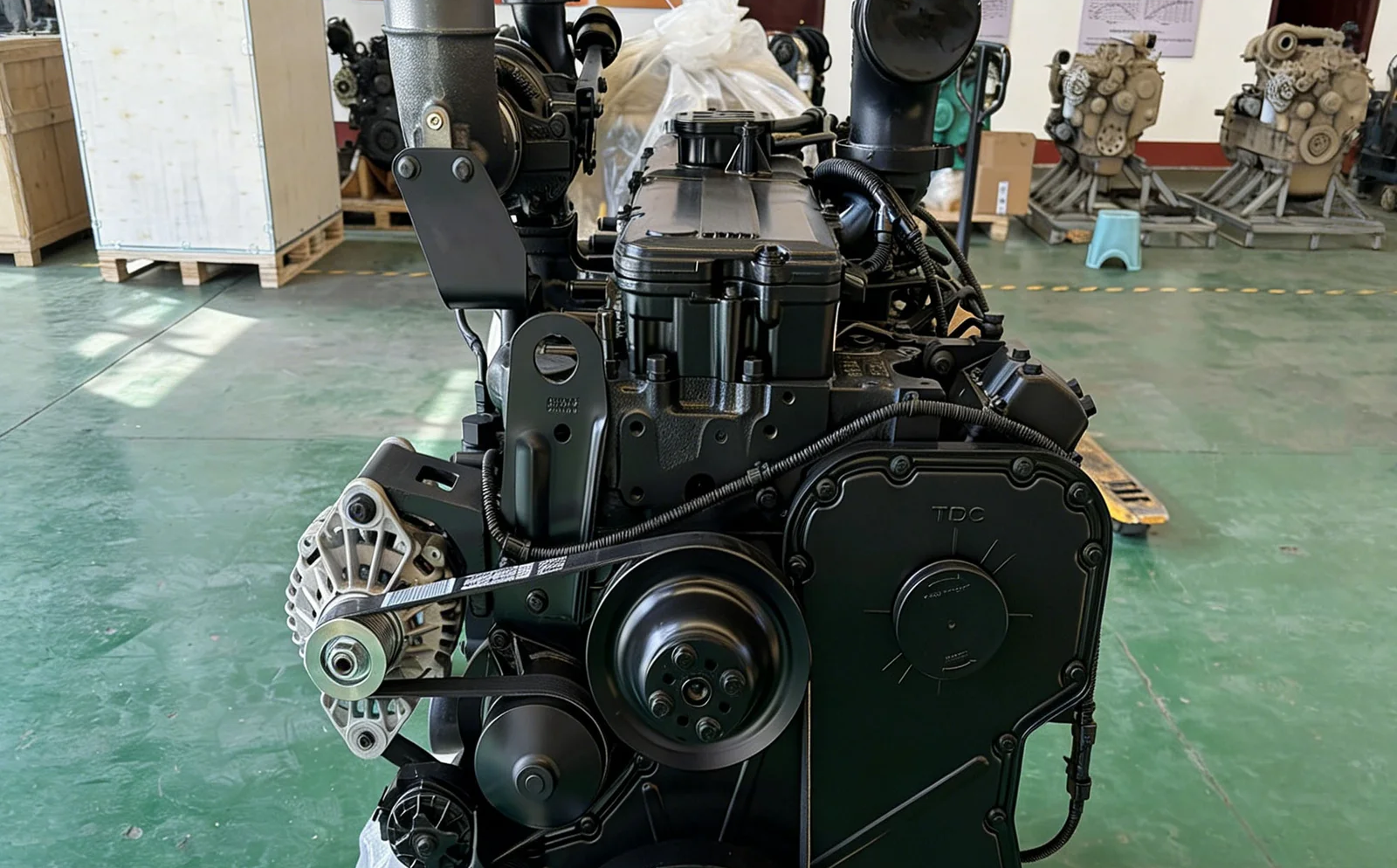
The most reliable diesel engine is characterized by a heavy-duty cast-iron block, advanced fuel injection, and high thermal efficiency. Professional users define reliability as the ability to operate for over 10,000 hours before a major overhaul. Identifying these engines requires looking at peak torque at low RPM and robust cooling systems. A high-quality engine minimizes downtime through simplified mechanical designs and precise electronic monitoring.
Are diesel engines more reliable than their gasoline counterparts for industrial applications? The answer lies in their compression-ignition design, which eliminates the need for complex spark systems. Diesel fuel also acts as a lubricant for the fuel pump and injectors, extending the lifespan of moving parts. Because they operate at lower revolutions per minute, these engines experience significantly less internal wear and tear over time.
For most professional sectors, the 4 cycle diesel engine remains the industry standard for durability and power. These engines provide distinct strokes for intake, compression, power, and exhaust, ensuring efficient heat dissipation. This design allows for better oil control and reduces the risk of overheating during continuous heavy-duty cycles.
Are Diesel Engines More Reliable for Heavy Duty Tasks?
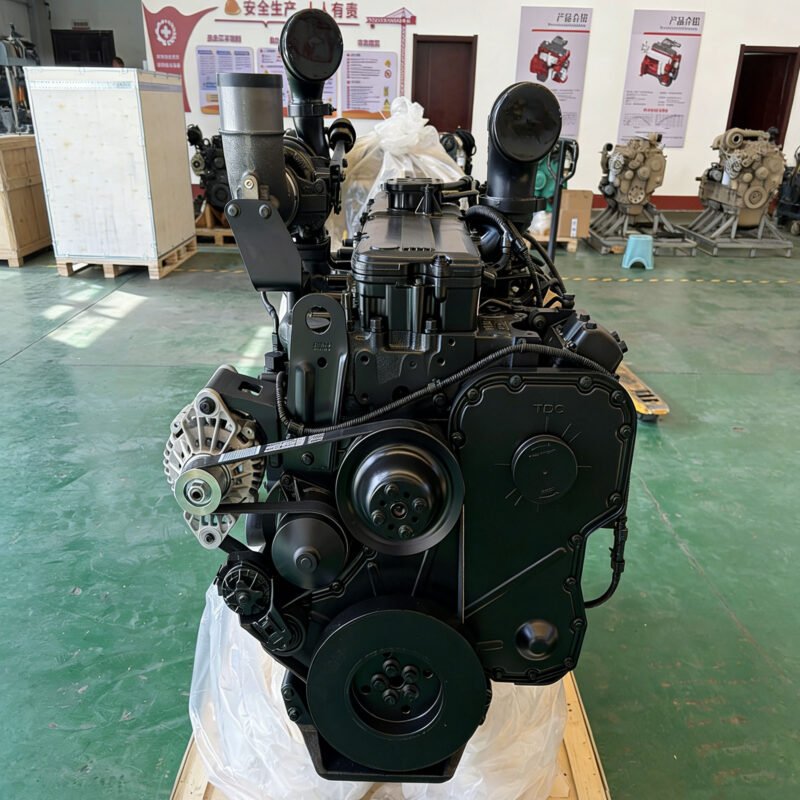
When evaluating whether are diesel engines more reliable, one must consider their structural integrity and combustion method. Diesel engines are built with thicker cylinder walls and stronger crankshafts to withstand high compression ratios. These ratios often reach 17:1 or higher, necessitating the use of premium forged steel components. Such robust construction ensures the engine can handle constant vibration and high-stress environments without structural failure.
The absence of a throttle valve also contributes to their legendary reliability and longevity. In a diesel system, power is controlled by fuel flow rather than air restriction, reducing pumping losses. This mechanical simplicity means fewer sensors and components are likely to fail during field operations. Furthermore, modern diesel units utilize sophisticated filtration systems to prevent contaminants from damaging high-pressure fuel circuits.
Reliability is also a byproduct of the stable nature of diesel fuel compared to volatile alternatives. Diesel fuel has a higher energy density, providing more work output per unit of volume consumed. This characteristic allows industrial machines to run longer between service intervals while maintaining consistent power delivery. Engineers typically rate the “B10 life” of professional engines, aiming for hundreds of thousands of miles of service.
Engineering Advantages of the 4 Cycle Diesel Engine
The 4 cycle diesel engine is preferred in the 200 HP to 400 HP range due to its balance of power and simplicity. By separating the four functions of the combustion cycle, the engine achieves better scavenging of exhaust gases. This results in a cleaner combustion chamber and less carbon buildup on the valves over thousands of hours. Professional operators value this design because it directly correlates to lower maintenance costs and predictable service schedules.
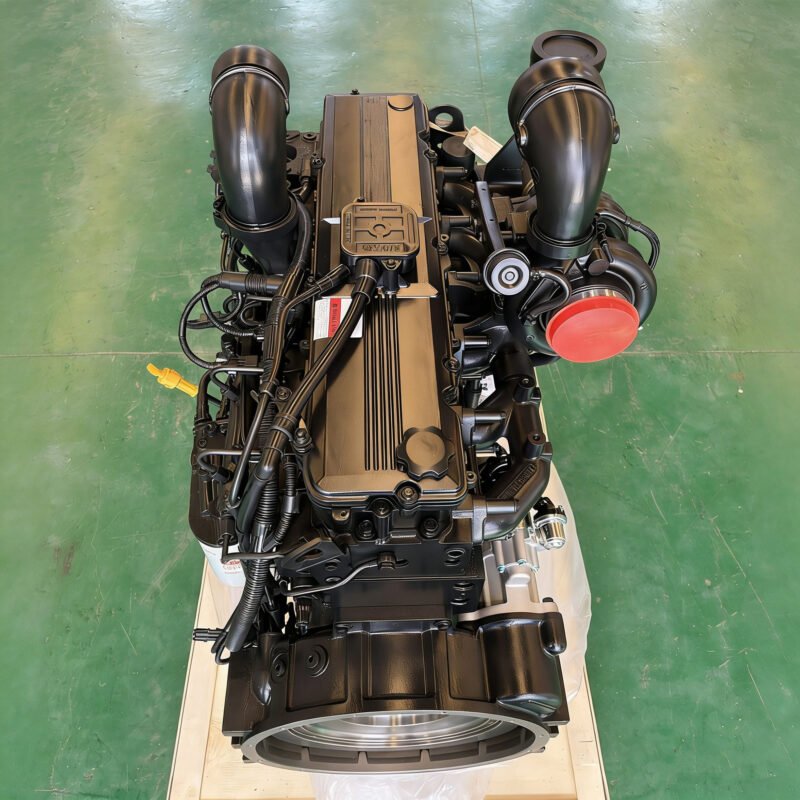
Thermal management is another area where the 4 cycle diesel engine excels in industrial settings. Each stroke provides a clear interval for heat transfer, which is managed by high-capacity water pumps and oil coolers. Many reliable models feature wet-sleeve cylinder liners, which allow for easier rebuilds and better heat dissipation than parent-bore designs. This modularity ensures that the engine can be serviced in the field without replacing the entire block.
Furthermore, the four-stroke design supports advanced turbocharging configurations to maintain performance at high altitudes. Turbocharged versions utilize the energy from exhaust gases to force more air into the cylinders, enhancing power without increasing engine size. This efficiency makes them ideal for construction equipment, generators, and heavy-duty agricultural machinery.
Maximizing Diesel Engine Efficiency in Professional Use
Achieving peak diesel engine efficiency is essential for reducing the total cost of ownership in B2B operations. Modern engines utilize High-Pressure Common Rail (HPCR) systems to deliver fuel at pressures exceeding 1,800 bar. This high pressure ensures ultra-fine atomization, leading to more complete combustion and lower fuel consumption. Increased efficiency translates to fewer emissions and longer run times for remote power generation.
Electronic Control Units (ECUs) now play a pivotal role in maintaining diesel engine efficiency across varying loads. These controllers adjust injection timing and fuel volume in real-time based on ambient temperature and load requirements. By optimizing the air-to-fuel ratio, the ECU prevents “wet stacking” and other issues that can degrade engine health. Professional users rely on these digital systems to provide diagnostic data, allowing for predictive rather than reactive maintenance.
Data shows that modern industrial diesel engines can achieve thermal efficiency ratings of over 42%. This is significantly higher than the 25% to 30% typically seen in spark-ignition engines used in light-duty applications. High efficiency also means less wasted energy is converted into heat, which protects sensitive gaskets and seals. Investing in an efficient engine ensures that every drop of fuel is converted into maximum mechanical work.
How to Select an Engine Based on Integration and Support
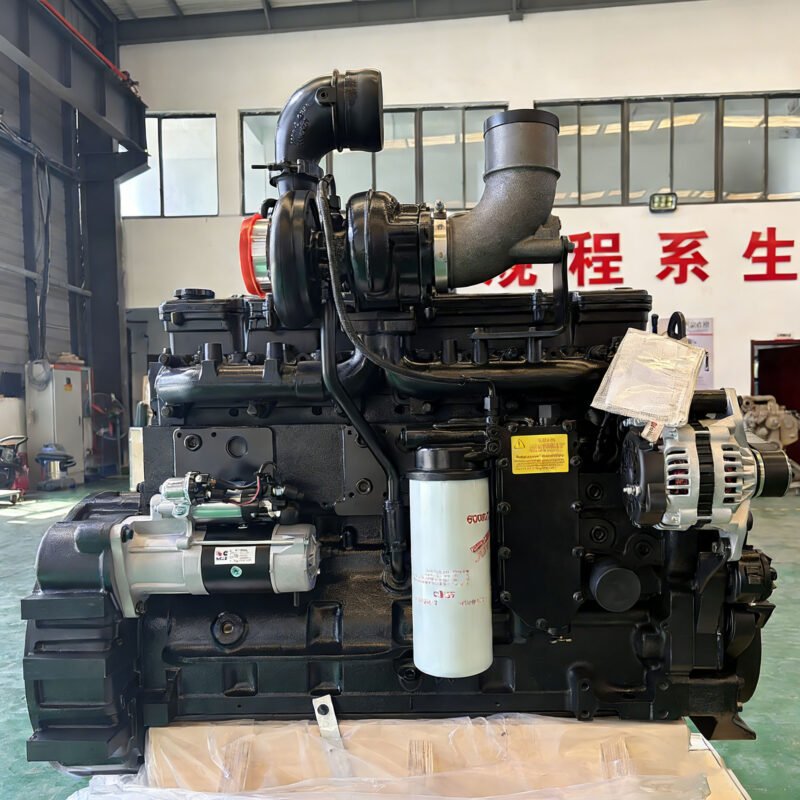
Choosing the most reliable diesel engine requires evaluating how the unit integrates into specific industrial equipment. A professional-grade engine like the QSL8.9 series offers a compact footprint with high power density, making it versatile for many platforms. When selecting a power unit, you must verify the compatibility of the electronic interface with your existing control systems. Proper integration ensures that the engine’s safety features, such as automatic shutdown for low oil pressure, function correctly.
Durability is often determined by the quality of the peripheral components provided by the manufacturer. You should look for engines that feature integrated oil coolers and high-capacity fuel filters designed for harsh environments. A reliable engine must also be backed by a transparent supply chain for genuine replacement parts and technical documentation. This support infrastructure is what allows a high-performance engine to maintain its value over its entire lifecycle.
Professional users should also consider the ease of routine service access for filters, belts, and dipsticks. An engine that is easy to maintain is more likely to receive the care required to reach its maximum lifespan. Evaluating the engine’s torque curve is also vital to ensure it meets the specific demands of your hydraulic or mechanical drive system.
Summary
The most reliable diesel engine for industrial use combines a 4 cycle diesel engine architecture with high-pressure fuel technology. These units offer superior diesel engine efficiency and longevity compared to other power sources. By focusing on heavy-duty construction and advanced electronic controls, professional users can ensure maximum uptime and reduced operational costs.
FAQ
Q:What makes a 4 cycle diesel engine better for heavy equipment?
A 4 cycle diesel engine offers better thermal management and more efficient exhaust scavenging than two-stroke designs. This leads to reduced internal wear and a longer interval between major service requirements.
Q:Are diesel engines more reliable than natural gas engines?
Generally, yes, because diesel engines are built to higher structural standards to handle compression ignition. Diesel fuel also provides better internal lubrication for the fuel system components than dry gaseous fuels.
Q:What is the average lifespan of a professional diesel engine?
A well-maintained professional diesel engine typically lasts between 12,000 and 15,000 hours in industrial applications. Some high-quality models can exceed 20,000 hours with proper adherence to manufacturer service schedules.
Q:How does fuel quality affect diesel engine efficiency?
High-quality, clean diesel fuel ensures that the high-pressure injectors maintain a perfect spray pattern. Contaminated fuel can cause incomplete combustion, which lowers diesel engine efficiency and increases the risk of engine damage.
Reference Sources
Diesel Technology Forum – About Clean Diesel
https://www.dieselforum.org/
Association of Equipment Manufacturers (AEM) – Industrial Engine Standards
https://www.aem.org/
SAE International – Diesel Engine Reliability Research
https://www.sae.org/
U.S. Department of Energy – Fuel Efficiency and Internal Combustion Engines
https://www.energy.gov/

