
Selecting the Right Construction Diesel Engine for Heavy Duty Use

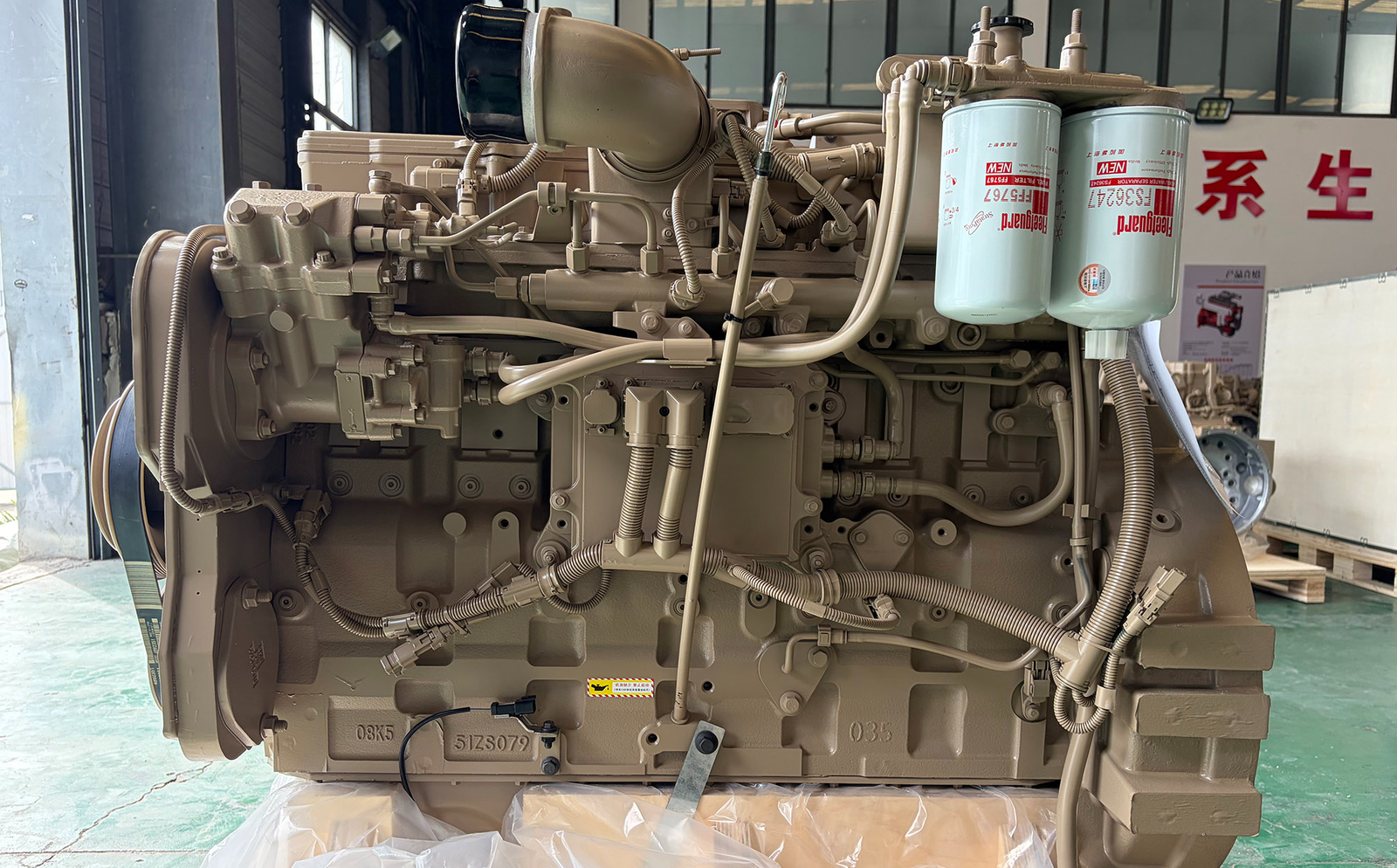
Choosing a construction diesel engine requires understanding how mechanical design impacts long-term operational costs and machine uptime. For professional users, the primary goal is balancing high torque output with fuel efficiency and durability under harsh environmental conditions. The construction and working of diesel engine units used in heavy machinery rely on high-pressure combustion and robust structural components to withstand continuous stress. Professional procurement decisions must focus on the engine’s power density, cooling efficiency, and integration compatibility with existing hydraulic systems.
The modern construction of 4 stroke diesel engine models ensures that every cycle maximizes energy extraction from fuel. This 4-stroke process—intake, compression, power, and exhaust—allows for precise control over emissions and thermal management. For heavy-duty applications like excavators or cranes, a 6-cylinder configuration with a displacement around 8.3 liters provides the necessary torque-to-weight ratio. These engines typically offer power outputs ranging from 149 kW to 231 kW, depending on the specific tuning and turbocharger configuration.
Technical Construction and Working of Diesel Engine Systems
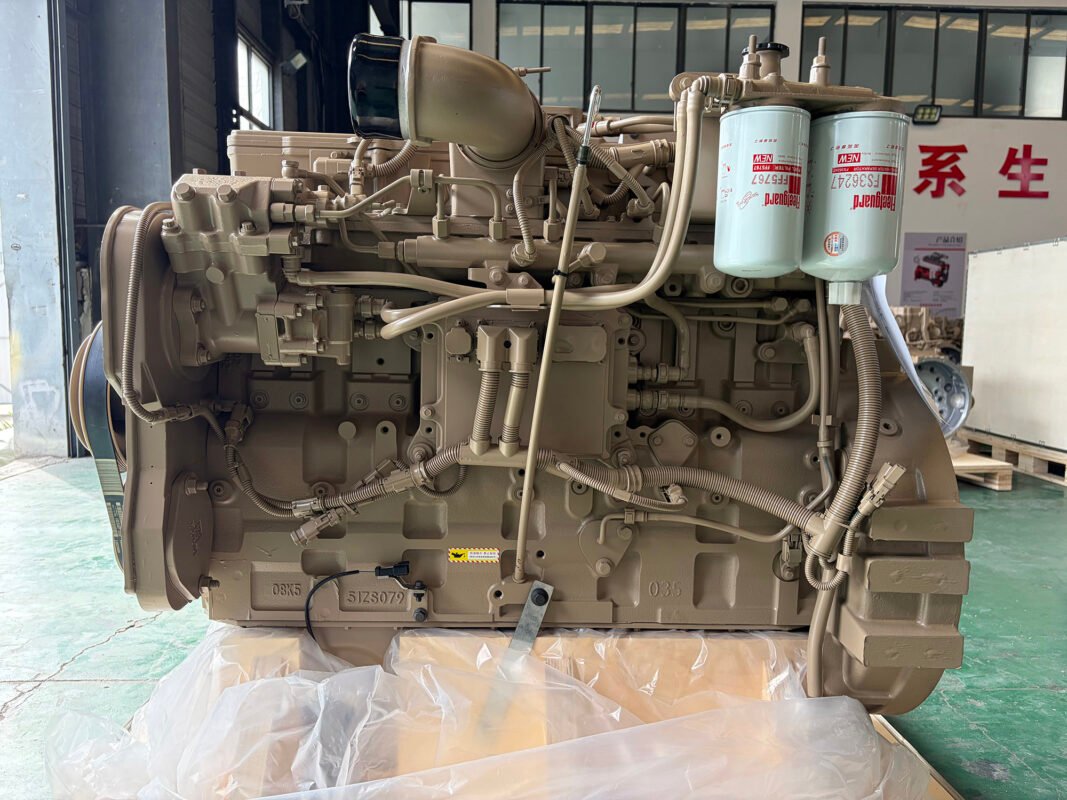
The construction and working of diesel engine units in the industrial sector prioritize structural rigidity. The engine block is usually cast from high-strength iron to handle internal pressures exceeding 1,800 bar in the fuel rail. This high-pressure common rail (HPCR) system is critical for modern construction diesel engine performance. It allows for multiple injection events per cycle, which optimizes the combustion process and reduces noise.
Engineers focus on the construction of 4 stroke diesel engine components like the crankshaft and connecting rods. These parts must be forged, not cast, to handle the high peak cylinder pressures common in turbocharged industrial applications. Heat dissipation is another critical factor in the construction phase. Large-capacity oil coolers and advanced water jackets are integrated to maintain operating temperatures between 85°C and 95°C.
Effective filtration systems are also a hallmark of professional-grade china diesel machinery engines. These engines often feature multi-stage fuel filtration to protect sensitive injectors from contaminants. In construction environments, dust and debris are constant threats to internal components. Therefore, heavy-duty air intake systems with pre-cleaners are standard in high-quality engine builds.
Advantages of the Construction of 4 Stroke Diesel Engine
A primary benefit of the construction of 4 stroke diesel engine design is its superior thermal efficiency compared to other internal combustion types. By separating the four functions into distinct piston strokes, the engine achieves better scavenging of exhaust gases. This results in a cleaner intake charge for the next cycle. For a construction diesel engine, this efficiency translates directly into lower fuel consumption per hour of operation.
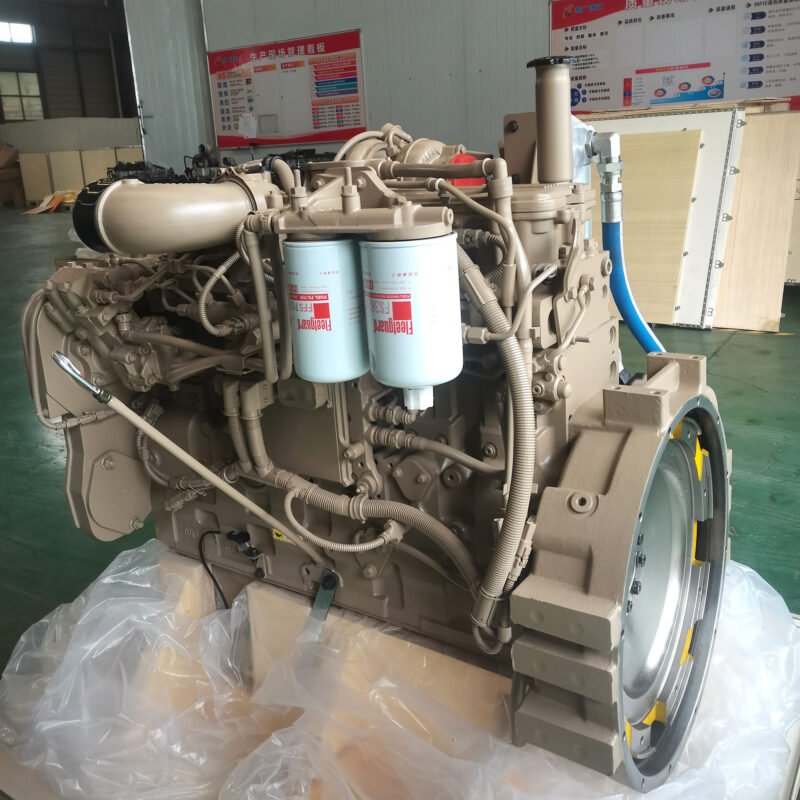
Data shows that an 8.3-liter construction diesel engine can maintain peak torque at lower RPMs, typically between 1,300 and 1,500 RPM. This “low-end torque” is essential for heavy lifting and digging operations where sudden loads are applied. Most 4-stroke industrial engines achieve a brake specific fuel consumption (BSFC) of approximately 200-210 g/kWh. This metric is a key indicator for professionals calculating the total cost of ownership for fleet upgrades.
Furthermore, the mechanical construction and working of diesel engine units allow for easier maintenance in the field. Modular designs enable technicians to access individual cylinder heads or fuel injectors without dismantling the entire upper assembly. This serviceability is a major factor why the 4-stroke design remains the industry standard for global construction projects.
Global Standards in China Diesel Machinery Engines
The market for china diesel machinery engines has evolved to meet international Tier 3 and Stage IIIA emission standards. Manufacturers now utilize advanced electronic control modules (ECM) to monitor engine health in real-time. These controllers adjust fuel timing and air intake based on altitude and load. This level of sophistication ensures that the construction diesel engine operates within its optimal safety envelope.
Reliability is backed by rigorous testing protocols in specialized manufacturing facilities. Many china diesel machinery engines undergo 500-hour endurance tests before design finalization. This ensures the engine can handle the 10,000 to 15,000-hour service life expected by professional contractors. The use of high-grade alloys in valve seats and guides prevents premature wear during high-temperature operations.
Sourcing from established manufacturers also provides the benefit of global parts interchangeability. For instance, the 8.3-liter series is one of the most widely used displacements worldwide. This makes finding replacement components like gaskets, turbochargers, and water pumps straightforward. Professional users value this availability because it minimizes downtime during critical project phases.
Determining the Best Fit for Your Machinery
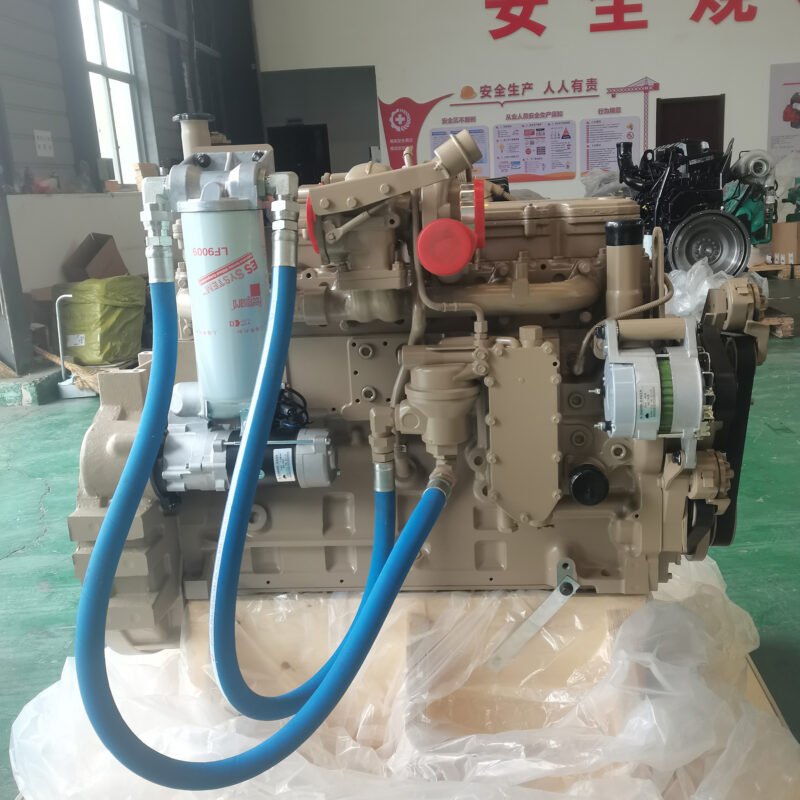
When evaluating a construction diesel engine, you must match the engine’s power curve to your equipment’s hydraulic requirements. A common mistake is over-specifying horsepower while ignoring the torque rise percentage. For heavy excavation, a torque rise of 25% to 35% is ideal. This allows the engine to “lug down” without stalling when the bucket hits hard material.
The QSC8.3 series represents a benchmark in this category. It features a displacement of 8.3 liters and utilizes a high-pressure common rail system. This engine is frequently found in 25-ton to 30-ton excavators and large wheel loaders. Its construction and working of diesel engine logic is designed for “hard-duty” cycles where the engine runs at 70% to 90% load for extended periods.
If your project requires a balance of compact size and high output, the QSC8.3 diesel engine is a proven solution. It offers a power range of 200 HP to 305 HP, making it versatile for various types of china diesel machinery engines applications. Understanding these technical nuances helps buyers select an engine that provides both the necessary force and the required longevity.
Summary
The construction diesel engine is a complex piece of engineering defined by its 4-stroke cycle and high-pressure fuel delivery. Selecting the right unit involves analyzing torque curves, fuel efficiency data, and structural build quality. Professional users should prioritize 8.3L platforms for mid-to-heavy machinery due to their proven reliability and global support network.
FAQ
Q:What are the main stages in the construction and working of diesel engine cycles?
The four stages are intake (air enters), compression (air is heated by pressure), power (fuel is injected and ignites), and exhaust (spent gases are expelled). Each stage occupies one full stroke of the piston.
Q:Why is the 8.3L displacement common in China diesel machinery engines?
The 8.3L size offers an ideal balance of displacement and physical footprint. It provides enough displacement for high torque while remaining small enough to fit in standard engine bays for excavators and graders.
Q:How does the construction of 4 stroke diesel engine systems improve fuel economy?
The 4-stroke design allows for dedicated strokes for intake and exhaust. This ensures that the combustion chamber is filled with fresh air and cleared of exhaust efficiently, maximizing the energy released from every drop of fuel.
Q:What maintenance is critical for a construction diesel engine?
Regular cooling system checks and fuel filter replacements are vital. Because these engines operate in dusty environments, maintaining the integrity of the air intake and lubrication systems prevents internal abrasive wear.
Reference Sources
- Cummins Inc. – QSC8.3 Industrial Product Data – https://www.cummins.com/
- DieselNet – Diesel Engine Emission Standards and Technology – https://www.dieselnet.com/
- SAE International – Standards for Internal Combustion Engines – https://www.sae.org/

